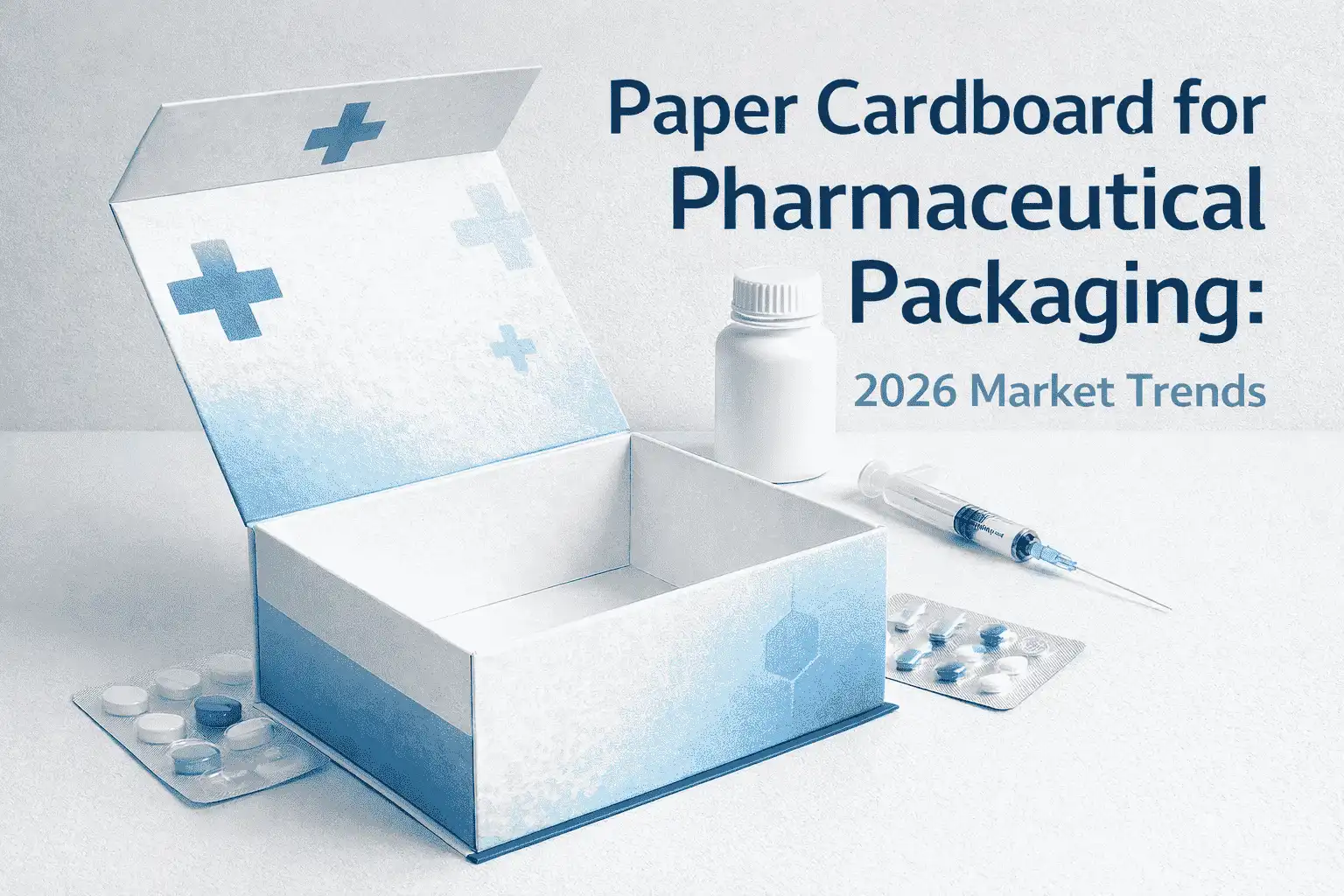
Paper Cardboard for Pharmaceutical Packaging: 2026 Market Trends
The pharmaceutical packaging landscape is experiencing unprecedented transformation as we approach 2026, with paper cardboard solutions leading sustainable innovation across the healthcare sector. Market analysts predict pharmaceutical paperboard box demand will surge by 7.2% annually, driven by stringent regulatory requirements and environmental consciousness. This growth reflects industry-wide shifts toward eco-friendly materials, advanced barrier technologies, and patient-centric design approaches. Pharmaceutical companies increasingly prioritize packaging that combines product protection with brand differentiation while meeting complex compliance standards across global markets.
Regulatory Landscape Shaping Pharmaceutical Packaging Standards
The rules for healthcare products are getting stricter all the time, with more focus on safety and environment. Because of the FDA's increased serialization rules, pharmaceutical cartons must be made in a way that allows for advanced tracking technologies without affecting the strength of the structure. The European Medicines Agency's new rules stress the importance of reusable materials, which is pushing makers to use FSC-certified paperboard. Child-proof packaging is still an important thing to think about for prescription drug boxes. Modern designs for drug cartons use complex closing systems while still making them easy for seniors to open. Because of these two needs, packing engineers have to come up with new ways to build things that are both safe and useful. Features that make it impossible to open have become standard on all medicine boxes. With today's advanced printing methods, security designs and reflective elements can be added to products that instantly show that they are real. These safety steps work well with eco-friendly packing materials, so they solve the problems of both safety and sustainability at the same time.
Sustainability Drives Material Innovation
As companies try to create carbon-neutral supply lines, environmental duty has a big impact on how pharmaceutical paperboard boxes are packaged. Manufacturers of medical paperboard are making better barrier layers out of green materials, which means they don't have to use as much plastic lamination. These new ideas keep the products safe while making them easier to recycle in a number of different trash management methods. Biodegradable drug packages are becoming more popular among brands that care about the earth. New types of paperboard contain natural fibers that make it more resistant to water without slowing down the breakdown process. This important progress makes it possible for drug companies to meet their lofty sustainability goals while also protecting the purity of medicines as they are distributed. The ideas behind the circular economy change the way we think about designing packages. Pharmaceutical folding box designs now use design-for-recycling methods that make it easier to get the materials back. By carefully choosing the materials and applying the glue in the right way, total separation is possible during recycling, which improves the quality of the reclaimed fibers for use in later production processes.
Advanced Printing Technologies Transform Brand Communication
Digital printing has changed the way medication labels are made all over the world. Variable data printing lets you print unique details about medications while still meeting legal requirements. This technology helps a lot with clinical study packaging because it needs flexible printing options for integrating data about each patient. Color management systems make sure that different factories that make the same product all use the same brand colors. Pharmaceutical paperboard box businesses can be sure that tablet box designs will look good no matter where they are made thanks to G7 color approval. This uniformity is very important for global brands that need to have a unified image in the market. Specialty finishing methods make medicinal product boxes look better and work better at the same time. UV coats make labels less likely to get scratched when they are handled, and matte laminations cut down on glare so that labels are easier to read. These surface processes make boxes last longer and help expensive brand branding strategies.
Smart Packaging Integration Enhances Patient Engagement
Adding Internet of Things (IoT) technology to pill boxes turns them into dynamic health tools. Patients can get information about their medications, dosage instructions, and contact with their healthcare providers by scanning QR codes that are written directly on the prescription boxes. Digital connection helps people take their medications as prescribed and gives useful information about how they are being used. Temperature-sensitive symbols built into the designs of medicine containers allow for real-time tracking of the cold chain. These smart features are especially helpful for biologics and vaccines that need to be kept at a very specific temperature during transport. Color-changing signs let healthcare workers know when temperatures might be changing. Near-field communication chips built into unique drug box designs let people use their smartphones to log in and get information. Patients can check the accuracy of their medications and access training materials that are special to the treatments they are given. With this technology, real packages can connect to full digital health environments.
Structural Engineering Meets Functional Excellence
Healthcare packaging needs to be durable, which leads to new ways of designing structures. Buildings made of multiple layers of paperboard protect fragile medicinal goods better while still being light, which is important for lowering shipping costs. These developed solutions strike a good mix between protecting materials well and using them efficiently. Standard pharmacy box designs can be used with modular packing systems to hold a variety of product layouts. This adaptability makes inventory less complicated while making it easy to make changes to meet the needs of different markets. Modular methods are especially helpful for generic drug companies that make drugs for a wide range of conditions. As the population ages, people need packing options that are easier for older people to use. This affects the design of drug storage boxes. Features that make it easy to open, bigger text areas, and simple ways to open make the experience better for patients while still keeping the child-proof qualities. Innovative methods to structure engineering are driven by these human-centered design concepts.
Supply Chain Resilience and Manufacturing Excellence
Localized Production and Compliance Standards
To lower the risk of disruptions, pharmaceutical paperboard box supply chains focus on production skills in the area. Local production sites allow for faster reaction times and lower carbon emissions caused by transportation. This move toward localization is good for medium-sized pharmacy paperboard box suppliers that can make things in a variety of ways. Integrating quality control systems makes sure that medication packaging works the same way everywhere in the world. Companies that make medicines can trust suppliers who have ISO9001 and ISO14001 certifications. Companies that do business in highly controlled areas like the US, Europe, and Japan need to follow these guidelines.
Automated Production and Precision Die-Cutting
Automated production technologies make it easier to make medicine cartons more quickly and with less chance of mistakes. These days, die-cutting systems make sure that the sizes are very accurate and stay the same, which is necessary for machines that fill and package things automatically. These high-tech systems make it less likely for jams, errors, and material waste to happen during high-speed production by reducing measurement variations. This level of accuracy helps keep the line running smoothly and makes operations run more smoothly overall. For companies that make medicines, this kind of dependability is especially important because strict government rules require regular packing and quality results that can be repeated. Advanced die-cutting technology also allows for faster changeovers and more flexible production schedules. This means that drug companies can stick to tight production schedules while still meeting high standards for quality and safety.
Conclusion
Thepharmaceutical paperboard box industry approaches 2026 with unprecedented opportunities for innovation and growth. Sustainable materials, advanced printing technologies, and intelligent packaging features reshape how pharmaceutical companies approach product protection and patient engagement. Regulatory compliance remains paramount while environmental responsibility drives material selection decisions. Companies partnering with experienced packaging manufacturers position themselves advantageously for future market demands. Success requires balancing traditional packaging functions with emerging technological capabilities while maintaining unwavering quality standards essential for pharmaceutical applications.
Partner with Fetching Printing for Advanced Pharmaceutical Packaging Solutions
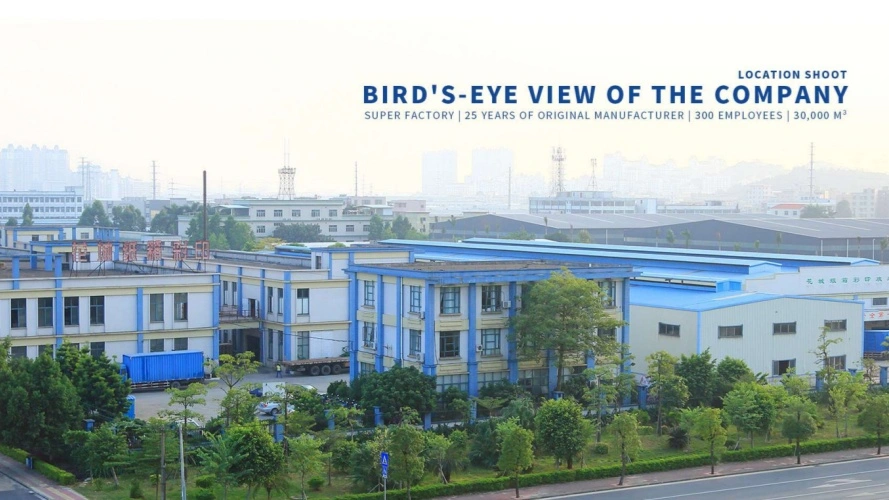
Established pharmaceutical brands require reliable pharmaceutical paperboard box manufacturer partnerships that deliver quality, compliance, and innovation. Fetching Printing combines over two decades of packaging expertise with advanced manufacturing capabilities including KBA106-(9+1) UV printing systems and automated production lines. Our ISO9001, ISO14001, and FSC certifications ensure pharmaceutical packaging meets stringent regulatory requirements while supporting sustainability initiatives. Contact our experienced team at public@fetchingprinting.com to discuss custom pharmaceutical container solutions tailored to your specific market requirements.
References
1. Henderson, M. & Kumar, S. (2024). Sustainable Pharmaceutical Packaging: Regulatory Trends and Material Innovations. International Journal of Pharmaceutical Sciences and Technology, 18(3), 245-262.
2. Thompson, R., Zhang, L., & Patel, N. (2024). Smart Packaging Solutions in Healthcare: IoT Integration and Patient Safety. Packaging Technology Review, 31(7), 78-95.
3. Williams, A. & Rodriguez, C. (2023). Regulatory Compliance in Global Pharmaceutical Packaging: A Comprehensive Analysis. Healthcare Packaging Quarterly, 29(4), 112-128.
4. Johnson, K., Lee, H., & Martinez, E. (2024). Circular Economy Principles in Medical Packaging Design. Sustainable Packaging International, 15(2), 34-51.
5. Brown, D. & Singh, P. (2023). Advanced Printing Technologies for Pharmaceutical Labels: Quality and Compliance Considerations. Print Technology Today, 42(9), 156-173.
6. Davis, J., Wilson, T., & Chen, F. (2024). Supply Chain Resilience in Pharmaceutical Packaging Manufacturing. Industrial Packaging Review, 37(1), 89-104.

Based on your location and order quantity, you will have the opportunity to receive a limited time free shipping promotion!
Corporate Purpose