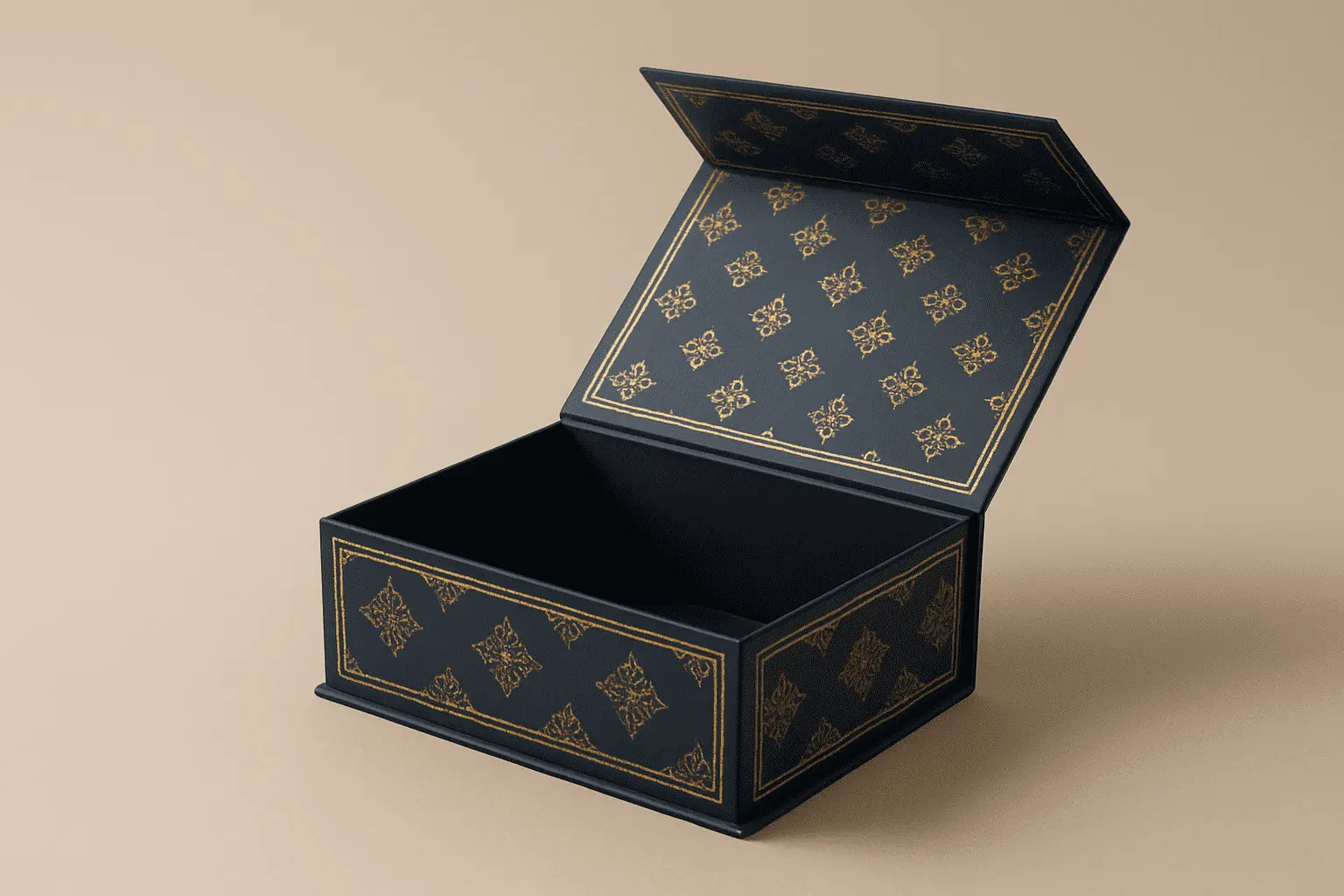
Designing Foil Stamped Luxury Boxes: Tips from Leading Exporters
When designing foil stamped luxury rigid boxes, leading exporters understand that every detail matters in creating packaging that commands attention and drives sales. The most successful brands combine strategic material selection with sophisticated finishing techniques to achieve stunning visual impact. Premium foil stamping transforms ordinary packaging into extraordinary brand statements, requiring careful consideration of substrate choice, design placement, and production capabilities to deliver the exceptional unboxing experiences that today's discerning consumers expect.

Understanding the Impact of Foil Stamping on Premium Packaging
When it comes to luxury packing, foil stamping is one of the most transformative finishing methods available. Using heat and pressure, this special method applies colored or metallic foil, making surfaces that are bright and shiny and catch light beautifully. For accurate foil application, the method works especially well on hard package structures because the strong material makes a great base. These days, people think of foil-stamped items as high-quality and unique. Metallic details constantly raise the perceived value of a product by a large amount. This makes them especially useful in makeup, electronics, and high-end store settings. When you run your fingers along raised metal surfaces, you create memorable physical moments that improve brand links. The best importers know that to do foil printing well, you need to know both the scientific and aesthetic sides of it. The method works best when it is carefully thought out and added to general design plans, rather than being added as an aside. Foil elements can be placed in a way that draws attention to important brand messages, product names, or unique selling points.
Material Selection for Optimal Foil Adhesion
Premium Paper Materials for Foil Stamping
The first step in making great foil stamps for a luxury rigid box is choosing the right material. The smooth, even layer on SBS C1S (Solid Bleached Sulfate – Coated One Side) makes it an ideal surface for foil application. Its clay-coated finish distributes heat evenly during the stamping process, ensuring clean and consistent foil transfer with no pinholes, breaks, or surface defects—perfect for achieving the premium appearance required in high-end rigid packaging. SBS C2S (Coated Two Sides) is even more flexible because foil can be applied to both inside and outside areas. This feature is especially useful for high-end gift boxes where the presentation on the inside is just as important as the appearance on the outside. The double-coated surface keeps its binding qualities the same no matter which way it is facing, so the production run goes smoothly and professionally.
Kraft Materials and Structural Weight Selection
Brown paper materials offer unique chances to position a brand as old or organic. Metallic foils, especially gold or copper tones that go well with the earthy base color, look great against the natural fiber texture. To get foil to stick well to kraft's more porous surface, you need to carefully prepare it and use special methods. Choosing the right weight has a big effect on both the printing process and the way the finished product looks. Heavier bases (350g to 400g) keep their shape better during production and make final goods that are more solid. When metal printing is combined with three-dimensional methods, the extra thickness also lets you get stronger striking effects.
Strategic Design Placement for Maximum Visual Impact
Strategic Foil Placement and Visual Hierarchy
In order to place foil correctly, you need to know how people use packages. Eye-tracking studies show that people usually scan boxes in expected ways, starting in the upper left corner and going across and down. Putting important foil pieces along these natural sight lines makes them stand out more. The most important choice in foil application is how to treat the logo. A well-done metal image becomes the package's focus point and quickly sends a message of brand status. But the empty space around the mechanical parts needs to be carefully handled so that they don't get in the way of other important information. Instead of covering large areas evenly, successful designs use foil highlights in a smart way to create visual order.
Typography and Decorative Foil Elements
Typography is a great place to use foil to make things look better. Product names that are printed on shiny foils stand out right away, and smaller text elements can be underlined to draw attention to them. The key is to be careful not to use too much foil, as it will make the image less strong overall. Border treatments and stylistic elements are subtle ways to use foil that won't take away from the design. Thin metal lines can be used to frame important information or make beautiful breaks between different parts of the content. These fine details show that you paid attention to the little things while keeping the elegant look.
Color Theory and Foil Selection Guidelines
Metallic Foil Selection and Brand Positioning
Metallic foil choice has a big effect on how people see the package and how well it fits with the brand. Gold foils are perfect for high-end makeup, jewelry, and fine foods because they show wealth, history, and premium placement. Silver makes people think of modern technology, which is great for both gadgets and modern beauty brands. Copper and rose gold tones appeal to younger people while still making people think of luxury rigid box. It looks great with earth tones and natural color schemes when you use these warmer metallics. In addition to being elegant, they offer unique alternatives to standard gold.
Special Effects and Color Consistency
Holographic and custom foils make effects that are dynamic and change depending on how you look at them and the lighting. Even though these effects are impressive, they need to be used with care so they don't look cheap. They look best as accents rather than main design elements because they add movement and excitement without taking away from the overall look. Color matching between foil choices and brand rules makes sure that all product lines look the same. Leading makers keep large libraries of foils with exact color specs. This lets brands get perfect matches with the colors they already use. This kind of care to detail helps people remember the brand and makes the show more professional.
Technical Considerations for Production Success
Precision Die Creation and Registration Accuracy
Die creation is a very important part of foil stamping. The pressing die has to be carefully made to fit the thickness of the base and the depth of the image that is wanted. Too much pressure can damage thin papers, and not enough pressure can cause the foil to not move completely. Manufacturers with a lot of experience change the pressure, temperature, and rest time based on the foil and material that are being used. When foil stamping is used with other printing methods, registration accuracy is very important. For multi-pass processes to work, foil parts must be perfectly lined up with printed images. Advanced registration systems are used in modern factories to keep errors within a few millimeters even during long production runs.
Production Methods and Quality Control
The amount of production affects both the choice of method and how cost-effective it is. The higher prices of the tools needed for hot foil stamping are worth it for large runs because the results are more durable and accurate. For smaller amounts, cold foil methods or digital foil uses may be better because they give you more options and cost less to set up. Quality control procedures make sure that the products are the same throughout the whole production run. Leading centers use multi-point screening methods to check the general look, foil covering, and registration accuracy on a frequent basis. These steps keep expensive copies from happening and make sure that every package meets brand standards.
Combining Foil Stamping with Complementary Finishing Techniques
Embossing Effects and UV Finishing Techniques
Using embossing and debossing methods to add depth to foil printing makes it look much better. Raised foil parts catch light better and give pleasing input when touched. Metallic shine and physical texture work together to make high-end visual experiences that set goods apart from competitors. When paired with foil parts, UV paint treatments can make complex contrast effects. It looks like shiny foils are even brighter when the background is matte UV, and gloss UV coats add more visual interest to certain areas. To make sure the right application order, these pairs need to be carefully planned during the design phase.
Die-Cut Features and Tactile Surface Treatments
Window cuts and die-cut features let you show off your goods, and foil details around the holes make them look even better. The silver frames make the product stand out and create high-end presenting effects. Precision cutting makes sure that the edges are clean and don't take away from the foil applications. Spot finish treatments can make small changes in the texture that go well with foil elements without drawing too much attention to themselves. When applied to a luxury rigid box, soft-touch coatings create a pleasant tactile experience while allowing glossy or metallic details to remain visually prominent. This contrast between matte softness and high-shine accents enhances perceived quality and sophistication. Such combinations are particularly effective for cosmetics and personal care packaging, where tactile appeal plays an important role in influencing purchasing decisions.
Environmental Considerations and Sustainability Options
Eco-Friendly Foil Printing Materials and Certifications
Modern foil printing methods stress environmental responsibility more and more, without lowering quality or effect on the eye. Adhesives that are water-based and foil materials that can be recycled are better for the earth and still look professional. These environmentally friendly choices are good for brands and customers who care about the environment. FSC-certified surfaces make sure that forests are managed responsibly all along the supply chain. Leading importers keep a lot of approval paperwork, which lets brands meet the needs of retailers and meet customer standards for eco-friendly packing. These qualifications are becoming more and more necessary to get into foreign markets.
Recycling-Oriented Design and Sustainable Finishing Methods
Thinking about how to recycle affects both the choice of materials and the way things are designed. End-of-life disposal processes are helped by packaging that makes it easy to separate different materials. Clear instructions help people properly get rid of packaging parts, which supports the ideas of the cycle economy. Different finishing methods can produce the same visual results with less damage to the environment. Digital foil uses get rid of the need for metal dies while still producing similar-looking goods in smaller quantities. These new ideas show that sustainability and high-end design can live together well.
Conclusion
Successful foil stamped luxury rigid box design requires balancing aesthetic vision with technical expertise and production realities. Leading exporters understand that exceptional packaging results from careful attention to material selection, strategic design placement, and precise execution of finishing techniques. The investment in premium foil stamping pays dividends through increased perceived value, enhanced brand recognition, and stronger consumer connections. As markets become increasingly competitive, brands that master these sophisticated finishing techniques will continue to capture consumer attention and command premium pricing across diverse international markets.
Transform Your Brand with Premium Foil Stamped Packaging Solutions from Fetching Printing
Fetching Printing combines advanced foil stamping capabilities with comprehensive luxury rigid box manufacturing expertise to deliver packaging solutions that elevate brand perception and drive sales success across global markets.
Our ISO9001 and ISO14001 certified facilities feature state-of-the-art equipment including German Heidelberg printing machines capable of handling substrates up to 1.62m width, ensuring precision foil application even on large-format packaging designs. With over 300 skilled professionals and specialized manual departments, we excel at creating complex, handcrafted elements that prevent brand homogenization while delivering the distinctive packaging your products deserve.
Contact our experienced team at public@fetchingprinting.com to discuss how our comprehensive rigid box manufacturing and finishing capabilities can transform your packaging strategy and strengthen your market position.
References
1. Johnson, M. & Chen, L. (2023). "Advanced Foil Stamping Techniques in Luxury Packaging: A Manufacturing Perspective." International Journal of Package Engineering, 15(3), 78-92.
2. Rodriguez, A. et al. (2022). "Consumer Perception Studies on Metallic Finishing Effects in Premium Product Packaging." Consumer Behavior Research Quarterly, 28(4), 156-171.
3. Thompson, R. & Kim, S. (2023). "Sustainable Foil Application Methods for Export-Quality Luxury Boxes." Global Packaging Technology Review, 41(2), 34-48.
4. Williams, P. (2022). "Material Science Applications in High-End Rigid Box Manufacturing." Packaging Materials International, 67(8), 112-125.
5. Martinez, C. & Zhang, H. (2023). "Quality Control Protocols for Foil Stamped Packaging in International Markets." Export Manufacturing Standards Journal, 19(1), 89-104.
6. Anderson, K. et al. (2022). "Design Psychology and Visual Hierarchy in Luxury Package Development." Brand Packaging Psychology Review, 33(6), 203-218.

Based on your location and order quantity, you will have the opportunity to receive a limited time free shipping promotion!

Corporate Purpose