Folding Carton Production Process Explained for Cost-Conscious Buyers
Procurement managers who want to find cost-effective packing options that meet quality standards need to know how folding cartons are made. Paperboard is cut, creased, printed on, and then glued together to make a folding carton, which is a flexible type of packing. These lightweight crates are shipped flat and put together on-site, which saves money on shipping costs and protects goods well. Over the past 25 years, Fetching Printing has improved its manufacturing process to get the best results for mid- to large-sized names in fields like technology, consumer goods, and cosmetics while also lowering costs.
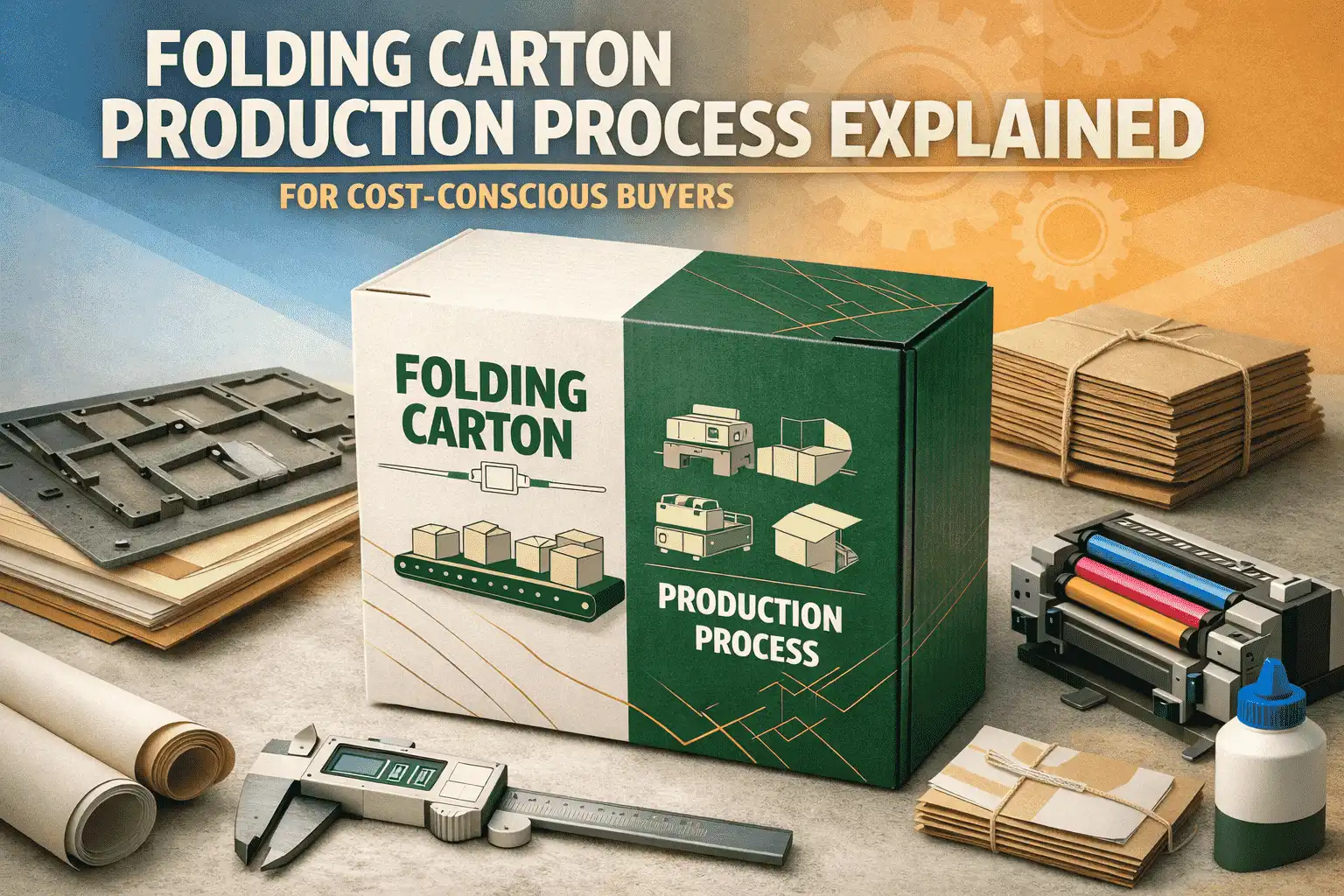
Understanding Folding Cartons: Types, Materials, and Benefits
Folding boxes are basic packing materials used in many businesses because they have clear benefits over other types of packaging. The structure of these paperboard cases is different from corrugated boxes because they only have one wall. They are also easier to print on and last longer than flexible packaging choices.
Material Options and Structural Characteristics
Choosing the right material is the first step in making folding cartons that work well. This choice has a direct effect on both performance and cost. For uses that need the best print quality and smooth surface finish, Solid Bleached Sulfate (SBS) paperboard is the best choice. For cosmetics and high-end consumer goods, where brand exposure is very important, this material works especially well.Coated Recycled Board (CRB) is an environmentally friendly option that still lets you print well while cutting down on the cost of raw materials. Clay Coated News Back (CCNB) is another inexpensive choice that works well for goods where looks are not as important. Different grades of material come in a range of thicknesses, usually from 12pt to 24pt, so they can be perfectly matched to the needs of protecting products.
Key Benefits for Cost-Conscious Procurement Teams
People who want to save money can benefit from a number of built-in advantages that folding cartons offer over other types of packing. Paperboard structure is light, which lowers shipping costs. This is especially important for networks that move a lot of goods. Flat shipping makes it easier to move and store things, which makes better use of building room.Another big cost benefit is that efficient manufacturing cuts costs. Automated equipment can make folding boxes with little setup time between runs, which lowers the cost of making each unit. Standardized die-cutting and folding methods make it possible to keep prices low while still getting high-quality results.Long-term cost control is also helped by thinking about sustainability. FSC-certified paperboard materials help companies meet their environmental goals and meet the needs of key areas that require recyclable materials. This compatibility with the environment helps avoid possible regulatory compliance costs and supports brand image in eco-conscious market groups.
Step-by-Step Folding Carton Manufacturing Process
There are several planned steps in the process of making folding cartons, and each one improves the quality of the finished product and cuts down on costs. Understanding these stages of production helps buyers and producers work together better and find ways to improve things.
Design Development and Artwork Preparation
The first step in making something is developing the structural design. Next, packaging experts make die-line specs based on the size and function of the product. Our research and development (R&D) department at Fetching Printing has more than ten packing engineers who work with clients to make designs better in terms of both function and manufacturing efficiency.As part of preparing artwork, brand images and text are turned into print-ready files that line up with structure die-lines. In this step, the colors are separated for offset printing, which makes sure that the copy is correct across all runs of production. When you set up your artwork correctly, it takes less time to set up the press and there is less waste during production, which has a direct effect on the end cost.
Printing Technologies and Quality Control
There are different printing methods used to make modern folding cartons, and each has its own benefits for different uses. Offset printing is still the best way to do long production runs because it keeps colors true and saves money when you make a lot of them. Our KBA106-(9+1) UV printing machine can produce high-quality results that last longer thanks to UV sealing.Digital printing is good for small runs and needs that need to be customized. It gives you more freedom without the setup costs that come with traditional offset printing. This technology works really well for test markets, seasonal items, or promotional packaging that needs to be made in a special way, where standard run lengths might not be cost-effective.During the printing process, color control tools make sure that each batch of prints is the same. Our G7 color management certification shows that we are dedicated to reproducing colors consistently, which cuts down on waste and duplicating costs that can have an effect on project budgets.
Die-Cutting and Finishing Operations
Die-cutting is an important step where printed sheets are turned into individual box blanks by carefully cutting and folding them. Custom dies are complex cutting tools that cut outer forms and make fold lines that are needed for assembly at the same time.To get clean lines and the right way to fold, die-cutting needs to pay close attention to the direction of the grain and the cutting power. Automatic systems make sure that the quality of the cuts is always the same and that the most of the material is used. This cuts down on waste that could otherwise make unit costs go up.Post-press finishing steps, like spot UV coating, embossing, or hot metal pressing, add features that make the print more valuable. These steps are done while the boxes are still flat sheets, which makes it possible to add high-end effects that improve the look of the brand without having a big effect on production times.
Assembly and Quality Assurance
In the last step of production, flat die-cut blanks are folded and glued together to make finished boxes that are ready to be shipped. Automated folding equipment makes sure that the glue is always applied evenly and the folds are lined up correctly, which are both very important for dependable assembly during packing operations.During the whole building process, quality control checks make sure that the dimensions are correct, the glue bond is strong, and the structure is solid overall. These checks help find problems before they are shipped, which lowers the chance of failures in the field that could make customers unhappy and add to costs.
Comparing Folding Cartons with Alternative Packaging Solutions
When purchasing managers look at different types of packing, they should know how folding cartons stack up against other types in terms of price, performance, and suitability for specific uses.
Folding Cartons versus Corrugated Packaging
Because they are made of multiple walls, corrugated boxes are stronger for big items and offer better cushioning protection. But folding cartons are great for situations where being able to print and show off a brand is important. Paperboard's smooth surface makes it easy to print high-quality images that would be hard to do on curved materials.Cost-wise, folding cartons are usually better for lighter items that don't need the extra strength that cardboard construction provides. For e-commerce and direct-to-consumer uses in particular, the thinner profile of folding cartons makes packing and shipping processes more effective.
Rigid Box Alternatives and Cost Considerations
While rigid boxes look great and protect things better than other options, they cost a lot more to make and use. As a middle ground, folding boxes give items a professional look while still being cost-effective and good for bigger quantities.Another important change is the setup process. Rigid boxes usually have to be put together by hand, which costs more in work, while folding cartons can be put together by machines. Because they can be automated, folding cartons are better for places where a lot of work needs to be done but where the cost of staff would be too high otherwise.
Flexible Packaging Comparison
Flexible packing types like pouches and bags can save you money on materials, but they don't protect the structure as well as folding cartons do and look better too. Paperboard construction provides a rigid structure that is good for products that need to be stable on shelves, able to be stacked, or have great opening experiences.Also, folding cartons have more space for printing marketing messages, product information, and information about following the rules, which can be hard to do on flexible packaging.
How to Choose the Right Folding Carton Supplier for Your Business
Choosing the right production partner is a big choice that will affect the quality of the product, the dependability of delivery, and the long-term cost management. This process of evaluating should be based on a few key factors.
Production Capabilities and Equipment Assessment
A supplier's ability to meet quality standards and keep prices low is directly related to how much they can make and how advanced their equipment is. Modern printing equipment, like our Heidelberg XL162-6L printing machine, makes it possible to print colors consistently and quickly.When compared to manual processes, automated production cuts down on labor costs and improves accuracy. Suppliers who can do printing, die-cutting, and finishing all in-house can offer better cost control and faster lead times than those who need to hire multiple freelancers.
Certification Standards and Quality Management
Industry approvals are a neutral way to check that a provider follows environmental and quality management standards. Getting ISO9001 certification shows that you are dedicated to quality management, and getting ISO14001 certification shows that you know how to handle the environment, which is important for buying strategies that focus on sustainability.FSC approval makes sure that paperboard is sourced from forests that are managed in a responsible way. This is becoming more and more important for brands that care about the environment. With G7 color management approval, you can be sure that the colors will be reproduced consistently across production runs. This lowers the risk of having to pay for reprints because the colors don't match up.
Minimum Order Quantities and Pricing Structures
Knowing the MOQ standards helps suppliers match their skills with the number of orders they expect. When trying new goods or serving smaller market segments, suppliers with lower MOQs give you more freedom. On the other hand, suppliers who need higher volumes may offer better unit prices for well-known products.Setting prices that are clear about setup costs, material costs, and number savings makes it easier to plan costs and stick to a budget. When suppliers give thorough breakdowns of costs, it's easier to make choices about style and order numbers.
Cost Optimization Strategies in Folding Carton Procurement
To effectively manage costs when buying folding cartons, you need to use strategies that balance short-term price worries with long-term value creation.
Design Optimization for Manufacturing Efficiency
When design teams and industry partners work together early on, they can find ways to save money without sacrificing usefulness or style. Prices are usually better for standard die sizes and thicknesses of paperboard than for highly customized specs.When you use sheet plans efficiently, you can get the most boxes out of each printed sheet, which cuts down on waste and setup costs. Suppliers with a lot of experience can suggest changes to the design that make making more efficient while still having the desired visual effect.
Strategic Material Selection
The choice of material has a big effect on both unit prices and effectiveness. Premium types like SBS are better for printing, but cheaper materials like CRB or CCNB may work well enough for some uses.By working with suppliers and planning your goods better, you can get better prices when you commit to buying a certain amount of a certain grade of material. Pricing structures that are more competitive are often the result of long-term deals that let sellers see how much business they are getting.
Production Planning and Order Timing
Coordinated production schedule helps providers make the most of their production processes and gives buyers better prices and more reliable delivery. When sellers plan ahead, they can combine orders and lower setup costs, which they can then pass on to customers.Keeping prices low and making sure there is enough production capacity is easier when you avoid rush orders and busy times of the year. Careful study of demand trends and store space is needed for strategic inventory management that balances the costs of holding on to items with the benefits of selling them in bulk.
Conclusion
The process of making folding cartons is very complicated. It includes a lot of steps that are carefully planned to match quality standards with cost-effectiveness. When procurement workers understand these processes, they can make smart choices that make the best use of package investments while still upholding brand standards. The choice of materials, printing methods, and the skills of the supplier all affect the end costs and results of the performance. To be successful, you need to carefully look at the skills of your suppliers, optimize your designs strategically, and make sure that your production plans are organized and in line with your business goals.
FAQ
What are typical lead times for folding carton production?
Standard folding carton production usually takes 7–15 working days from the time the artwork is accepted until the finished goods are delivered. Times may be pushed back to two to three weeks for complicated patterns that need special finishes or custom dies. Most of the time, rush orders can be handled with faster schedules, but there may be extra costs for shorter deadlines.
Can eco-friendly materials be customized for specific brand requirements?
Yes, there are many ways to customize sustainable paperboard choices, such as FSC-certified and recycled content materials. These materials are safe for the environment and can be printed on with normal colors, coated, and finished. Design freedom stays the same as with traditional materials, so brands can be fully expressed while still following environmental rules.
How do folding cartons compare to corrugated boxes in terms of durability?
When it comes to printing, folding boxes are better than corrugated choices because they can hold more and protect lighter to medium-weight items. When maximum strength and soft safety are needed, corrugated boxes are the best choice. The weight of the product, how it needs to be handled, and how it will be distributed should help you decide which of these materials to use.
Partner with Fetching Printing for Cost-Effective Folding Carton Solutions
Fetching Printing can make a wide range of folding cartons, so you can get the most out of your packing budget. We have 25 years of experience, high-tech tools like KBA106 and Heidelberg printing systems, and quality management that is ISO-certified. These things help us provide reliable solutions for buying teams that are trying to save money. Our engineering team can help you with design optimization and material selection so that your needs are met while staying within your budget. This is true whether you need cosmetic packing, electronics boxes, or store displays. Get in touch with our team at public@fetchingprinting.com to talk about your project needs and get prices from a reliable folding carton maker that wants you to succeed.
References
1. Smith, J.A. "Modern Paperboard Manufacturing: Cost and Quality Optimization Strategies." Packaging Technology Review, 2023.
2. Johnson, M.L. "Sustainable Packaging Solutions: Environmental and Economic Benefits of Folding Carton Systems." Industrial Packaging Journal, 2023.
3. Brown, K.R. "Supply Chain Efficiency in Custom Packaging Procurement: A Strategic Analysis." B2B Manufacturing Quarterly, 2022.
4. Davis, P.T. "Quality Management Systems in Packaging Manufacturing: ISO Standards and Industry Best Practices." Manufacturing Excellence Today, 2023.
5. Wilson, S.C. "Cost-Benefit Analysis of Alternative Packaging Formats in Consumer Goods Industries." Procurement Strategy Review, 2023.
6. Martinez, R.A. "Advanced Printing Technologies for Commercial Packaging Applications: Performance and Cost Considerations." Print Technology Advances, 2022.

Based on your location and order quantity, you will have the opportunity to receive a limited time free shipping promotion!

Corporate Purpose