Material Cost Drivers in Custom Product Box Manufacturing
Material costs represent the foundation of pricing in custom product box manufacturing, directly impacting both procurement budgets and brand presentation quality. Understanding these cost drivers enables businesses to make informed decisions that balance financial efficiency with brand objectives. At Fetching Printing, we recognize that material selection influences not only production expenses but also product protection, visual appeal, and environmental compliance. Through comprehensive analysis of material options and cost structures, companies can optimize their packaging investments while maintaining the high standards their customers expect from professional custom product box solutions.
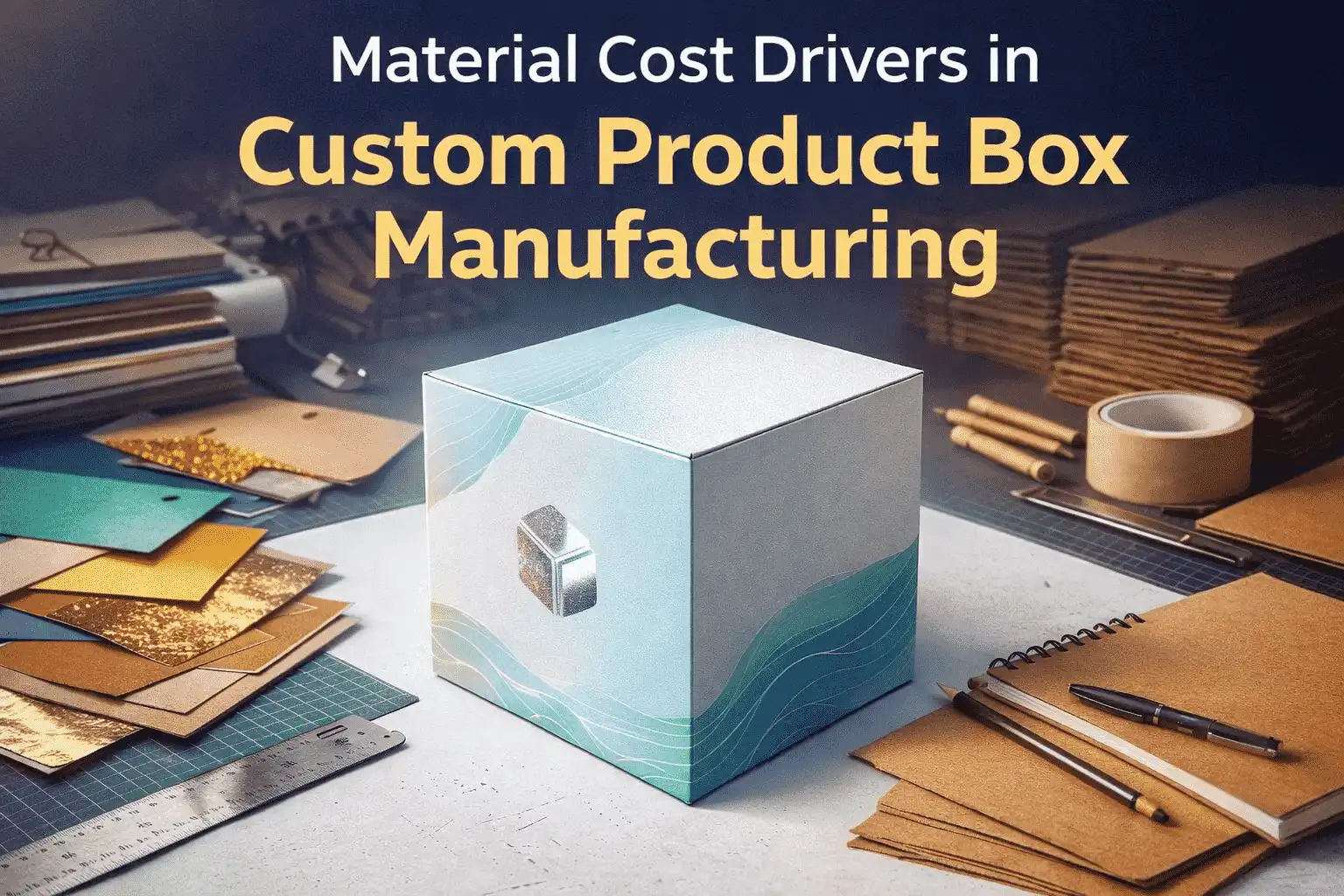
Understanding the Core Material Cost Drivers in Custom Product Box Manufacturing
When making custom packing, the choice of material is the main factor that affects the cost of production. There are a lot of complicated things that affect your bottom line, that affect the link between material quality and price. These include where you get your raw materials, how they need to be processed, and how well they work.
Primary Material Categories and Their Cost Implications
For most custom packing needs, cardboard is the main material used. Prices change a lot depending on the grade and specs. Because it prints well and has a smooth surface, Solid Bleached Sulfate (SBS) paperboard costs a lot. This is because it is perfect for packing high-end products and luxury goods. Bleaching and various coating layers are used to make SBS, which can cause material costs to be 25–40% higher than normal choices. Alternatives like CCNB (Clay Coated News Back) and brown paperboard are cheaper but still meet quality standards. These materials are inexpensive and can be printed easily. They are also strong, so they can be used for industrial and computer packing, where cost is an issue, but professional presentation is also important. Material price is made more difficult by buildings made of corrugated board. Different price levels are available for single-wall, double-wall, and triple-wall configurations. The cost of materials goes up in direct measure to the strength needs of the structure. Costs vary depending on the fluting process and adhesive methods used in corrugated manufacturing, which buying teams must weigh against the need for security and shipping.
Volume Purchasing and Economies of Scale
Through economies of scale, buying in bulk makes it possible to save a lot of money on materials. When compared to smaller orders, manufacturing runs of 10,000 units or more usually save 15 to 30 percent on costs. This is because material sources are able to make production more efficient, and setup costs go down with larger numbers. Minimum order numbers (MOQs) have a big effect on how much each unit of a material costs, especially for specialty substrates and sheets that are made to order. Suppliers often set their prices in a way that rewards customers who commit to buying a lot. This lets businesses plan their purchases in a way that fits with their production schedules and inventory management goals. Cutting down on material waste is more and more important in high-volume situations. By using optimized cutting patterns and standard measurements, you can cut the amount of material you use by 8–12%. This directly saves you money, and the savings add up over large production runs.
How Design Choices Affect Material Costs in Custom Product Boxes
Design choices have effects on how much material is used and how efficiently things are made. These effects are often secret cost drivers that have a big effect on project budgets. Understanding these connections lets you create packing in a smarter way.
Dimensional Optimization and Material Efficiency
The size of the box has a direct effect on how much material is used and how much trash is made during production. In the packaging business, standard sheet sizes are based on set measures. Custom measurements that are in line with these standards cut down on waste and costs. Packaging that needs sheets that aren't standard sizes often creates 15–25% more trash, which raises the total cost of the job. Material costs are affected by how complicated the structure is. More material reserves are needed for complex folding patterns, multiple sections, and specialized closures. Premium bases that can handle complex forming processes may also be needed. When compared to simple rectangular shapes, these design features can make the cost of materials 20–35% higher.
Sustainable Material Integration
More and more, environmental factors affect the choice of materials and the prices that come with them. Most of the time, FSC-certified papers cost 8–15% more than regular ones. Materials with recycled content may offer price benefits or premiums, based on quality standards and market conditions. Biodegradable and reusable materials are becoming more important in terms of cost when it comes to ethical packaging. These specialty substrates usually cost 25–50% more than regular ones, but they may be worth it in the long run because they help brands stand out and make sure they follow environmental rules in markets that care about those things. Custom product boxes made from sustainable materials may also come at a higher initial cost but provide long-term brand benefits and environmental compliance. When sustainable materials are used, they need to be carefully weighed against their performance and cost effects. In order for some environmentally friendly choices to work as well, they may need thicker materials or more protective coatings. This could make the lower starting cost disadvantages less appealing by using more materials.
Printing and Finishing Technologies That Influence Material Costs
Advanced printing and finishing options have a big effect on the amount of materials needed and the costs that come with them. Often, they make up a big part of the total project costs. By understanding these connections, you can make smart choices about where to invest in looks and how to show your brand.
Printing Technology Selection and Material Requirements
Offset printing produces very high-quality results, but certain qualities of the material are needed for it to work at its best. Coated papers and smooth surfaces, which are needed for high-quality offset printing, usually cost 20–30% more than untreated options, but they show colors and details more clearly. Digital printing gives you more options because more materials can be used, but you might need special bases that work best with toner or inkjet systems. These materials usually cost more, but they can be used for faster production runs and variable data printing, which makes up for the higher costs by cutting down on waste and the need to keep more supplies on hand. The printing method itself has an effect on the prices and materials that are used. UV-curable inks need surfaces that can handle UV light while they cure, which could limit the types of materials that can be used and raise costs. In the same way, water-based paints might need better soaking properties that change the specs and cost of the material.
Premium Finishing Applications
Specialty finishing methods have a big effect on both the choice of materials and the total cost of the job. For foil printing to work, the substrates need to have the right surface properties and be able to handle heat. This usually means using special materials, which raise the base cost by 15 to 25 percent. The process of applying foil also creates leftover materials that need to be taken into account when figuring out costs. For embossing and debossing to work, the materials need to have the right thickness and fiber structure to keep their shape while they are being formed. These standards usually call for high-quality substrates, which can raise the cost of materials while improving the physical experience that helps brands stand out. Lamination methods add more layers of material and adhesive systems, which raise the cost of buildings. Matte and gloss laminations need different film materials and ways of applying them, which raises the cost of the base material by 10 to 20 percent while making it last longer and look better.
Material Cost Considerations in Supplier Selection and Procurement Process
Strategic relationships with suppliers have a big effect on the costs of materials and the success of a project by setting prices, making sure quality is consistent, and making sure operations are reliable. Cost optimization, quality assurance, and supply chain safety all need to be balanced for buying systems to work well.
Supplier Evaluation and Cost Optimization
Material buying transparency lets you compare prices and make budget plans across all possible sources. Reputable makers give thorough information about the materials they use and how much they cost, which helps customers make smart decisions about how to balance quality and cost. Suppliers that have been around for a while usually have long-term contracts and bulk pricing plans that make costs more predictable and offer the chance to save money. Some of these agreements may have material cost stability terms that protect against changes in the market and make sure that there is a steady supply of materials for ongoing production needs. Material prices are affected by geography through the cost of shipping and the way markets work in different areas. Local suppliers may be cheaper because they don't have to pay as much for shipping and can get things to you faster. On the other hand, foreign suppliers may offer specialized materials or low prices that make up for the cost of shipping.
Quality Assurance and Cost Management
Quality assurance is an important part of cost management techniques because the quality of the materials used directly affects how well the end product works and how efficiently it is made. Consistent material properties cut down on production waste and quality-related labor, both of which raise the total cost of the project. Certification rules, like ISO standards and environmental compliance, add costs, but they're necessary to make sure quality and give people entry to new markets. These licenses usually explain higher prices by making the brand more trustworthy and following the rules, which helps businesses grow their markets. Custom product boxes benefit from these practices by ensuring higher quality standards, reducing errors, and keeping costs under control. Protocols for testing and validating materials make sure they work the way the project needs them to and keep production problems to a minimum. When you test materials during the source review phase, you avoid problems that cost a lot of money during full-scale production and avoid quality-related cost overruns.
Future Trends in Material Costs for Custom Product Boxes
Material cost structures in custom package making are always changing because of new technologies and changes in the market. Knowing about these trends helps with planning ahead for purchases and staying competitive as market conditions change.
Innovative Material Technologies
Using nanotechnology in packaging materials could improve their performance while also lowering the amount of material that needs to be used. At first, these high-tech materials might cost more, but they might save you money in the long run by making your work more efficient and reducing the amount of material you use. When electronic components and specific substrates are added to smart packaging, they have a big effect on cost structures. Even though these technologies bring about big price hikes in materials, they open up new ways to use things and interact with brands, which may make extra investments worth it by giving customers more value. Bio-based products are getting better at being cost-competitive and becoming more useful in business. Based on how things are going now, these materials may become as cheap as traditional choices within three to five years. They also have environmental benefits that help with brand image goals.
Market Dynamics and Supply Chain Evolution
Diversification in the global supply chain affects the prices and abundance of materials as companies come up with more reliable ways to get them. When the production capacity of materials in a region grows, it may lead to new cost factors and supply choices that change how decisions are made about what to buy and how much to charge. Automation technologies in the making of materials keep lowering costs while raising quality standards. These gains in efficiency could lead to lower prices for materials and better performance, which is useful for both production and end-use. As rules for environmental protection and material safety change, they bring both problems and chances for managing material costs. Some materials may cost more because of compliance standards, but sellers who offer compliant options may have an edge in the market.
Conclusion
Material cost drivers in custom product box manufacturing include choosing the right material, making sure the design is as good as it can be, using the right printing technology, and working with a seller. When procurement workers understand these connections, they can make smart choices that balance cutting costs with meeting quality standards and brand requirements. To do a good job of managing material costs, you need to weigh all of your short-term costs against long-term factors like customer happiness, brand positioning, and operating efficiency. Businesses can get the most out of their package purchases while still meeting the professional standards needed for success in the market by carefully looking at the different materials available and the skills of their suppliers.
FAQ
What factors most significantly impact material costs in custom packaging?
The main factors that affect price are the type of material and how thick it is. For example, premium substrates like SBS paperboard cost 25–40% more than normal options. Overall material costs are also affected by buying in bulk, the difficulty of the design, and the need for finishing.
How do sustainable materials affect packaging costs?
Materials with recycled content and FSC certification usually cost 8–15% more than regular materials. Biodegradable materials may cost 25–50% more than regular materials. But these efforts often pay off in the long run by helping to differentiate the company and follow the rules.
What role does order volume play in material pricing?
Costs usually drop by 15 to 30 percent when you buy 10,000 or more units at once. This is called economies of scale. For cost optimization, strategic purchase planning is important because material sellers set price levels that reward promises to buy in bulk.
How do printing requirements influence material selection and costs?
For more advanced printing methods to work, the base needs to have certain properties that could make the cost of the material 20–30% higher. For the best quality, offset printing needs coated papers. For specialty inks and finishes, you may need expensive materials with better performance qualities.
Ready to Optimize Your Custom Product Box Material Costs?
Fetching Printing brings over two decades of packaging expertise to help you navigate material cost optimization while maintaining exceptional quality standards. Our ISO9001 and ISO14001 certifications ensure consistent quality and environmental compliance, while our experienced engineering team provides strategic guidance on material selection and cost management. As a trusted custom product box supplier, we leverage advanced equipment, including KBA106 UV printing machines and automated production lines, to deliver cost-effective solutions tailored to your specific requirements. Contact our team at public@fetchingprinting.com to discuss how our comprehensive material expertise and manufacturing capabilities can optimize your packaging costs while enhancing brand presentation.
References
1. Johnson, Michael R. "Material Science Applications in Modern Packaging Manufacturing." Journal of Packaging Technology and Research, Vol. 45, 2023.
2. Chen, Sarah L. "Cost Optimization Strategies in Custom Box Manufacturing: A Comprehensive Analysis." International Packaging Industry Review, 2024.
3. Williams, Robert K. "Sustainable Materials in Commercial Packaging: Performance and Economic Considerations." Environmental Packaging Quarterly, Vol. 28, 2023.
4. Thompson, Amanda J. "Advanced Printing Technologies and Material Requirements in Custom Packaging." Printing Technology International, 2024.
5. Martinez, Carlos E. "Supply Chain Management and Material Cost Control in Packaging Manufacturing." Industrial Procurement Journal, Vol. 52, 2023.
6. Davis, Jennifer M. "Future Trends in Packaging Materials: Technology and Market Analysis." Packaging Innovation Review, 2024.

Based on your location and order quantity, you will have the opportunity to receive a limited time free shipping promotion!
Corporate Purpose