Why Brown Kraft Paper Bags Are a Top Choice for Brands?
Brown kraft paper bags have emerged as a preferred packaging solution for mid-to-large brands seeking sustainable, durable, and customizable alternatives to traditional materials. Made from unbleached wood pulp through the kraft process, these bags deliver exceptional tear resistance while maintaining biodegradability and recyclability—qualities increasingly demanded by environmentally conscious consumers and regulatory frameworks. Their natural aesthetic complements premium branding strategies, and their structural integrity supports diverse product categories from cosmetics to food items. As procurement teams balance sustainability mandates with operational efficiency, kraft paper bags present a compelling option that satisfies environmental compliance, protects brand reputation, and enhances customer experience across retail and e-commerce channels.
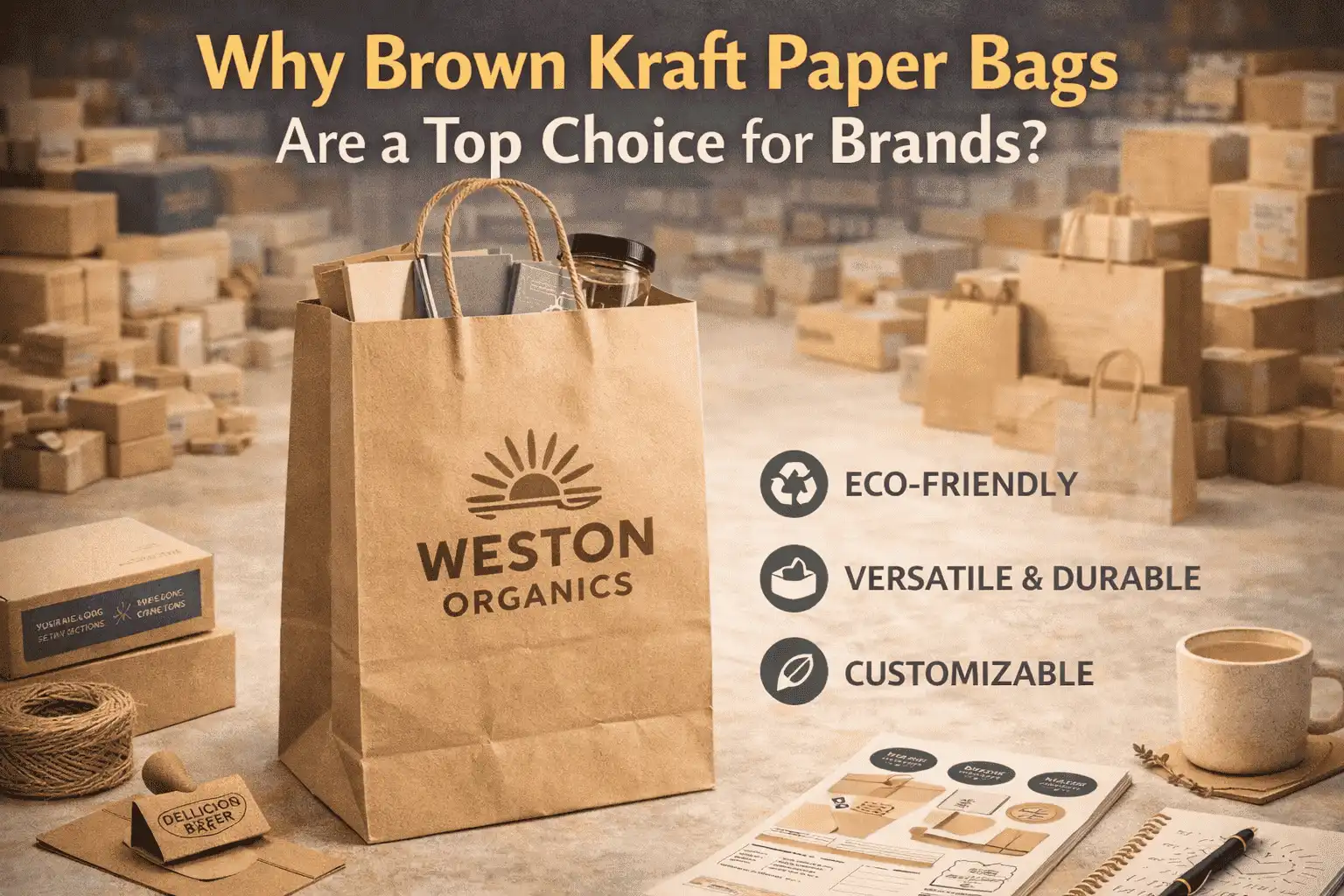
Understanding Brown Kraft Paper Bags: What Makes Them Unique?
Brown kraft paper bags have become popular as an eco-friendly, long-lasting, and flexible option to traditional materials for medium to large-sized businesses. These bags are made from unbleached wood pulp using the kraft process. They are very strong and won't tear easily. They are also biodegradable and recyclable, which are traits that customers and governments that care about the environment are increasingly demanding. Their natural look goes well with high-end branding, and their strength allows them to hold a wide range of products, from food to makeup. As procurement teams try to find a balance between environmental requirements and business efficiency, kraft paper bags are a great option that protects brand image, makes the shopping experience better for customers in stores and online, and meets environmental requirements.
The Manufacturing Process Behind Kraft Strength
Through chemical pulping, which gets rid of lignin while keeping cellulose strength, the kraft process turns wood chips into strong paper fibers. When this method of making paper is used, it has higher tensile strength than most packing products. The resulting threads don't break when they're under a lot of stress, so the bags can hold a lot of weight without breaking. When brands use these bags, their products are less likely to get damaged while being shipped and handled, which has a direct effect on customer happiness and return rates.
Material Variations to Meet Diverse Business Needs
These days, they make more than just plain old unbleached brown paper. They also make recyclable, laminated, and strengthened types. Some makers use water-based treatments that make the products more resistant to water damage without making them less compostable. Others have recycled content rates that range from 40% to 100%. This lets procurement teams choose materials that meet certain green goals. Knowing about these differences helps brands match bag specs to the needs of their products and their environmental goals.
Environmental Credentials That Matter to Stakeholders
Plastic lasts for hundreds of years, but brown kraft paper bags break down naturally in just 90 days under the right conditions for composting. In addition, they work well in city recycling programs, and make them release fewer carbon emissions than making new plastic. These bags support responsible forestry methods that keep ecosystems healthy and diverse when they come from FSC-certified sources. More and more, procurement professionals are realizing that choosing certified Kraft bags meets multiple ESG reporting requirements as well as store requirements for eco-friendly packing.
How Kraft Compares to Other Eco-Friendly Alternatives
Compared to cotton totes, making kraft paper bags uses a lot less water and energy, and they're convenient for people who don't want to carry around reusable bags because they only need to be used once. Compared to recyclable plastics, it is easier to recycle kraft paper because the machinery is already in place. When transportation effects are taken into account, the material does well in lifetime studies because it is lighter than heavier options like glass or rigid containers, which means less pollution is released during shipping.
Key Benefits of Brown Kraft Paper Bags for Brands
When brands switch to kraft paper bags, they find benefits that go beyond protecting the environment. These benefits include better business efficiency and how customers see the brand. These benefits immediately help packaging engineers, product managers, and supply chain leaders who have to balance a lot of different performance factors.
Superior Durability Across Supply Chain Touchpoints
Good Kraft paper bags can handle the rough conditions of storage, processing, and last-mile delivery. Because they don't tear easily, they can hold goods with sharp edges without needing extra packing, which saves money on materials. Some styles have strengthened ends and side gussets that spread weight out evenly and can hold up to fifteen pounds. Applying waterproofing solutions using long-lasting coating technologies keeps things safe when they're exposed to bad weather, which is a regular problem in outdoor stores and delivery situations.
Branding Flexibility That Enhances Market Positioning
When the right paint technologies are used with custom printing on kraft materials, vivid colors can be reproduced. Brands can use complex designs that show quality and attention to detail by using gradient effects, shiny highlights, and detailed images. The natural brown background gives the image warmth that people associate with being real and caring for the environment. Handle types range from curled paper to flat ribbon, and each adds to the excitement of unboxing, which encourages people to share on social media and buy again.
Cost-Effective Procurement for Volume Orders
When you buy Kraft paper bags in bulk, you get economies of scale that make them competitive with other types of packing. Many sellers have tiered price systems, which means that the cost per unit goes down a lot as the number of orders goes up. This helps subscription services and online stores that know exactly how much they will need to buy. As production capabilities have grown, minimum order amounts have become easier to meet. This means that new brands can get custom printing without having to pay huge setup fees. Standard specs usually have lead times of two to three weeks, which helps with flexible inventory management.
Comparing Kraft Paper Bags with Alternative Packaging Solutions
Before buying something, it's important to look at how kraft paper bags compare to other materials in terms of how well they work, how much they cost, and how environmentally friendly they are. This comparison gives procurement teams the information they need to explain to senior leadership and environmental groups why they chose the packaging they did.
Environmental Impact Across Material Lifecycles
According to lifetime assessment studies, Kraft paper bags make about 70% less greenhouse gas emissions during production than regular plastic bags. When they break down, they don't release microplastics that pollute the land and water. Cotton bags can be used again and again, but they need to be used about 130 times to make up for the higher environmental impact of their production—a number that many customers never reach. Laminated paper bags last longer, but they might need special recycling facilities, which makes the end-of-life process more complicated than with plain kraft paper bags.
Cost Efficiency in High-Volume Procurement
Costs per unit for kraft paper bags are usually between $0.15 and $0.45, based on size and amount of customization. This makes them a good alternative to more expensive options. Plastic bags may have been cheaper at first, but they are now being charged more by the government and consumers, which hurts the image of the brand. Cotton totes cost between $2 and $5 each, which makes them good for high-end markets but hard to afford for mass-market uses. For procurement teams, Kraft paper bags are a good compromise between cutting costs and sending a message of sustainability.
Functional Performance Under Real-World Conditions
When moving dry goods, packed items, and fairly heavy items, kraft paper bags keep their shape. They aren't as waterproof as plastic, but they breathe better than plastic, which is good for some food uses because it keeps wetness from building up. The way they stack in stores is more stable than thin plastic, and they take up less room than hard boxes. Knowing these performance traits helps brands match the packaging style to the type of product and the needs of the marketing route.
How to Choose the Right Kraft Paper Bag Supplier for Your Brand
Choosing the right supplier has a big impact on the quality of the product, the dependability of delivery, and the value of the long-term relationship. Professionals in procurement should look at possible partners based on more than just price quotes. They should also look at their technical skills and how open they are about how they run their business.
Quality Certifications That Validate Manufacturing Standards
ISO9001 certification shows that the company uses organized quality control methods to make sure that kraft paper bag standards don't change too much from one batch to the next. ISO14001 approval means that a company has environmental management systems in place that keep trash, emissions, and resource use under control during production. If a paper source is FSC certified, it means that they support responsible forest management and doesn't contribute to cutting down trees. G7 color management approval makes sure that printing is consistent, which keeps brand colors accurate across production runs. This is very important for brands that have strict rules about how they should look.
Evaluating Customization Capabilities and Limitations
Advanced providers have design teams that can make changes to the structure, like adding strengthened handles, unique sizes, and different types of closures for kraft paper bag products. They use flexographic, offset, and digital printing techniques, and each one works best for different order sizes and design levels. Brands can better plan their inventory investments when they know a supplier's minimum order amounts for custom specs. Transparency in lead times lets procurement teams schedule the supply of packing around new product launches and changes in seasonal demand.
Transparency in Sustainability Commitments and Practices
Reliable sellers give a lot of information about trash reduction programs, chemical approvals for inks and coatings, and the amount of recycled material. They are happy to share information about their carbon footprints for how they make things and how they move things. Some offer programs to take back old items or work with recycling groups to make ways for their goods to be used in the cycle economy. More and more, procurement experts are realizing that the sustainability practices of suppliers have a direct effect on the accuracy of a company's ESG reporting and the trustworthiness of its stakeholders.
Practical Applications and Use Cases of Brown Kraft Paper Bags
Because they can be customized to fit a wide range of products, brown kraft paper bags are used in many different businesses. Knowing about these uses helps procurement teams find chances to standardize packaging across product lines while still meeting the performance needs of each group.
Retail and E-Commerce Branding Enhancement
Specialty stores use custom-printed kraft paper bags to make opening fun experiences that customers will remember and share online. The feel of kraft paper shows that it was made with care and skill, which fits with premium marketing tactics. E-commerce delivery centers like that kraft paper bags can hold a range of product sizes without needing a lot of SKU-specific stock. Because the bags are light, they don't add to the physical weight charges that affect shipping costs. This directly lowers the costs of handling for businesses that sell directly to customers.
Food and Beverage Sector Compliance and Freshness
Kraft paper bags are safe for food as long as they are made with the right approvals and grease-resistant processes. Bakeries, coffee roasters, and specialty food makers use them to package takeout food in a way that lets air flow and keeps the food safe. Because the material lets air pass through it, condensation doesn't build up, which lowers the quality of goods in tight plastic packing. Organic and natural food brands find that Kraft paper bags help them place their products as more real by keeping the look and feel of the bags the same.
Industrial and OEM Supply Chain Applications
Kraft paper bags are used by companies that make parts to package them when static protection isn't needed, but dust and handle protection are. The bags have clear marking areas that can be used to keep track of supplies and identify items. When they are empty, their construction can be folded up, which saves storage space compared to rigid containers. Industrial buyers like how easily Kraft paper bags can be recycled with current programs. They don't need any special handling instructions or contamination worries that make trash management more difficult.
Conclusion
Brown Kraft paper bags are a smart way to package things because they meet the needs of the environment, brand differentiation, and operating efficiency all at the same time. Because they have been shown to last, can be customized, and are good for the environment, they are perfect for B2B buyers who have to manage large purchasing accounts that include a lot of different product types. As environmental standards continue to rise due to government regulations and rising customer expectations, kraft paper bags are a reliable way for brands to show their commitment to sustainability while still meeting the needs of supply lines. When procurement teams look at new packing options, kraft paper bags offer a good mix between being environmentally friendly and being useful for business needs.
FAQ
Are Brown Kraft Paper Bags Waterproof?
Standard kraft paper bags can handle some wetness, but not all of it. Manufacturers can use water-based or wax coats that are resistant to splashes and can handle short periods of contact with the weather. These methods keep the ability to be recycled and keep the goods safe from moisture and small amounts of liquid. If a brand needs full waterproof protection, they should ask for laminated choices or think about using kraft paper bags for extra packing.
How Do Kraft Bags Compare in Durability to Plastic?
Good quality kraft paper bags can hold as much or more than thin plastic bags and are more resistant to tears around handles and other stress points. They work better with goods that are angular or sharp and can easily cut plastic. Plastic bags are better in places with a lot of wetness, but kraft paper bags are durable enough for most stores, and e-commerce uses if they are properly described.
Can Kraft Paper Bags Be Composted?
In 90 days, industrial composting centers can break down kraft paper bags that are not coated. Composting at home works well for bags that don't have plastic coverings or lamination. Bags that don't have a lot of water-based coverings are still usually recyclable, though it may take a little longer. Brands should check with sources about coating specs to make sure that promises of compostability match up with actual end-of-life options.
Partner with Fetching Printing for Your Custom Kraft Paper Bag Solutions
Choosing the right kraft paper bag maker has a direct effect on how the product looks, how sustainable the goals are, and how efficiently the bags are made. With 25 years of experience in packing, Fetching Printing helps B2B buyers find reliable, flexible solutions that improve company identity. Along with our FSC credentials, our ISO9001 and ISO14001 certifications make sure that every bag meets the highest quality and environmental standards around the world. We keep up-to-date printing equipment, such as KBA and Heidelberg presses, that match colors perfectly and carry out complex designs perfectly. Our package engineering team works with procurement professionals to come up with structural specs, material choices, and finishing options that fit the needs of the product and the budget. We offer fast support from the initial idea to the final delivery, whether you need kraft paper bags for store settings, e-commerce fulfillment, or specific industry uses. Get in touch with our team at public@fetchingprinting.com to talk about your needs for a kraft paper bag seller and get detailed quotes that show you how much each option will cost.
References
1. Robertson, G.L. (2016). Food Packaging: Principles and Practice (3rd ed.). CRC Press.
2. Marsh, K. & Bugusu, B. (2007). "Food Packaging—Roles, Materials, and Environmental Issues." Journal of Food Science, 72(3), R39-R55.
3. Siracusa, V., Rocculi, P., Romani, S. & Rosa, M.D. (2008). "Biodegradable Polymers for Food Packaging: A Review." Trends in Food Science & Technology, 19(12), 634-643.
4. Emblem, A. & Emblem, H. (2012). Packaging Technology: Fundamentals, Materials and Processes. Woodhead Publishing.
5. Twede, D. & Goddard, R. (1998). "Materials and Development of Paper and Paperboard Packaging." In Handbook of Paper and Paperboard Packaging Technology. Blackwell Publishing.
6. Yam, K.L. (2009). The Wiley Encyclopedia of Packaging Technology (3rd ed.). John Wiley & Sons.

Based on your location and order quantity, you will have the opportunity to receive a limited time free shipping promotion!

Corporate Purpose