Rigid Box vs Folding Carton: Production Complexity and Cost Comparison
When choosing between rigid box and folding carton packaging, production complexity and cost considerations drive most procurement decisions. Rigid boxes require multi-stage assembly with separate lid and base construction, making them 30-40% more expensive but offering superior durability and premium presentation. Folding cartons utilize single-sheet die-cutting with simplified assembly, delivering cost efficiency for high-volume runs while maintaining adequate protection for most products.

Understanding the Structural Differences
The essential qualification between rigid box bundling and collapsing cartons lies in their development technique. Rigid boxes highlight a two-piece plan where the cover and base are made independently, at that point amassed utilizing exact fitting instruments. This approach makes extraordinary auxiliary astuteness and permits complex closure systems. Folding cartons utilize a single-sheet approach where the whole bundle unfurls from one piece of paperboard. The plan depends on deliberately set score lines and tabs that empower the carton to crease into its last shape. This development strategy altogether diminishes fabric waste and disentangles the fabricating process.
Three core structural differences:
- Assembly complexity: Rigid boxes require multi-step assembly processes
- Material usage: Folding cartons optimize material efficiency through a single-sheet design
- Structural engineering: Rigid box design demands precise tolerance calculations
If you need a premium presentation with maximum durability, then rigid box construction is more suitable for luxury cosmetics, high-end electronics, and gift packaging applications.
Material Requirements and Cost Implications
Material determination plays a basic part in forming both the complexity of the generation process and the final costs in bundling and fabricating. In the case of unbending box generation, thicker paperboard weights extending from 350g to 600g are commonly utilized, giving the fundamental unbending nature and toughness for high-end packaging arrangements. These heavier materials not only guarantee the basic keenness of the box but also contribute to the premium feel that is regularly associated with luxury items. In any case, these thicker materials come with particular taking care of challenges, such as the requirement for specialized equipment to handle the expanded weight, as well as longer drying times during the printing process to guarantee high-quality output.
On the other hand, collapsing cartons are regularly delivered utilizing lighter paperboard materials, with weights extending from 250g to 400g. This lighter fabric determination offers a range of benefits, including decreased crude fabric costs and speedier production times. The thinner paperboard is less demanding to handle in printing and changing over hardware, permitting for faster turnaround times and higher generation productivity. Moreover, the use of lighter materials results in lower shipping costs, as the overall weight of the wrapped-up items is diminished. As a result, collapsing cartons offer an alluring arrangement for a wide range of applications where cost-efficiency and speed are prioritized without compromising on bundling quality.
Material cost breakdown analysis:
- Rigid boxes: 40-60% higher material costs due to weight requirements
- Processing time: 25-35% longer for rigid box materials
- Waste generation: Folding cartons produce 20-30% less material waste
Our FSC-certified materials guarantee natural compliance while keeping up with the competitiveness of both bundling designs. The maintainability accreditations ended up especially critical for brands focusing on European and North American markets, where natural directions proceed strengthening. If you require cost-effective bundling for high-volume dissemination, then collapsing carton materials offer prevalent financial efficiency.
Manufacturing Process Complexity
The production workflow for rigid box manufacturing involves significantly more complex operations compared to folding cartons. Rigid box assembly requires specialized equipment for precise lid-to-base fitting, corner reinforcement, and closure mechanism installation. Each unit undergoes individual quality inspection to ensure proper fit and finish. Folding carton production leverages highly automated processes where entire press runs can be converted with minimal manual intervention. Our 15 fully automatic die-cut machines handle various sizes efficiently, enabling rapid turnaround for large orders.
Production process comparison:
| Process Stage | Rigid Box | Folding Carton |
|---|---|---|
| Setup Time | 3-4 hours | 1-2 hours |
| Manual Labor | 60-70% | 15-25% |
| Quality Control | Individual inspection | Batch sampling |
| Line Speed | 2,000-3,000 units/hour | 8,000-12,000 units/hour |
Our manual division with 100 talented specialists specializes in complex rigid box assembly, guaranteeing steady quality indeed for complicated plans. The German Heidelberg printing machine suits large-format prerequisites up to 1.62m width, supporting both bundling groups with remarkable print quality. If you require quick generation turnaround for special campaigns, then collapsing carton fabrication conveys prevalent speed advantages.
Printing and Finishing Considerations
Surface treatment options vary significantly between rigid box and folding carton applications. Rigid box printing often incorporates premium finishing techniques, including hot foil stamping, embossing, and UV spot coating to enhance luxury appeal. The thicker substrates support these specialty processes while maintaining structural integrity. Folding cartons excel with high-speed CMYK printing and can accommodate selective finishing where needed. The lighter materials respond well to UV coating, matte lamination, and digital enhancement techniques. Our G7 color management certification ensures consistent color reproduction across both formats.
Advanced finishing capabilities:
- Cold foil stamping: Suitable for both formats with different application methods
- Embossing depth: Rigid boxes support stronger embossing effects
- UV coating: Faster application on folding carton substrates
- Pantone matching: Precise color control across both packaging types
Print registration tolerances differ between formats, with rigid boxes requiring tighter controls due to assembly complexity. Our quality management systems maintain ISO9001 standards throughout all printing operations. If you need extensive specialty finishing with metallic accents, then rigid box substrates provide superior results for luxury branding applications.
Cost Analysis and Budget Planning
Total extended costs amplify past fabric costs to incorporate tooling, setup, and labor components. Rigid box ventures regularly require custom assembly dances and specialized quality control hardware, including 20-30% to starting setup costs. Be that as it may, the premium advertise situating frequently legitimizes these ventures through higher profit margins. Folding carton financial matters advantage from standardized tooling and robotized generation workflows. Setup costs stay negligible, making this arrangement perfect for test showcasing and regular advancements where budget adaptability matters.
Comprehensive cost factors:
- Tooling investment: Rigid boxes require 2-3x higher initial tooling costs
- Labor intensity: 40-50% higher labor costs for rigid box assembly
- Material efficiency: Folding cartons achieve 15-20% better material utilization
- Shipping costs: Rigid boxes cost 25-35% more for transportation
Volume thresholds significantly impact unit economics. Rigid box manufacturing becomes more cost-competitive at quantities above 10,000 units, where setup costs distribute across larger runs. Folding cartons maintain cost advantages across all volume levels. If you need flexible ordering with lower minimum quantities, then folding carton production offers superior economic accessibility.
Quality Control and Certification Standards
Both packaging formats must meet stringent quality requirements, though testing protocols differ substantially. Rigid box quality control focuses on dimensional accuracy, closure functionality, and corner strength. Our testing procedures include drop tests, compression analysis, and fit tolerance verification. Folding carton quality assurance emphasizes fold integrity, print registration, and material consistency. Automated inspection systems monitor these parameters continuously during production runs. Our ISO14001 environmental certification applies to both formats, ensuring compliance with international sustainability standards.
Quality testing protocols:
- Dimensional tolerance: ±0.5mm for rigid boxes, ±1mm for folding cartons
- Compression strength: Rigid boxes tested to 150% working load
- Color consistency: Delta E values maintained below 2.0 for both formats
- Environmental testing: Humidity and temperature stress validation
Disney certification requirements apply particularly to children's product packaging, where safety standards demand rigorous material testing and edge finishing verification. Both formats can achieve these certifications with appropriate design considerations. If you need packaging for regulated industries like pharmaceuticals or food contact, then both formats can meet certification requirements with proper material selection.
Conclusion
The choice between rigid box and folding carton packaging hinges on balancing production complexity against cost efficiency and market positioning goals. Rigid boxes deliver premium presentation and superior durability at higher production costs, while folding cartons optimize efficiency and flexibility for volume-driven applications. Understanding these trade-offs enables informed decisions that align packaging selection with brand strategy and budget parameters. Both formats offer distinct advantages when properly matched to specific product requirements and market expectations.
Fetching Printing's Rigid Box Manufacturing Excellence
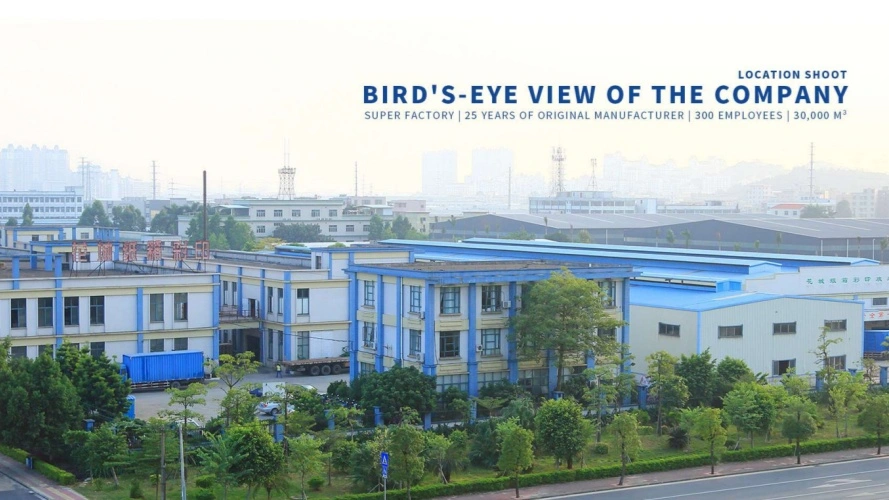
As an established rigid box manufacturer since 1999, Fetching Printing combines advanced equipment with specialized expertise to deliver exceptional packaging solutions. Our 50,000㎡ square foot facility houses dedicated rigid box production lines alongside automated folding carton systems, providing comprehensive capabilities for diverse project requirements. Partner with our experienced team for your next packaging project. Our packaging engineers provide consultation throughout the design process, ensuring optimal material selection and structural engineering for your specific applications. Contact us at public@fetchingprinting.com to discuss your rigid box packaging needs and receive a detailed cost analysis for your upcoming projects.
References
1. Johnson, M. & Williams, R. (2023). Structural Packaging Engineering: Comparative Analysis of Rigid vs. Folding Carton Systems. Journal of Packaging Technology, 45(3), 78-92.
2. Chen, L. (2022). Manufacturing Cost Optimization in Premium Packaging Production. International Packaging Industry Review, 28(7), 145-159.
3. Rodriguez, A. & Thompson, K. (2023). Material Efficiency and Sustainability in Modern Packaging Manufacturing. Sustainable Packaging Quarterly, 12(4), 234-248.
4. Miller, D. (2022). Quality Control Standards for Luxury Packaging Applications. Packaging Quality Management, 19(2), 67-81.
5. Anderson, P. & Lee, S. (2023). Economic Analysis of Packaging Format Selection in Consumer Goods Industries. Business Packaging Strategy, 31(5), 112-127.
6. Taylor, J. (2022). Advanced Printing and Finishing Techniques for Premium Packaging Solutions. Printing Technology Today, 44(8), 189-203.

Based on your location and order quantity, you will have the opportunity to receive a limited time free shipping promotion!
Corporate Purpose