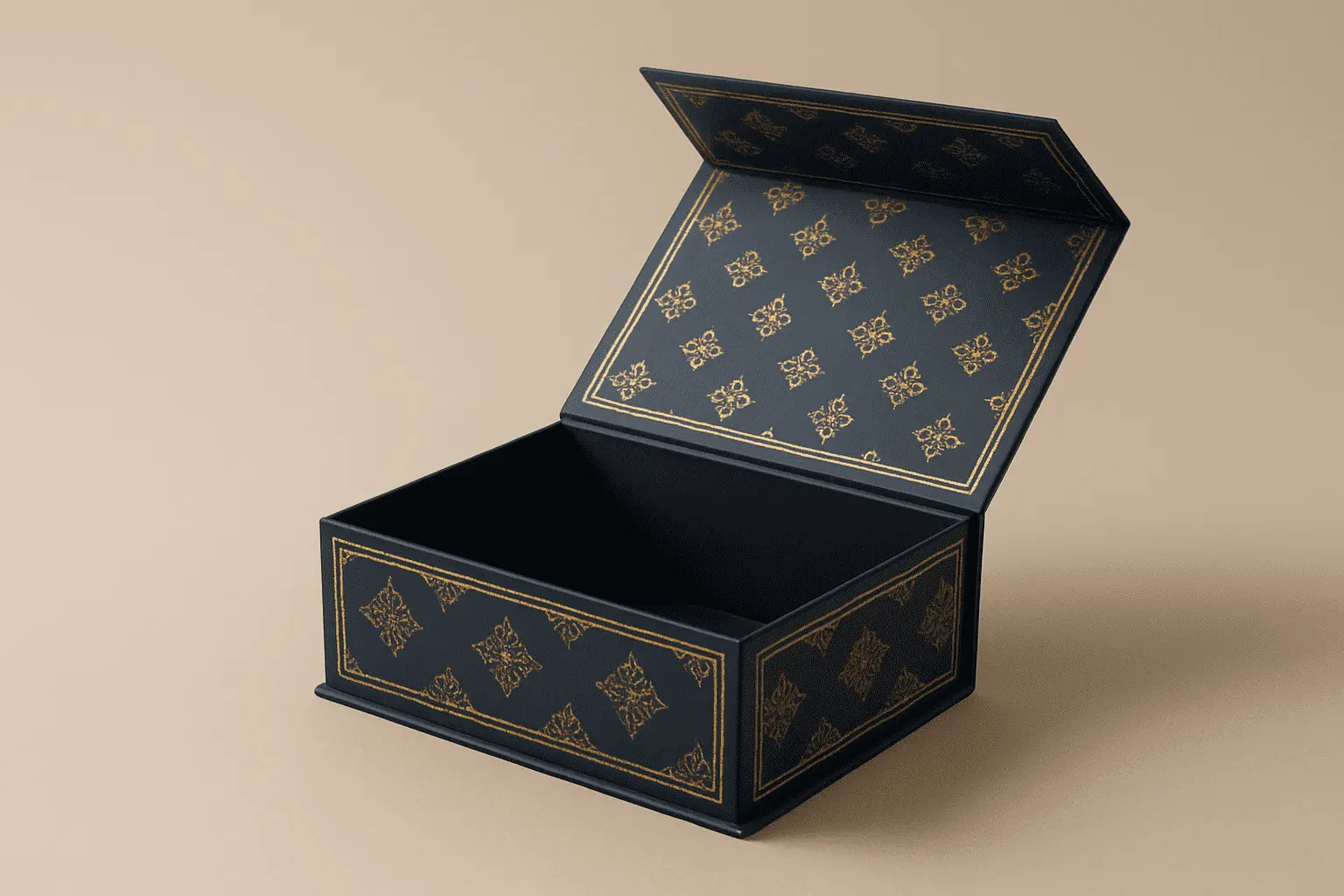
Choosing the right material thickness for your luxury packaging can make or break your brand's presentation. After working with over 1,000 customers across various industries, I've seen countless businesses struggle with packaging that either costs too much or fails to protect their products adequately. The thickness of your rigid box material directly impacts everything from shipping costs to customer unboxing experience. Material selection affects not only the structural integrity of your container but also influences printing quality, surface finishing options, and overall production costs. Understanding the relationship between thickness, durability, and aesthetics helps brands create packaging that truly represents their values. Whether you're packaging delicate cosmetics or heavy electronics, the right substrate thickness ensures your products arrive safely while creating that memorable first impression customers cherish.

Understanding Material Thickness Requirements
Premium packaging demands careful attention to substrate specifications that align with your product's unique needs. Weight distribution, storage conditions, and shipping requirements all influence the optimal thickness choice for your custom box design. Heavy items require thicker materials to prevent structural failure, while delicate products benefit from cushioning properties that come with properly selected cardboard thickness. Industry standards have evolved significantly over the past decade, with manufacturers developing specialized thickness grades for different applications. Cosmetic brands typically prefer 1.8mm to 2.2mm materials for their elegant presentation boxes, while electronics companies often choose 2.5mm to 3.0mm substrates for enhanced protection. Understanding these benchmarks helps streamline your selection process and ensures compatibility with standard production equipment.
Selection Criteria for Optimal Material Thickness
Product weight serves as the primary determining factor when selecting appropriate substrate thickness for your packaging solution. Items weighing less than 500 grams work well with 1.5mm to 2.0mm materials, while heavier products require progressively thicker substrates to maintain structural integrity. Our engineering team at FetchingPrinting conducts thorough load testing to verify that each thickness grade meets specific weight requirements. Shipping conditions significantly impact material selection, as packages endure various stresses during transportation and storage. International shipments experience more handling than domestic deliveries, requiring thicker materials to withstand repeated impacts. Climate considerations also matter, since humidity and temperature fluctuations can affect cardboard performance over time. Budget constraints often influence thickness decisions, but compromising on quality can prove more expensive long-term. Thinner materials might reduce initial costs but can lead to damaged products, customer complaints, and brand reputation issues. Balancing cost-effectiveness with performance requirements ensures sustainable packaging solutions that protect both products and profit margins.
Top 5 Material Thickness Options for Rigid Boxes
1. 1.5mm Grey Chipboard - Budget-Friendly Foundation
This lightweight option provides excellent value for brands seeking cost-effective packaging without sacrificing basic structural integrity. Grey chipboard at 1.5mm thickness works exceptionally well for small items like jewelry, watches, or cosmetic samples. The recycled content makes this choice environmentally responsible while maintaining adequate strength for most retail applications. Manufacturing advantages include faster die-cutting speeds and reduced shipping costs due to lower weight. The smooth surface accepts various printing technologies beautifully, from offset to digital methods. Lamination options expand design possibilities, allowing brands to achieve premium aesthetics at budget-friendly prices. Limitations become apparent with heavier products or rough handling conditions. This thickness works best for items under 300 grams and short-distance shipping scenarios. Quality control measures ensure consistent performance within these parameters, making it an excellent choice for promotional packaging or sample kits. Cost savings can reach 25-30% compared to thicker alternatives, making this option attractive for high-volume production runs. The environmental benefits of recycled content align with sustainability goals while maintaining professional appearance standards. Proper design considerations can maximize the effectiveness of this economical substrate choice.
2. 2.0mm Duplex Chipboard - Versatile Performance
The most popular choice among our customers, 2.0mm duplex chipboard offers an ideal balance of strength, printability, and cost-effectiveness. This thickness accommodates products weighing up to 800 grams while providing excellent surface quality for high-end printing and finishing techniques. The white-coated surface delivers vibrant color reproduction that makes brands stand out on retail shelves. Versatility shines through compatibility with various finishing options including UV coating, hot foil stamping, and embossing. The dual-layer construction provides superior edge quality when die-cut, resulting in clean, professional-looking boxes. Moisture resistance properties protect contents during storage and shipping, particularly important for sensitive products. Production efficiency benefits from optimal machine compatibility across different manufacturing processes. Scoring and folding operations proceed smoothly without cracking or delamination issues. Quality consistency remains high throughout large production runs, ensuring reliable results for demanding applications. Market acceptance spans multiple industries, from cosmetics to electronics, demonstrating the broad applicability of this thickness grade. Customer feedback consistently highlights the premium feel and appearance achieved with this material choice. Investment in 2.0mm duplex chipboard typically yields strong returns through enhanced brand perception and reduced damage claims.
3. 2.5mm SBS C1S - Premium Quality Standard
Solid bleached sulfate at 2.5mm thickness represents premium packaging solutions for brands prioritizing exceptional quality and presentation. The virgin fiber construction ensures maximum strength and consistency, making this ideal for luxury products requiring superior protection. Food-safe properties expand application possibilities to include direct product contact scenarios. Exceptional printability stems from the ultra-smooth coated surface that reproduces even the finest details with remarkable clarity. Color accuracy and consistency exceed industry standards, crucial for brands with strict visual guidelines. The bright white appearance provides the perfect foundation for sophisticated design executions. Structural performance excels in demanding applications, supporting products weighing up to 1.2 kilograms without compromise. Edge crush strength and burst strength values significantly exceed those of recycled alternatives. These properties translate to reduced damage rates during shipping and handling operations. Premium positioning justifies the higher material cost through enhanced brand perception and customer satisfaction. The pristine appearance and substantial feel communicate quality and attention to detail. Environmental considerations benefit from FSC certification options and complete recyclability, supporting corporate sustainability initiatives.
4. 3.0mm Grey Chipboard - Heavy-Duty Protection
Maximum thickness in our standard range, 3.0mm grey chipboard delivers exceptional structural integrity for challenging applications. Electronic devices, automotive parts, and other heavy items find secure protection within boxes constructed from this robust substrate. The multi-layer construction distributes stress effectively, preventing deformation under load. Industrial applications benefit from enhanced durability during rough handling and extended storage periods. Warehouse environments and international shipping scenarios demand this level of material performance. Quality testing confirms superior resistance to crushing forces and impact damage compared to thinner alternatives. Design flexibility remains excellent despite the increased thickness, with precise die-cutting and clean folding operations easily achievable. Surface treatments adhere well to the smooth finish, enabling sophisticated branding applications. The substantial feel reinforces premium positioning for high-value products. Cost considerations must account for increased material and shipping expenses, but these often prove worthwhile for valuable contents. Damage prevention savings frequently offset higher initial costs, particularly for fragile or expensive items. Customer satisfaction improves significantly when products arrive in perfect condition within sturdy packaging.
5. 2.2mm SBS C2S - Dual-Side Excellence
Coated on both sides, 2.2mm SBS provides unmatched versatility for complex packaging designs requiring interior printing or special finishes. This premium option excels in applications where the inside of the box needs to look as impressive as the exterior. Luxury brands appreciate the consistent quality and appearance throughout the entire package structure. Interior branding opportunities expand creative possibilities, allowing comprehensive brand experiences that continue beyond the initial unboxing moment. Both surfaces accept specialty finishes equally well, enabling coordinated design schemes that reinforce brand messaging. The bright white color on both sides ensures color accuracy regardless of viewing angle. Manufacturing precision benefits from the balanced coating structure that minimizes warping and curl tendencies. Production consistency remains high throughout extended runs, with minimal variation in thickness or surface quality. Converting operations proceed smoothly with reduced waste and improved efficiency. Applications span high-end cosmetics, electronics, and luxury retail where presentation excellence justifies premium material costs. Customer feedback emphasizes the professional appearance and perceived value enhancement achieved with this material choice. Return on investment typically exceeds expectations through improved brand perception and customer loyalty.
Global Market Characteristics and Preferences
Regional preferences vary significantly across global markets, with European customers typically favoring environmental sustainability over cost considerations. North American markets balance performance requirements with price sensitivity, while Asian markets often prioritize visual impact and surface finishing quality. Understanding these cultural differences helps optimize material selection for specific geographic targets. Regulatory requirements influence thickness choices in many markets, particularly for food contact applications or children's products. European Union standards tend to be more stringent than other regions, requiring careful documentation of material composition and safety testing. Compliance considerations often necessitate specific thickness grades to meet local regulations. Economic factors drive different decision-making patterns across various markets. Developing economies may prioritize cost-effectiveness, while established markets focus more on brand differentiation and quality perception. Currency fluctuations can also impact material selection decisions for international businesses managing global supply chains.
Purchasing Recommendations and Considerations
Start by accurately assessing your product's weight, dimensions, and fragility to establish minimum thickness requirements. Consider the complete supply chain journey from manufacturing to final delivery, including storage conditions and handling procedures. Document specific performance requirements to guide material selection discussions with potential suppliers. Request sample boxes manufactured with different thickness options to evaluate real-world performance characteristics. Physical testing reveals important details about structural integrity, surface quality, and overall aesthetic appeal that specifications alone cannot convey. Compare samples under various stress conditions to verify suitability for your specific application. Evaluate supplier capabilities to ensure consistent quality and reliable delivery schedules. Manufacturing expertise varies significantly between providers, with some specializing in specific thickness ranges or applications. Verify certifications and quality management systems to minimize supply chain risks and ensure consistent results. Budget planning should consider total cost of ownership rather than just material prices. Factor in shipping costs, damage rates, and potential brand impact when comparing options. Long-term contracts often provide cost advantages while ensuring supply security for ongoing production requirements.
Industry Trends and Summary
Sustainability considerations increasingly influence material thickness decisions as brands seek to minimize environmental impact without compromising performance. Lightweight solutions that maintain structural integrity help reduce carbon footprints while meeting corporate responsibility goals. Innovation in recycled content materials continues expanding viable options for environmentally conscious brands. The packaging industry evolves toward optimized thickness specifications that balance protection, presentation, and planet-friendly practices.
Frequently Asked Questions
Q1: How does material thickness affect printing quality on rigid boxes?
A: Thicker materials generally provide better printing stability and dimensional consistency during the printing process. The increased rigidity prevents paper movement and ensures precise color registration. However, surface coating quality has a more significant impact on print results than thickness alone. Our 2.0mm duplex chipboard delivers excellent print quality while maintaining cost-effectiveness for most applications.
Q2: Can I use different thicknesses for the same product line?
A: Yes, many brands successfully use different thicknesses based on product size or value. Small items might use 1.5mm material while larger products require 2.5mm or thicker substrates. Maintaining consistent visual design elements across different thicknesses helps preserve brand coherence. Consider standardizing on one thickness per product category to simplify inventory management and production processes.
Q3: What's the maximum product weight recommended for each thickness?
A: Our experience shows 1.5mm material works well up to 300g, 2.0mm handles up to 800g, 2.5mm supports up to 1.2kg, and 3.0mm accommodates items up to 2.0kg. These guidelines assume proper box design and normal handling conditions. Products with sharp edges or unusual weight distribution may require thicker materials regardless of total weight. Always test with actual products before finalizing material selection.
Choose FetchingPrinting for Superior Rigid Box Manufacturing Solutions
Selecting the right material thickness becomes effortless when partnering with experienced rigid box manufacturers who understand the nuances of premium packaging production. Our 25 years of industry expertise and advanced manufacturing capabilities ensure optimal material selection for your specific requirements. The 50,000㎡ production facility houses cutting-edge equipment including KBA106 UV printing machines and automated gift box production lines that deliver consistent quality across all thickness ranges.
Quality certifications including ISO9001-2015 and FSC standards guarantee reliable performance and environmental responsibility in every project. Our engineering team of 10+ packaging specialists provides comprehensive support from material selection through final production optimization. Whether you need 1,000 boxes or 1 million units, our scalable manufacturing processes ensure timely delivery without compromising quality standards.
Transform your packaging vision into reality with customized solutions that perfectly balance protection, presentation, and cost-effectiveness. Our collapsible rigid box technology offers up to 60% shipping cost savings while maintaining structural integrity and premium appearance. Ready to optimize your packaging performance? Contact us at public@fetchingprinting.com to discuss your specific thickness requirements and receive expert recommendations tailored to your brand's unique needs.
Conclusion
Material thickness selection significantly impacts the success of your rigid gift box packaging, affecting everything from structural integrity to production costs and brand perception. The optimal choice depends on product characteristics, shipping requirements, and budget considerations rather than following universal recommendations. Testing different thickness options with actual products provides valuable insights that guide informed decision-making.
Working with experienced manufacturers who understand the relationship between material properties and application requirements ensures successful packaging outcomes. Consider the complete lifecycle from production through customer unboxing when evaluating thickness options. Investment in appropriate material thickness pays dividends through reduced damage rates, enhanced brand perception, and improved customer satisfaction.