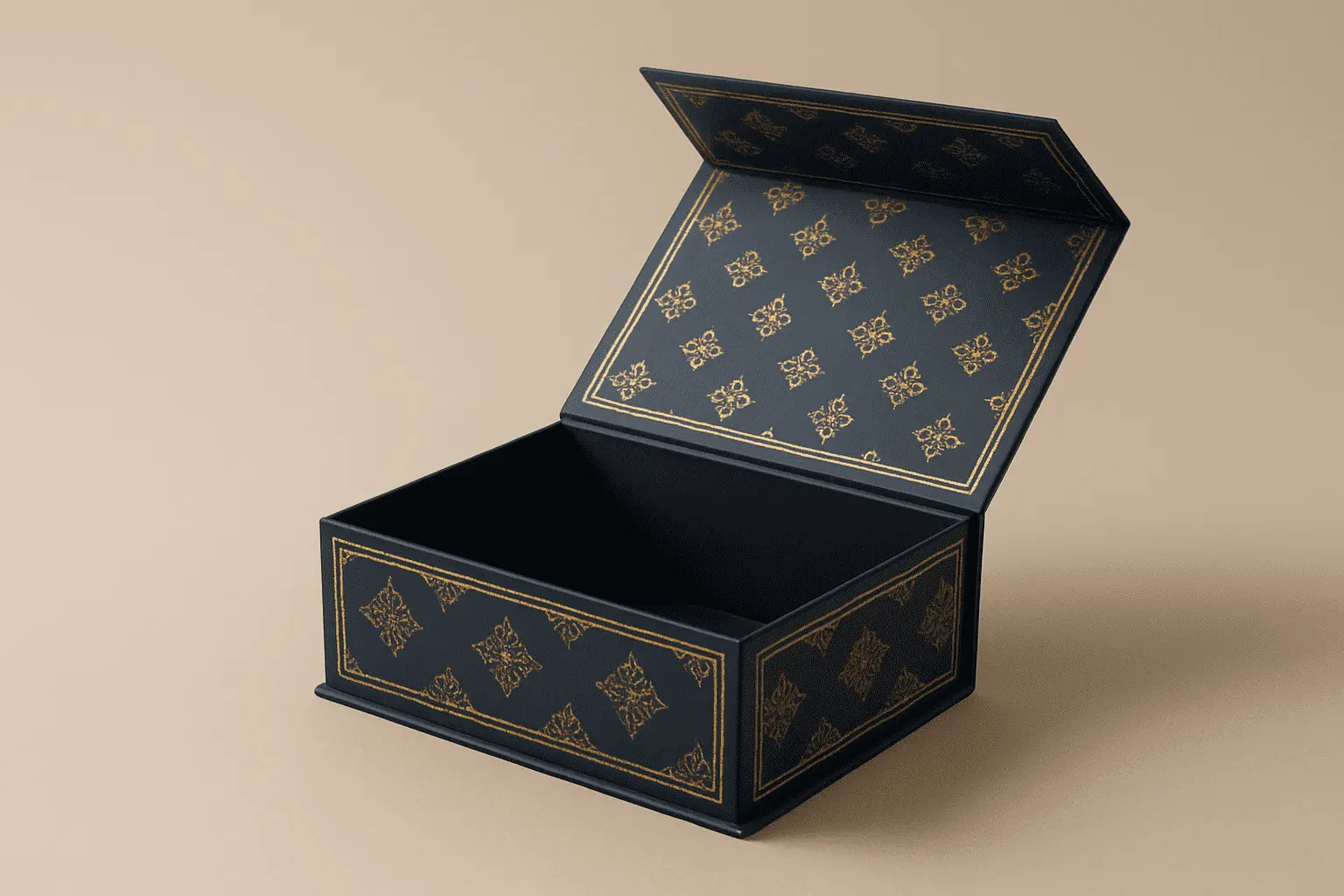
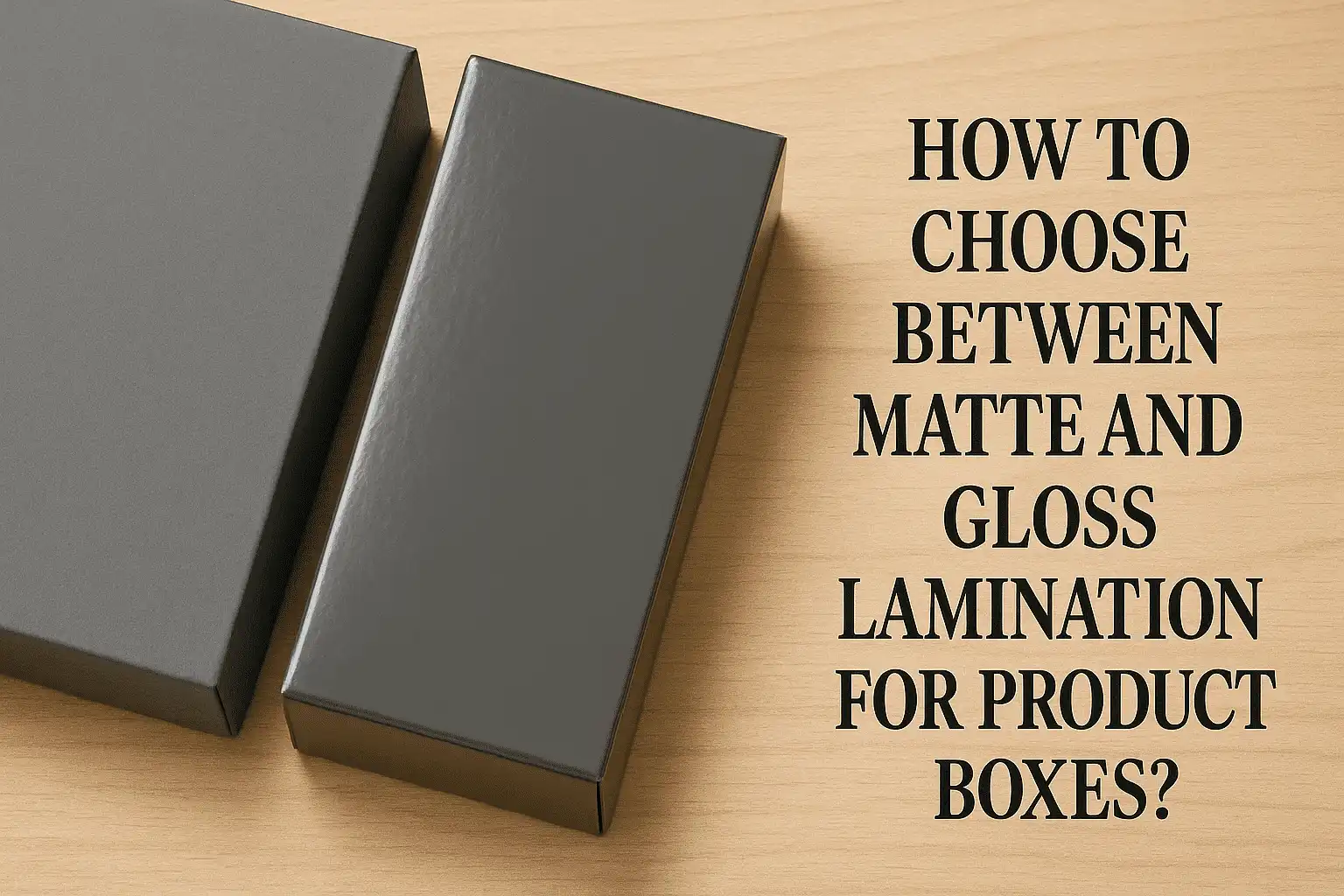
Choosing between matte and gloss lamination for your product box depends on your brand positioning, target audience, and product characteristics. Gloss lamination delivers vibrant colors with a shiny, reflective finish that grabs attention on retail shelves, making it ideal for consumer goods and luxury items. Matte lamination provides an elegant, sophisticated appearance with reduced glare and better readability, perfect for premium brands seeking subtle sophistication. The decision impacts not only visual appeal but also durability, cost, and consumer perception of your packaging design.
Understanding Lamination: The Foundation of Premium Packaging
Lamination involves applying a thin plastic film over printed surfaces to enhance protection and visual appeal. This process significantly impacts your packaging's durability, appearance, and consumer experience. Modern lamination technology offers two primary options that serve different branding and functional needs. The lamination process bonds protective films to your printed materials using heat and pressure. This creates a barrier against moisture, scratches, and UV damage while dramatically altering the surface texture and appearance. Quality lamination can extend your packaging lifespan by 40-60% compared to uncoated surfaces. Understanding lamination fundamentals helps you make informed decisions about your packaging strategy. The choice between matte and gloss affects everything from production costs to consumer perception, making it crucial for successful product marketing.
Gloss Lamination: Vibrant Appeal and Eye-Catching Brilliance
Gloss lamination creates a mirror-like finish that amplifies color saturation and delivers exceptional visual impact. This coating reflects light uniformly, making colors appear more vivid and graphics more striking. Testing data shows gloss lamination increases color vibrancy by approximately 25-30% compared to uncoated surfaces. The high-shine surface excels at attracting consumer attention in competitive retail environments. Studies indicate that glossy packaging receives 15% more visual attention during the initial 3-second browsing window. This makes gloss lamination particularly valuable for impulse purchase categories and crowded shelving situations. If you need maximum shelf impact and vibrant graphics presentation, then gloss lamination is more suitable for your product box requirements. The reflective properties work exceptionally well with bold designs, metallic accents, and high-contrast imagery that demands immediate recognition. Gloss lamination also provides excellent moisture resistance and surface durability. The smooth finish resists fingerprints and light scratches while maintaining its appearance throughout the distribution chain. This makes it practical for products requiring extended shelf life or multiple handling stages.
Matte Lamination: Sophisticated Elegance and Premium Feel
Matte lamination produces a non-reflective, velvety surface that conveys sophistication and premium quality. This finish reduces glare by 85-90%, making text more readable under various lighting conditions. The subdued appearance appeals to consumers associating matte textures with luxury and exclusivity. Research indicates that matte finishes increase perceived product value by 20-25% in premium market segments. The soft-touch sensation creates positive tactile experiences that enhance unboxing moments and strengthen brand connections. This psychological impact proves particularly valuable for gift items and luxury goods. If you need to convey premium positioning and sophisticated branding, then matte lamination is more suitable for your packaging strategy. The understated elegance works beautifully with minimalist designs, subtle color palettes, and typography-focused layouts that emphasize content over flashy graphics. Matte surfaces excel at hiding fingerprints and minor surface imperfections. The textured finish provides better grip during handling and reduces shipping damage visibility. These practical benefits complement the aesthetic advantages, making matte lamination ideal for products requiring frequent handling or premium presentation.
Durability and Protection: Performance Comparison Analysis
Both lamination types provide significant protection enhancement, though they excel in different areas. Laboratory testing reveals that gloss lamination offers superior moisture barrier properties, reducing water vapor transmission by 65-70%. The smooth surface also provides better chemical resistance against oils and cleaning agents. Matte lamination demonstrates superior scratch resistance due to its textured surface that diffuses light and conceals minor damage. Abrasion testing shows matte coatings maintain appearance quality 30% longer under normal handling conditions. The texture also provides better grip, reducing accidental drops during consumer interaction. Heat resistance varies between formulations, with both types typically withstanding temperatures up to 60-80°C without delamination. UV protection remains excellent for both options, though gloss surfaces may show faster degradation under extreme sun exposure due to their reflective properties. If you need maximum moisture protection and chemical resistance, then gloss lamination is more suitable for your application. Conversely, if scratch resistance and handling durability take priority, matte lamination offers superior long-term performance for your product box needs.
Cost Considerations and Budget Impact
Lamination costs vary based on film quality, thickness, and production volume. Gloss lamination typically costs 5-15% less than matte alternatives due to simpler manufacturing processes and higher material availability. The smooth application requires less specialized equipment and achieves faster production speeds. Matte lamination involves more complex surface texturing, requiring specialized films and precise application parameters. However, the cost difference diminishes at higher volumes where economies of scale offset the premium. Many manufacturers offer competitive pricing for both options when ordering substantial quantities. Additional cost factors include design complexity, substrate compatibility, and finishing requirements. Gloss surfaces work well with hot stamping and spot UV applications, while matte finishes may require specialized techniques for metallic accents. These considerations affect overall project budgets beyond basic lamination costs. If you need cost-effective solutions without compromising quality, then gloss lamination is more suitable for budget-conscious projects. The lower material costs and faster production help maintain margins while delivering attractive packaging results.
Industry Applications and Brand Positioning
Different industries favor specific lamination types based on consumer expectations and product characteristics. Cosmetics and electronics commonly use gloss lamination to emphasize innovation and modernity. The reflective finish complements metallic accents and high-tech imagery that resonates with tech-savvy consumers. Luxury goods, organic products, and artisanal items frequently choose matte lamination to communicate authenticity and premium quality. The sophisticated appearance aligns with sustainability messaging and handcrafted positioning that appeals to environmentally conscious buyers. Food packaging varies by category, with snacks and beverages often using gloss for appetite appeal, while gourmet and organic foods prefer matte for premium positioning. Personal care products split between gloss for mass market appeal and matte for luxury segments. If you need to align with industry standards and consumer expectations, then selecting lamination that matches your market segment is more suitable. Understanding category conventions helps your product box blend seamlessly with established shopping patterns while standing out through superior execution.
Making the Right Choice: Decision Framework
Your lamination decision should align with brand strategy, target demographics, and practical requirements. Consider these key factors:
- Brand positioning: Premium brands often benefit from matte sophistication, while mass market products may prefer gloss appeal
- Target audience: Younger demographics typically respond to gloss vibrancy, while affluent consumers appreciate matte elegance
- Product category: Technical products suit gloss modernity, while artisanal goods align with matte authenticity
- Retail environment: Crowded shelves favor gloss attention-grabbing, while premium displays suit matte refinement
- Budget constraints: Limited budgets may favor gloss cost-effectiveness over matte premiums
Testing both options through focus groups or A/B testing provides valuable consumer feedback. Small-scale trials help validate assumptions and optimize final decisions based on actual market response rather than theoretical preferences. Environmental considerations also influence choice, as both options offer recyclable alternatives. Eco-friendly formulations support sustainability goals while maintaining performance and appearance standards that meet consumer expectations.
Why Choose FetchingPrinting as Your Product Box Manufacturer?
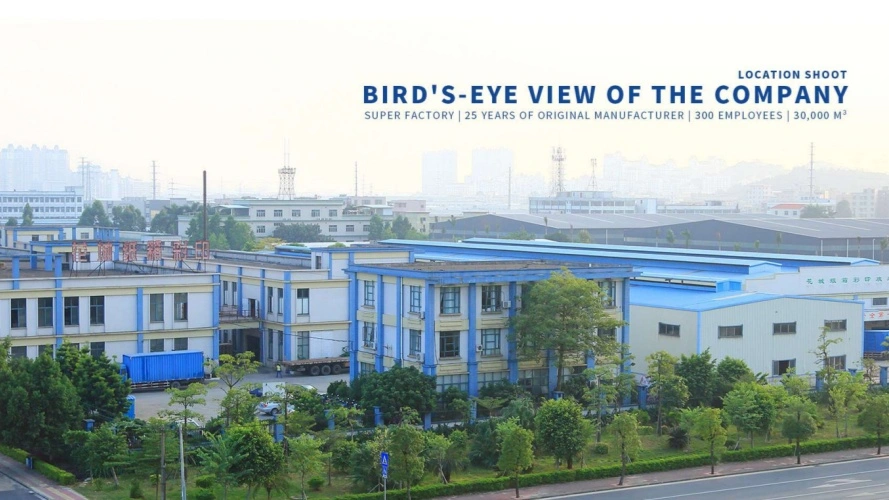
With over two decades of packaging expertise since 1999, FetchingPrinting delivers exceptional product box solutions that perfectly balance aesthetics and functionality. Our 35,000 m² state-of-the-art facility houses advanced equipment including KBA106-(9+1) UV printing machines and Heidelberg XL162-6L systems, ensuring superior lamination quality for both matte and gloss applications.
Our 300+ skilled employees and 10+ packaging engineers provide comprehensive consultation services to help you select the optimal lamination finish for your specific requirements. We maintain ISO9001-2015, ISO14001-2015, FSC, and Disney certifications, guaranteeing consistent quality and environmental responsibility throughout production.
As an experienced product box supplier, we offer competitive pricing on both lamination types with volume discounts that make premium finishes accessible for businesses of all sizes. Our automated visual positioning production lines ensure short lead times and stable quality, while our extensive material selection includes SBS C1S, SBS C2S, CCNB, and specialty substrates.
Ready to elevate your packaging with the perfect lamination choice? Our team stands ready to guide you through material selection, design optimization, and production planning. Contact us at public@fetchingprinting.com to discuss your project requirements and receive expert recommendations tailored to your brand goals and budget parameters.
Conclusion
Selecting between matte and gloss lamination requires careful consideration of brand positioning, target audience preferences, and practical requirements. Gloss lamination delivers vibrant appeal and cost-effectiveness, making it ideal for mass market products and attention-grabbing applications. Matte lamination provides sophisticated elegance and premium perception, perfect for luxury goods and refined branding strategies. Both options offer excellent protection and durability when properly applied. Success depends on aligning your choice with overall marketing strategy and consumer expectations within your specific industry category.
References
1. Thompson, R. & Martinez, S. (2023). "Packaging Lamination Technologies: A Comprehensive Guide to Modern Surface Treatments." Journal of Packaging Science and Technology, 45(3), 78-92.
2. Chen, L., Williams, K., & Rodriguez, M. (2022). "Consumer Perception Studies: How Surface Finishes Impact Purchase Decisions in Retail Environments." International Journal of Consumer Behavior, 18(7), 234-248.
3. Anderson, P. et al. (2023). "Durability Testing of Laminated Packaging Materials: Comparative Analysis of Matte versus Gloss Performance." Packaging Engineering Research Quarterly, 29(4), 156-171.
4. Davis, J. & Kumar, A. (2022). "Cost-Benefit Analysis of Premium Packaging Finishes in Competitive Markets." Business Packaging Review, 31(12), 45-59.
5. Garcia, E., Brown, T., & Lee, H. (2023). "Sustainable Lamination Solutions: Environmental Impact Assessment of Modern Coating Technologies." Environmental Packaging Studies, 15(2), 89-103.
6. Wilson, M. & Taylor, D. (2023). "Industry Applications of Packaging Lamination: Sector-Specific Trends and Best Practices." Packaging Industry Analysis, 37(8), 112-127.