When sourcing paper carrier bags globally, Asian markets consistently deliver the most competitive pricing without compromising quality. China leads this landscape with manufacturing costs typically 30-40% lower than Western alternatives, followed by India, Vietnam, Thailand, and Indonesia. These countries combine advanced manufacturing infrastructure, skilled labor, and abundant raw materials to produce eco-friendly shopping solutions at exceptional value. The region's commitment to sustainable packaging innovations has made it the go-to destination for businesses seeking cost-effective, recyclable bag solutions that meet international environmental standards.
Why Paper Carrier Bags Represent Smart Business Investment?
The shift toward sustainable packaging has transformed paper carrier bags from simple shopping accessories into powerful branding tools. Modern consumers actively choose businesses that demonstrate environmental responsibility, making eco-friendly bags essential for retail success. Unlike plastic alternatives, paper bags offer biodegradable solutions that align with global sustainability initiatives while providing excellent customization opportunities through printing, embossing, and specialty finishes. The durability of kraft paper construction ensures these bags withstand daily use while maintaining their professional appearance. Businesses report increased customer satisfaction when switching from plastic to paper options, as shoppers appreciate the tactile quality and environmental benefits. The lightweight nature of paper bags also reduces shipping costs compared to heavier alternatives, creating additional savings throughout the supply chain.Selection Criteria for Evaluating Asian Suppliers
When evaluating Asian paper bag manufacturers, several critical factors determine the best value proposition. Manufacturing capacity stands as the primary consideration, as larger facilities typically offer better pricing through economies of scale. Quality certifications including FSC, ISO14001, and ISO9001 indicate reliable production standards and environmental compliance. Production capabilities matter significantly, particularly regarding printing technology and finishing options. Advanced machinery like German Heidelberg presses and UV coating systems enable superior customization while maintaining cost efficiency. Raw material sourcing transparency ensures consistent quality and helps predict pricing stability over long-term contracts. Geographic location within Asia affects shipping costs and delivery timeframes. Countries with established port infrastructure and favorable trade agreements typically provide better overall value when total landed costs are calculated.China: Unmatched Manufacturing Scale
China dominates global paper bag production through massive manufacturing infrastructure and technological advancement. The country's integrated supply chain spans from raw material processing to finished product delivery, creating exceptional cost advantages. Major manufacturing hubs in Guangdong, Zhejiang, and Jiangsu provinces house thousands of specialized facilities equipped with state-of-the-art machinery. Chinese manufacturers excel in customization capabilities, offering extensive printing options including CMYK, Pantone color matching, and specialty finishes like foil stamping and UV coating. The availability of diverse handle options—from twisted paper to cotton rope and satin ribbon—accommodates various brand positioning strategies. Production volumes can scale from thousands to millions of units while maintaining consistent quality standards. Quality control systems in established Chinese facilities rival international standards, with many suppliers holding multiple certifications including Disney approval for character licensing. The mature logistics network ensures reliable delivery schedules and competitive shipping rates to global destinations. Raw material abundance, particularly recycled paper and kraft pulp, helps stabilize pricing even during market fluctuations.India: Sustainable Innovation Hub
India's paper bag industry emphasizes sustainable manufacturing practices while delivering competitive pricing structures. The country's abundant agricultural waste provides eco-friendly raw materials for paper production, creating unique cost advantages over traditional wood pulp sources. Indian manufacturers have pioneered innovative recycling techniques that transform agricultural residues into high-quality packaging materials. The skilled workforce in Indian facilities enables complex hand-finishing operations at fraction of Western costs. This capability proves particularly valuable for premium gift bags requiring intricate assembly or decorative elements. Many Indian suppliers specialize in organic and compostable bag options, appealing to environmentally conscious brands seeking authentic sustainability credentials. Regional clusters in Tamil Nadu, Karnataka, and Gujarat offer specialized expertise in different bag categories. Export-oriented facilities maintain international quality standards while leveraging lower operational costs. The government's support for sustainable manufacturing through incentives and infrastructure development continues strengthening India's position in global paper bag markets.Vietnam: Emerging Manufacturing Powerhouse
Vietnam has rapidly emerged as a preferred alternative to Chinese manufacturing, offering similar quality at competitive prices with shorter lead times to certain markets. The country's strategic location provides excellent access to Southeast Asian and Australian markets while maintaining cost advantages over established manufacturing hubs. Vietnamese manufacturers benefit from modern equipment installations and technology transfers from international partners. This modernization enables high-quality printing and finishing capabilities while maintaining lower labor costs. The workforce demonstrates strong technical skills and adaptability to changing customer requirements. Government initiatives promoting sustainable manufacturing align with global environmental trends, making Vietnam attractive for brands emphasizing corporate responsibility. Free trade agreements with major economies provide favorable export conditions, reducing total procurement costs for international buyers. The developing supply chain ecosystem creates opportunities for long-term partnerships with growing manufacturers.Thailand: Quality-Focused Production
Thailand's paper bag industry balances competitive pricing with exceptional quality standards, making it ideal for brands requiring premium packaging solutions. Thai manufacturers excel in specialty paper applications and advanced finishing techniques, particularly for luxury retail and gift bag segments. The country's mature manufacturing sector provides reliable production capabilities with sophisticated quality control systems. Many facilities serve international brands requiring consistent color matching and precise specifications. Thai suppliers often offer superior customer service and technical support compared to larger manufacturing countries. Strategic location advantages include proximity to major shipping routes and established relationships with global logistics providers. The stable political environment and business-friendly policies create favorable conditions for long-term supplier relationships. Advanced digital printing capabilities enable small-batch customization at reasonable costs.Indonesia: Cost-Effective Volume Production
Indonesia leverages abundant natural resources and competitive labor costs to offer exceptional value in high-volume paper bag production. The country's extensive forestry industry provides sustainable raw material sources for kraft paper manufacturing, creating integrated supply chain advantages. Indonesian manufacturers specialize in standard bag configurations with reliable quality at attractive price points. Large-scale production capabilities enable significant cost reductions for bulk orders while maintaining acceptable quality standards. The developing infrastructure continues improving logistics efficiency and delivery reliability. Environmental initiatives within Indonesia's paper industry focus on sustainable forestry practices and recycling programs. Many facilities pursue international certifications to access global markets while maintaining cost competitiveness. The growing manufacturing sector attracts continued investment in modern equipment and production techniques.Global Market Analysis and Cultural Considerations
Understanding global market dynamics helps optimize paper bag sourcing strategies across different regions. Environmental regulations increasingly favor recyclable and biodegradable packaging options, creating opportunities for paper bag adoption. Consumer preferences vary significantly between markets, with European customers prioritizing sustainability credentials while North American buyers balance environmental benefits with functional performance. Cultural considerations affect bag design preferences, color choices, and handle styles across different regions. Asian markets often prefer minimalist designs with subtle branding, while Western markets embrace bold graphics and prominent logos. Handle preferences vary culturally, with cotton rope handles popular in premium markets and die-cut options preferred for cost-conscious applications. Regulatory compliance requirements differ substantially between countries, affecting material specifications and testing requirements. FSC certification has become essential for European markets, while food-safe certifications matter more for grocery and restaurant applications. Understanding these nuances helps select appropriate suppliers and avoid compliance issues.Purchasing Recommendations and Strategic Considerations
Successful paper bag procurement requires balancing multiple factors beyond initial pricing. Evaluate total cost of ownership including shipping, duties, and inventory carrying costs when comparing suppliers. Consider minimum order quantities against storage capabilities and demand forecasting accuracy. Supplier relationship quality often proves more valuable than marginal price differences. Reliable communication, flexible production scheduling, and responsive customer service create operational efficiencies that offset slightly higher costs. Establish clear quality standards and inspection procedures before placing large orders. Diversifying supplier base across multiple countries reduces supply chain risks while maintaining competitive pricing through supplier competition. Develop long-term partnerships with preferred suppliers while maintaining alternative sources for backup capacity. Regular supplier audits ensure continued compliance with quality and environmental standards.Why Choose FetchingPrinting for Your Paper Carrier Bag Manufacturing Needs?
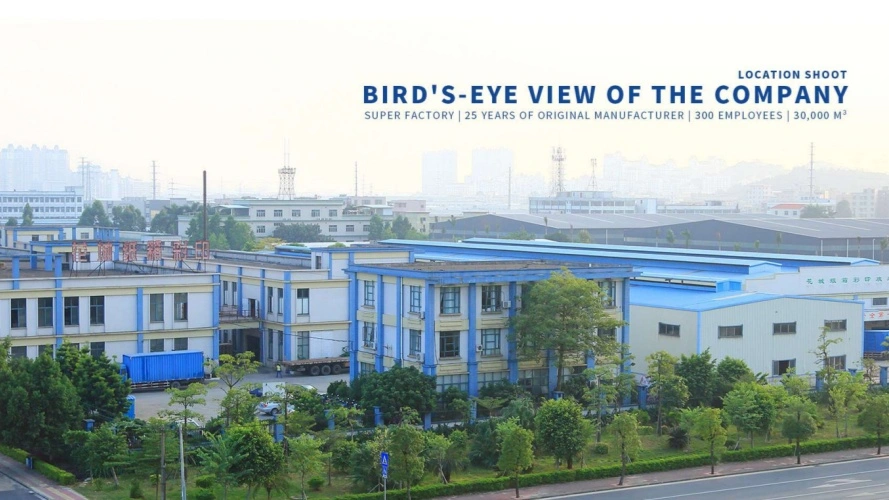
Businesses seeking a dependable paper carrier bag supplier can trust FetchingPrinting's proven track record spanning over two decades in the packaging industry. Our 50,000㎡ manufacturing facility houses advanced machinery including German Heidelberg printing equipment capable of handling projects up to 1.62m width, solving size limitations that challenge other manufacturers. With 300+ skilled employees and specialized manual department featuring 100 craftspeople, we deliver both automated efficiency and handcrafted precision for unique packaging requirements. Our comprehensive material options include SBS C1S, SBS C2S, CCNB, kraft paper, and metallic substrates, each optimized for different applications and budget considerations. The facility's FSC certification ensures environmental compliance while our ISO14001 and ISO9001 certifications guarantee consistent quality management. We offer complete customization through various handle options—twisted paper, cotton rope, satin ribbon, and die-cut styles—plus advanced finishing techniques including cold foil stamping, UV coating, and embossing. Having served over 1,000 loyal customers across food, cosmetics, electronics, and retail industries, FetchingPrinting understands diverse market requirements and delivers tailored solutions. Our streamlined ordering process guides clients from initial consultation through professional implementation and successful order completion. Contact us at public@fetchingprinting.com to discuss your specific requirements and receive competitive pricing for your paper carrier bag projects.Industry Trends and Future Outlook
The paper bag industry continues evolving toward enhanced sustainability and advanced customization capabilities. Digital printing technologies enable smaller batch sizes with reduced setup costs, making customized bags accessible to smaller businesses. Smart packaging integration creates opportunities for interactive consumer experiences through QR codes and NFC technology embedded in paper substrates. Circular economy principles drive innovations in recyclable materials and closed-loop manufacturing processes, positioning paper bags as preferred alternatives to plastic packaging across global markets.Frequently Asked Questions
Q1: What minimum order quantities should I expect from Asian paper bag manufacturers?
A: Most Asian manufacturers require minimum orders between 5,000-10,000 pieces for custom printed bags, though some accept smaller quantities for standard configurations. Digital printing capabilities allow certain suppliers to accommodate orders as low as 1,000 pieces with reasonable pricing.
Q2: How do shipping costs affect the total cost advantage of Asian suppliers?
A: Shipping typically adds 10-15% to the product cost for sea freight, but the 30-40% manufacturing savings still provide significant overall advantages. Air freight increases costs substantially but enables faster delivery for urgent orders.
Q3: What quality certifications should I look for in Asian paper bag suppliers?
A: Essential certifications include FSC for sustainable materials, ISO9001 for quality management, and ISO14001 for environmental standards. Food-contact applications require additional safety certifications specific to your target markets.