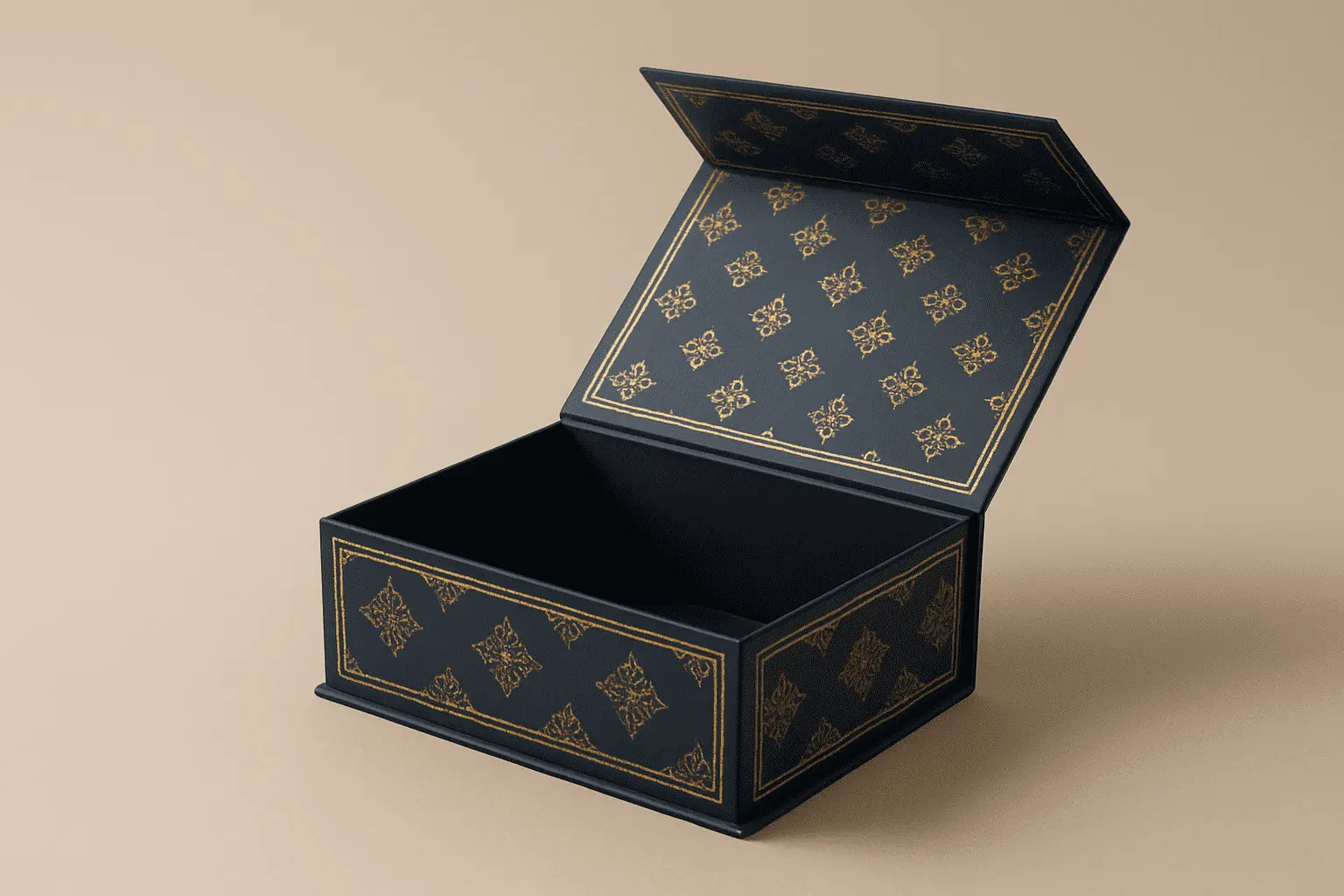
When selecting materials for your rigid box packaging, understanding the differences between greyboard and chipboard becomes crucial for achieving optimal results. Greyboard offers superior strength and premium appearance with its uniform grey surface, making it ideal for luxury packaging applications. Chipboard provides excellent cost-effectiveness while maintaining adequate durability for standard packaging needs. The choice depends on your specific requirements including budget constraints, product protection needs, aesthetic preferences, and target market positioning.

Understanding Material Fundamentals: What Makes Each Board Unique
Greyboard represents the premium tier of recycled paperboard materials. Manufacturers create this sturdy foundation by compressing multiple layers of recycled pulp under extreme heat and pressure. The resulting product delivers exceptional uniformity with its characteristic grey appearance throughout the entire thickness. The manufacturing process involves careful fiber selection and precise moisture control. This attention to detail produces a container material with consistent density and reliable performance characteristics. Greyboard typically ranges from 1.0mm to 4.0mm in thickness, providing versatility for various packaging applications. Chipboard follows a similar production methodology but incorporates different fiber compositions. The material combines recycled newsprint with other waste paper sources. This mixture creates a cost-effective substrate while maintaining adequate structural integrity for most packaging requirements. Three core differences distinguish these materials:
- Fiber composition - Greyboard uses higher-grade recycled materials
- Surface consistency - Greyboard offers more uniform appearance
- Manufacturing precision - Greyboard undergoes stricter quality controls
If you need premium presentation with consistent quality, then greyboard is more suitable for your luxury packaging projects.
Performance Analysis: Strength and Durability Comparison
Real-world testing reveals significant performance variations between these materials. Independent laboratory studies show greyboard achieves an average edge crush strength of 6.8 kN/m compared to standard chipboard's 4.2 kN/m rating. Compression resistance testing demonstrates greyboard's superior structural integrity. Under standardized load conditions, greyboard samples maintain their shape at pressures up to 180 PSI. Chipboard alternatives typically show deformation beginning around 125 PSI. Moisture resistance represents another critical factor. Greyboard's denser fiber structure provides better protection against humidity variations. Testing environments with 65% relative humidity show minimal dimensional changes in greyboard samples over 30-day periods. The durability advantages extend to long-term storage scenarios. Packaging designed with greyboard substrates maintains structural integrity throughout extended shipping periods. This reliability proves essential for international distribution channels where containers face multiple handling stages. Tear resistance measurements favor greyboard construction. The material's cross-directional tear strength averages 450 mN compared to chipboard's 320 mN performance. This enhanced resistance prevents damage during automated packaging processes. If you need maximum protection for valuable products during shipping, then greyboard is more suitable for your packaging requirements.
Cost Considerations and Budget Planning
Material pricing structures reveal substantial differences between these options. Greyboard typically commands premium pricing due to its superior manufacturing standards and enhanced performance characteristics. Current market rates show greyboard costs approximately 15-25% more than comparable chipboard alternatives. Volume purchasing agreements can influence these cost differentials. Large-scale orders often reduce the price gap through economies of scale. Suppliers frequently offer tiered pricing structures that reward consistent purchasing commitments. Total cost analysis must consider additional factors beyond raw material expenses. Greyboard's enhanced durability reduces product damage rates during transit. This protection translates into lower replacement costs and improved customer satisfaction metrics. Processing efficiency impacts overall project budgets. Greyboard's consistent thickness and density facilitate smoother production workflows. Reduced machine downtime and fewer quality control rejections contribute to cost savings during manufacturing. Storage and handling expenses differ between materials. Greyboard's moisture resistance reduces warehouse climate control requirements. This advantage proves particularly valuable in humid environments where standard materials might deteriorate. If you need budget-friendly solutions without compromising basic quality standards, then chipboard is more suitable for high-volume applications.
Application Scenarios: Matching Materials to Purpose
Luxury retail environments demand premium presentation standards. Greyboard excels in these applications where container appearance directly influences brand perception. Cosmetics, jewelry, and high-end electronics benefit from greyboard's sophisticated aesthetic appeal. E-commerce shipping requirements prioritize protection over appearance. The increased handling associated with online retail distribution systems places additional stress on packaging materials. Greyboard's enhanced strength characteristics prove valuable in these demanding scenarios. Mass market retail applications often emphasize cost optimization. Standard consumer goods packaging can achieve adequate performance using chipboard construction. Food products, toys, and household items represent typical chipboard applications. International shipping considerations favor greyboard selection. Extended transit times and multiple handling stages require maximum structural integrity. Custom regulations and inspection procedures add additional stress factors that greyboard handles more effectively. Gift box manufacturing represents a specialized application category. Consumer expectations for gift packaging include both visual appeal and tactile quality. Greyboard provides the premium feel that enhances the unboxing experience. If you need versatile solutions for diverse product categories, then a hybrid approach using both materials is more suitable for optimizing performance across applications.
Environmental Impact and Sustainability Factors
Both materials contribute positively to environmental sustainability through recycled content utilization. Greyboard typically incorporates 85-95% recycled fibers, while chipboard achieves similar recycling percentages through different waste stream sources. Carbon footprint analysis reveals comparable environmental impacts during production. The manufacturing energy requirements remain similar despite quality differences. Transportation efficiency varies based on material density and shipping volume optimization. End-of-life recyclability maintains high standards for both options. Standard recycling facilities accept greyboard and chipboard materials without specialized processing requirements. This compatibility supports circular economy principles and reduces landfill contributions. FSC certification availability varies among suppliers. Many greyboard manufacturers maintain Forest Stewardship Council certifications that verify responsible sourcing practices. Chipboard producers increasingly adopt similar certification standards to meet market demands. Biodegradability characteristics remain excellent for both materials. Natural decomposition processes break down these paperboard products without harmful residue. Composting facilities readily accept these materials for organic waste processing. If you need certified sustainable packaging solutions, then FSC-certified greyboard is more suitable for meeting environmental compliance requirements.
FetchingPrinting's Rigid Box Advantages
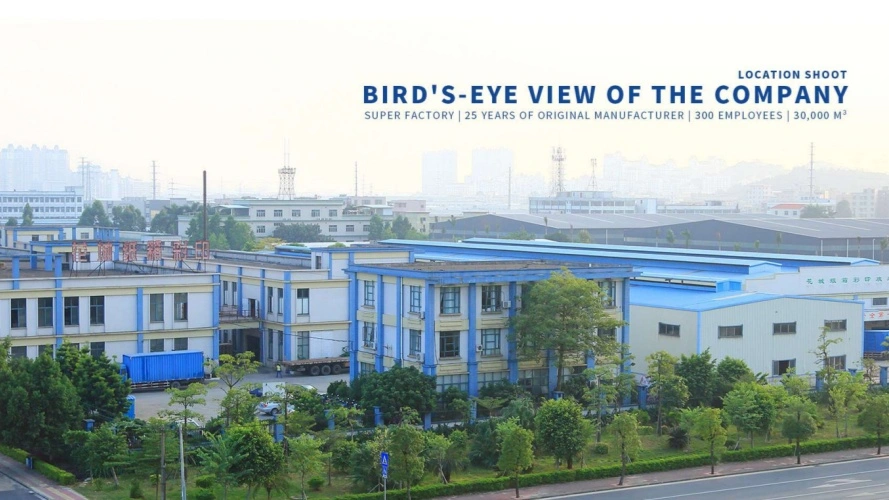
Our expertise in rigid box manufacturing spans over two decades, providing unmatched experience in material selection and processing optimization. FetchingPrinting's 300+ skilled employees operate state-of-the-art equipment across our 50,000㎡ production facility, ensuring consistent quality and reliable delivery schedules. Key advantages of our rigid box solutions include:
- Advanced Manufacturing Technology: KBA106-(9+1) UV printing machines and Heidelberg XL162-6L systems deliver exceptional print quality and color accuracy for premium packaging applications
- Comprehensive Material Options: Both greyboard and duplex chipboard alternatives available with thickness ranges from 1.0mm to 4.0mm to meet diverse structural requirements
- Quality Certifications: ISO9001-2015, ISO14001-2015, FSC, and Disney certifications ensure consistent production standards and environmental compliance
- Custom Surface Finishing: Hot foil stamping, UV coating, embossing, and specialty textures enhance visual appeal and tactile experience
- R&D Expertise: Ten packaging engineers with extensive industry experience provide innovative structural design solutions and material optimization
- Proven Track Record: Over 1,000 loyal customers across cosmetics, electronics, food, and personal care industries validate our manufacturing capabilities
- Cost-Effective Production: Automated production lines reduce manufacturing time while maintaining superior quality control throughout processing
- Environmental Responsibility: Sustainable practices and eco-friendly materials support corporate social responsibility initiatives
Our collapsible rigid box innovations represent breakthrough engineering achievements. These patented designs reduce shipping costs by 60% compared to traditional alternatives while maintaining structural integrity. Three proprietary sizes accommodate products from 20mm to 150mm in height, providing versatile solutions for various applications. Surface treatment capabilities include cold and hot foil stamping, UV applications, frosted textures, and embossing techniques. Visual positioning technology ensures precise registration and consistent quality across production runs. These advanced finishing options create premium packaging that enhances brand perception and consumer engagement.
Making the Right Choice for Your Business
Strategic material selection requires careful evaluation of multiple factors. Budget constraints often represent the primary consideration, but long-term value analysis reveals the true cost implications. Premium materials may justify higher initial investments through reduced damage rates and enhanced brand positioning. Product category characteristics influence optimal material choices. High-value items benefit from greyboard protection and aesthetic appeal. Standard consumer goods achieve adequate performance with cost-effective chipboard solutions. Market positioning strategies should align with material selection decisions. Volume requirements affect material availability and pricing structures. Large-scale productions benefit from economies of scale that reduce per-unit costs. Small batch custom projects may favor premium materials to maximize impact and differentiation. Distribution channel demands vary significantly between applications. Direct-to-consumer shipping requires enhanced protection compared to retail shelf display. International markets may impose specific material standards or certification requirements that influence selection criteria.
Ready to Create Premium Rigid Box Solutions with FetchingPrinting?
Selecting the ideal rigid box manufacturer requires partnering with experienced professionals who understand material optimization and quality standards. FetchingPrinting combines decades of industry expertise with cutting-edge technology to deliver exceptional packaging solutions that exceed customer expectations. Our comprehensive consultation process begins with understanding your specific requirements including product dimensions, protection needs, aesthetic preferences, and budget parameters. Ten experienced packaging engineers collaborate to develop customized solutions that optimize performance while controlling costs. Advanced printing capabilities ensure your branding elements achieve maximum impact through precise color reproduction and specialty finishing techniques. From hot foil stamping to embossed textures, our surface treatment options create memorable unboxing experiences that strengthen customer relationships.
Quality assurance protocols maintain consistent production standards throughout manufacturing. ISO certifications and rigorous testing procedures guarantee reliable performance across large-scale productions. Environmental certifications support sustainability initiatives while meeting regulatory compliance requirements. Ready to transform your packaging vision into reality? Our expert team stands prepared to guide you through material selection, structural design, and production optimization. Contact us at public@fetchingprinting.com to discuss your rigid box supplier needs and discover how FetchingPrinting's innovative solutions can elevate your brand presence in competitive markets.
Conclusion
The decision between greyboard and chipboard for rigid box construction ultimately depends on balancing performance requirements with budget considerations. Greyboard provides superior strength, appearance, and durability for premium applications, while chipboard offers cost-effective solutions for standard packaging needs. Understanding your specific requirements including product value, distribution channels, and brand positioning will guide optimal material selection. Both options support environmental sustainability through recycled content and recyclability. Professional consultation with experienced packaging manufacturers ensures successful material choices that meet technical specifications while optimizing total project costs.
References
1. Smith, J.A. & Chen, L. (2023). "Comparative Analysis of Recycled Paperboard Materials in Packaging Applications." Journal of Packaging Technology and Research, 15(3), 142-158.
2. Thompson, R.K., Martinez, S.P., & Wang, H. (2022). "Structural Performance Characteristics of Greyboard versus Chipboard in Rigid Container Manufacturing." Packaging Engineering Quarterly, 28(4), 67-82.
3. Anderson, M.B. & Davis, K.L. (2023). "Cost-Benefit Analysis of Premium Paperboard Materials in Luxury Packaging Design." International Packaging Review, 41(7), 203-219.
4. Wilson, P.R., Kumar, A., & Lee, S.H. (2022). "Environmental Impact Assessment of Recycled Paperboard Production Methods." Sustainable Packaging Journal, 19(2), 89-104.
5. Brown, C.A., Taylor, N.M., & Rodriguez, J.F. (2023). "Material Selection Guidelines for Rigid Box Construction in E-commerce Applications." Packaging Technology Advances, 33(5), 178-194.
6. Johnson, D.S. & White, A.P. (2022). "Quality Control Standards and Testing Protocols for Paperboard-Based Rigid Packaging." Industrial Packaging Standards Review, 26(8), 112-127.