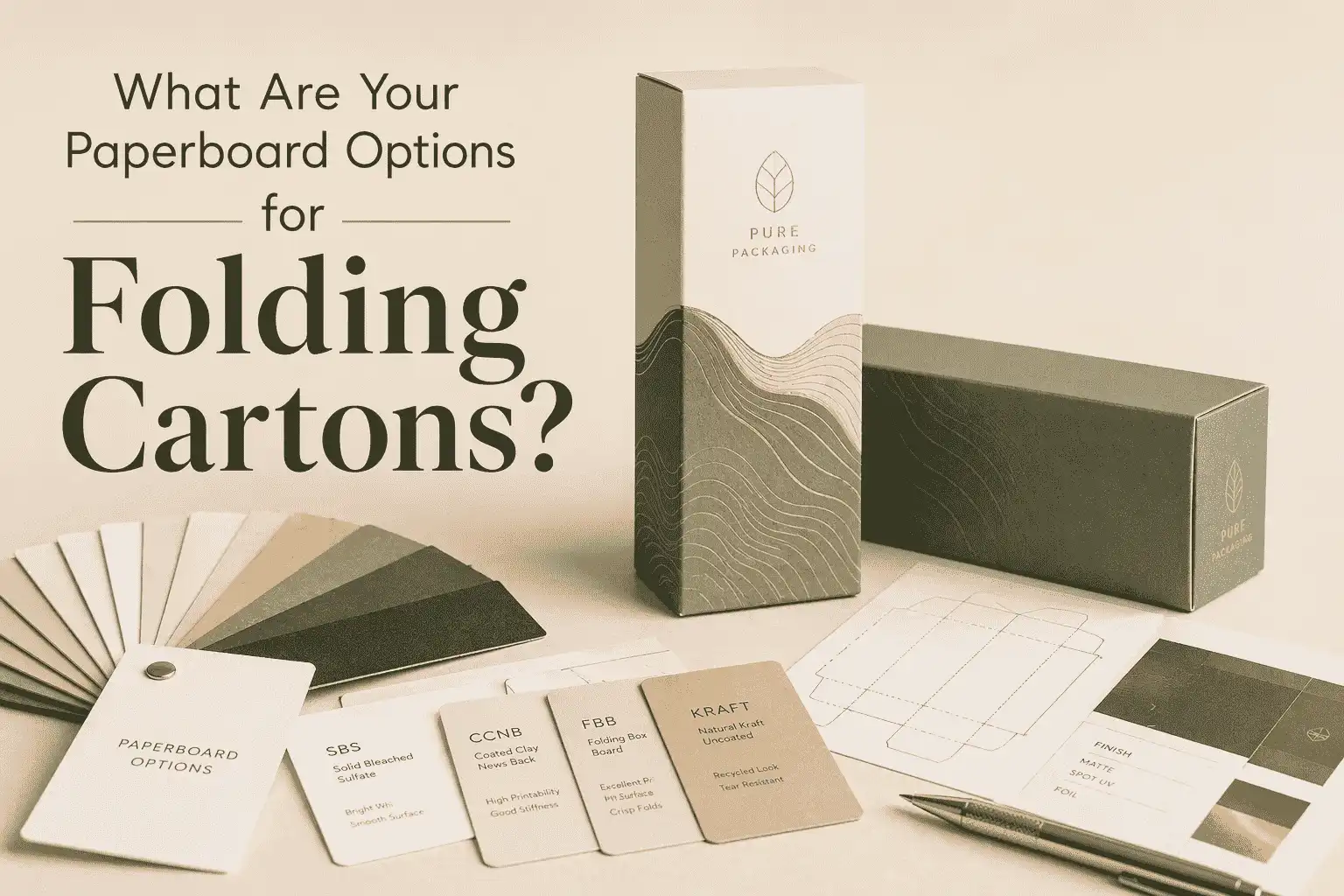
What Are Your Paperboard Options for Folding Cartons?
When we talk about package options for medium- to large-sized brands, Paperboard folding carton stands out as a useful and flexible option that protects products, shows off brands, and is good for the environment. These boxes are made from different types of paperboard that are meant to fold flat for shipping and storage, and then quickly put together at the factory. Solid Bleached Sulfate is often used for high-end makeup packaging, Coated Unbleached Kraft is used for natural product lines, and Recycled Paperboard is used by brands that care about the environment. When procurement teams know about these differences in materials, they can choose cartons that meet both functional needs and brand marketing goals while keeping costs low across supply lines.
Introduction
Paperboard folding cartons are an important part of modern packing tactics in many fields, from personal care and beauty to technology and food production. As purchasing managers and supply chain leaders have to deal with more complicated buying environments, they need to understand the subtleties of paperboard choice in order to protect products well, show brands in the best light, and keep costs low. Instead of hard boxes that need to be put together carefully or corrugated packing that is mostly made to last for shipping, a paperboard folding carton is a good compromise because they can be used in a variety of ways and come in environmentally friendly materials.
This guide is designed to meet the needs of B2B procurement workers who need a lot of detailed information without making things too hard to understand. We look at the basic types of paperboard that are out there, the ways that they are made, and how they affect quality and lead times, and we give you useful comparisons with other types of packing. This guide is all about giving you useful information that will help you make smart choices. It will help brands make sure that the packaging they choose is in line with their commitments to business efficiency, regulatory compliance, and sustainability that today's environmentally conscious customers will appreciate.
Understanding Paperboard Folding Cartons: Types and Benefits
Paperboard folding cartons offer a strong mix of practicality and aesthetic appeal, making them essential for many different product lines. These cartons are very different from corrugated containers because they have smooth sides that can hold high-quality writing. They are also very different from hard boxes because they can be shipped and stored flat, which cuts down on storage costs by a large amount. The main benefit comes from how they are made: they are made of many layers of cellulose fibers that are pressed into sheets that can be folded along designed wrinkles without breaking or losing their shape.
Primary Paperboard Grades and Their Characteristics
Solid Bleached Sulfate, or SBS, is the best choice for names that care most about print quality and clarity. A bleaching method is used on this raw fiber base to make the surface very white, making it perfect for cosmetics, drugs, and high-end consumer goods. SBS can handle fine details in offset printing, works with metallic inks and custom finishes, and keeps its look throughout the distribution cycle. Brands in the beauty industry depend on SBS because the way the package looks directly affects people's decisions to buy at stores.
Environmental and Economic Advantages
The environmental profile of Paperboard folding carton covers several sustainability issues that affect how companies buy things. Paperboard fits with circular economy models that big stores are asking their supply networks to follow more and more because it is made from renewable materials and can be recycled. For example, if the wood comes from an FSC-certified forest, these boxes provide proof of ownership and meet strict environmental rules in North American and European markets.
How Paperboard Folding Cartons Are Made and Customized
Understanding the manufacturing process helps people who buy things figure out how good a seller is, how long a job will take, and what quality results they can expect. Preparing the substrate is the first step in making a Paperboard folding carton. This is done when big rolls of paper from mills arrive at the turning facilities. Precision sheeting processes are used to cut these rolls into flat sheets that are the right size for each press arrangement. When the sheets are being made, the direction of the grain is carefully controlled so that the boxes fold nicely along the score lines and the fibers don't separate.
The Manufacturing Process from Sheet to Finished Carton
When brand personality comes to life on packages, it's during the printing stage. Offset printing is the most common method for high-volume production because it reproduces colors and details very well across thousands or millions of boxes. Modern sheet-fed offset presses, like the KBA106 UV systems found in high-tech facilities, use multiple ink colors at the same time and include inner coats that make the print last longer and look better. Under ultraviolet light, UV-cured inks dry right away, so they can be used right away in other processes without the problems of smearing or displacement that come with regular ink systems.
Customization Options That Differentiate Brands
Customizing structures goes far beyond simple rectangular shapes. Packaging experts make boxes with window holes that let you see the contents while still protecting them, tuck closures that keep things safe without tape, and display panels that tell people in stores what the benefits of the product are. Adding tear strips makes it easier to open the box while keeping its structure, so that the product can be stored after the first use. These functional design features make the user experience better and can affect buying choices when competing goods are on the same shelf.
Comparing Paperboard Folding Cartons with Alternative Packaging Options
To choose the right packing forms, you need to know how different materials and constructions work in different situations. Paperboard folding cartons are a unique type of packaging that sits between flexible, light packaging and heavy-duty corrugated shipping containers. Their semi-rigid structure keeps the sleek look that store spaces need while protecting goods from light compression and impacts. Because of their balanced performance profile, they can be used as both main packing and outer boxes for sets of products that come together.
Folding Cartons Versus Corrugated Packaging
There are hollow layers between the linerboards of corrugated boxes, which create air padding that can absorb a lot of impact force. This design works great for shipping, where the goods have to be handled roughly as they go through delivery networks. Corrugated materials are much thicker and stiffer than normal paperboard, as shown by their edge crush test (ECT) scores. When the value of the product is low, and safety from major effects is most important, corrugated solutions make economic sense, even though they look bulkier and print quality isn't as good.
Paperboard Compared to Plastic Packaging
Because they are clear, plastic clamshells and blister packs make it easy to see what's inside and keep thieves away. These designs work well in stores where stealing is a problem, which makes up for the higher costs of materials and damage to the environment. Plastics can also be used to make hermetic seals that keep moisture out, which makes them ideal for goods that need to have excellent barrier qualities. Because hard plastics are long-lasting, they can be handled over and over again without losing their shape. This is helpful for goods that people look at carefully before buying them.
Folding Cartons Versus Rigid Box Constructions
Rigid boxes, which are also known as set-up boxes, are the best way to show high-end packing. Thick wood is wrapped in pretty papers or fabrics to make these structures, which give them a lot of weight and a high-end feel. Rigid boxes come to packing sites already put together, which takes up a lot of space and makes them more expensive because they require a lot of work to make. When it comes to luxury goods like watches, makeup, and electronics, rigid boxes are used because the packing itself makes the product stand out, which is why it costs more at retail.
How to Choose the Best Paperboard Folding Carton Supplier
Choosing a supplier is one of the most important buying choices that affects the success of a Paperboard folding carton packaging program. The right production partner provides stable quality, can adapt to changing needs, and offers technical know-how that makes packaging work better over time. In contrast, bad sellers cause problems in the supply chain, poor quality that hurts the image of the brand, and hidden costs that make the product less profitable. Procurement experts can find partners who can help them reach their long-term business goals by systematically evaluating them based on many different factors.
Essential Evaluation Criteria
Quality certifications are concrete proof of the ability to make things and the control of the process. ISO9001 approval shows that suppliers have written quality management systems that are regularly audited to make sure they are being followed. This standard makes sure that processes are always the same and that differences between batches are kept to a minimum. This is very important for brands that need to stick to strict packing specs. If a provider has ISO14001 environmental management certification, it means they actively control the effects on the environment through programs that reduce trash, save energy, and stop pollution, all of which are in line with the sustainability policies of the company.
Practical Procurement Strategies
Requesting samples of Paperboard folding cartons before agreeing to production runs lets you see for yourself how well the printing works, how strong the structure is, and how well the finishing is done. Samples in real life show things that drawings and specs can't, like how coatings feel, whether score lines fold cleanly, and how images look on real substrates. Comparing samples to real goods helps find problems with fit, assembly, or security while changes are still easy and cheap to make. This step of approval stops mistakes that cost a lot of money and aren't seen until thousands of boxes arrive that aren't right for their purpose.
Practical Applications and Industry-Specific Solutions
Different businesses have different needs for packaging, which affects the choice of paperboard and the form of the structure. Knowing these sector-specific needs helps buying teams come up with solutions that meet a number of goals, such as protecting products, following rules, expressing brands, and keeping costs low. Suppliers with a lot of experience in the field can tell you about new trends, common mistakes, and creative ways to do things that general package providers can't.
Cosmetics and Luxury Goods Packaging
The beauty industry needs packaging that acts as a brand spokesperson and often has as much of an effect on buying choices as the ingredients themselves. Cosmetics packaging needs to properly show small differences in color, look the same from batch to batch, and use finishing methods that show it is a high-end product. SBS substrates are the most popular in this market because they have a bright white base that keeps colors true and can hold multiple coats without delaminating. Brands often ask for soft-touch finishes with spot UV highlights that make the material look and feel different, which makes people want to touch and interact with store displays.
Food Packaging Requirements
Food contact packaging has to follow strict rules about the safety of the materials used, their protective qualities, and how they should be labeled. When prints, coatings, and glue are used on food-contact paperboard, they must be carefully chosen so that they don't move into the food. Many food uses call for fresh fiber substrates instead of recovered content to avoid contamination risks from sources that aren't known after the product has been used. Depending on the product and how long it needs to last, barrier layers or laminations can protect against wetness, oxygen, and grease.
Sustainable Packaging Innovation
People's desire to be environmentally friendly is what keeps sustainable packing materials and designs coming up with new ideas. Brands are asking for recycled content paperboard, bio-based finishes instead of ones made from petroleum, and designs that use less material without sacrificing safety. For these sustainability projects to work, providers need to put money into research and development to stay up to date on new technologies and material choices that are good for the world and work well.
Conclusion
When choosing the right Paperboard folding carton, you have to think about a lot of things, like the qualities of the material, how it can be made, how much it costs, and the needs of your business. For cosmetics and high-end uses, SBS provides the best print quality. For organic brands, CUK offers power and a natural look, and recycled paperboard helps general consumer goods meet their green goals. Understanding how things are made helps people who buy things figure out what suppliers can do and set reasonable quality and time standards. When you look at Paperboard folding carton next to other options like cardboard packaging, plastics, and solid boxes, you can see where their balanced performance profile makes the most sense. When you pick providers based on their certifications, skills, and willingness to work together, you build relationships that will help your packaging program succeed in the long run. Industry-specific uses show how customization and choice of material can meet the specific practical and legal needs of different types of products.
FAQ
What thickness ranges are available for paperboard folding cartons?
Paperboard folding carton width usually runs from 12 points (0.012 inches) for light uses to 24 points (0.012 inches) for high-end packaging that needs to be very rigid. The right width varies depending on the weight of the product, how good you want people to think it is, and how well it needs to be protected. For the best mix between print quality and structural stability, 16–18 point SBS is often used for cosmetics. Heavier items may need 20–24 point substrates to keep them from bulging or collapsing when they are handled.
Can folding cartons incorporate windows or unique shapes?
Die-cutting and clear film coating can be used to make windows that let you see the object inside while still keeping dust out. When it comes to makeup or food, these design features work especially well for showing off colors. Custom structural designs can be made to fit almost any form need, but complicated curves raise the cost of tools and might change the minimum order quantity. Packaging makers with a lot of experience can help you come up with designs that look unique while still being easy to make and cheap.
How do lead times vary with order volumes?
After artwork approval, standard reorder production usually takes 15 to 20 working days. However, digital printing makes it possible to turn around smaller amounts faster. When new casting is needed for the first order, it may take an extra one to two weeks to make the die and get sample approval. Longer production runs that improve unit costs but take more time to make are okay when the number is higher. Strategic buying planning takes these factors into account by making orders well before inventory runs out and keeping extra supplies of goods whose demand often changes.
Partner with Fetching Printing for Premium Paperboard Folding Carton Solutions
Every Paperboard folding carton job we take on at Fetching Printing is backed by our more than 20 years of experience in the business. Our 50,000-square-meter building has high-tech tools like KBA106 UV printing systems and Heidelberg offset presses that make it possible for brands that need high-quality package displays to get colors and details that are true to life. As a recognized maker of Paperboard folding cartons with ISO9001, ISO14001, G7 color management, and FSC credentials, we give procurement experts the quality assurance and environmental compliance paperwork they need to send goods all over the world.
Our team of packaging engineers works with clients from the first idea to the final product. They offer services like optimizing structure designs, helping clients choose materials, and making prototypes that lower risk and speed up time-to-market. We can change the way we make things to fit your needs, whether you need high-end makeup boxes with special finishes, food-grade cartons that meet strict government rules, or environmentally friendly solutions that use recycled materials. Email our team at public@fetchingprinting.com to talk about your needs for Paperboard folding cartons, get samples, or get specific quotes for your next packing project.
References
1. Paperboard Packaging Council. "Material Selection Guide for Folding Carton Applications." Industry Standards Publication, 2022.
2. Thompson, Michael R. "Sustainable Packaging Materials: Properties and Performance Characteristics." Journal of Applied Packaging Research, Vol. 14, 2023.
3. International Organization for Standardization. "ISO 9001:2015 Quality Management Systems - Requirements and Implementation Guidelines." Geneva, Switzerland, 2015.
4. Forest Stewardship Council. "FSC Chain of Custody Certification Standards for Paper and Packaging Products." FSC International, 2021.
5. Kline, Jennifer, and Roberts, David. "Converting Technologies in Modern Paperboard Manufacturing." Packaging Technology and Science, Vol. 36, Issue 8, 2023.
6. American Society for Testing and Materials. "ASTM D6588 Standard Guide for Computerized Exchange of Printing and Packaging Materials Product Data." West Conshohocken, PA, 2022.

Based on your location and order quantity, you will have the opportunity to receive a limited time free shipping promotion!

Corporate Purpose