What are Kraft paper bags used for in retail packaging?
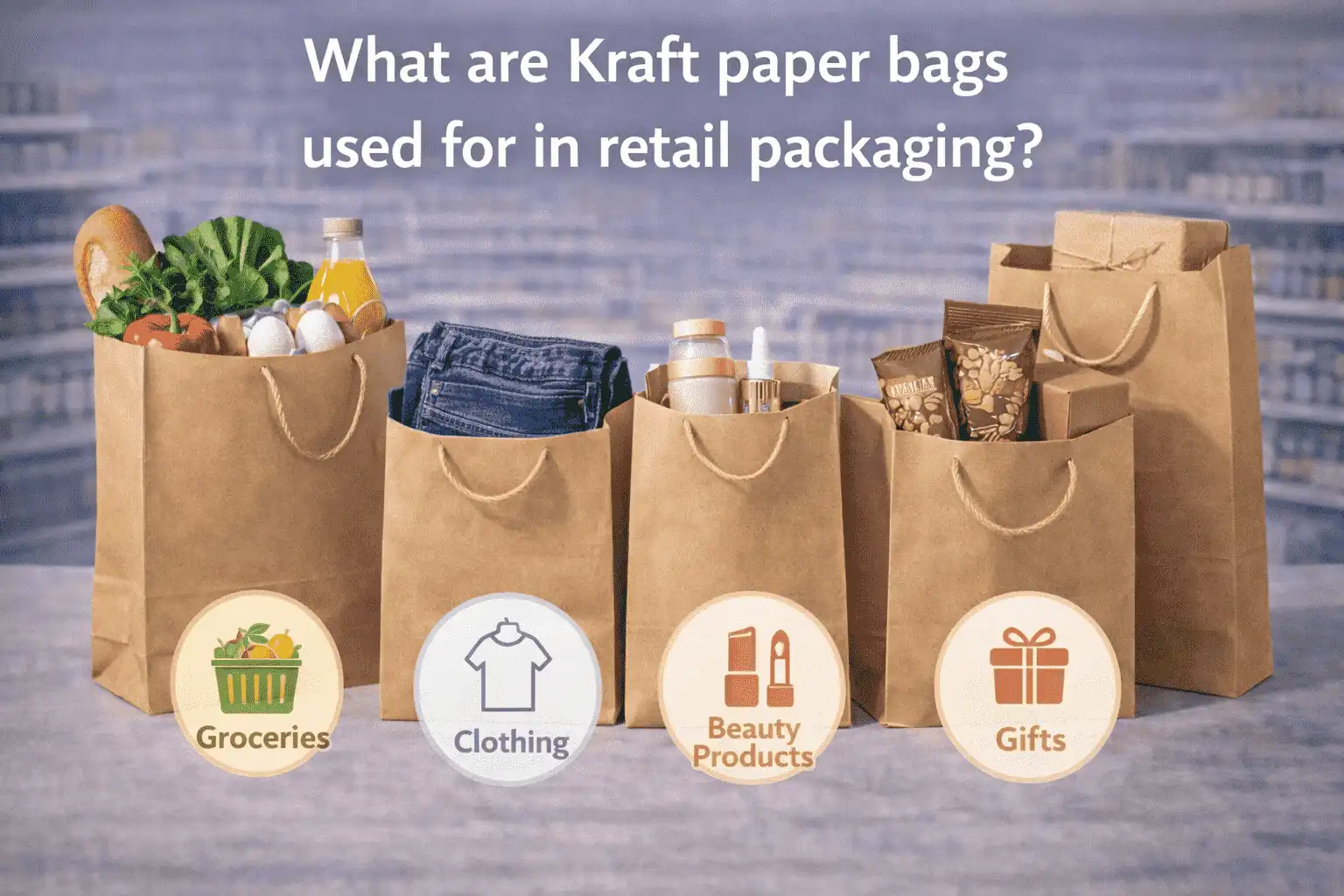
Every retail business faces a critical challenge: how do you package products in a way that protects them during transport, reflects your brand values, and meets growing consumer demands for sustainability? The kraft paper bag has emerged as the answer to this question, serving as versatile retail packaging that combines strength, eco-friendliness, and brand visibility. These bags are used extensively across retail sectors for carrying purchased items, gift presentation, promotional events, and creating memorable unboxing experiences that turn casual shoppers into loyal brand advocates.
Why Retail Businesses Choose Kraft Paper Bags Over Plastic Alternatives?
The retail landscape has undergone a dramatic transformation as consumers increasingly reject single-use plastics in favor of sustainable packaging solutions. Kraft paper bags have become the preferred choice for retailers who recognize that packaging is not merely functional but serves as a powerful extension of brand identity. Unlike plastic bags that often tear under weight or create negative environmental associations, kraft paper bags deliver superior tensile strength while communicating a commitment to ecological responsibility. The natural brown hue of unbleached kraft paper resonates with customers seeking authentic, earth-conscious brands, while the material's inherent durability ensures products arrive home safely. Retailers in the fashion, food service, cosmetics, and specialty goods sectors have discovered that switching to kraft paper bags can reduce packaging costs while simultaneously elevating perceived product value. The material accepts a wide range of surface treatments including foil stamping, UV coating, embossing, and full-color printing, allowing businesses to transform a simple carrier into a walking advertisement that promotes brand recognition long after the initial purchase.
Environmental Advantages That Drive Consumer Preference
Modern consumers make purchasing decisions based not only on product quality but on the environmental practices of the companies they support. Kraft paper bags address this concern directly through their composition from renewable wood pulp resources that can be responsibly harvested and replanted. The manufacturing process for kraft paper bags generates significantly lower carbon emissions compared to plastic production, and the bags themselves are fully recyclable through standard municipal recycling programs. When kraft paper bags do end up in landfills, they biodegrade naturally within weeks rather than persisting for centuries like their plastic counterparts. Many manufacturers now offer kraft paper bags made with FSC-certified materials, providing retailers with verifiable proof that their packaging supports responsible forest management. This certification has become particularly valuable for businesses targeting environmentally conscious demographics who scrutinize supply chain sustainability. The kraft paper bag's eco-friendly credentials extend beyond raw materials to include water-based inks and adhesives that eliminate toxic chemical exposure during production and disposal.
Customization Options That Strengthen Brand Identity
Retail success depends heavily on creating distinctive brand experiences that customers remember and share with others. Kraft paper bags serve as an ideal canvas for brand storytelling through customization options that range from simple logo placement to elaborate artistic designs. The material accepts both CMYK full-color printing and Pantone spot color applications, ensuring brand colors remain accurate and consistent across all packaging materials. Premium kraft paper bags can incorporate specialty finishes such as matte or gloss varnishes that add tactile interest and protect printed surfaces from scuffing during handling. Die-cut windows allow retailers to showcase product contents while maintaining packaging integrity, creating visual interest that draws customer attention. Handle options extend from economical twisted paper ropes to luxurious satin ribbons, with each choice communicating different brand positioning. Cotton rope handles provide a premium feel suitable for boutique retailers, while die-cut handles offer a minimalist aesthetic that emphasizes contemporary design sensibilities. These customization capabilities enable businesses of all sizes to create packaging that reflects their unique brand personality without requiring prohibitive minimum order quantities or setup costs.
Primary Applications of Kraft Paper Bags Across Retail Sectors
The versatility of kraft paper bags has led to their adoption across virtually every retail category, with specific applications tailored to meet industry-specific requirements. Understanding these diverse uses helps businesses select the appropriate bag specifications for their particular needs.
Fashion and Apparel Retail
Clothing boutiques, shoe stores, and accessory retailers rely on kraft paper bags to create positive final impressions that encourage repeat visits. The bags protect folded garments from dust and moisture during transport while providing adequate space for tissue wrapping that enhances the gift-like presentation of purchases. Fashion retailers frequently opt for kraft paper bags with reinforced bases and sturdy handles capable of supporting heavier items like winter coats or multiple shoe boxes. The natural aesthetic of brown kraft paper complements vintage, bohemian, and sustainable fashion brands, though white kraft paper bags suit luxury retailers seeking a more refined appearance. Many fashion businesses customize their kraft paper bags with seasonal designs or limited-edition artwork that creates collectible appeal, transforming functional packaging into a marketing tool that customers actively want to carry. The bag exterior serves as mobile advertising as customers move through shopping districts, exposing the brand to potential new customers who notice the distinctive packaging.
Food Service and Gourmet Products
Restaurants, bakeries, specialty food shops, and farmers' markets have embraced kraft paper bags for their food-safe properties and grease-resistant capabilities when properly treated. The material's breathability prevents condensation buildup that can make baked goods soggy, while maintaining sufficient barrier protection against external contaminants. Kraft paper bags designed for food service applications often feature grease-resistant coatings or linings that prevent oil penetration without compromising the bag's recyclability or compostability. Quick-service restaurants use kraft paper bags to package takeout orders, with customization that includes menu highlights or promotional offers printed directly on the bag surface. Artisanal food producers leverage the rustic appearance of brown kraft paper to reinforce messaging around handcrafted quality and traditional production methods. The material naturally suggests freshness and purity, attributes that align perfectly with organic and natural food positioning. Wine shops and specialty beverage retailers use reinforced kraft paper bags with bottle dividers that protect glass containers during transport while creating an upscale presentation appropriate for gift-giving occasions.
Cosmetics and Personal Care Products
Beauty retailers and wellness brands utilize kraft paper bags to create unboxing experiences that match the premium pricing of their products. The packaging must protect delicate items like glass bottles and compacts while projecting an image of sophistication and quality. Many cosmetics companies choose white or metallic kraft paper bags that accept vibrant printing and foil accents, creating eye-catching designs that photograph beautifully for social media sharing. The material's structural integrity ensures products arrive undamaged even when customers purchase multiple items, with internal dividers or tissue paper providing additional cushioning. Organic and natural beauty brands particularly favor kraft paper bags because the packaging's environmental credentials align with product formulations free from synthetic chemicals. The tactile quality of kraft paper creates a sensory experience that begins the moment a customer receives their purchase, contributing to overall brand satisfaction. Retailers can incorporate handles made from natural cotton rope or satin ribbon to elevate the luxury perception and ensure comfortable carrying even when bags contain heavier skincare sets or fragrance bottles.
Gift Shops and Specialty Retail
Stores specializing in gifts, home décor, books, and novelty items need packaging that protects fragile merchandise while enhancing the gift-giving experience. Kraft paper bags meet these requirements through customizable sizing that accommodates everything from small jewelry items to large decorative pieces. The bags' natural appearance reduces the need for additional gift wrapping, as the kraft paper itself conveys thoughtfulness and care in presentation. Many gift retailers offer kraft paper bags in multiple sizes with coordinating designs, allowing customers to select appropriate packaging based on purchase volume. Seasonal variations featuring holiday themes or celebratory messages transform standard kraft paper bags into festive packaging that justifies premium pricing. The material's compatibility with embossing and debossing techniques enables retailers to add textural elements that create memorable tactile experiences. Die-cut handles in decorative shapes or patterns can serve as design features that distinguish one retailer's bags from competitors, building brand recognition through packaging innovation.
Material Options and Structural Considerations for Retail Applications
Selecting the appropriate kraft paper grade and construction method significantly impacts both functionality and cost-effectiveness. Retailers must balance durability requirements against budget constraints while ensuring packaging meets brand standards.
Brown Kraft Versus White Kraft Paper
Natural brown kraft paper retains the characteristic tan color of unbleached wood pulp, creating an organic aesthetic that communicates environmental consciousness and artisanal quality. This material offers maximum tensile strength because the pulp fibers remain intact without chemical bleaching treatments that can weaken structural integrity. Brown kraft paper bags cost less to produce than bleached alternatives, making them ideal for high-volume applications where budget efficiency matters. The material accepts printing, though dark backgrounds limit color vibrancy compared to white substrates. Many retailers embrace the brown color as a design feature, using it as a neutral backdrop that allows bold typography or simple line art to stand out. White kraft paper undergoes bleaching processes that create a bright, clean surface suitable for full-color photography and intricate graphics. The premium appearance justifies higher pricing for luxury retailers whose brand positioning requires polished, sophisticated packaging. White kraft maintains good strength characteristics while offering superior printability that reproduces fine details and subtle color gradations with exceptional clarity.
Coated Versus Uncoated Kraft Paper Options
Uncoated kraft paper provides a natural, tactile surface with visible fiber texture that appeals to consumers seeking authentic, minimally processed packaging. The material's slight roughness creates friction that helps bags resist slipping during stacking and transport. Uncoated kraft readily accepts water-based inks and stamps, making it suitable for businesses that personalize bags on-demand or add handwritten notes that enhance customer relationships. Retailers concerned about moisture exposure or grease resistance may select kraft paper with specialized coatings that protect bag integrity without significantly altering appearance. Biodegradable wax coatings offer water resistance for food service applications, while clay coatings create smooth surfaces that enhance print quality and color saturation. Some manufacturers apply thin polymer films that provide grease barriers for prepared food packaging, though these treatments may impact recyclability depending on local processing capabilities. Premium kraft paper bags can incorporate metallic papers produced through foil lamination, creating reflective finishes that capture light and create luxurious visual effects suitable for high-end retail environments.
Handle Configuration and Load-Bearing Capacity
Handle selection directly affects both bag functionality and customer perception of quality. Twisted paper handles constructed from multiple paper strands offer economical durability suitable for moderate-weight items typically under five pounds. The handles' rope-like structure distributes weight evenly across the bag's top edge, preventing tearing even when customers carry bags for extended periods. Cotton rope handles provide superior comfort and load-bearing capacity, making them appropriate for retailers whose customers frequently purchase multiple items or heavier products. The natural fiber handles create a premium tactile experience that elevates packaging perception while remaining fully biodegradable. Satin ribbon handles deliver maximum luxury appeal with soft, silky surfaces that feel pleasant to hold and create elegant draping effects. These handles suit gift packaging and high-end retail applications where visual presentation justifies the additional material cost. Die-cut handles punched directly into the bag material offer minimalist aesthetics and cost savings by eliminating separate handle materials and assembly steps. This construction works well for smaller bags containing lightweight items, though reinforcement around cutouts ensures adequate strength for typical retail loads.
Production Processes That Enable Custom Retail Packaging
Understanding kraft paper bag manufacturing helps retailers make informed decisions about lead times, minimum order quantities, and customization possibilities. The production sequence involves multiple specialized steps that transform raw paperboard into finished retail packaging.
Printing and Surface Finishing Techniques
The manufacturing process begins with printing brand graphics onto large paper sheets using offset, digital, or flexographic presses depending on order volume and complexity requirements. Offset printing delivers the highest image quality with precise color matching, making it ideal for detailed photography or intricate logo reproduction on premium kraft paper bags. The process requires creating printing plates, which involves setup costs that become economical only at higher order volumes typically exceeding one thousand units. Digital printing eliminates plate costs and enables shorter production runs with variable data capabilities that allow retailers to personalize individual bags with customer names or unique designs. Flexographic printing offers cost-effective solutions for simple designs with limited color palettes, working particularly well for brown kraft paper where the substrate color becomes part of the overall aesthetic. Following ink application, surface finishing processes enhance durability and visual appeal through coatings applied via specialized equipment. Aqueous coatings provide a protective layer that resists scuffing and adds subtle sheen without significantly altering the paper's natural appearance. UV coatings cure instantly under ultraviolet light, creating high-gloss finishes that make colors appear more vibrant while offering superior scratch resistance. Spot UV applications selectively coat specific design elements like logos or text, creating dimensional contrast between glossy and matte surfaces that adds visual interest.
Structural Formation and Assembly Methods
After printing and finishing, die-cutting equipment uses precision steel rules formed into custom shapes that punch bag patterns from printed sheets. This process creates the bag's basic structure including bottom panels, side gussets, and handle attachment points with tolerances measured in millimeters to ensure consistent assembly. Automated folding machines crease the die-cut pieces along predetermined lines, preparing them for the gluing sequence that transforms flat components into three-dimensional bags. High-speed gluing systems apply precise adhesive amounts to specific areas, with immediate pressing that bonds layers together before the adhesive sets. The gluing process must account for handle attachment, with reinforcing strips often applied to distribute stress and prevent tearing under load. Quality control inspections occur throughout assembly, with operators checking glue coverage, fold accuracy, and overall structural integrity to ensure every bag meets established standards. Finished bags proceed to packing stations where workers or automated systems arrange them into manageable bundles, typically grouped by size and design for efficient inventory management. The final packaging protects bags during shipping and storage while allowing retailers to easily access quantities needed for daily operations without disturbing remaining inventory.
Conclusion
Kraft paper bags have become essential retail packaging due to their unique combination of strength, sustainability, customization potential, and cost-effectiveness that meets modern consumer expectations while supporting diverse business requirements across multiple retail sectors.
Cooperate with GUANGZHOU FETCHING COLOR PRINTING & PACKAGING LTD.
Guangzhou Fetching Color Printing & Packaging Ltd. brings over two decades of manufacturing excellence to retail packaging solutions. Since our establishment in 1999, we have grown into a comprehensive packaging partner operating from a 35,000㎡ facility equipped with advanced machinery including KBA106-(9+1) UV printing systems, Heidelberg XL162-6L presses, and specialized corrugated board production lines. Our team of 300+ skilled professionals and ten experienced packaging engineers deliver customized solutions across folding gift boxes, display racks, mailer boxes, and kraft paper bags for food, cosmetics, personal care, electronics, and retail industries. We maintain ISO14001-2015, ISO9001-2015, SMETA, G7 Color Management, FSC, and Disney certifications that guarantee environmental responsibility and consistent quality. Our China kraft paper bag factory offers comprehensive capabilities from initial design consultation through professional sampling and full-scale production. As a trusted China kraft paper bag supplier and China kraft paper bag manufacturer, we provide China kraft paper bag wholesale pricing on kraft paper bags for sale with competitive kraft paper bag prices. Our High Quality kraft paper bags have served over 1,000 loyal customers who value reliability, innovation, and sustainability. Contact us at public@fetchingprinting.com to discuss your retail packaging requirements and discover how our expertise can elevate your brand presence.
References
1. Environmental Paper Network. (2023). "The State of the Global Paper Industry: Sustainability and Market Trends." Environmental Paper Network Research Division.
2. Smithers, J. & Williams, R. (2024). "Consumer Perceptions of Sustainable Packaging in Retail Environments." Journal of Packaging Technology and Science, Volume 37, Issue 2.
3. International Organization for Standardization. (2022). "Packaging Standards and Environmental Impact Assessment." ISO Technical Committee 122 Documentation.
4. Packaging Association of North America. (2023). "Retail Packaging Material Selection Guide: Performance and Sustainability Criteria." PANA Industry Publications.
5. Chen, L., Martinez, A., & Thompson, K. (2024). "Kraft Paper Production Methods and Mechanical Properties for Commercial Applications." Materials Science and Engineering Review, Volume 15.

Based on your location and order quantity, you will have the opportunity to receive a limited time free shipping promotion!

Corporate Purpose