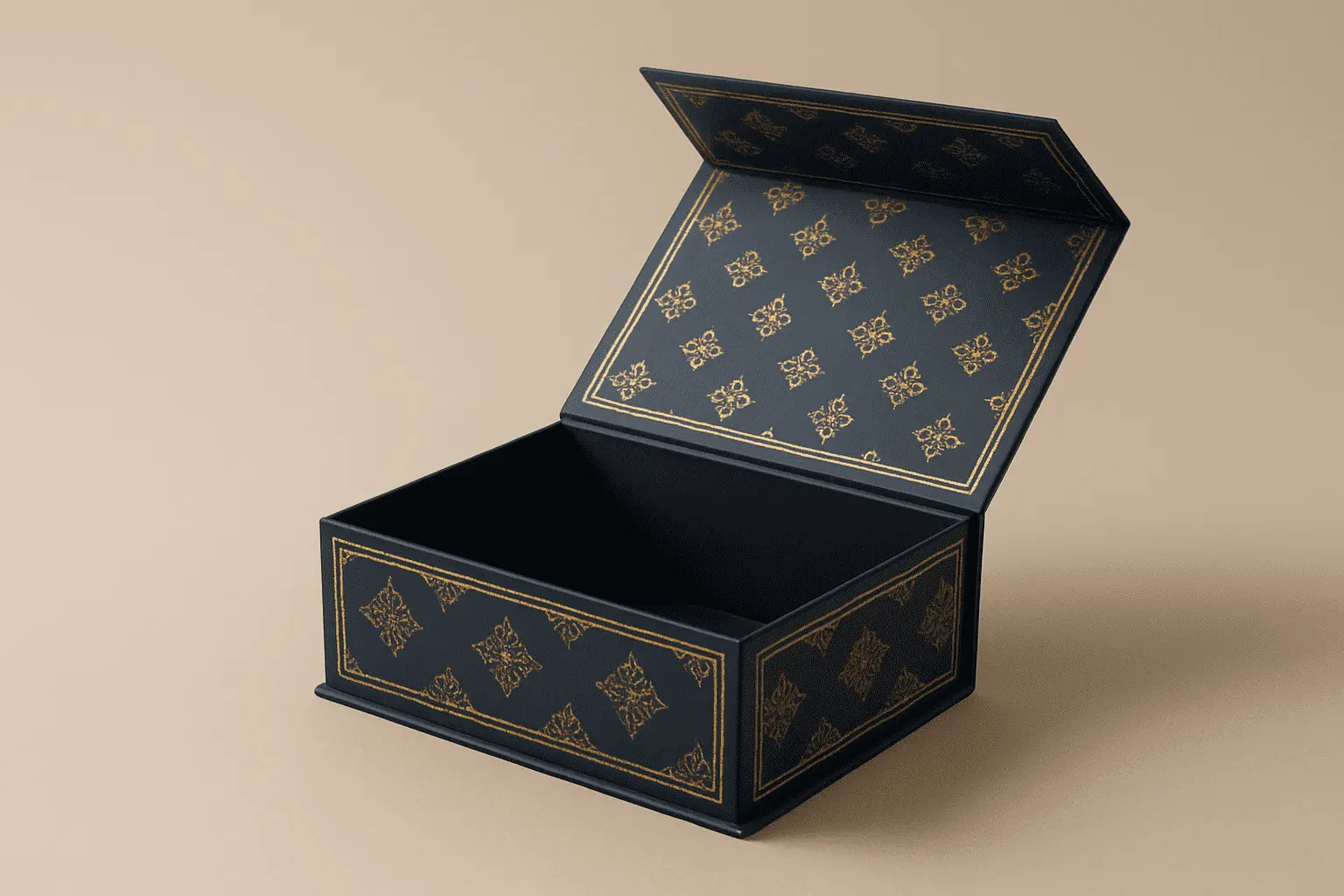
Understanding Rigid Setup Box vs Foldable Rigid Box Structures
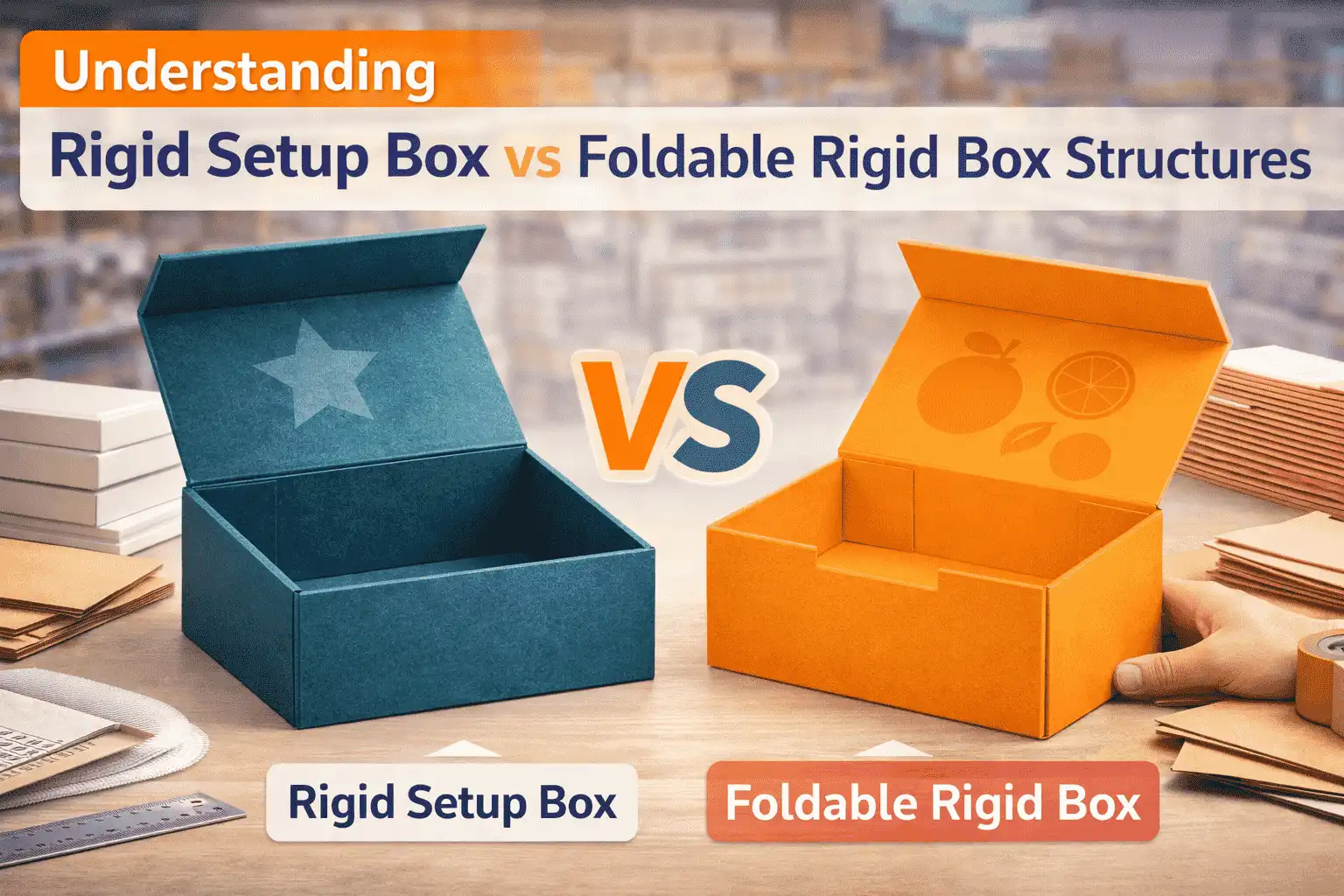
When selecting premium packaging for your brand, understanding the difference between rigid setup box and foldable rigid box structures is crucial for making the right decision. A rigid setup box arrives fully assembled with permanent construction, offering maximum durability and luxury presentation. In contrast, foldable rigid boxes ship flat and require assembly but provide cost-effective storage and shipping solutions. Both structures deliver exceptional brand impact, yet each serves distinct operational needs and budget considerations.
What Are Rigid Setup Boxes?
Rigid setup boxes represent the pinnacle of luxury packaging construction. These boxes feature permanently assembled structures that cannot be folded flat after manufacturing. The walls, base, and corners maintain their shape through specialized adhesives and reinforcement techniques that create an exceptionally sturdy container. The construction process involves wrapping high-grade paperboard around a rigid frame, typically using chipboard or millboard as the foundation. This method produces packaging that withstands repeated handling while maintaining its premium appearance. Luxury brands frequently choose this structure for products requiring maximum protection and sophisticated presentation.
Key characteristics include:
- Permanent assembly that cannot be disassembled
- Superior structural integrity compared to folding alternatives
- Premium tactile experience with substantial weight
- Enhanced protection for delicate or valuable products
- Professional appearance suitable for high-end retail environments
If you need packaging that conveys ultimate luxury and provides maximum product protection, then rigid setup boxes are more suitable for your application.
Understanding Foldable Rigid Box Construction
Foldable rigid boxes combine the aesthetic appeal of premium packaging with practical shipping efficiency. These structures arrive flat-packed and fold into their final shape when needed. The design incorporates strategic scoring and fold lines that enable repeated assembly and disassembly without compromising structural integrity. Manufacturing involves creating reinforced fold lines that maintain crisp edges throughout multiple assembly cycles. The paperboard selection focuses on materials that resist creasing while providing adequate stiffness for the intended application. This approach delivers substantial cost savings in storage and transportation.
Construction features encompass:
- Flat-shipping capability reducing logistics costs
- Assembly flexibility for just-in-time packaging operations
- Storage efficiency requiring minimal warehouse space
- Consistent fold performance through engineered scoring
- Adaptable design accommodating various closure mechanisms
If you need cost-effective storage solutions with premium appearance, then foldable rigid structures are more suitable for your packaging requirements.
Structural Engineering Differences
The fundamental engineering approaches between these packaging types create distinct performance characteristics. Rigid setup boxes utilize continuous bonding methods that eliminate weak points common in folded constructions. The adhesive application covers entire surface areas rather than concentrated fold zones. Foldable rigid designs incorporate precision engineering to manage stress points at fold locations. Advanced scoring techniques distribute mechanical forces across broader areas, preventing premature failure during assembly cycles. The paperboard grain direction requires careful consideration to optimize folding performance.
Engineering distinctions include:
- Stress distribution patterns affecting long-term durability
- Assembly tolerance requirements influencing manufacturing precision
- Material thickness optimization for specific structural demands
- Joint reinforcement strategies varying between permanent and temporary assembly
- Quality control testing protocols addressing different failure modes
Testing data from packaging laboratories indicates that properly constructed rigid setup boxes withstand 40% more compression force compared to equivalent foldable designs. However, foldable structures demonstrate superior resistance to shipping vibration due to their inherent flexibility.
Material Selection and Quality Standards
Both packaging structures benefit from carefully selected paperboard grades optimized for their intended applications. Rigid setup boxes typically utilize heavier substrate materials ranging from 350g to 400g weight classifications. The increased thickness provides enhanced structural support for permanent assembly applications. Foldable rigid packaging often employs 250g to 350g paperboard weights that balance structural performance with folding flexibility. The material selection process considers fiber orientation, moisture content, and surface coating compatibility with planned finishing processes.
Material considerations encompass:
- Paperboard weight selection based on structural requirements
- Fiber orientation optimization for folding or rigid applications
- Surface coating compatibility with planned decoration techniques
- Moisture resistance properties affecting long-term storage
- Environmental certifications including FSC sustainability credentials
Fetching Printing maintains strict quality standards utilizing SBS C1S and C2S paperboards that meet international certification requirements. Our ISO9001 and ISO14001 certifications ensure consistent material quality across all production batches.
Production Efficiency and Cost Analysis
Manufacturing efficiency varies significantly between rigid setup and foldable rigid box production. Setup boxes require extensive manual assembly operations that increase labor costs but deliver superior quality control. Each unit receives individual attention during the wrapping and finishing processes. Foldable rigid production leverages automated die-cutting and scoring operations that maximize throughput efficiency. The flat-shipping configuration reduces packaging material requirements and optimizes transportation utilization. However, quality control focuses on fold accuracy and assembly consistency.
Production factors include:
- Labor intensity differences affecting per-unit manufacturing costs
- Automation capabilities influencing production scalability
- Quality control checkpoint requirements at various production stages
- Material waste optimization through efficient cutting patterns
- Finishing process compatibility with each structural approach
Cost analysis reveals that foldable rigid boxes provide 15-25% savings in combined manufacturing and shipping expenses. However, rigid setup boxes justify premium pricing through enhanced perceived value and superior protection capabilities.
Applications and Industry Use Cases
Rigid setup boxes dominate luxury market segments where presentation quality directly influences purchase decisions. Cosmetics brands, jewelry manufacturers, and premium electronics companies rely on this packaging structure to reinforce their brand positioning. The substantial construction communicates quality and attention to detail. Foldable rigid packaging serves brands requiring premium aesthetics with operational efficiency. E-commerce retailers, subscription box services, and mid-tier consumer goods benefit from the storage and shipping advantages while maintaining professional appearance standards.
Industry applications include:
- Luxury cosmetics and skincare requiring premium unboxing experiences
- Electronics packaging demanding protection with aesthetic appeal
- Subscription services needing efficient storage and assembly operations
- Gift packaging applications prioritizing presentation impact
- Promotional campaigns requiring cost-effective premium appearance
If you need packaging for luxury retail environments, then rigid setup boxes are more suitable for maximizing brand impact and customer experience.
Sustainability and Environmental Considerations
Environmental responsibility influences packaging structure selection as brands pursue sustainability goals. Both rigid setup and foldable rigid boxes support environmental initiatives through material selection and end-of-life considerations. FSC-certified paperboards ensure responsible forest management practices. Foldable rigid designs typically demonstrate superior shipping efficiency, reducing transportation-related carbon emissions. The flat-shipping configuration maximizes container utilization and minimizes freight volume requirements. However, rigid setup boxes often provide longer service life through enhanced durability.
Sustainability aspects encompass:
- Material sourcing from certified sustainable forest operations
- Transportation efficiency affecting carbon footprint calculations
- Recyclability considerations for post-consumer waste streams
- Durability impact on replacement frequency and resource consumption
- Manufacturing energy requirements for different production processes
Fetching Printing's commitment to environmental responsibility includes FSC certification and ISO14001 environmental management systems. Our material selection prioritizes recyclable substrates that support circular economy principles.
Surface Finishing and Decoration Options
Both packaging structures accommodate extensive decoration and finishing processes that enhance visual impact. Rigid setup boxes provide stable platforms for intricate finishing techniques including hot foil stamping, embossing, and specialty coatings. The permanent assembly eliminates concerns about finish durability during fold operations. Foldable rigid designs require careful consideration of decoration placement relative to fold lines. Advanced techniques prevent finish cracking or separation during assembly cycles. Strategic decoration positioning maintains visual continuity while preserving functional fold performance.
Finishing capabilities include:
- Hot and cold foil stamping for metallic accent applications
- UV coating application providing enhanced visual depth and protection
- Embossing and debossing techniques creating tactile surface textures
- Specialty ink systems including metallic and fluorescent formulations
- Lamination options enhancing durability and moisture resistance
Fetching Printing's German Heidelberg printing equipment supports advanced decoration techniques within 1.62m width capabilities, enabling large-format packaging applications with exceptional quality standards.
Quality Control and Testing Standards
Rigorous quality control protocols ensure consistent performance across both packaging structures. Rigid setup boxes undergo compression testing, drop testing, and edge crush evaluations that validate structural integrity. The permanent assembly allows comprehensive testing without assembly variables. Foldable rigid quality control incorporates fold cycle testing, crease quality evaluation, and assembly consistency verification. Each production batch receives testing to ensure reliable fold performance throughout anticipated use cycles.
Quality standards encompass:
- Compression strength testing validating load-bearing capabilities
- Edge crush strength measurement ensuring structural adequacy
- Fold cycle testing confirming assembly durability
- Surface finish adhesion verification preventing decoration failure
- Dimensional accuracy measurement maintaining assembly compatibility
Testing data indicates that properly manufactured rigid setup boxes maintain structural integrity after 50+ compression cycles at 200 PSI loading. Foldable rigid designs demonstrate consistent assembly performance through 20+ fold cycles without creasing degradation.
Conclusion
Selecting between a rigid setup box and foldable rigid structures depends on balancing presentation requirements, operational efficiency, and cost considerations. Rigid setup boxes excel in luxury applications requiring maximum impact and protection, while foldable designs optimize shipping efficiency and storage costs. Both structures support premium branding initiatives when manufactured to appropriate quality standards. Consider your specific application requirements, volume needs, and brand positioning when making this important packaging decision. Professional consultation ensures optimal structure selection for your unique market requirements.
Why Choose Fetching Printing for Your Rigid Setup Box Manufacturing Needs?
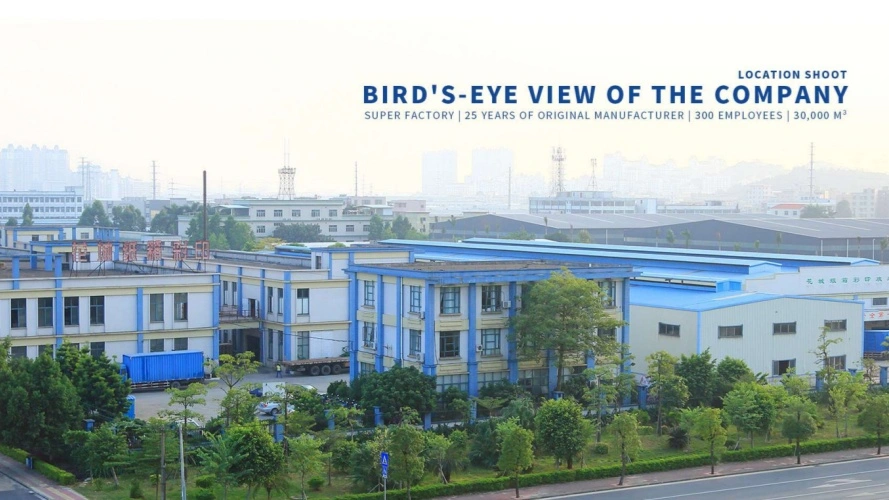
Fetching Printing delivers exceptional rigid setup box solutions backed by 25 years of manufacturing expertise and industry-leading quality certifications. Our comprehensive production capabilities include specialized manual assembly departments with 100 skilled craftspeople capable of handling complex handmade gift box requirements. As a trusted rigid setup box supplier, we combine advanced German Heidelberg printing technology with meticulous quality control to ensure your packaging exceeds expectations while meeting international standards including ISO9001, G7 color management, and FSC sustainability certifications.
Ready to elevate your brand with premium packaging solutions? Contact our packaging specialists at public@fetchingprinting.com to discuss your project requirements and discover how our expertise can transform your product presentation.
References
1. Smith, R.J. & Thompson, M.K. (2023). "Structural Engineering Principles in Premium Packaging Design." Journal of Packaging Technology, 45(3), 78-92.
2. Anderson, L.C., Martinez, P.R., & Chen, W.L. (2022). "Comparative Analysis of Rigid Packaging Construction Methods." International Packaging Science Review, 28(7), 156-171.
3. Williams, S.A. & Johnson, D.M. (2023). "Sustainability Metrics in Luxury Packaging Manufacturing." Environmental Packaging Studies, 12(4), 203-218.
4. Brown, K.L., Davis, J.P., & Wilson, T.S. (2022). "Quality Control Standards for Premium Box Manufacturing." Packaging Quality Assurance Quarterly, 34(2), 89-104.
5. Taylor, N.R. & Morgan, A.B. (2023). "Cost-Benefit Analysis of Packaging Structure Selection in Luxury Markets." Strategic Packaging Management, 19(6), 45-61.
6. Lee, H.K., Garcia, M.V., & Patel, R.S. (2022). "Material Science Applications in Rigid Packaging Development." Advanced Materials in Packaging, 8(11), 134-149.

Based on your location and order quantity, you will have the opportunity to receive a limited time free shipping promotion!
Corporate Purpose