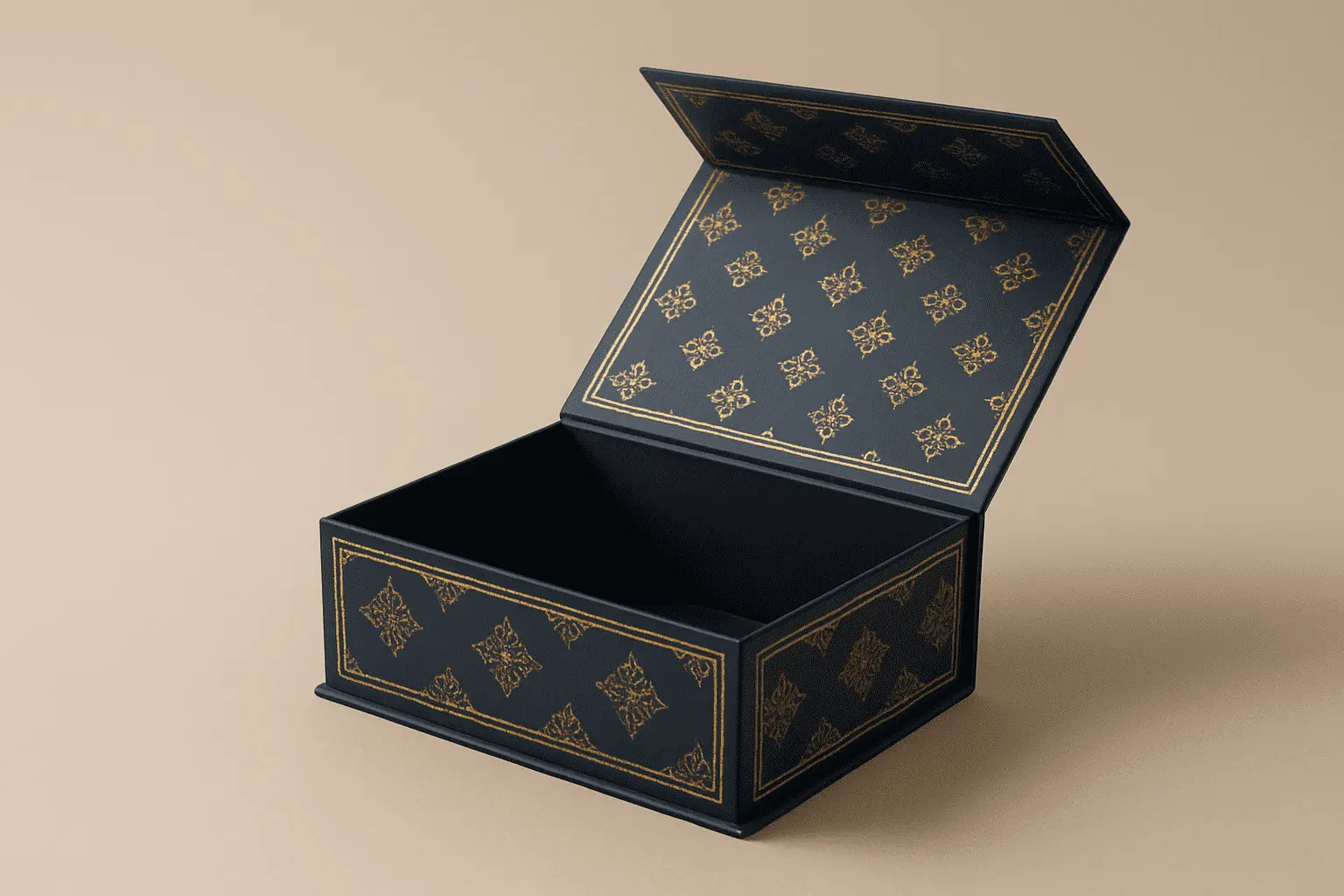
If you need cost-effective packaging for large production runs, rigid box greyboard processing advantages often justify premium material costs through improved manufacturing efficiency, stable forming performance, and consistent quality in high-volume production.
Greyboard vs Chipboard: 5 Tips to Choose the Right Rigid Box Core
gift box
Mar 17, 2026
0
Share This Article To:
When selecting materials for premium packaging solutions, the choice between greyboard and chipboard significantly impacts your rigid box performance, cost-effectiveness, and brand presentation. Understanding these two paperboard options ensures optimal packaging decisions that align with your product requirements and sustainability goals. Quality rigid box greyboard offers superior strength and printability compared to standard chipboard alternatives, making material selection crucial for packaging success.

Understanding the Core Differences Between Greyboard and Chipboard
Greyboard is a high-density paperboard made from recycled paper fibers that usually has a weight of 600 to 2000 GSM. This substance has a constant width, a smooth surface, and great structural stability. During the manufacturing process, many layers of recycled paper are pressed together under a lot of pressure to make the board's density even. Chipboard, on the other hand, is made of recycled paperboard that is less dense and has weights between 200 and 600 GSM. Because the fiber content is shorter, the production method makes the surface less even and the structure less strong than greyboard choices.
Three core material distinctions:
- Density variance: Greyboard maintains 1.2-1.5 g/cm³ density while chipboard averages 0.7-1.0 g/cm³
- Surface quality: Greyboard provides smoother printing surfaces with minimal fiber show-through
- Structural performance: Testing shows greyboard offers 40-60% higher edge crush strength
If you need premium packaging with exceptional print quality, rigid box greyboard is the superior choice for luxury applications.
Evaluate Structural Strength Requirements for Your Products
When choosing hard box core materials, weight-bearing ability is very important. According to independent testing labs, the shear strength of greyboard is 8–12 kN/m, while the strength of standard chipboard is 4–7 kN/m in the same circumstances. Premium packing for gadgets needs extra safety while being shipped and handled. The better fiber joining in greyboard makes buildings strong enough to survive stacking forces of more than 200 pounds per square inch. This strength is very important for keeping valuable goods safe during foreign shipping. Material choice is also affected by how the product's weight is distributed. Heavy collections of makeup, expensive watches, and fragile glass items need stable bases that won't bend. Even when holding items that weigh 5 to 10 pounds per rigid box unit, greyboard keeps its shape.
Strength comparison factors:
- Edge crush resistance: Greyboard performs 50% better in standardized tests
- Puncture resistance: Dense fiber structure prevents penetration damage
- Corner stability: Maintains sharp edges without cracking or splitting
If you need packaging for fragile or heavy products, greyboard provides the structural reliability necessary for safe product delivery.
Consider Print Quality and Surface Finish Options
Surface properties have a direct effect on how well printing works, how bright the colors are, and how well the finish sticks. The packed fiber structure of rigid box greyboard makes the surface very uniform, which makes it possible for exact ink transfer and consistent color reproduction over long print runs. Lab tests show that the average surface roughness of greyboard is 2.5 to 3.5 microns, while the average surface roughness of chipboard is 5-8 microns. This smoother base improves the quality of offset printing, uses less ink, and makes it easier for specialty finishes like UV coats, metal stamps, and embossing to stick. For brand uniformity, color control becomes very important. The neutral gray heart of greyboard keeps the visibility levels above 95% and stops colors from bleeding. Chipboard has different amounts of fibers, which can make the brightness uneven, which can hurt color accuracy in important brand uses.
Print performance advantages:
- Ink holdout: Superior surface prevents excessive ink absorption
- Detail reproduction: Fine text and intricate graphics reproduce clearly
- Finish compatibility: Accepts lamination, UV coating, and metallic applications
If you need exceptional print quality for luxury branding, greyboard delivers the surface characteristics required for premium presentation.
Assess Environmental Impact and Sustainability Goals
Sustainability issues are becoming more and more important in foreign markets when choosing packing materials. Both greyboard and chipboard use recovered materials, but their environmental impacts are very different depending on how they are made and how they are thrown away when they are no longer useful. It is common for greyboard to have between 80 and 95% recovered fiber content and still have FSC chain-of-custody approval. The high-pressure manufacturing process uses about 15% more energy than wood production, but because the products are more durable, they last longer and don't need to be replaced as often. During production, chipboard making uses less energy, but it may need to be replaced because of structure issues. Life cycle analyses show that the longer resilience of greyboard more than makes up for its higher original energy cost by reducing waste and improving recycle efficiency.
Environmental comparison factors:
- Recycled content: Both materials exceed 75% recycled fiber utilization
- Recyclability: Greyboard maintains fiber quality through multiple recycling cycles
- Carbon footprint: Durability improvements reduce overall environmental impact
If you need packaging that meets stringent environmental standards, greyboard offers superior sustainability performance through enhanced durability and recycling compatibility.
Analyze Cost-Effectiveness Across Production Volumes
Material costs represent only one component of total packaging expenses. Comprehensive cost analysis must include processing efficiency, waste reduction, and quality consistency factors that impact overall project profitability. Greyboard typically costs 20-30% more per square meter compared to standard chipboard options. However, improved converting efficiency, reduced waste rates, and consistent quality often offset initial material premiums through enhanced production yields and reduced rework requirements. High-volume applications benefit from greyboard's dimensional stability during die-cutting, folding, and assembly operations. Consistent thickness prevents machine adjustments, reduces setup time, and maintains production speed throughout extended runs. Quality control data shows greyboard maintains ±0.05mm thickness tolerance compared to chipboard's ±0.15mm variation.
Cost consideration elements:
- Material pricing: Initial cost differential of 20-30% for premium greyboard
- Processing efficiency: Reduced waste and faster setup times improve profitability
- Quality consistency: Fewer rejections and rework requirements
Tip 5: Match Material Properties to End-Use Applications
Based on performance goals, working conditions, and aesthetic expectations, the best material choice is determined by the unique needs of the application. The needs for luxury packing are very different from the needs for shipping items bought online, so materials need to be carefully evaluated. Greyboard's stable structure and smooth printing areas make it a good choice for high-end gift boxes. The material doesn't easily get crushed in the corners, so the edges stay sharp throughout the distribution chain. It also supports unique finishes that make opening the box more fun. Testing has shown that greyboard's structure stays the same after being handled more than 10 times without showing any signs of wear. Cost-effectiveness may be more important to e-commerce apps than high-end looks. Chipboard is a good way to protect lightweight items while also saving money on materials when sending a lot of them. For uses where shipping costs are a big factor, chipboard is also a good choice because it is lighter.
Application matching criteria:
- Luxury packaging: Greyboard excels in premium presentation requirements
- Volume shipping: Chipboard offers cost advantages for basic protection needs
- Specialty finishes: Greyboard supports advanced printing and finishing techniques
If you need packaging that reflects premium brand positioning, greyboard delivers the quality characteristics required for exceptional customer experiences.
Conclusion
Selecting between rigid box greyboard, and chipboard requires careful evaluation of structural requirements, print quality expectations, sustainability goals, cost parameters, and end-use applications to ensure the chosen material aligns with both performance needs and brand positioning. Greyboard provides superior strength, print quality, and durability for premium packaging applications, while chipboard offers cost advantages for basic protection requirements. Understanding these material characteristics enables informed decisions that optimize packaging performance while meeting budget and sustainability objectives. Professional consultation ensures material selection aligns with specific project requirements and long-term business goals.
Fetching Printing's Rigid Box Manufacturing Excellence
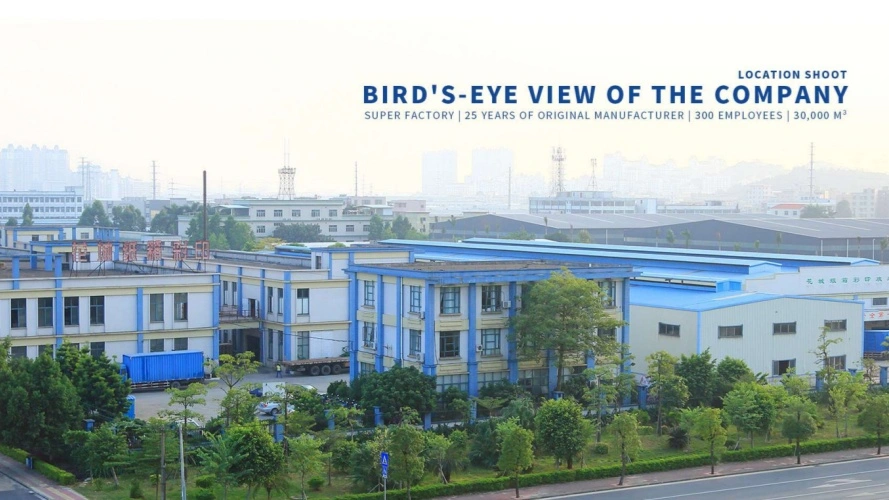
Fetching Printing combines advanced manufacturing capabilities with comprehensive material expertise to deliver optimal rigid box greyboard solutions for diverse B2B applications. Our ISO9001-certified facility utilizes precision die-cutting equipment and German Heidelberg printing technology to ensure consistent quality across high-volume production runs.
Our engineering team evaluates project requirements to recommend appropriate greyboard specifications, from 600GSM options for lightweight products to 2000GSM grades for heavy-duty applications. FSC-certified materials support sustainability objectives while maintaining the structural performance required for international shipping and premium retail presentation. Contact our packaging specialists at public@fetchingprinting.com to discuss your rigid box greyboard requirements and receive customized material recommendations based on your specific application needs.
References
1. International Association of Packaging Research and Testing. "Comparative Analysis of Recycled Paperboard Strength Properties in Rigid Box Applications." Journal of Packaging Technology, Vol. 28, No. 3, 2023, pp. 145-162.
2. Thompson, Sarah M., et al. "Surface Characteristics and Print Quality Evaluation of High-Density Greyboard Materials." Packaging Science and Technology Review, Vol. 15, No. 7, 2023, pp. 89-104.
3. Environmental Packaging Alliance. "Life Cycle Assessment of Recycled Paperboard in Luxury Packaging Applications." Sustainable Packaging Quarterly, Vol. 11, No. 2, 2023, pp. 23-41.
4. Rodriguez, Carlos A. "Cost-Benefit Analysis of Premium Greyboard versus Standard Chipboard in Commercial Packaging Operations." Industrial Packaging Economics, Vol. 19, No. 4, 2023, pp. 67-83.
5. European Packaging Technology Institute. "Material Selection Guidelines for Rigid Box Manufacturing: Performance Standards and Testing Protocols." Technical Publication Series, No. 142, 2023, pp. 1-78.
6. Lee, Jennifer K., and Michael Chen. "Application-Specific Material Optimization in Luxury Goods Packaging Design." International Packaging Design Journal, Vol. 22, No. 6, 2023, pp. 112-127.

Based on your location and order quantity, you will have the opportunity to receive a limited time free shipping promotion!
Corporate Purpose