Paper Shopping Bags to Meet EU Packaging Regulations
The European Union's stringent packaging regulations have fundamentally transformed how retailers and brands approach their packaging strategies. As businesses scramble to comply with increasingly strict sustainability mandates, paper shopping bags have emerged as the cornerstone solution for companies seeking to avoid hefty penalties while maintaining premium brand presentation. The transition from plastic to compliant packaging isn't merely about environmental responsibility—it's about securing market access in one of the world's most lucrative consumer markets. Understanding how paper shopping bag solutions align with EU directives can mean the difference between seamless market entry and costly compliance failures that damage both reputation and bottom line.
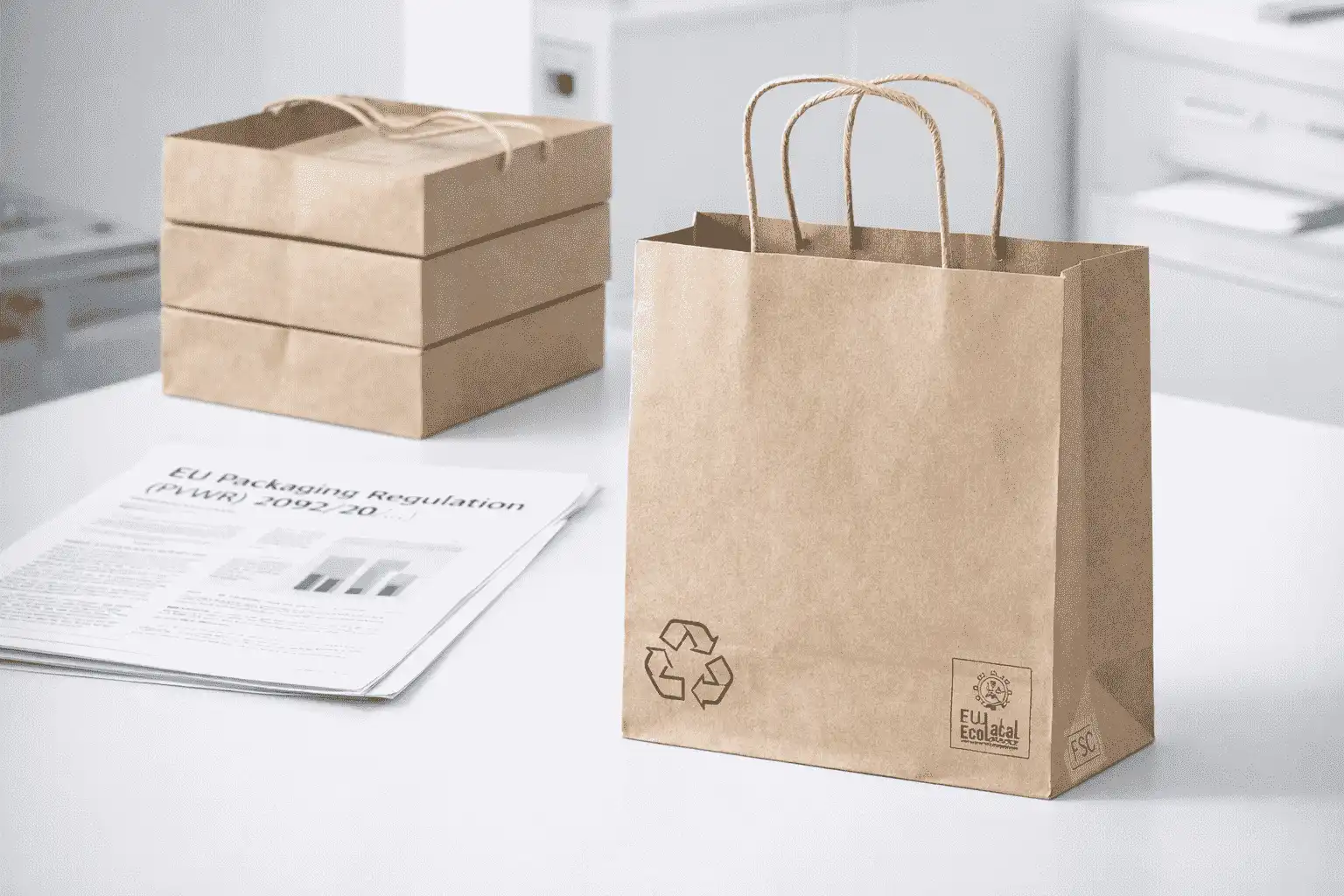
Understanding EU Packaging Regulations for Sustainable Shopping Bags
The European Union has established comprehensive packaging waste directives that fundamentally reshape packaging requirements across member states. These regulations mandate specific recycling targets, restrict certain materials, and impose extended producer responsibility on manufacturers and retailers. For businesses operating in or exporting to EU markets, compliance isn't optional—it's a prerequisite for market participation. The EU Packaging and Packaging Waste Directive requires that all packaging be recoverable through recycling or energy recovery, with increasingly ambitious targets set for 2025 and beyond. Paper shopping bags manufactured from FSC-certified materials naturally align with these requirements, offering brands a compliant pathway that satisfies regulatory demands while supporting corporate sustainability commitments. The directive specifically emphasizes reducing packaging waste at source, promoting reuse, and ensuring recyclability—criteria that high-quality paper shopping bags inherently fulfill through their biodegradable composition and established recycling infrastructure throughout Europe.
Key Compliance Requirements for Paper Shopping Bags in EU Markets
Meeting EU packaging regulations requires attention to multiple compliance dimensions that extend beyond simple material selection. Paper shopping bags must demonstrate recyclability through established waste management systems, contain minimal hazardous substances, and meet labeling requirements that inform consumers about proper disposal. The regulations also address the entire lifecycle—from raw material sourcing through end-of-life management. For paper shopping bags, this means utilizing materials from sustainably managed forests certified under FSC or PEFC standards, ensuring printing inks comply with EU chemical regulations, and designing bags that can be efficiently processed through existing recycling streams. Additionally, the Single-Use Plastics Directive has accelerated the shift toward paper alternatives, as retailers seek to eliminate plastic carrier bags entirely. Brands must also consider the EU's push toward circular economy principles, which favor packaging designs that minimize material use while maintaining functionality. Modern paper shopping bag manufacturing incorporates these requirements from the design phase, utilizing optimized material thicknesses, water-based adhesives, and printing processes that don't compromise recyclability. The result is packaging that not only meets current regulations but anticipates future legislative developments as the EU continues tightening environmental standards.
Material Selection for EU-Compliant Paper Shopping Bags
Choosing appropriate materials forms the foundation of regulatory compliance for paper shopping bags entering EU markets. The material selection directly impacts recyclability, environmental footprint, and the ability to meet specific EU chemical and safety standards. Different paperboard options offer distinct advantages depending on application requirements, brand positioning, and sustainability priorities. For premium retail applications, SBS C1S and SBS C2S materials provide exceptional print quality while maintaining full recyclability and FSC certification eligibility. These virgin fiber materials offer the bright white appearance and smooth printing surface that luxury brands demand, while their bleached pulp composition ensures they're free from contaminants that might compromise food safety for applications involving direct or indirect food contact. The coated surfaces accept vibrant CMYK and Pantone printing, enabling brands to maintain visual identity while meeting environmental requirements. For brands emphasizing natural aesthetics and maximum sustainability credentials, Brown Kraft paper presents an compelling alternative. Manufactured from unbleached wood pulp, Brown Kraft paper shopping bags showcase visible fiber texture and earthy tones that communicate environmental consciousness to consumers. This material's high tensile strength and tear resistance ensure durability for heavier shopping loads, while its biodegradable and recyclable nature aligns perfectly with EU circular economy objectives. CCNB materials offer a middle ground for cost-conscious brands, utilizing recycled fibers to deliver good print quality at competitive pricing while supporting the EU's emphasis on recycled content in packaging.
FSC Certification and Sustainable Sourcing for European Markets
Forest Stewardship Council certification has become virtually essential for paper shopping bags targeting EU markets, where consumers and regulators alike demand verified sustainable sourcing. FSC certification provides independent verification that paper materials originate from responsibly managed forests that maintain biodiversity, support local communities, and ensure forest regeneration. For European retailers, FSC certification isn't merely a marketing advantage—it's increasingly a baseline requirement specified in procurement contracts and corporate sustainability policies. The certification addresses EU concerns about deforestation and illegal logging while providing consumers with clear, credible evidence of environmental responsibility. When brands specify FSC-certified materials for their paper shopping bags, they tap into established supply chains that meet EU timber regulations and due diligence requirements. This certification also supports compliance with various national-level initiatives across EU member states that mandate or incentivize certified sustainable materials in retail packaging. Beyond regulatory compliance, FSC certification enhances brand reputation among environmentally conscious European consumers who actively seek out and reward companies demonstrating genuine environmental commitment. The chain of custody documentation that accompanies FSC certification also provides transparency throughout the supply chain, enabling brands to substantiate sustainability claims and avoid greenwashing accusations that increasingly attract regulatory scrutiny and consumer backlash in European markets.
Design and Manufacturing Considerations for Regulatory Compliance
Manufacturing paper shopping bags for EU markets requires careful attention to production processes that maintain compliance throughout fabrication. The production workflow must ensure that environmentally friendly materials aren't compromised by incompatible adhesives, coatings, or printing methods that would undermine recyclability. Modern paper shopping bag production begins with precision printing using offset, digital, or flexographic presses that transfer designs onto selected paperboard materials. For EU compliance, water-based or vegetable-based inks are preferred over solvent-based alternatives, as they eliminate volatile organic compound emissions and ensure the finished bags remain fully recyclable without special processing. Surface finishing processes enhance both aesthetics and functionality while maintaining environmental credentials—UV coatings, matte finishes, and gloss varnishes can all be formulated to preserve recyclability when properly specified. Die-cutting operations create precise shapes, including integrated die-cut handles that eliminate the need for separate handle materials, further simplifying the recycling process. The gluing and assembly phase utilizes water-based adhesives that bond effectively while remaining compatible with standard recycling protocols. Throughout production, quality control ensures consistent structural integrity, so paper shopping bags reliably perform their function without requiring excessive material thickness that would waste resources. This attention to manufacturing detail ensures that finished paper shopping bags meet EU regulatory requirements while delivering the durability and visual appeal that retailers demand.
Handle Options and Their Impact on Recyclability
Handle selection significantly influences both the user experience and the environmental profile of paper shopping bags destined for EU markets. Different handle types offer varying degrees of sustainability, with integrated options generally preferred under circular economy principles. Twisted paper handles represent an optimal choice for EU compliance, as they're crafted entirely from paper materials that can be recycled alongside the bag body without separation. These handles distribute weight evenly through their rope-like structure, providing sufficient load capacity for retail applications while maintaining single-material composition that simplifies end-of-life processing. Cotton rope handles offer superior comfort and premium aesthetics, with their braided natural fiber construction appealing to brands emphasizing organic and sustainable positioning. While cotton handles introduce a second material, natural cotton fibers are biodegradable and can be composted or recycled through textile streams, maintaining alignment with EU waste hierarchy principles. For luxury retail applications, satin ribbon handles provide an upscale touch with their silky surface and elegant drape. However, brands should ensure these textile handles use natural fibers or clearly communicate proper disposal to consumers. Die-cut handles integrated directly into the bag's top panel represent the most streamlined approach, eliminating additional materials entirely while creating a modern, minimalist aesthetic. This integrated design approach exemplifies the EU's preference for source reduction and simplified recycling, as the entire bag remains a single-material item requiring no component separation before processing.
Printing and Branding Within Environmental Compliance Standards
Effective branding on paper shopping bags requires balancing visual impact with environmental compliance, particularly regarding ink formulations and printing processes. EU regulations increasingly scrutinize chemical content in packaging, making ink selection a critical compliance consideration. CMYK printing using water-based or vegetable-based inks provides full-color reproduction capability while meeting EU chemical restrictions and maintaining recyclability. This four-color process accurately reproduces photographic images, gradients, and complex graphics that communicate brand identity effectively. The mature technology ensures cost-efficient production suitable for large volume orders, with fast turnaround times that accommodate seasonal retail demands. For brands requiring absolute color consistency—particularly for corporate identity and logo reproduction—Pantone spot color printing delivers exact, repeatable hues through standardized ink formulas. The Pantone Matching System's extensive library includes thousands of colors, enabling precise brand color matching across all marketing materials and touchpoints. When combined with sustainable base materials, both CMYK and Pantone printing can achieve stunning visual results without compromising EU compliance. Advanced surface finishing techniques further enhance brand presentation while respecting environmental parameters. Hot foil stamping, embossing, and spot UV applications create tactile and visual interest that elevates perceived value, particularly for luxury retail and gift applications. These specialty finishes can be executed using environmentally responsible methods that don't interfere with paper recycling processes. The key lies in working with experienced manufacturers who understand both branding requirements and regulatory constraints, ensuring paper shopping bags deliver marketing impact while maintaining full EU compliance throughout their lifecycle.
Conclusion
Paper shopping bags represent the ideal convergence of regulatory compliance, environmental responsibility, and brand presentation for EU markets. Their recyclable composition, sustainable sourcing options, and versatile design capabilities enable businesses to meet stringent packaging regulations while delivering the quality and aesthetics that European consumers expect.
Cooperate with GUANGZHOU FETCHING COLOR PRINTING & PACKAGING LTD.
Partner with a China paper shopping bag manufacturer that combines two decades of expertise with cutting-edge manufacturing capabilities. As a leading China paper shopping bag supplier and China paper shopping bag factory, GUANGZHOU FETCHING COLOR PRINTING & PACKAGING LTD. operates a 50,000㎡ facility equipped with KBA106-(9+1) UV printing machines, Heidelberg XL162-6L presses, and advanced finishing lines. Our China paper shopping bag wholesale solutions serve over 1,000 loyal customers across food, cosmetics, electronics, and retail sectors. With ISO14001, ISO9001, FSC, and Disney certifications, we deliver High Quality paper shopping bags at competitive paper shopping bag prices. Our 300+ staff and ten senior packaging engineers provide comprehensive support from material selection through production. Find paper shopping bags for sale that meet EU regulations while showcasing your brand beautifully. Contact our team at public@fetchingprinting.com to discuss your requirements and receive a detailed quotation. Save this article for reference when planning your compliant packaging strategy—your success is our success.
References
1. European Commission. (2018). "Directive (EU) 2018/852 on Packaging and Packaging Waste." Official Journal of the European Union.
2. Forest Stewardship Council International. (2021). "FSC Principles and Criteria for Forest Stewardship." FSC International Standards.
3. European Environment Agency. (2020). "Circular Economy and the Bioeconomy — Partners in Sustainability." EEA Report Series.
4. Sustainable Packaging Coalition. (2019). "Design Guidelines for Sustainable Packaging in the European Union." Coalition Industry Publications.
5. Eriksen, M. K., Christiansen, J. D., Daugaard, A. E., & Astrup, T. F. (2019). "Closing the Loop for PET, PE and PP Waste from Households: Influence of Material Properties and Product Design for Plastic Recycling." Waste Management Journal.

Based on your location and order quantity, you will have the opportunity to receive a limited time free shipping promotion!

Corporate Purpose