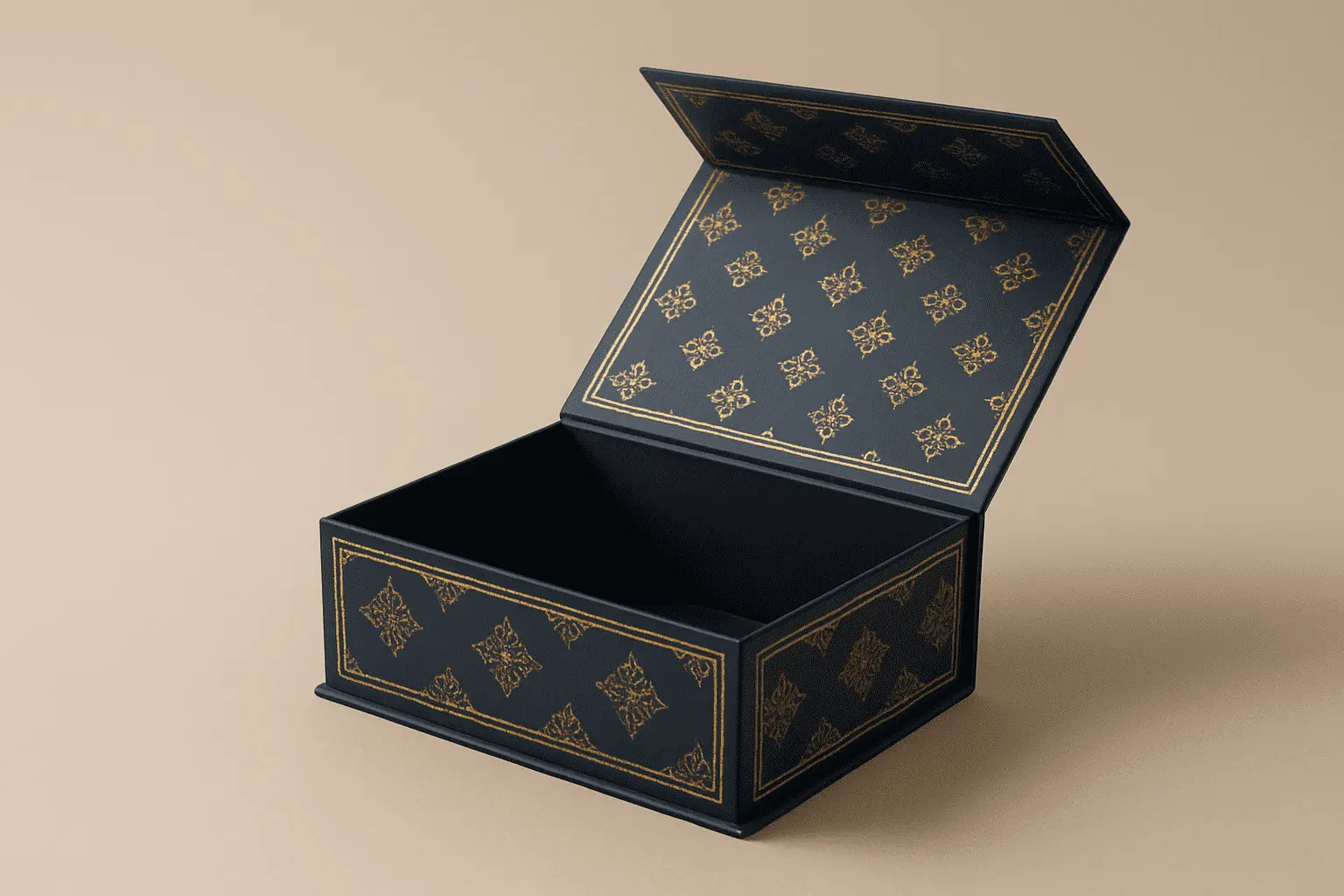
Metallic Paper Box Production Challenges Buyers Should Know
When procurement teams look for a metallic paper box for high-end packing, they run into unique production challenges that can have a big effect on project timelines, prices, and quality. To get consistent results with gold finishing, which is different from regular paperboard packing, you need to use specific production methods, handle materials carefully, and use advanced quality control measures. When buyers know about these problems, they can make smart choices, set reasonable goals, and choose manufacturing partners who can provide dependable, high-quality metal packing solutions that meet brand standards and government rules.

Understanding Metallic Paper Box Production Challenges
Putting together metallic paper boxes is a complicated process that needs a lot of technical know-how and accuracy. Metallic finishes are different from other types of packing because they need to be handled in a certain way so that they stay consistent over long production runs while still looking good and being strong.
Material Complexity and Quality Variations
Because they are made of different materials, metallic paper bases pose special problems. The metal layer, which is usually aluminum or special metallic films, needs to stick to the paperboard underneath without making it less flexible or durable. Changes in the quality of the raw material can cause bonding problems that can cause delamination during the die-cutting or assembly process. These differences are especially annoying when sellers get shiny papers from different mills or production batches. This causes color and texture differences that hurt the way a brand looks.Choosing the right metals materials requires giving careful thought to the uses that will be carried out. When it comes to metals, premium makeup packaging needs different ones than food or tech packaging. Buyers need to know that cheap shiny papers might not last as long as more durable choices, and that high-performance options cost a lot more in materials.
Coating Consistency and Adhesion Challenges
Keeping the silver covering uniform is always a problem for production. During printing, laminating, die-cutting, and folding, among other manufacturing steps, the metallic layer must stay stable. If the covering thickness isn't uniform, it can look patchy, and if it doesn't stick well, it can flake or peel off during shipping and handling.Environmental factors during production have a big effect on how well the coating works. Changes in temperature and humidity, as well as pollution, can damage the quality of a glossy finish. To get uniform results, manufacturers must set up controlled production environments and strict testing methods for materials.
Integration with Sustainable Materials
Today's buying teams care more and more about protecting the environment, which makes the process of making metallic paper boxes even more complicated. When trying to find an eco-friendly substrate that meets the needs of a metallic finish, efficiency and environmental effect are often two things that have to be traded off. For metal uses, recycled paperboard might not have the best surface quality, and FSC-certified materials might not be easy to find in certain metal shapes.Even though water-based adhesives and eco-friendly laminates are better for the earth, they might not stick as well as chemical-based options. During the planning process, these things need to be carefully thought through to make sure that environmental goals and functional needs are aligned.
Key Production Steps & Where Challenges Arise
Knowing which parts of the production process usually cause problems helps buyers plan for possible problems and work together with manufacturing partners in a way that reduces risks and guarantees project success.
Material Selection and Specification Development
Precise material specifications are the first step in making metallic paper boxes that work well. People who want to buy metallic paper have to make tough choices about its weight, finish, and fit with the writing methods they want to use. When specifications aren't clear enough, materials have to be substituted, which can lower the quality of the end product or require expensive changes in the middle of a project.The choice of thickness affects both how something looks and how well it works. It may be cheaper to use thinner shiny papers, but they are hard to keep their shape when they are die-cut. On the other hand, thicker surfaces raise the cost of materials and might need to be handled with different tools.
Printing and Surface Treatment Processes
To print on metal surfaces, you need to use special methods and make changes to your tools. Standard printing methods might not get the ink to stick well enough to shiny surfaces, so primers or different ink formulas may need to be used. Most of the time, UV curing systems work better than traditional drying methods. However, they need special ink formulas and take longer to make.Because metallic media are mirrored and change how colors are seen, they are especially hard to match colors to. Standard color management tools might not be able to properly predict how something will look in the end, so physical proofs and possible color changes during production are needed.Metallic finishes need to be carefully coordinated with surface treatments like varnishing or adding more layers of lamination. Treatments that don't work well together can lead to chemical reactions or fails in adhesion that hurt both the look and the sturdiness.
Die-Cutting and Structural Assembly
Because shiny papers tend to crack and delaminate along the edges, precise die-cutting is very important. Standard cutting tools might not give you clean edges; you'll need special cutting dies and the right cutting forces to get that done. The metallic layer can make tiny cracks along fold lines, which could weaken the structure or make it look bad.When metallic laminates are used, the assembly method needs to account for their lack of movement. To keep fold points from cracking or coming apart, standard folding processes may need to change the time and pressure. It's important to choose the right adhesive because some formulas might not stick well to metal surfaces.
Quality Control and Inspection Protocols
To find flaws in the metallic finish, problems with print clarity, and issues with the structure's strength, strict quality checking procedures are needed. Standards for visual inspection must take into account the fact that metal surfaces are shiny, which can hide some flaws when lighting is normal. To find small differences in quality, you need to use special lights and inspection angles.Customization options like metal stamping, debossing, or embossing need extra quality checks to make sure they are registered correctly and have the same depth. Window applications or clear parts need more tests to make sure they meet standards for stickiness and readability.
Comparative Insights: Metallic Paper Boxes vs Alternative Packaging
When making a purchase choice, it's important to compare all of the metal package options with other options to make sure they best meet the needs of the brand, the function, and the budget.
Performance Characteristics and Brand Impact
Compared to regular paperboard boxes, metallic paper boxes have a unique look that makes people think more highly of your brand. The mirrored properties make the product look high-end, which sends a message of quality and class to customers. But this outward benefit comes at a cost of more complicated production and more expensive materials.Metallic paper boxes are better for the environment than plastic options because they are more recyclable and still have good barrier qualities. The paperboard base makes it easier to recycle, but the metal part might need special disposal methods, depending on what the local infrastructure can do.
Cost Structure and Production Considerations
The cost of materials for metallic paper boxes is usually 20–40% higher than those for normal paperboard choices. This depends on the specifics and the number of orders. When compared to standard packing choices, production complexity means more work and possibly longer lead times.Metallic paper boxes frequently offer a more cost-effective way to show luxury items than rigid boxes or other high-end packing options. The design that folds up makes it easier to store and ship things while still giving them a polished look.
Durability and Protective Performance
Metallic laminates can make paperboard more resistant to wetness and better at blocking it than paperboard that isn't covered. The layered structure, on the other hand, might be more likely to get damaged by impacts or edge wear during shipping and handling operations.Protection levels change a lot depending on how the structure is built and how thick the material is. When made correctly, metallic paper boxes can protect makeup, tech accessories, and other similar items well enough while also looking better than cardboard options.
How to Choose the Right Metallic Paper Box Supplier: Procurement Considerations
To find the right manufacturing partner, you need to look at their technical skills, quality processes, and willingness to work together to make sure the project goes well and the relationship lasts.
Certification and Quality Management Systems
Certifications like ISO9001 and ISO14001 give people basic peace of mind about quality control and environmental duty. But making metallic paper boxes can be helped by extra certifications like FSC environmental credentials and G7 color management credentials. These credentials show a dedication to accurate color rendering and ethical material sources.Food-grade certificates are needed when metal boxes will come into touch with food. To make sure that packaging materials meet FDA standards for direct or indirect food contact uses, they need to be checked against food safety processes and FDA rules.
Production Capabilities and Equipment Assessment
The best quality results are guaranteed by advanced printing equipment that is designed to work with steel surfaces. Suppliers who have UV printing, precise die-cutting systems, and controlled production settings are ready to take on difficulties in the manufacturing of metallic paper boxes.Check to see if the seller can handle complicated finishing tasks like foil stamping, embossing, or unique coatings. Finishing choices may be limited if you can't do them yourself, or you may have to outsource, which extends lead times and makes quality control more difficult.
Customization Flexibility and Design Support
All-around design support services make it easier to deal with the special needs of making metallic paper boxes. Experienced package experts can give you good advice on choosing the right materials, making the structure work better, and using the right finishing methods to get the look you want while keeping the functionality you need.With prototyping, design ideas can be tested before they are put into full production. Rapid prototyping services let you make changes to your design over and over again, and they also help you find problems that might come up with production early on in the process.
Communication and Project Management
Communication that is clear about output schedules, quality standards, and possible problems sets the stage for working together well. Suppliers should keep project managers informed of any problems that might affect supply times or quality on a regular basis.Technical writing skills make sure that specifications are managed correctly and that quality can be tracked throughout production. Keeping detailed records of the process and quality helps with ongoing growth and making it easier to solve problems when they come up.
Best Practices for Minimizing Risks in Metallic Paper Box Procurement
By using thorough risk management plans, you can avoid common buying mistakes and set up a framework for good relationships with suppliers and consistent quality results.
Pre-Production Planning and Specification Management
Creating detailed specifications keeps people from misunderstood each other and lowers the chance of quality problems or cost overruns. In the purchase paperwork, you should list all of the material requirements, tolerances for size and shape, color standards, and finishing requirements.Before finishing designs, do full feasibility studies with possible suppliers. Early teamwork helps find possible production problems and lets designers make changes to the design that make it easier to make without sacrificing the design's aesthetic goals.
Quality Control Framework Implementation
Before production starts, make sure there are clear quality standards and checking procedures. Set quality standards for things like print clarity, metallic finish consistency, accurate measurements, and structure soundness so that everyone knows what to expect.Set up a series of approval steps, such as material samples, pre-production samples, and production samples. This method lets you find quality problems early on and gives you a chance to fix them before you commit to full production.
Supplier Relationship Management
Form relationships where people can work together on more than one project. When you have long-term relationships with qualified suppliers, you can get better prices, more flexible schedules, and more consistent quality because the suppliers will know your needs and tastes better.Regular meetings of performance review and comments help keep quality standards high and find ways to make the process better. Talking about problems and wins in a constructive way strengthens relationships and makes procurement more effective overall.Keep in touch with backup suppliers to make sure you don't lose service when volume or quality issues arise. Qualified alternative sellers give you more buying options and lower the risks of being dependent on one source, which could affect important project deadlines.
Conclusion
When buying metallic paper boxes, you have to be very careful to deal with tricky production issues while keeping cost, appearance, and functionality in mind. Procurement teams can make smart choices and build strong relationships with suppliers when they understand the complicated nature of materials, the limits of production, and the needs of quality control. Creating detailed specifications, enforcing strict quality control, and working together with qualified manufacturing partners who have the technical know-how and cutting-edge tools needed for consistent production of metal packaging are all important for success.
FAQ
What makes metallic paper box production more complex than standard packaging?
Making metallic paper boxes requires careful handling of the base, exact coating applications, and advanced printing methods that need to be done in controlled settings with specific tools. The silver layer makes it hard for things to stick together, so die-cutting methods need to be changed, and quality control procedures need to be improved to keep things consistent across production runs.
How do minimum order quantities affect metallic paper box procurement?
Due to the difficulty of getting materials and setting up, making metallic paper boxes usually needs larger minimum order numbers. When it comes to metallic substrates, economies of scale become more important. This means that smaller orders cost more, while larger amounts allow for better price and stability in quality.
What certifications should buyers prioritize when selecting metallic paper box suppliers?
Some important certificates are ISO9001 for managing quality, ISO14001 for caring for the environment, and G7 color management for making sure that prints look the same every time. Certifications relevant to the industry may also be needed, such as FDA compliance for applications that come into touch with food or FSC certification for applications that need to meet sustainability standards.
Partner with Fetching Printing for Your Metallic Paper Box Manufacturing Needs
Guangzhou Fetching Printing has been making high-quality metallic paper boxes for more than 20 years. They offer advanced manufacturing skills and full design help to make sure their customers get the best package solutions. Our ISO9001, ISO14001, FSC, and G7 color management certifications make sure that our products always meet the quality and environmental standards needed by businesses around the world. We make special metallic paper boxes that meet the strictest requirements for electronics, makeup, luxury goods, and industrial uses. Our KBA106-(9+1) UV printing systems and automatic production lines are the best in the business. For more information on how our metallic paper box seller can help your brand look better while still meeting your needs, email our packing experts at public@fetchingprinting.com.
References
1. Smith, J.R. "Advanced Packaging Materials: Metallic Substrate Technologies and Production Challenges." Journal of Packaging Technology, vol. 45, no. 3, 2023, pp. 78-95.
2. Chen, L.M. "Quality Control Systems in Premium Packaging Manufacturing: Best Practices for Metallic Paper Applications." International Packaging Research Quarterly, vol. 18, no. 2, 2023, pp. 156-172.
3. Rodriguez, M.A. "Sustainable Packaging Solutions: Balancing Environmental Requirements with Metallic Finish Performance." Packaging Engineering Review, vol. 31, no. 4, 2023, pp. 203-219.
4. Thompson, K.P. "B2B Procurement Strategies for Specialty Packaging Materials: Risk Management and Supplier Selection." Industrial Procurement Analysis, vol. 22, no. 1, 2023, pp. 89-106.
5. Williams, D.H. "Manufacturing Process Optimization in Metallic Paper Box Production: Technical Considerations and Quality Assurance." Packaging Manufacturing Technology, vol. 29, no. 6, 2023, pp. 334-351.
6. Anderson, R.C. "Cost Analysis and Market Trends in Premium Packaging Materials: Metallic Paper Box Applications Across Industries." Packaging Economics Journal, vol. 16, no. 5, 2023, pp. 245-263.

Based on your location and order quantity, you will have the opportunity to receive a limited time free shipping promotion!

Corporate Purpose