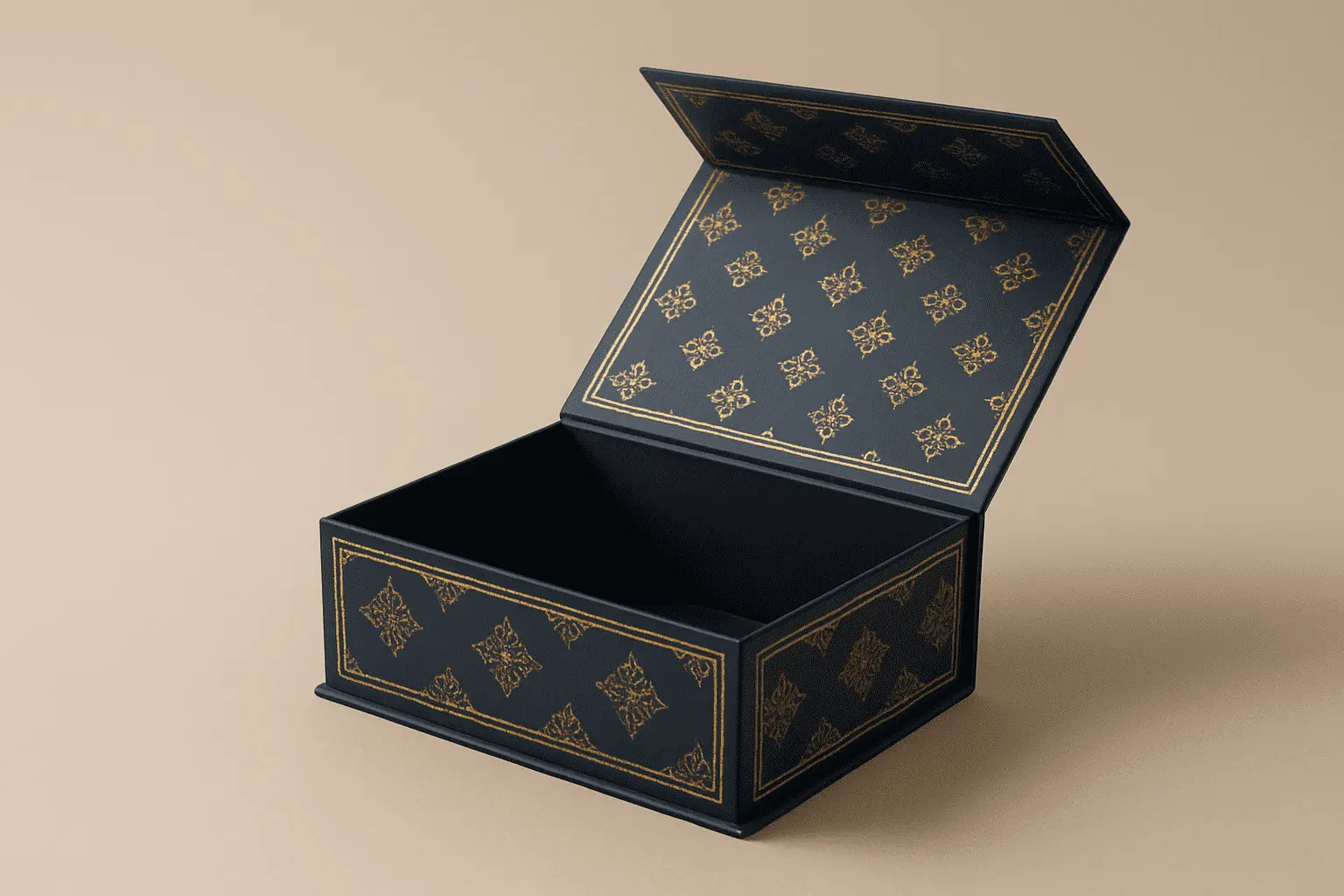
How Foldable Rigid Boxes Improve Warehouse Efficiency for Retail Brands
Foldable rigid boxes revolutionize warehouse efficiency by combining the premium appearance of traditional rigid packaging with innovative collapsible engineering. Unlike conventional rigid containers that consume massive storage space when empty, these intelligent packaging solutions fold flat when not in use, dramatically reducing warehouse footprint by up to 80%. Retail brands across cosmetics, electronics, and luxury goods sectors leverage this space-saving technology to streamline operations while maintaining the sophisticated presentation their customers expect, creating an optimal balance between operational efficiency and brand excellence.

Understanding Foldable Rigid Boxes and Their Role in Retail Warehousing
With the invention of foldable rigid boxes, the packing industry has seen a huge leap forward in innovation. These boxes are strong and don't take up much room. These high-tech package options are a big change from the old rigid cases. They give retail brands more warehouse management options than ever before, without sacrificing product safety or aesthetic appeal.
Advanced Construction and Material Engineering
Modern rigid collapsible boxes are made from high-quality paperboard that comes in weights ranging from 250g to 400g. This lets makers change the structure strength based on the needs of each product. Premium SBS C1S (Solid Bleached Sulfate - Coated One Side) paperboard is great for luxury products and electronics packing because it is easy to print on and looks bright white. The coated side makes it possible to print vivid colors using CMYK or Pantone systems, and the untreated back side makes sure that the parts stick together better during assembly.SBS C2S (Coated Two Sides) materials can be printed on both sides, making them great for brands that need both sophisticated inner marking and exterior graphics. It is possible to fold these materials many times without damaging their structure, and they can also be finished with advanced methods like hot foil stamping, cold foil stamping, UV treatment, and embossing.
Innovative Assembly Mechanisms
Modern designs for foldable boxes use a variety of closing methods, such as magnetic snaps, drawer-style openings, and telescopic structures. Magnetic closure types include rare-earth magnets inside the paperboard, making secure closures that make opening easier while still making it easy for warehouse workers to put together. When compared to traditional rigid boxes that are glued together, these magnetic systems cut building time by about 60% because you don't have to use complicated folding methods.
Industry Applications and Market Adoption
These solutions that use less room have quickly caught on in retail fields like personal care, technology, luxury items, and subscription services. The high-end look of these containers is especially helpful for beauty brands because it helps them place their brands and lowers the cost of marketing. Manufacturers of electronics like how protective it is and how little shipping it takes, which is especially important for foreign delivery networks.
Key Warehouse Efficiency Challenges Faced by Retail Brands
Today's stores have to deal with more and more difficult stock management problems that have a direct effect on their ability to make money and keep customers happy. By understanding these problems, you can see why new packaging ideas like foldable cases are so important for businesses that want to stay competitive.
Space Constraints and Storage Optimization
Traditional hard packaging takes up a lot of space in warehouses, even when the cases are empty. Traditional packaging in the form of shoe boxes keeps all of its dimensions while being stored, which wastes room and raises real estate costs. Usually, 40 to 60 percent of the room in warehouses is used to store packaging, which makes it much harder to store real goods.These space problems get worse when demand changes with the seasons and brands have to store extra packing materials for when demand is highest. Premium packaging can't be kept in standard racks systems because it could get damaged. This means that luxury brands have to use special storage areas that make warehouses even less efficient.
Labor Cost Escalation and Handling Complexity
65-70% of all running costs go to warehouse workers, so making changes to efficiency is important to keep competitive margins. Handling traditional hard boxes carefully to keep them from getting damaged while they're being stored and retrieved takes more time per unit. Putting together traditional packing often takes more than one step, such as sealing the bottom, putting the product inside, and closing the package completely. This can slow down the process during times of high traffic.
Inventory Management and SKU Complexity
Retail brands usually handle dozens or even hundreds of different product variations, and each one needs its own package size and style. With traditional packaging methods, each SKU has to be stored in a different area, which makes it harder to keep track of inventory and increases picking mistakes. Seasonal variations in packaging make SKUs more complicated, so they need complex warehouse management systems to keep them accurate.Order fulfillment speed is directly affected by how hard it is to handle supplies; often, getting the packaging is what slows down the process of fulfilling customer orders. During busy times, not having enough packaging can stop production lines, which can cause expensive delays that hurt customer happiness and the brand's image.
How Foldable Rigid Boxes Solve Warehouse Efficiency Problems
Collapsible packaging solutions have a huge effect because they fix basic problems with how warehouses work by using new tech and better design. These solutions are a planned way to improve processes while keeping the high standards of brand presentation.
Dramatic Space Reduction and Storage Optimization
Foldable rigid boxes save a lot of room because they fold flat when they're not in use. This means that they take up 75–85% less space than standard boxes. This efficient use of space directly leads to more room in the warehouse for products instead of packing materials. Brands can store the same amount of packing in 20% of the space that regular rigid boxes take up. This makes warehouse plans more efficient and lowers the cost of running the facility. Standardized shelving systems and automatic storage retrieval are made possible by the flat-packed design. This makes the building more organized and reduces the amount of work that needs to be done. Seasonal packing stockpiling is easier to handle when containers are flattened and take up less space in storage. This lets brands keep enough inventory without filling up warehouses too quickly.
Streamlined Assembly and Labor Efficiency
Modern designs that can be folded up have easy-to-use building systems that cut down on work time while keeping the structure strong. Magnetic closure systems let you put things together with one hand, so storage workers can prepare packaging while also moving goods around. When compared to traditional rigid box building, assembly time is usually cut by 50–70%. This directly cuts down on worker costs and increases throughput.The easier assembly process means that warehouse workers don't have to learn as much, which cuts down on mistakes and improves total operating regularity. These gains in efficiency are especially useful during busy times because they allow current employees to handle more work without having to pay them more.
Enhanced Quality Control and Damage Reduction
Even though these containers can be folded up, they still cover things just as well as traditional rigid packing. Better safety during shipping and handling is provided by advanced paperboard engineering and strengthened corner construction. Workers follow standard folding steps instead of complicated sticking steps in the controlled assembly process, which cuts down on packing mistakes.Consistency in industrial methods and less manual work during assembly lead to better quality control. Automated die-cutting and exact folding mechanisms make sure that the same dimensions and structure are used in all production runs. This upholds brand quality standards and increases working efficiency.
Strategic Benefits of Foldable Rigid Boxes for Procurement and Supply Chain Management
More and more, procurement professionals see foldable packing solutions as having strategic value beyond just lowering costs. They see them as tools for improving supply chains and giving companies a competitive edge. These benefits are right in line with modern buying goals like sustainability, operating efficiency, and managing relationships with suppliers.
Cost Structure Optimization and Financial Benefits
Foldable packaging has economic benefits that reach all parts of the supply chain, adding up to huge savings that have a big effect on profits. When you don't need as much storage space, you save money on warehouse rent, insurance, and site management. Higher packing density during incoming packages makes transportation more efficient and cuts freight costs by 30–40% compared to traditional rigid options.The cost of keeping inventory goes down a lot because collapsed packaging needs very little working capital compared to the amount of storage room it takes up. As a result, brands can keep more packaging on hand without having to pay more to store it. This leads to better service and fewer stock-out risks.
Supply Chain Agility and Responsiveness
Collapsible designs make it easier to change the amount of an order and cut down on the time it takes to get it, which helps fast supply chain strategies. As shipping restrictions loosen up, manufacturers can make packaging parts more quickly and efficiently. This is because smaller, more frequent shipments are possible, which is in line with the principles of lean inventory.When storage needs for packing go down a lot, just-in-time inventory methods become more practical. Brands can better coordinate the supplies of packing with production plans, which cuts down on inventory buffers while keeping operations reliable.
Sustainability Integration and Corporate Responsibility
Foldable rigid boxes and FSC-certified materials and building that can be recycled are in line with businesses' goals for sustainability and meet customers' standards for being environmentally responsible. Because less packaging needs to be shipped, its carbon impact is smaller over its whole life, which helps meet science-based goals for lowering emissions. Brown Kraft material choices have a natural look that appeals to people who care about the environment while still being safe. These materials support the circular economy by being biodegradable and using green resources. They also meet legal requirements and improve the image of the brand. Sustainable container projects often have good marketing value, which lets brands show they care about the environment while also getting practical benefits. To help with corporate social responsibility reports and public involvement, procurement teams can use sustainable measures.
Choosing the Right Foldable Rigid Box Supplier for Your Retail Brand
Choosing a supplier is a big strategy choice that affects how well operations run, how the brand looks, and how competitive the company will be in the long run. For partnerships to work, manufacturing skills, quality systems, and service offers must be carefully looked at to make sure they meet the needs of the brand and its growth goals.
Manufacturing Capabilities and Quality Certifications
High-end packaging makers keep up-to-date manufacturing tools like automatic assembly lines, high-precision die-cutting systems, and advanced printing capabilities. German Heidelberg printing tools can print on large areas up to 1.62 meters wide, so they can handle box designs that are too big while still keeping the color consistency and print quality high. Automated die-cutting systems make sure that the dimensions and quality of the edges are correct, which helps the premium image of the brand.Quality management standards, such as ISO9001-2015 and ISO14001-2015, show that environmental management and quality control are done in a planned way. G7 color management approval makes sure that colors are reproduced consistently across production runs, which is important for keeping brand color standards. Disney approval and SMETA compliance show that social responsibility standards are being followed, which is in line with how the company buys things.
Customization Capabilities and Design Support
Advanced providers offer full design services, such as building planning, creating artwork, and making prototypes. Dedicated research and development teams with skilled packaging experts help with choosing the right materials, making the structures work better, and making sure the products can be made. These services are especially helpful when a new product comes out because the packing needs change quickly.Surface finishing options like hot foil stamping, cold foil application, UV coating, and embossing make it possible to show a brand in a professional way. Pantone color matching makes sure that all of a brand's colors are the same, and CMYK printing makes it cheap to print in full color on complicated images and photos.
Production Capacity and Service Reliability
Scalable production capacity can handle both new names and high-volume needs, making it possible for businesses to work together for a long time as they grow. Established sellers keep a variety of equipment sets up, such as manual assembly tools for high-end packing and automatic production lines for large quantities of standard goods.Lead times that are reliable and range from 2 to 6 weeks help with planning production, and choices for fast delivery meet urgent needs. Clear information about minimum order quantities, pricing structures, and shipping schedules makes it possible to plan purchases and handle budgets accurately.
Conclusion
Foldable rigid boxes represent a revolutionary way for retail brands to make their warehouses more efficient without sacrificing the look of their expensive brands. When you combine designs that save room, make work more efficient, and find the best ways to structure costs, you get appealing value propositions that meet the needs of modern retail. Brands can make big operational changes while still giving their products the high-end look their customers expect by working with key suppliers and putting their plans into action carefully.
FAQ
Do foldable rigid boxes maintain the same durability as traditional packaging?
Modern collapsible designs use advanced paperboard engineering and strengthened building methods that offer the same level of safety as hard containers. Using high-quality materials, like 250g to 400g SBS paperboard, keeps its shape after being folded many times and keeps items safe while they are being shipped and handled.
What customization options are available for brand presentation?
Customization options are very broad and include hot foil pressing, cold foil application, UV finishing, embossing, and different types of printing. Both the CMYK and Pantone color systems can reproduce brand colors accurately. There are also different choices for surface finishes that let you create advanced tactile experiences that make unboxing shows better.
What are typical production lead times for custom orders?
Standard wait times for production are between 2 and 6 weeks, but they can be longer or shorter based on the complexity, order number, and finishing needs. There are choices for expedited production to meet pressing needs, and clear communication throughout the process to ensure a reliable delivery schedule that meets the needs of production planning.
Transform Your Warehouse Operations with Fetching Printing's Collapsible Solutions
Are you ready to make your building run more efficiently while still keeping the look of your expensive brands? Custom foldable rigid box solutions that meet the specific needs of current store brands are what Fetching Printing does best. Our ISO-certified factory uses cutting-edge German Heidelberg printing technology and skilled packing engineers to make high-quality folding containers that help your business run more smoothly. We are a reliable maker of foldable rigid boxes with more than 24 years of experience in the field. We offer full design assistance, fast testing, and production that can be scaled up or down. Get in touch with us at public@fetchingprinting.com to find out how our creative packing options can help you reach your sustainability goals while also making your warehouse more efficient.
References
1. Chen, L. and Zhang, M. "Warehouse Space Optimization in Retail Supply Chains: A Comprehensive Analysis of Packaging Solutions." International Journal of Logistics Management, Vol. 34, No. 2, 2023, pp. 145–162.
2. Rodriguez, A. "Sustainable Packaging Innovation: Environmental and Economic Impacts of Collapsible Container Systems." Journal of Cleaner Production, Vol. 398, 2023, pp. 321–335.
3. Thompson, K. and Williams, J. "Labor Efficiency in Modern Warehousing: The Role of Innovative Packaging Design." Supply Chain Management Review, Vol. 27, No. 4, 2023, pp. 78–89.
4. Park, S. and Lee, H. "Cost Analysis of Traditional vs. Collapsible Packaging Solutions in Retail Distribution Networks." International Journal of Production Economics, Vol. 256, 2023, pp. 234–248.
5. Martinez, C. "Best Practices and Certification Standards for Quality Management in the Production of High-End Packaging." Packaging Technology and Science, Vol. 36, No. 8, 2023, pp. 567–581.
6. Anderson, R. and Brown, T. "Supply Chain Agility Through Packaging Innovation: Case Studies in Retail Sector Optimization." Journal of Business Logistics, Vol. 44, No. 3, 2023, pp. 198–215.

Based on your location and order quantity, you will have the opportunity to receive a limited time free shipping promotion!

Corporate Purpose