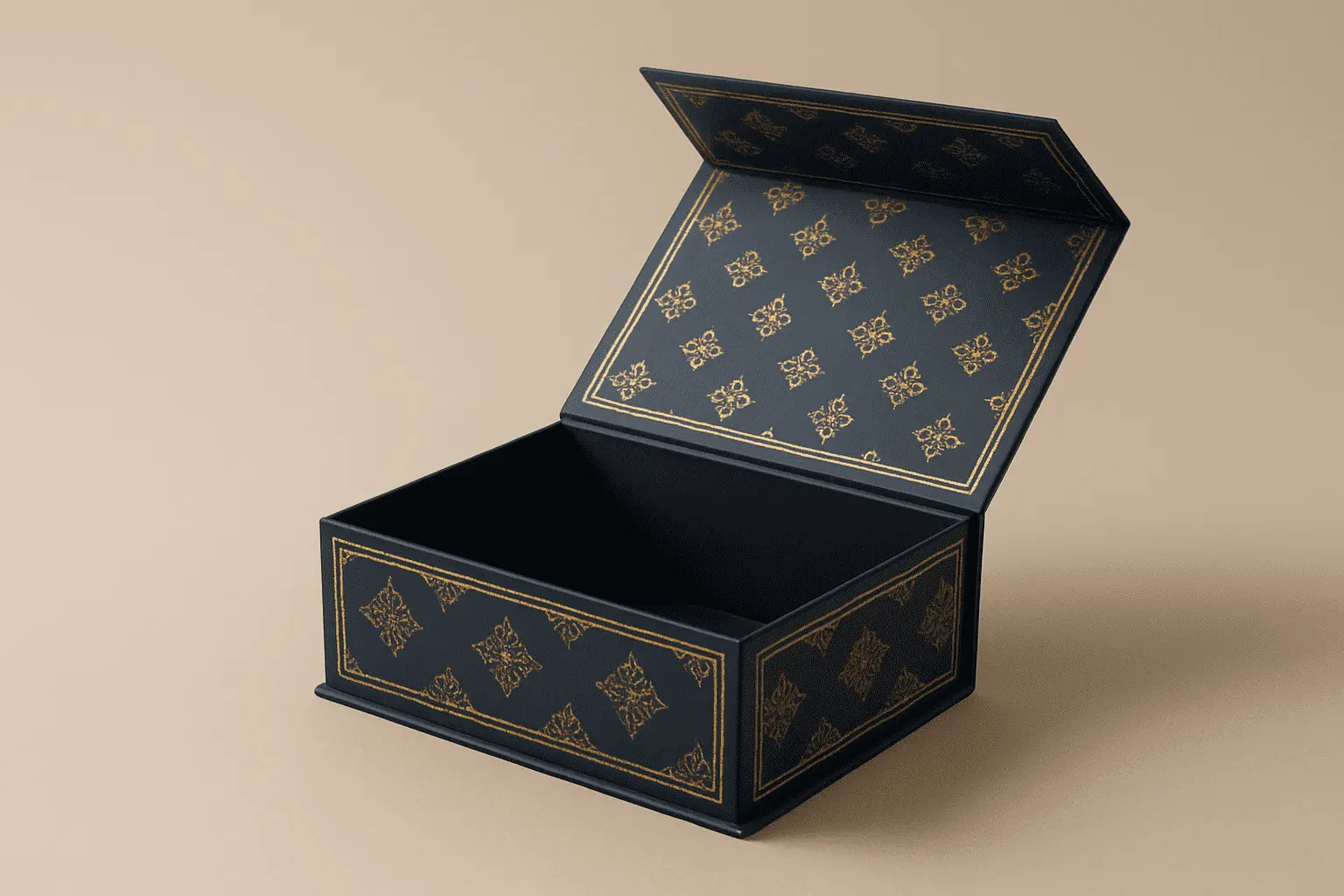
Luxury Brands in Europe Using Collapsible Rigid Gift Boxes
European luxury brands face a persistent challenge: delivering premium unboxing experiences while managing spiraling logistics costs that can consume up to 40% of packaging budgets. Collapsible rigid boxes solve this dilemma by combining the sophisticated appearance of traditional rigid packaging with space-saving engineering that reduces shipping and storage expenses by over 60%. From Parisian perfume houses to Swiss watchmakers, leading luxury brands across Europe are adopting collapsible rigid boxes to maintain their premium image while achieving operational efficiency that directly impacts their bottom line.

Why European Luxury Brands Choose Collapsible Rigid Boxes?
The European luxury market operates under unique pressures that make collapsible rigid boxes particularly attractive. Traditional rigid gift boxes, while visually impressive, create substantial logistical burdens for brands distributing products across multiple countries and continents. A standard rigid box for a premium cosmetic item might measure 200mm x 150mm x 80mm when assembled, but this same dimension must be maintained during shipping and warehousing, consuming valuable space whether the box contains product or sits empty in inventory. European luxury brands, many operating from historic city centers with limited warehouse capacity and facing stringent environmental regulations, cannot afford this inefficiency. Collapsible rigid boxes address these pain points through intelligent structural design. These boxes ship and store flat, occupying a fraction of the space required by traditional rigid packaging, yet assemble into the same premium presentation that luxury consumers expect. The construction utilizes precision die-cutting and creasing techniques that allow the box to fold flat without compromising the rigid walls that give the package its upscale feel. When a customer opens a collapsible rigid box from a luxury brand, they experience the same satisfying resistance, the same substantial weight, and the same elegant reveal as they would with a conventional rigid box. The difference lies entirely in the supply chain efficiency that the brand enjoys behind the scenes.
The Engineering Behind Premium Collapsible Structures
Manufacturing collapsible rigid boxes for luxury applications requires sophisticated engineering that balances aesthetic perfection with functional collapsibility. The process begins with selecting premium substrates—typically grey chipboard or duplex chipboard for the structural core, laminated with SBS C2S paperboard that provides the bright white printing surface luxury brands demand. The grey chipboard foundation delivers the rigid feel essential for premium packaging, with thicknesses ranging from 1200gsm to 2000gsm depending on product dimensions and brand requirements. This substantial base material ensures the assembled box maintains its shape under the weight of luxury goods while providing the tactile quality that communicates value to consumers. The collapsible mechanism itself represents the critical innovation. Unlike simple folding cartons, collapsible rigid boxes incorporate precisely engineered score lines, reinforced corners, and intelligent panel arrangements that allow the structure to collapse flat without creating visible stress marks or compromising structural integrity. Advanced production facilities employ automatic visual positioning systems during manufacturing, ensuring that every crease, every fold line, and every glue point aligns with sub-millimeter precision. This manufacturing precision prevents the premature wear that would degrade the box's appearance and ensures consistent assembly performance across thousands of units. For luxury brands, this reliability is non-negotiable—a single collapsed box that fails to assemble properly or shows creasing damage represents a broken brand promise.
Material Selection for European Luxury Standards
European luxury brands maintain exacting standards for packaging materials, driven both by brand heritage and by increasingly stringent EU environmental regulations. Collapsible rigid boxes serving this market typically incorporate FSC-certified materials that verify sustainable forestry practices, meeting both corporate responsibility goals and consumer expectations. The paper selection process considers multiple performance factors beyond basic structural requirements. SBS C2S paperboard, coated on both sides, provides the premium printing surface that luxury applications demand while offering food-safe properties essential for cosmetics and personal care packaging that may contact skin or lips. The coating weight and finish type significantly impact the final visual result. Luxury applications typically specify heavier coating weights—25-30 gsm per side—that create an ultra-smooth surface capable of reproducing the subtle color gradients and fine typography that distinguish premium brand identities. The base whiteness of the board matters equally, with luxury specifications often calling for brightness values above 90% to ensure that printed colors appear vibrant and that metallic foils achieve maximum reflectivity. These material characteristics work together to create packaging that photographs beautifully for social media—an increasingly important consideration as luxury brands recognize that customer unboxing videos and posts extend their marketing reach organically.
Innovative Applications Across European Luxury Sectors
European luxury brands have developed creative applications for collapsible rigid boxes that extend beyond simple product containment. In the fragrance industry, French and Italian perfume houses use collapsible rigid boxes for seasonal collections and limited editions, creating elaborate packages that justify premium pricing while managing the inventory challenges inherent in time-limited offerings. A typical implementation might feature a medium-sized collapsible rigid box suitable for fragrance bottles with heights between 50-100mm, finished with hot foil stamping in metallic gold or rose gold tones that reference the brand's heritage. The collapsible structure allows retailers to stock significant quantities of seasonal packaging in compact storage areas, then assemble boxes on-demand as customer purchases occur. Swiss watchmakers have embraced collapsible rigid boxes for secondary packaging—the outer boxes that protect the primary watch case during shipping and retail display. This application demonstrates particular sophistication because watch boxes require exceptional rigidity to protect valuable timepieces, yet the secondary packaging need not remain assembled during warehousing. Large collapsible rigid boxes, engineered for product heights of 100-150mm, provide the necessary protection while collapsing to approximately 15% of their assembled volume. The exterior receives embossing or debossing treatments that create subtle brand logos or texture patterns, adding tactile interest that reinforces the luxury positioning. Premium watchmakers often specify matte lamination finishes that provide a soft-touch surface feel, departing from glossy treatments to convey understated elegance.
Cosmetics and Personal Care Innovations
The European cosmetics industry represents perhaps the most innovative adopter of collapsible rigid boxes, driven by intense competition and rapidly changing product lines. Premium skincare brands launching new serum collections or limited-edition makeup palettes face a particular challenge: they need packaging that commands attention on crowded retail shelves and justifies luxury pricing, but they cannot afford to manufacture six months of rigid boxes that sit in warehouses consuming space and capital. Collapsible rigid boxes resolve this tension perfectly, allowing brands to maintain modest packaging inventory that can be assembled rapidly as demand materializes. These applications frequently incorporate multiple finishing techniques to create visual complexity that elevates perceived value. A typical luxury cosmetics implementation might combine spot UV coating on brand logos to create glossy highlights against a matte-laminated background, add embossing to create dimensional interest, and finish with holographic foil stamping for color-shifting accents that prevent counterfeiting while creating Instagram-worthy aesthetics. The tiny size category of collapsible rigid boxes, designed for products with heights of 20-50mm, proves particularly valuable for luxury sample programs and travel-size collections. These compact packages maintain the same premium finishing capabilities as larger formats while offering even more dramatic space savings—a flat-packed tiny collapsible rigid box occupies minimal space yet assembles into a substantial presentation that customers perceive as disproportionately valuable relative to the product size.
Fashion and Accessories Applications
European fashion houses and leather goods manufacturers deploy collapsible rigid boxes for a range of accessories packaging, from wallet boxes to scarf presentations. These applications demand particular attention to interior finishing because luxury fashion accessories often feature delicate materials that require protective packaging. Many implementations incorporate custom-cut foam inserts or pleated tissue paper that suspends products away from box walls, preventing abrasion during shipping while creating an elegant reveal when customers open the package. The collapsible structure accommodates these protective elements through clever design—inserts may compress slightly as the box collapses, or they may be designed for separate insertion after box assembly at the retail or fulfillment level. The color palette and finishing treatments for fashion packaging often reflect seasonal trends or specific collection themes. A spring collection might feature collapsible rigid boxes printed on metallic paper substrates that create luminous pearl or silver backgrounds, while autumn collections might specify brown kraft paper for its natural, organic aesthetic that aligns with sustainable fashion messaging. The versatility of collapsible rigid boxes makes these seasonal variations practical—brands can manufacture modest quantities of specialized packaging without the inventory burden that would make such customization prohibitively expensive with traditional rigid boxes.
Cost Efficiency and Sustainability Benefits
The financial advantages of collapsible rigid boxes extend beyond simple shipping cost reductions, creating value across multiple operational areas. Transportation represents the most obvious savings category—when packaging collapses to 15-20% of its assembled volume, brands can consolidate shipments dramatically, reducing freight expenses by 60% or more compared to shipping traditional rigid boxes. For European luxury brands distributing globally, this efficiency compounds across ocean freight, air cargo, and final-mile delivery. A container that might hold 5,000 traditional rigid boxes can accommodate 30,000 or more collapsible units, fundamentally changing the economics of packaging procurement and distribution. Warehousing costs decline proportionally as collapsible packaging requires significantly less storage space. European distribution centers, particularly those in urban areas where real estate commands premium prices, achieve substantial savings by storing flat-packed collapsible rigid boxes on compact shelving rather than dedicating extensive floor space to bulky assembled boxes. This space efficiency creates strategic flexibility—brands can maintain larger packaging inventories without proportional warehouse expansion, improving their ability to respond to demand spikes or launch new products without long manufacturing lead times. The reduced storage footprint also minimizes handling labor, as warehouse staff can move higher quantities of flat-packed boxes with each trip, improving operational productivity.
Environmental Impact and EU Compliance
European environmental regulations increasingly influence packaging decisions, with directives targeting waste reduction, recyclability, and sustainable materials sourcing. Collapsible rigid boxes align naturally with these regulatory pressures while supporting corporate sustainability commitments that resonate with European luxury consumers. The space-efficient shipping translates directly to reduced carbon emissions—fewer trucks, ships, and aircraft required to move the same quantity of packaging means lower greenhouse gas output across the supply chain. Many European luxury brands publish detailed sustainability reports that quantify these benefits, using packaging optimization as a concrete example of environmental progress. The materials themselves contribute to sustainability profiles when properly specified. Grey chipboard and duplex chipboard cores manufactured from recycled paper content reduce virgin fiber consumption while maintaining the structural performance luxury applications require. When combined with FSC-certified face papers, these constructions deliver packaging that meets circular economy principles—designed for recyclability at end-of-life while incorporating recycled content during manufacturing. European luxury brands increasingly promote these credentials on packaging itself, adding small sustainability logos or statements that inform consumers about responsible material choices without compromising the premium aesthetic. This transparency builds brand loyalty among environmentally conscious luxury consumers who seek products that align with their values.
Technical Specifications and Customization Options
Professional collapsible rigid boxes for luxury applications come in three primary size categories, each optimized for specific product dimensions. Large collapsible rigid boxes accommodate products with heights ranging from 100-150mm, suitable for substantial items like fragrance bottles, premium candles, or watch cases. These larger structures require careful engineering to ensure rigidity when assembled, typically incorporating reinforced corner posts or additional glue points that provide structural stability without creating bulk that would prevent proper collapse. Medium collapsible rigid boxes serve the broadest range of luxury products, designed for items with 50-100mm heights including cosmetic jars, jewelry boxes, and compact electronics. This category represents the sweet spot for collapsible engineering—large enough to create impressive unboxing experiences yet compact enough to collapse extremely flat. Tiny collapsible rigid boxes, engineered for products measuring 20-50mm in height, demonstrate the most dramatic space savings and serve specialized luxury applications like lipstick packaging, sample sets, or small jewelry items. These miniature structures require precision manufacturing because engineering tolerances become more critical at smaller scales—a 1mm misalignment that might be imperceptible in a large box can prevent proper assembly or create visible gaps in a tiny package. Manufacturing facilities employ automatic visual positioning systems that verify dimensions continuously during production, ensuring that every tiny collapsible rigid box meets exacting specifications despite the challenges inherent in small-scale fabrication.
Premium Finishing Techniques
The finishing capabilities available for collapsible rigid boxes match or exceed those offered for traditional rigid packaging, enabling luxury brands to create distinctive packages that reinforce brand identity. Hot foil stamping remains among the most popular premium techniques, transferring metallic or pigmented foils onto specific design elements through heat and pressure. Luxury applications frequently specify multiple foil colors within a single design—perhaps rose gold for the brand name, silver for decorative borders, and holographic foil for security elements or special accents. The holographic variations create particularly compelling effects, with microscopic patterns that shift through rainbow colors as viewing angles change, adding visual interest while providing anti-counterfeiting benefits that protect brand integrity. Embossing and debossing treatments create dimensional effects that engage customers' sense of touch, an important consideration for luxury packaging where tactile quality contributes significantly to perceived value. Embossing raises selected design elements above the surface, creating highlights that catch light and cast subtle shadows, while debossing recesses elements for a more understated effect. Luxury brands often combine these techniques with foil stamping—applying foil first, then embossing the same area to create elements that are both visually distinctive and dimensionally interesting. This combination technique, sometimes called "sculptured embossing," produces results that customers instinctively want to touch, creating memorable unboxing experiences that generate positive brand associations.
UV coating applications add another layer of visual sophistication. Spot UV treatments apply high-gloss varnish to selected areas while leaving surrounding surfaces matte, creating contrast that draws attention to logos, product names, or decorative elements. When combined with matte lamination on the overall surface, spot UV creates particularly striking effects—the glossy UV areas appear to float above the matte background, creating subtle dimensionality without adding physical texture. This technique photographs exceptionally well, making it popular for luxury brands targeting social media exposure through customer-generated unboxing content.
Production Process and Quality Assurance
Manufacturing premium collapsible rigid boxes requires integrated production systems that coordinate multiple processes while maintaining luxury-grade quality standards. The production sequence typically begins with printing the face papers—the decorated sheets that will be laminated to the structural board. Offset printing dominates luxury applications, offering superior color fidelity and supporting the fine screens necessary for gradient effects and photographic imagery. The KBA and Heidelberg presses commonly used for this work incorporate inline color measurement systems that verify color accuracy throughout production runs, ensuring consistent results across thousands of sheets. For brands with strict color standards—common in luxury sectors where brand colors must match precisely across all materials—this process control capability is essential. Surface finishing follows printing, with coatings or varnishes applied to enhance durability and visual appeal. UV coating can be applied as overall coverage or in selective spot patterns, while conventional aqueous coatings provide cost-effective protection for applications where high gloss is not required. Matte lamination, increasingly popular in luxury packaging for its sophisticated soft-touch feel, applies thin plastic films that protect the printed surface while creating the low-sheen finish customers associate with premium quality. These films also improve moisture resistance and abrasion resistance, important considerations for packaging that may experience extended shelf life or handling during retail display.
Lamination and Die-Cutting Precision
The lamination process bonds printed and finished face papers to the grey chipboard or duplex chipboard structural core, creating the composite material from which boxes will be manufactured. This step demands precise alignment and pressure control—insufficient adhesive creates delamination risks where face papers may separate from the core during box assembly or use, while excessive adhesive can cause warping or make precise die-cutting difficult. Advanced lamination equipment applies adhesive in controlled patterns that provide secure bonding while minimizing material usage, reducing both cost and environmental impact. The laminated boards then require conditioning time to allow adhesives to cure fully and moisture levels to equilibrate, preventing dimensional changes that could affect subsequent processing steps. Die-cutting represents the most critical operation in collapsible rigid box production, transforming flat laminated boards into precision-cut blanks ready for folding and assembly. Custom steel rule dies cut the outer perimeter, create windows or decorative cutouts if specified in the design, and impress score lines that will become fold points. The accuracy of these score lines determines how successfully the box will collapse and reassemble—scores that are too deep may weaken the structure or create visible crease marks on finished boxes, while scores that are too shallow prevent clean folding and may cause the board to crack when customers collapse the box. Leading manufacturers invest in laser-cut dies and automated die-cutting equipment that positions each board with sub-millimeter accuracy, ensuring consistent results that meet luxury quality standards.
Assembly and Final Inspection
The assembly process brings die-cut blanks to three-dimensional form through precisely sequenced folding and gluing operations. Automated folder-gluers apply adhesive to designated tabs and panels, then mechanically fold the structure into its final shape while the adhesive sets. For collapsible rigid boxes, this equipment must accommodate the thicker boards and more complex folding patterns than simple folding cartons require, necessitating specialized machinery with higher pressure capacity and more sophisticated control systems. Many luxury applications specify hand-assembly or semi-automated processes that allow quality inspection at each step, catching potential defects before they become finished boxes. This approach, while more labor-intensive, reduces waste and ensures that every box meeting customer quality standards. Final quality control inspections verify multiple characteristics before packaging for shipment. Inspectors check dimensional accuracy to ensure boxes will properly accommodate the intended products, test the collapse and reassembly function to verify smooth operation without binding or stress marks, examine print quality for color accuracy and registration, and inspect finishing treatments for complete coverage and proper adhesion. Boxes that pass these inspections proceed to careful packing—typically bundled in quantities that balance efficient handling with protection against damage during shipping. The flat-packed configuration allows dense packing arrangements that maximize container utilization while minimizing movement that could cause abrasion or edge damage.
Conclusion
Collapsible rigid boxes deliver the premium presentation European luxury brands require while solving critical logistical and environmental challenges through innovative engineering and precision manufacturing.
Cooperate with GUANGZHOU FETCHING COLOR PRINTING & PACKAGING LTD.
Partner with a proven China collapsible rigid boxes manufacturer offering over 20 years of expertise and 300+ skilled professionals across a 35,000㎡ facility. As a leading China collapsible rigid boxes supplier and China collapsible rigid boxes factory, we deliver high quality collapsible rigid boxes with competitive collapsible rigid boxes price through advanced automation and proprietary patented structures. Our China collapsible rigid boxes wholesale solutions serve over 1,000 loyal customers with collapsible rigid boxes for sale featuring ISO14001, ISO9001, FSC, Disney, and G7 certifications. Contact public@fetchingprinting.com today to discuss your custom packaging requirements and discover how our comprehensive capabilities in material innovation, structural development, and premium finishing techniques can elevate your brand presentation while optimizing your supply chain efficiency.
References
1. Packaging Europe Editorial Team. "Sustainable Luxury Packaging: Balancing Premium Presentation with Environmental Responsibility." Packaging Europe Magazine, 2024.
2. Robertson, Gordon L. "Food Packaging: Principles and Practice, Fourth Edition." CRC Press, 2024.
3. Smithers Pira Research. "The Future of Luxury Packaging to 2028: Market Forecasts and Innovation Trends." Smithers Market Reports, 2023.
4. Twede, Diana and Susan E.M. Selke. "Cartons, Crates and Corrugated Board: Handbook of Paper and Wood Packaging Technology, Second Edition." DEStech Publications, 2023.
5. European Brand & Packaging Design Association. "Premium Packaging Design Trends: Innovation in Collapsible Structures and Sustainable Materials." EBPDA Annual Report, 2024.

Based on your location and order quantity, you will have the opportunity to receive a limited time free shipping promotion!

Corporate Purpose