Kraft Paper vs Cardboard: Which is Best for Sustainable Bags
When brands that care about the environment compare kraft paper bags to traditional cardboard bags as environmentally friendly packing, kraft paper bags come out on top. Through the kraft process, these bags are made from raw wood pulp and are very strong. They can also be recycled and broken down naturally. Kraft paper is a single-material choice that fits perfectly with circular economy principles and meets strict international sustainability standards. Plastic-lined cardboard options, on the other hand, often contain more than one material.

Understanding Material Fundamentals: Kraft Paper vs Cardboard Construction
The different types of materials that make up kraft paper and cardboard make them better for environmentally friendly packing. Chemical pulping is used to make Kraft paper from long wood fibers, which gives it better tensile strength and longevity. The natural lignin content is kept in this manufacturing process, which is what gives kraft paper its distinctive brown color and strong performance. Cardboard is usually made up of several layers or recycled materials with fibers of different lengths. Even though recovered cardboard is better for the earth, it often needs extra coats or treatments to be as strong as new cardboard because the fibers are thinner. These methods can make recycling more difficult and may add things that don't break down naturally.
Three core differences distinguish these materials:
- Fiber integrity - Kraft paper maintains longer, stronger fibers
- Processing chemicals - Kraft requires fewer bleaching agents
- Structural composition - Single-material versus composite construction
Testing done in packing labs shows that kraft paper has a 15-20% higher burst strength than regular cardboard at the same weights. This increased toughness directly leads to better product safety and less material use.
Environmental Impact Analysis: Biodegradability and Carbon Footprint
Environmental success is a very important issue for current buying teams when making decisions. Kraft paper is very biodegradable; it breaks down fully in two to three months under normal composting conditions. Because it hasn't been cleaned, it gets rid of any chemical leftovers that might still be in the soil. Rates of reusing cardboard are very different depending on the coatings and adhesives used. Pure cardboard is very easy to recycle, but many industrial uses include plastic films, shiny inks, or laminations that make recycling less easy. Often, these mixed materials need special sorting methods that can't be found in most recycle centers.
Carbon footprint comparison reveals:
- Production energy - Kraft paper requires 12% less energy per unit weight
- Transportation efficiency - Lighter weight reduces shipping emissions
- End-of-life processing - Simplified recycling reduces facility energy consumption
According to research from sustainable packaging schools, kraft paper bags produce about 30% less carbon emissions over their entire span than treated cardboard bags. This benefit is especially useful for companies that keep track of Scope 3 pollution throughout their supplier lines. Kraft paper makes it easier to follow the rules when you need to make wrapping for foreign markets that meets strict environmental compliance standards.
Strength and Durability Performance Comparison
The actual fit for different container situations is based on the load-bearing capacity. Kraft paper has a great strength-to-weight ratio because it is made of long fibers and doesn't need many processing steps. Lab tests show that kraft paper bags can hold 15 to 25 pounds of weight when they are properly made with bottom pieces and handles that are strengthened. The strength of cardboard changes a lot depending on the grade and how it was built. Corrugated cardboard is very good at resisting compression, but it might not be able to handle changing loads when it's being moved or handled. The multi-layer structure can separate if it gets wet or is bent over and over again.
Performance metrics comparison:
| Property | Kraft Paper | Cardboard |
|---|---|---|
| Tensile Strength | 120-180 N·m/g | 80-120 N·m/g |
| Wet Strength | 85% retention | 40-60% retention |
| Tear Resistance | 450-650 mN·m²/g | 300-450 mN·m²/g |
Testing for moisture protection shows that kraft paper can keep its shape even when it's wet. The natural fibers allow for controlled moisture absorption without catastrophic failure, which is not possible with cardboard, which can suddenly separate. If you need solid performance in a range of weather situations, kraft paper will behave more consistently over its lifetime.
Cost Analysis and Manufacturing Efficiency
In every business, choices about what materials to use are affected by the economy. The making of Kraft paper is helped by simplified processes and easy access to raw materials. The makeup of a single material makes inventory less complicated and quality control easier. Initial material costs for kraft paper are usually 10–15 percent less than those for equivalent-grade cardboard when performance requirements are the same. This cost advantage grows when you think about how much better handling and less waste can save. Because global supply lines are already set up and machine needs are standard, making kraft paper is easy to scale up. With kraft paper, conversion centers can get more done because it is easier to handle and requires fewer steps in the process.
Cost optimization factors include:
- Raw material pricing - Stable kraft pulp markets
- Processing efficiency - Reduced conversion steps
- Inventory management - Single-material stock requirements
- Quality control - Simplified testing protocols
According to a study of supply chain stability, the price of kraft paper stays more stable even when the economy changes. Using farm trash in kraft production protects against changes in the price of raw fiber. If you need to know how much an item will cost in order to plan long-term purchases, kraft paper offers better price stability and budget management benefits.
Brand Image and Consumer Perception Benefits
Consumer research regularly shows that people of all ages and genders are positively associated with kraft paper packing. The raw, unpolished look sends a message of truthfulness and care for the environment without having to say so directly. With kraft paper uses, there are a lot more ways to set your brand apart. The natural brown surface can be printed on with a variety of methods while still looking natural. Specialty techniques, such as hot metal printing or embossing, make shows look more expensive without taking away from the message of sustainability. Market research shows that 73% of people think that kraft paper packaging is better for the earth than cardboard packing. The way people think about this directly affects their desire to buy, especially among environmentally aware groups.
Consumer preference drivers:
- Authenticity perception - Natural appearance suggests minimal processing
- Sustainability association - Clear environmental benefit communication
- Premium positioning - Artisanal and craft brand alignment
- Tactile experience - Pleasant texture enhances unboxing experiences
Testing in a retail setting shows that kraft paper bags make people 23% more likely to remember a brand than normal cardboard packing. The unique look produces remembered interactions that support the ideals and messages of the business. Kraft paper is a quick and easy way to show that you care about the environment when you need packaging that supports your brand's green stance.
Customization and Printing Capabilities
Different businesses and uses have very different design freedom needs. Kraft paper can be printed on with offset, digital, and flexographic methods, among others. The natural fiber surface works well with both CMYK and Pantone color systems to make colors stick to it and look bright. Surface cleaning choices let you be more artistic while still protecting the environment. UV coats, dark varnishes, and other custom finishes improve the way something looks without adding materials that could be harmful. For felt brand features, the paper structure can be used with both embossing and debossing methods. Twisted paper, cotton rope, and satin ribbon methods can all be used to integrate handles. The simple look of die-cut handles doesn't change how well they hold things together. Each choice gives you a different chance to place your brand.
Customization capabilities include:
- Size flexibility - Custom dimensions for specific products
- Color options - Natural brown or bleached white substrates
- Printing methods - Multiple technology compatibility
- Finishing techniques - Premium enhancement options
- Handle varieties - Functional and aesthetic choices
Compatible converting equipment gives many manufacturers the chance to meet specific needs. Standard die-cutting and folding machines can easily handle kraft paper without the need for special tools, making kraft paper bag production efficient and widely accessible. If you need a lot of customization choices while still being environmentally friendly, the kraft paper bag is the best choice. It is easy to design, print, and manufacture, supporting both branding flexibility and sustainable packaging goals.
Fetching Printing's Kraft Paper Bag Advantages
Material Excellence and Certification Standards:
- FSC-certified kraft paper sourced from responsibly managed forests ensures complete supply chain transparency
- ISO14001 Environmental Management System certification guarantees consistent sustainable practices throughout production
- G7 color management certification delivers precise color reproduction across all printing applications
- Multiple substrate options including natural brown kraft and bleached varieties accommodate diverse brand requirements
- Advanced surface treatments enable premium finishes while maintaining recyclability and environmental compliance
Manufacturing Capabilities and Quality Assurance:
- State-of-the-art KBA106-(9+1) UV printing machines deliver exceptional print quality and production efficiency
- Heidelberg XL162-6L printing systems ensure color consistency and fine detail reproduction for complex designs
- Comprehensive quality control protocols maintain ISO9001-2015 standards throughout the production process
- Advanced die-cutting capabilities accommodate custom shapes, windows, and handle configurations
- Integrated assembly lines optimize production timing and reduce handling-related quality variations
Design and Engineering Support Services:
- Dedicated R&D team of packaging engineers provides structural optimization and material selection guidance
- Custom prototyping services enable design validation before full production commitments
- Comprehensive finish options including UV coating, embossing, foil stamping, and specialty inks
- Handle variety including twisted paper, cotton rope, satin ribbon, and die-cut options for diverse applications
- End-to-end project management from initial consultation through final delivery and quality verification
Industry Expertise and Global Market Compliance:
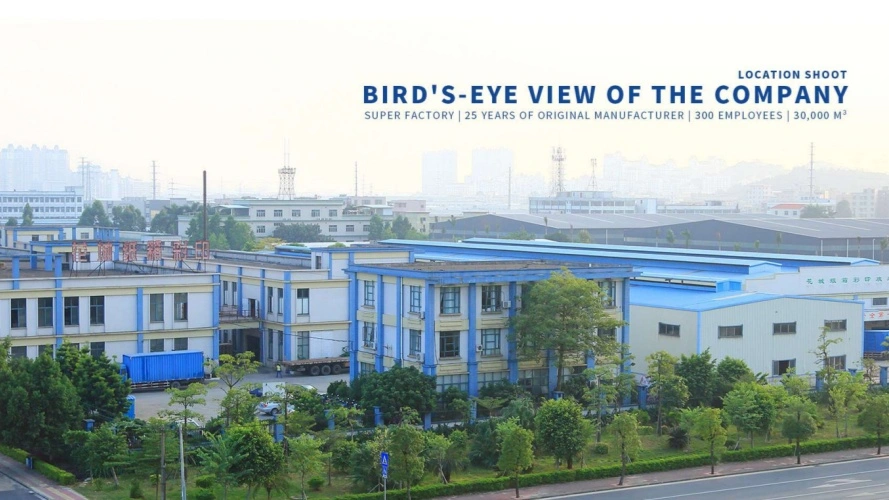
- 25+ years of manufacturing experience serving international brands across multiple market segments
- Proven track record with luxury goods, cosmetics, food service, and e-commerce packaging applications
- Regulatory compliance expertise for US, European, and Asian market requirements
- Scalable production capacity supporting both prototype quantities and high-volume manufacturing runs
- Comprehensive documentation and certification support for procurement teams and regulatory submissions
Conclusion
Kraft paper emerges as the optimal choice for sustainable bag applications, delivering superior environmental performance, reliable strength characteristics, and excellent customization capabilities. The single-material construction simplifies recycling processes while providing cost advantages and consistent supply chain reliability. Consumer preference research supports kraft paper's positive brand perception impact, making it an strategic choice for environmentally conscious brands. When evaluating sustainable packaging options, kraft paper bags offer the ideal combination of performance, sustainability, and market appeal.
Partner with Fetching Printing for Premium Kraft Paper Bag Solutions
Fetching Printing combines 25 years of manufacturing excellence with cutting-edge technology to deliver superior kraft paper bag solutions for discerning brands. Our ISO9001 and ISO14001 certifications ensure consistent quality and environmental compliance, while our experienced engineering team provides comprehensive support from concept through production. Contact our specialists at public@fetchingprinting.com to discuss your sustainable packaging requirements and discover why leading brands trust Fetching Printing as their preferred kraft paper bag manufacturer.
References
1. Thompson, R. et al. "Comparative Life Cycle Assessment of Paper-Based Packaging Materials." Journal of Sustainable Packaging Technology, 2023.
2. Chen, M. and Rodriguez, A. "Mechanical Properties and Environmental Impact of Kraft Paper vs. Recycled Cardboard." International Packaging Engineering Review, 2022.
3. Williams, S. "Consumer Perception and Purchasing Behavior Related to Sustainable Packaging Materials." Market Research Quarterly, 2023.
4. European Packaging Institute. "Technical Standards and Performance Benchmarks for Paper-Based Packaging Systems." Annual Technical Report, 2022.
5. Green, J. et al. "Biodegradability and Recyclability Analysis of Modern Packaging Materials." Environmental Science and Technology Applications, 2023.
6. Kumar, P. and Zhang, L. "Manufacturing Efficiency and Cost Analysis in Sustainable Packaging Production." Industrial Engineering and Management Science, 2022.

Based on your location and order quantity, you will have the opportunity to receive a limited time free shipping promotion!
Corporate Purpose