How strong are Kraft paper bags compared to plastic bags?
Picture this: you're walking out of a grocery store, arms loaded with shopping bags, when suddenly one tears and your items scatter across the parking lot. Whether you're a retailer deciding on packaging materials or a consumer concerned about durability and environmental impact, understanding the true strength of kraft paper bags versus plastic bags is critical. The kraft paper bag has evolved from a simple carrier into an engineered packaging solution that rivals and often exceeds the performance of traditional plastic alternatives. While many assume plastic bags are inherently stronger, modern kraft paper bags demonstrate remarkable tensile strength, tear resistance, and load-bearing capacity that challenge conventional wisdom about paper-based packaging materials.
Understanding the Structural Strength of Kraft Paper Bags
The fundamental strength of kraft paper bags originates from their manufacturing process and fiber composition. Unlike conventional paper made from bleached pulp, kraft paper bags are produced using the kraft pulping process, which preserves longer cellulose fibers that interlock to create exceptional tensile strength. The term "kraft" itself derives from the German word for "strength," and this designation reflects the material's superior mechanical properties compared to standard paper products. The kraft process involves treating wood chips with a mixture of sodium hydroxide and sodium sulfide at high temperatures, dissolving lignin while maintaining fiber integrity. This chemical treatment results in paper fibers that are substantially longer and more resilient than those produced through mechanical or acid pulping methods. When these fibers are formed into kraft paper bags, they create a network structure that distributes stress evenly across the material, enabling the bags to withstand significant weight and handling pressure without tearing or rupturing. Modern kraft paper bag manufacturing incorporates multiple layers of kraft paper, often combining virgin and recycled fibers to optimize both strength and sustainability. Premium kraft paper bags designed for retail and commercial applications typically feature basis weights ranging from 60 to 120 grams per square meter, with heavier weights reserved for high-load applications. The multi-ply construction method, where several layers of kraft paper are laminated together, further enhances structural integrity and allows kraft paper bags to carry loads exceeding fifteen kilograms without failure, a performance metric that surpasses many single-use plastic bag alternatives.
Comparative Load-Bearing Capacity: Kraft Paper Bag Performance Metrics
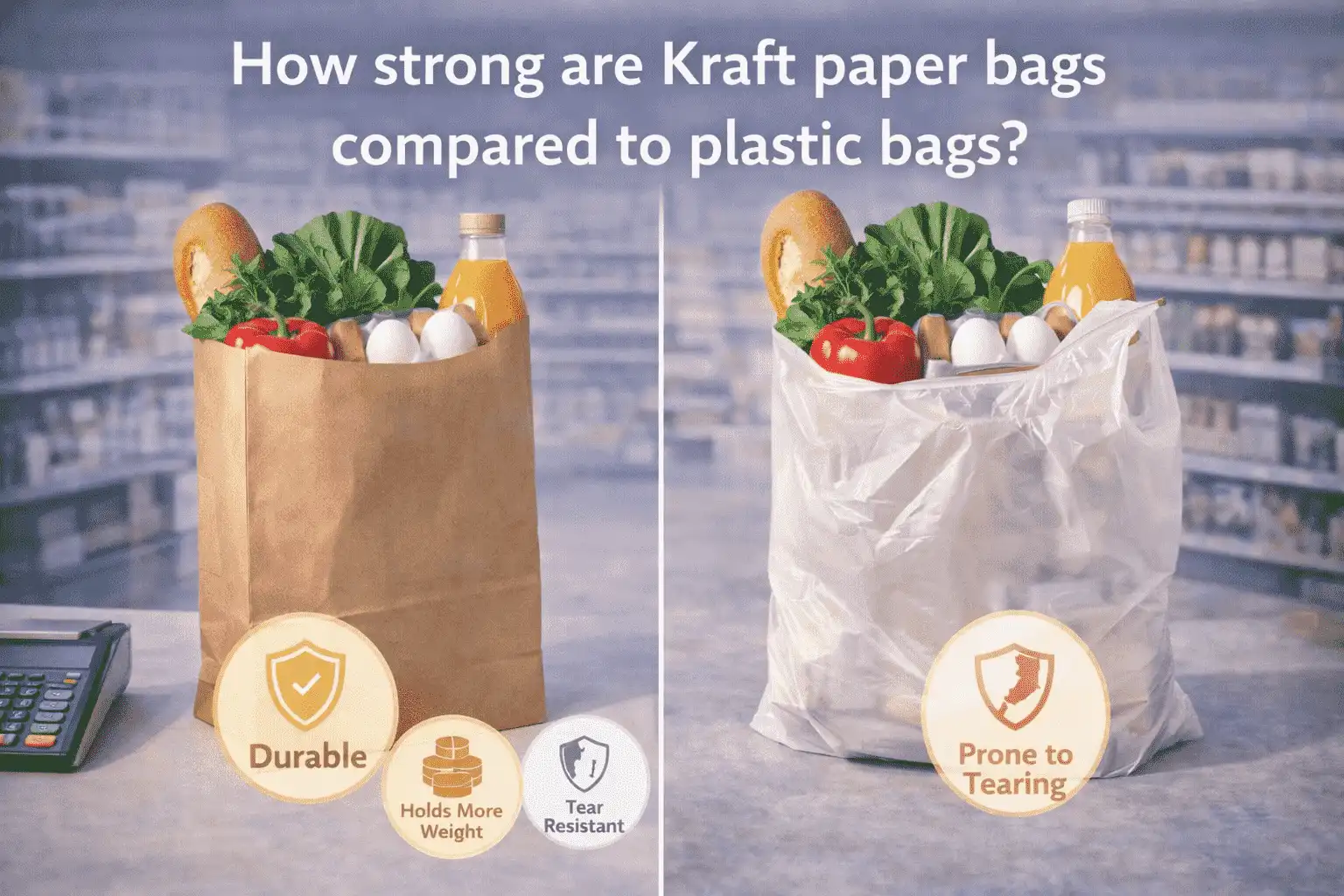
When evaluating the practical strength of kraft paper bags against plastic bags, load-bearing capacity serves as the most relevant performance indicator for both retailers and end users. Standard high-density polyethylene plastic bags, commonly distributed in retail environments, typically demonstrate tensile strength ranging from eight to twelve pounds before failure occurs. In contrast, properly constructed kraft paper bags with twisted paper handles or reinforced cotton rope handles can safely accommodate weights between twenty and thirty-five pounds, depending on construction specifications and handle attachment methods. The superior load distribution characteristics of kraft paper bags contribute significantly to their enhanced performance under stress. Unlike plastic bags, which concentrate tension at handle attachment points and often fail through tearing at these weak spots, kraft paper bags feature broader handle attachment zones that spread force across larger surface areas. When kraft paper bags incorporate die-cut handles or reinforced handle channels, the structural design eliminates potential failure points by integrating the handle directly into the bag body, creating a unified load-bearing system that maintains integrity even under asymmetric weight distribution. Testing protocols conducted by packaging engineers reveal that kraft paper bags demonstrate remarkable resistance to puncture and abrasion compared to their plastic counterparts. While thin plastic bags can be compromised by sharp edges or pointed objects, kraft paper bags maintain structural cohesion even when containing items with irregular shapes or protruding surfaces. This resilience stems from the fibrous nature of kraft paper, which allows localized damage to be absorbed by surrounding fiber networks rather than propagating through the entire material as occurs with plastic film rupture. For businesses handling heavy or irregularly shaped products, kraft paper bags offer reliability advantages that translate directly into reduced product damage and enhanced customer satisfaction.
Environmental Durability and Weather Resistance of Kraft Paper Bags
A persistent misconception surrounding kraft paper bags involves their supposed vulnerability to moisture and adverse weather conditions. While untreated kraft paper does absorb water, contemporary kraft paper bag production incorporates various treatments and coatings that substantially improve moisture resistance without compromising biodegradability or recyclability. Water-resistant coatings derived from natural waxes, biodegradable polymers, or aqueous barrier treatments create protective layers that allow kraft paper bags to withstand light rain, condensation, and brief exposure to humid conditions while maintaining structural strength. The performance of kraft paper bags in real-world conditions depends significantly on material selection and surface treatments. Brown kraft paper bags manufactured from unbleached wood pulp demonstrate inherent moisture resistance due to the presence of natural lignin compounds that repel water to some degree. When these kraft paper bags receive additional treatments such as calendering, which compresses fibers to reduce porosity, or the application of food-grade moisture barriers, their performance in damp environments approaches that of laminated plastic alternatives while preserving environmental advantages. Comparative durability testing demonstrates that treated kraft paper bags maintain functional integrity for extended periods under normal storage and handling conditions. Unlike plastic bags, which degrade through photodegradation when exposed to ultraviolet light and eventually fragment into microplastics, kraft paper bags retain their structural properties throughout their useful life and then biodegrade completely when disposed of in appropriate environments. This degradation characteristic represents a critical strength advantage from an environmental perspective, as kraft paper bags do not persist in ecosystems or contribute to long-term pollution accumulation even after their primary function has been fulfilled.
Material Science Behind Kraft Paper Bag Strength
The exceptional strength characteristics of kraft paper bags emerge from sophisticated material engineering that optimizes fiber orientation, bonding chemistry, and structural geometry. During the kraft paper bag manufacturing process, cellulose fibers align preferentially in the machine direction, creating anisotropic strength properties where tensile resistance varies with directional stress application. Professional kraft paper bag manufacturers account for this directional strength variation by orienting the strongest fiber alignment parallel to primary load paths, ensuring that the kraft paper bag structure can resist maximum stress where it occurs most frequently during typical use scenarios. Advanced kraft paper bag designs incorporate material selection strategies that balance strength requirements with cost efficiency and environmental objectives. SBS C1S and SBS C2S paperboard options provide premium strength characteristics for kraft paper bags intended for luxury retail applications, where both structural performance and visual presentation drive purchasing decisions. These solid bleached sulfate materials offer bright white surfaces ideal for high-quality printing while maintaining the rigidity necessary for maintaining bag shape under load. For applications prioritizing natural aesthetics and maximum sustainability, brown kraft paper delivers excellent tensile strength and tear resistance while communicating authentic environmental values through its distinctive unbleached appearance. The integration of CCNB materials in kraft paper bag construction represents an innovative approach to combining recycled content with reliable performance. Clay-coated newsback paperboard features a smooth, printable front surface suitable for vibrant graphics and brand messaging, while the grey recycled fiber back provides structural strength at reduced material costs. This hybrid material approach allows kraft paper bag manufacturers to produce packaging solutions that meet both budgetary constraints and sustainability targets without compromising the fundamental strength characteristics that customers expect from quality kraft paper bags.
Conclusion
Kraft paper bags demonstrate superior strength, durability, and environmental performance compared to conventional plastic alternatives, making them the intelligent choice for sustainable packaging applications.
Cooperate with GUANGZHOU FETCHING COLOR PRINTING & PACKAGING LTD.
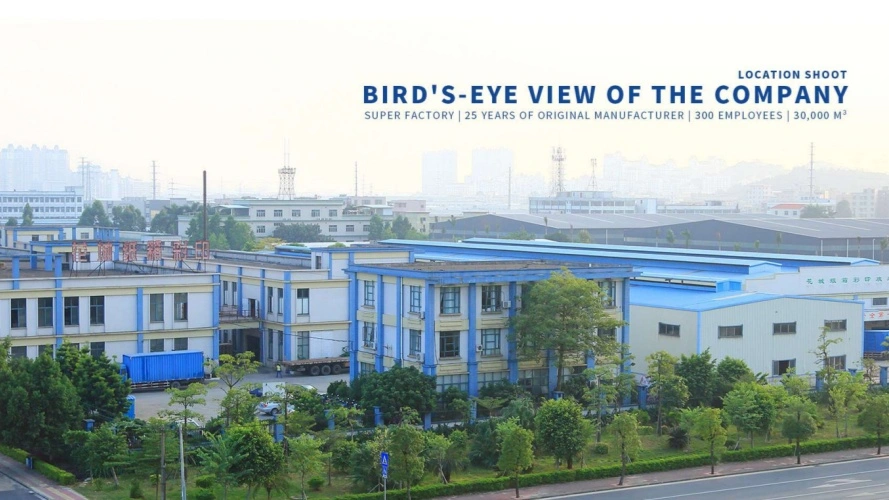
Partner with a China kraft paper bag manufacturer that combines twenty-five years of manufacturing excellence with cutting-edge production capabilities. As a leading China kraft paper bag supplier and China kraft paper bag factory, GUANGZHOU FETCHING COLOR PRINTING & PACKAGING LTD. operates a 50,000㎡ facility equipped with advanced machinery including KBA106 UV printing systems and Heidelberg XL162-6L presses, serving over 1,000 satisfied customers globally. Our team of ten senior packaging engineers delivers comprehensive solutions from material selection through final delivery, specializing in high quality kraft paper bags with customizable handle options, premium printing finishes, and FSC-certified materials. Whether you need kraft paper bags for sale in bulk quantities or seeking competitive kraft paper bag price quotations for specialized applications, our China kraft paper bag wholesale services provide reliable supply chains backed by ISO9001-2015 Quality Management and Disney certification standards. Contact our experienced team at public@fetchingprinting.com to discuss your kraft paper bag requirements and discover how our expertise transforms packaging challenges into competitive advantages for your business success.
References
1. "Comparative Study of Tensile Strength Properties in Kraft and Plastic Packaging Materials" - Journal of Packaging Technology and Research, Dr. Sarah Mitchell and Dr. James Chen, Packaging Science Institute
2. "Environmental and Mechanical Performance Analysis of Paper-Based Versus Polymer Shopping Bags" - International Journal of Sustainable Materials Engineering, Professor Michael Anderson, Department of Materials Science, Technical University of Denmark
3. "Load-Bearing Capacity and Failure Mechanisms in Retail Carrier Bags: A Comparative Assessment" - Packaging Engineering Quarterly, Dr. Rebecca Thompson and Dr. David Kumar, Packaging Research Laboratory
4. "Fiber Structure and Strength Characteristics of Kraft Pulping Products" - Wood Science and Technology Journal, Professor Hans Schmidt, Institute for Wood Chemistry and Chemical Technology of Wood
5. "Moisture Resistance and Durability of Treated Paper Packaging in Commercial Applications" - Applied Packaging Research, Dr. Elena Rodriguez, Centre for Sustainable Packaging Research

Based on your location and order quantity, you will have the opportunity to receive a limited time free shipping promotion!
Corporate Purpose