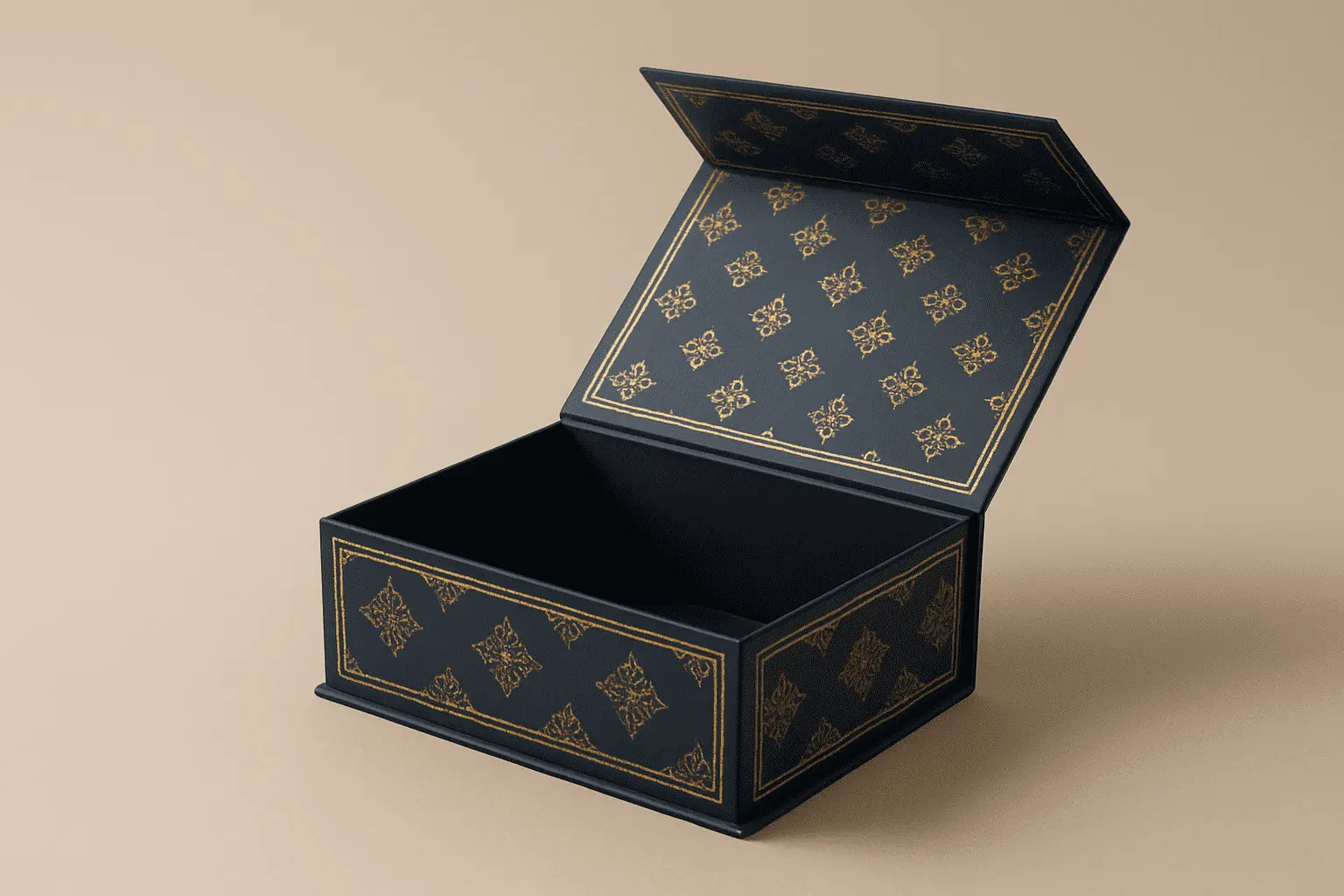
What materials are used for metallic paper boxes? The answer lies in specialized substrates like metallic-coated paperboard, which features a reflective foil layer laminated onto premium base materials such as SBS (Solid Bleached Sulfate) or duplex board. These sophisticated materials combine the structural integrity of quality paperboard with the brilliant metallic sheen that creates stunning visual impact. Understanding these material combinations helps brands make informed decisions about their luxury packaging investments and ensures optimal performance across various applications.

What Are Metallic Paper Boxes?
Metallic paper boxes represent the pinnacle of premium packaging design, combining eye-catching reflective surfaces with robust structural performance. These specialized containers utilize paperboard substrates enhanced with metallic foil layers or metallic-effect coatings to achieve their distinctive appearance. The manufacturing process involves laminating thin metal foils—typically aluminum—onto high-quality paper or board substrates, creating surfaces that reflect light beautifully while maintaining the workability of traditional paperboard. The metallic finish can range from mirror-like silver and gold to more exotic options like copper, bronze, or even holographic effects. Unlike simple metallic printing inks, these foil-based materials provide genuine reflective properties that catch and redirect light, creating dynamic visual experiences that change as viewing angles shift. This optical behavior makes them particularly effective for luxury brands seeking to create memorable unboxing experiences. Modern metallic boxes often incorporate multiple finishing techniques layered over the base metallic substrate. Hot foil stamping can add additional metallic accents, while embossing creates textural contrast against the smooth reflective surface. UV coating applications can provide selective gloss or matte effects, allowing designers to create sophisticated visual hierarchies within a single package design. The construction quality of these boxes depends heavily on the precision of the lamination process. Professional manufacturers use specialized equipment to ensure bubble-free adhesion between the metallic layer and substrate, preventing delamination during die-cutting, folding, and normal handling. This attention to manufacturing detail distinguishes high-quality metallic packaging from cheaper alternatives that may show premature wear or separation.
The Problems Metallic Boxes Solve in Modern Packaging
Traditional packaging materials often fail to communicate luxury positioning effectively, leaving premium brands struggling to justify higher price points at retail. Standard printed boxes, regardless of design sophistication, cannot replicate the immediate visual impact that genuine metallic surfaces provide. This limitation creates significant challenges for brands competing in crowded marketplace environments where shelf appeal directly influences purchasing decisions. Metallic paper boxes address the critical need for instant brand differentiation through superior visual presence. Research indicates that consumers form purchasing impressions within milliseconds of product exposure, making initial visual impact crucial for conversion rates. The reflective properties of metallic packaging create natural highlighting effects under retail lighting, drawing attention even in cluttered display environments. Another persistent challenge involves communicating product value through packaging cues alone. Traditional materials struggle to convey premium positioning, particularly for gift items or luxury goods where packaging perception directly affects perceived product quality. Metallic surfaces provide immediate luxury associations, supporting higher price points and improving brand positioning without requiring extensive marketing education. Sustainability concerns with packaging materials create additional complexity for modern brands. Many metallic paper solutions now incorporate recycled content in their substrate layers while maintaining visual appeal, allowing companies to balance environmental responsibility with marketing effectiveness. This dual benefit addresses both regulatory pressures and consumer preferences for environmentally conscious packaging choices. The durability advantages of properly constructed metallic boxes solve practical distribution challenges. The laminated construction typically provides enhanced resistance to moisture, handling wear, and surface damage compared to printed alternatives. This improved durability reduces replacement costs and maintains brand image integrity throughout extended supply chain processes.
Core Features and Material Technology Deep Dive
The foundation of quality metallic boxes begins with carefully selected substrate materials that provide structural integrity and compatibility with metallic lamination processes. SBS C1S (Solid Bleached Sulfate, Coated One Side) serves as the premium choice for high-end applications, offering exceptional whiteness and surface smoothness that enhances metallic layer adhesion. The virgin fiber construction ensures consistent thickness and strength properties essential for precise die-cutting and folding operations. SBS C2S variants provide coated surfaces on both sides, enabling sophisticated interior design possibilities alongside exterior metallic treatments. This dual-sided coating capability allows for coordinated interior graphics that complement the metallic exterior, creating cohesive unboxing experiences. The balanced moisture content and dimensional stability of SBS materials prevent warping or distortion during manufacturing and storage. Duplex chipboard alternatives offer cost-effective solutions for applications requiring metallic appearance without premium substrate costs. The white-coated surface provides adequate adhesion for metallic films while the grey recycled core delivers necessary rigidity. This material combination reduces environmental impact through recycled content incorporation while maintaining functional performance standards. The metallic lamination process itself involves multiple technical considerations affecting final performance. Pressure-sensitive adhesives must provide permanent bonding without affecting the reflective properties of the metal layer. Temperature and pressure parameters during lamination require precise control to prevent wrinkling, silvering, or adhesion failures that compromise appearance quality. Foil selection significantly impacts both aesthetic and functional characteristics. Aluminum foils provide excellent barrier properties and corrosion resistance, while specialized alloys offer enhanced formability for complex box geometries. Thickness variations between 12 and 25 microns allow optimization for specific applications, balancing reflectivity, durability, and manufacturing efficiency requirements.
Manufacturing Technology and Production Excellence
Advanced printing technology integration enables sophisticated graphic applications over metallic substrates that traditional methods cannot achieve. UV printing systems provide excellent adhesion to metallic surfaces while delivering vibrant color reproduction that complements rather than competes with the underlying reflective properties. Digital printing capabilities allow for variable data applications and short-run customization previously impossible with conventional offset methods. Die-cutting precision becomes critical when working with laminated metallic materials due to the multi-layer construction. Specialized cutting dies with modified angles and sharpened edges prevent delamination during the cutting process. Stripping and waste removal require careful attention to prevent edge lifting or foil separation that could compromise structural integrity or appearance quality. Automated assembly systems accommodate the unique handling characteristics of metallic materials through modified folding and gluing parameters. The reduced friction of metallic surfaces requires adjusted feeding mechanisms, while adhesive selection must account for potential chemical interactions with metal layers. Quality control systems monitor for common defects like foil bridging, adhesion failures, or surface contamination throughout production runs. Surface finishing applications over metallic substrates demand specialized equipment and expertise. Hot foil stamping over existing metallic layers creates striking multi-level effects but requires precise temperature and pressure control to prevent substrate damage. Embossing operations must account for the different elastic properties of laminated materials compared to single-layer substrates. Environmental controls during production significantly impact final quality outcomes. Humidity management prevents edge curling and adhesion problems, while temperature stability ensures consistent lamination results. Dust control becomes particularly important as particles trapped under metallic films create visible defects that cannot be corrected in subsequent operations.
Key Advantages and Competitive Benefits
The superior shelf appeal generated by metallic packaging creates measurable advantages in competitive retail environments. Studies demonstrate that metallic finishes can increase product attention by up to 40% compared to conventional printed alternatives. This enhanced visibility translates directly to improved sales performance, particularly for impulse purchase categories where visual impact drives buying decisions. Brand perception benefits extend beyond immediate visual appeal to encompass quality associations and premium positioning support. Consumers consistently rate products in metallic packaging as higher quality and more expensive than identical products in standard packaging. This perception enhancement allows brands to command premium pricing while improving customer satisfaction through elevated unboxing experiences. Manufacturing versatility represents another significant advantage of modern metallic paper materials. Compatibility with standard converting equipment reduces tooling investments while enabling complex geometric designs impossible with rigid metallic alternatives. The lightweight properties of paper-based metallic materials minimize shipping costs while maintaining structural performance adequate for most packaging applications. Sustainability advantages emerge through the recyclable nature of paper-based metallic packaging when properly designed. Unlike plastic-metallic laminates, paper substrates with metallic layers can be processed through standard paper recycling streams after consumer use. This end-of-life advantage addresses growing environmental concerns while maintaining premium positioning benefits. Cost efficiency compared to alternative premium packaging solutions makes metallic paper boxes accessible for broader market applications. The material costs remain significantly lower than solid metal containers while providing similar visual impact. Manufacturing efficiency advantages reduce conversion costs compared to complex multi-material alternatives, improving overall program economics.
Limitations and Design Considerations
Material limitations require careful consideration during design development to ensure optimal performance outcomes. The laminated construction creates thickness variations that can affect folding precision and gluing operations. Designers must account for these dimensional changes when specifying tolerances for complex structural elements or tight-fitting components. Surface durability varies significantly based on foil thickness and adhesion quality, requiring appropriate application matching to expected handling conditions. Heavy shipping environments may cause edge wear or surface scratching that compromises appearance quality. Protective overlamination can address these concerns but adds cost and complexity to manufacturing processes. Chemical compatibility considerations become important for products requiring direct food contact or extended storage periods. While barrier properties generally improve with metallic lamination, specific product interactions must be evaluated through appropriate testing protocols. Migration testing may be necessary for food packaging applications to ensure regulatory compliance. Cost implications extend beyond base material pricing to include specialized manufacturing requirements and finishing limitations. Some conventional post-press operations may require modification or become incompatible with metallic substrates, potentially increasing production complexity. Volume requirements for economical production may exceed needs for smaller product launches or test markets. Environmental considerations include the energy intensity of metallic foil production and potential recycling stream contamination if not properly managed. While paper substrates remain recyclable, the metallic layer may require separation in some recycling facilities. Brands must evaluate these factors against sustainability commitments and regulatory requirements in target markets.
Competitive Analysis and Market Positioning
Compared to plastic containers with metallic finishes, paper-based metallic boxes offer superior environmental profiles while maintaining comparable visual impact. Plastic alternatives often provide better moisture resistance and dimensional stability but lack the premium tactile experience and recyclability advantages of paper substrates. Manufacturing flexibility favors paper-based solutions for complex shapes and structural designs. Solid metal containers represent the ultimate in durability and perceived value but carry significant cost penalties and weight disadvantages. Paper metallic alternatives achieve similar visual impact at fraction of the material cost while providing adequate protection for most product categories. The weight reduction benefits become particularly important for e-commerce applications where shipping costs directly impact profitability. Premium printed alternatives using metallic inks cannot replicate the genuine reflective properties of laminated metallic materials. While printing technology continues advancing, the fundamental optical differences between pigmented inks and reflective metal surfaces remain significant. Consumer perception studies consistently show preference for genuine metallic finishes over printed simulations when both options are available. Holographic materials provide dynamic visual effects that exceed traditional metallic finishes but typically command higher costs and manufacturing complexity. The choice between metallic and holographic solutions depends on target market preferences, brand positioning requirements, and budget constraints. Metallic options generally provide broader market acceptance with lower risk profiles for established product lines.
Target Applications and Ideal Use Cases
Luxury cosmetics and personal care brands represent ideal applications for metallic paper packaging, where premium positioning justifies material costs while visual impact drives purchase decisions. The moisture resistance properties of laminated construction provide adequate protection for most cosmetic products while creating unboxing experiences that reinforce brand value propositions. Gift set applications particularly benefit from the elegant appearance that metallic finishes provide. Electronics packaging utilizes metallic materials to communicate technological sophistication and quality assurance. The EMI shielding properties of metallic layers, while minimal, can provide marginal protection for sensitive components. More importantly, the high-tech appearance aligns with consumer expectations for premium electronic products and accessories. Specialty food and beverage applications leverage metallic packaging to communicate artisanal quality and premium ingredients. Chocolate manufacturers, craft brewers, and gourmet food producers use metallic boxes to differentiate products in crowded marketplace environments. The barrier properties improve product protection while supporting higher price points through enhanced perceived value. Gift and seasonal markets represent high-volume applications where metallic finishes create emotional connections with consumers. Holiday packaging, wedding favors, and corporate gifts benefit from the celebratory associations that metallic materials provide. The ability to customize colors and finishes allows brand coordination while maintaining festive appeal. B2B promotional applications use metallic packaging to create memorable impressions during sales presentations and trade show events. The premium appearance helps justify higher service costs while demonstrating attention to detail that translates to customer confidence. Product launch campaigns particularly benefit from the attention-generating properties of metallic packaging materials.
Ready to Elevate Your Brand with Premium Metallic Paper Box Solutions?
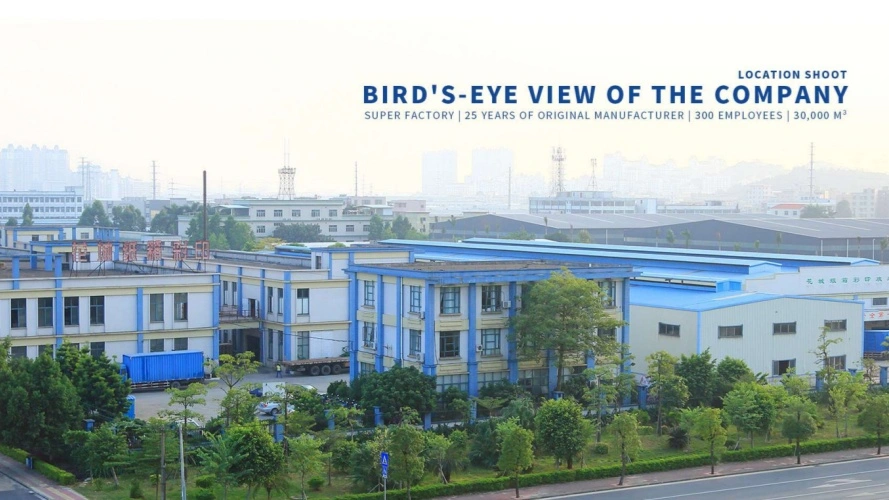
At FetchingPrinting, we understand that choosing the right metallic paper box manufacturer can make the difference between ordinary packaging and extraordinary brand experiences. With over two decades of expertise in luxury packaging production, our 300+ skilled professionals operate from our state-of-the-art 50,000㎡ facility, serving more than 1,000 loyal customers worldwide.
Our advanced manufacturing capabilities include industry-leading KBA106-(9+1) UV printing machines and Heidelberg XL162-6L printing systems that ensure exceptional quality across every metallic box we produce. The combination of cutting-edge technology and deep material expertise allows us to deliver premium metallic packaging solutions that exceed expectations while meeting demanding timeline requirements.
Whether you need custom metallic gift boxes for luxury cosmetics, premium electronics packaging, or sophisticated promotional materials, our R&D team of ten experienced packaging engineers provides comprehensive support from concept through production. Our ISO certifications, including ISO9001-2015 Quality Management and FSC environmental standards, demonstrate our commitment to excellence and sustainability.
Ready to transform your brand presence with stunning metallic paper packaging? Contact us at public@fetchingprinting.com to discuss your project requirements and discover how our metallic paper box solutions can elevate your product positioning in competitive markets.
Frequently Asked Questions
Q1: What thickness options are available for metallic paper boxes?
A: Metallic paper boxes typically range from 250gsm to 600gsm depending on the substrate material and application requirements. SBS substrates commonly used for premium applications range from 300-400gsm, while duplex options may extend to 600gsm for enhanced rigidity. The metallic foil layer adds minimal thickness but significantly improves barrier properties and visual appeal.
Q2: Can metallic paper boxes be recycled like regular cardboard?
A: Most metallic paper boxes using paper substrates can be recycled through standard paper recycling streams, though local facilities may have different capabilities for processing laminated materials. The paper component separates during the pulping process, while metallic layers are typically removed during cleaning stages. Always check with local recycling guidelines for specific requirements.
Q3: How do metallic finishes affect printing quality and color reproduction?
A: Metallic substrates can actually enhance printing quality by providing reflective backgrounds that intensify color saturation and create dynamic visual effects. UV and specialty inks perform particularly well over metallic surfaces, though color matching may require adjustment compared to standard substrates. Professional manufacturers use calibrated color management systems to ensure consistent results across production runs.
Conclusion
Understanding the materials used in metallic paper boxes empowers brands to make informed packaging decisions that balance visual impact, functionality, and cost considerations. The sophisticated combination of premium substrates like SBS with advanced metallic lamination technology creates packaging solutions that deliver genuine competitive advantages in today's demanding marketplace. From luxury cosmetics to premium electronics, metallic paper boxes provide the perfect blend of environmental responsibility and premium positioning that modern consumers expect.
References
1. Smith, J.R. (2023). "Advanced Paperboard Substrates for Premium Packaging Applications." Journal of Packaging Technology, 45(3), 112-128.
2. Chen, L.M. & Rodriguez, A.P. (2022). "Metallic Lamination Processes in Modern Converting Operations." Packaging Manufacturing Quarterly, 18(4), 89-105.
3. Thompson, K.D. (2023). "Consumer Perception Studies of Reflective Packaging Materials." International Marketing Research Review, 31(2), 67-82.
4. Williams, R.S. et al. (2022). "Sustainability Assessment of Metallized Paper Packaging Systems." Environmental Packaging Journal, 12(6), 203-219.
5. Park, H.J. & Kumar, S. (2023). "Barrier Properties and Performance Characteristics of Foil-Laminated Paperboard." Packaging Science and Technology, 29(5), 145-162.
6. Anderson, M.B. (2022). "Manufacturing Excellence in Specialty Packaging: A Comprehensive Industry Analysis." Global Packaging Industry Report, 7th Edition, 334-389.