What is the difference between rigid setup boxes and foldable rigid boxes?
Picture this scenario: Your warehouse is bursting at the seams with pre-assembled packaging boxes, eating up valuable square footage and driving up storage costs. Meanwhile, shipping expenses continue climbing as you send batch after batch of bulky rigid setup boxes that arrive 70% filled with air. This frustrating reality faces countless brands seeking premium packaging without the premium price tag. The solution lies in understanding the fundamental differences between traditional rigid setup boxes and their innovative foldable counterparts, each offering distinct advantages for product presentation, logistics efficiency, and overall cost management.
Understanding Rigid Setup Box Construction and Characteristics
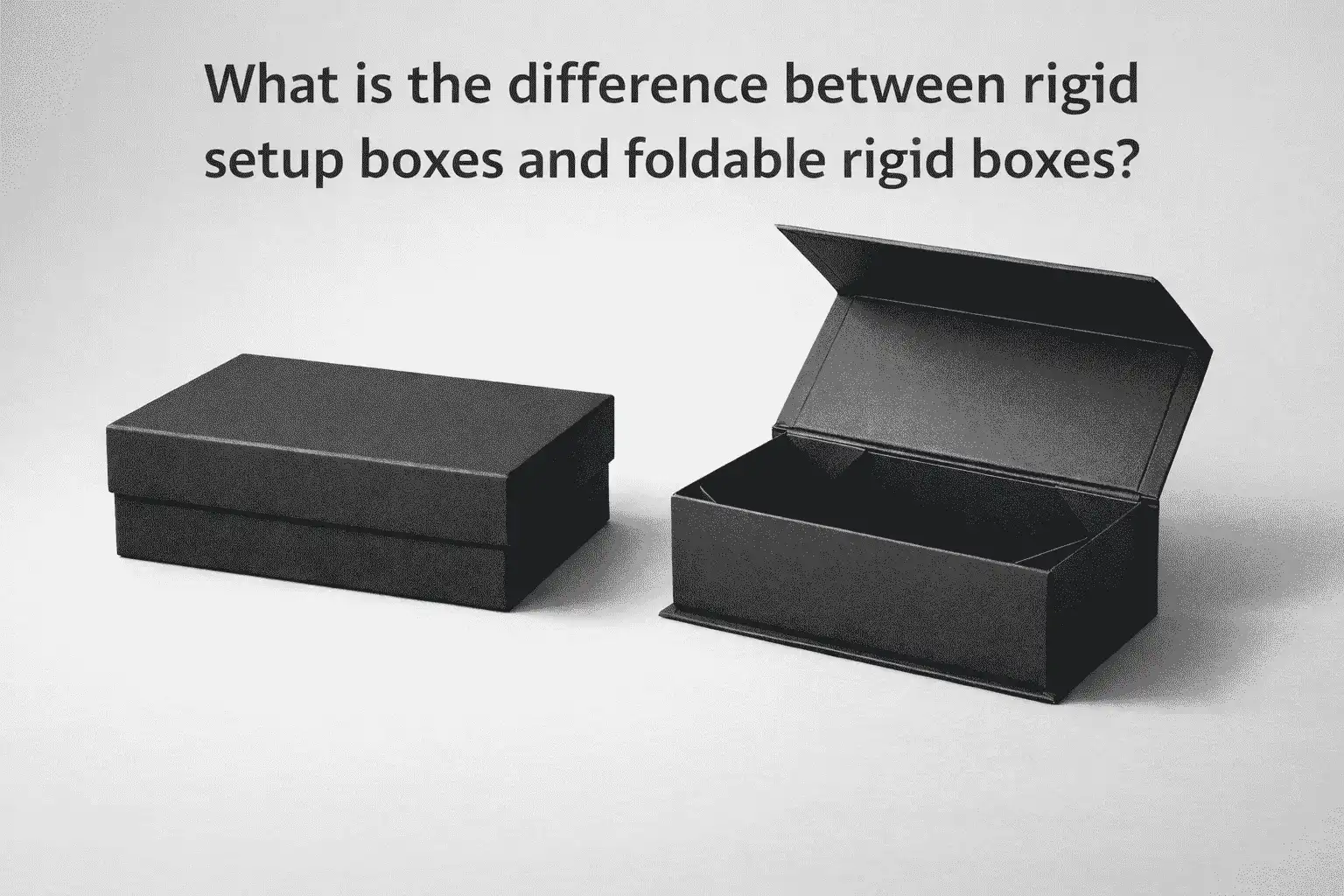
Rigid setup boxes represent the gold standard in premium packaging construction. These boxes are manufactured from thick chipboard material, typically ranging from 1.5 to 3 millimeters in thickness, which is significantly sturdier than standard folding cartons. The manufacturing process begins with cutting high-density chipboard to precise dimensions, forming the structural foundation, and then wrapping the assembled frame with decorative printed paper or specialty materials. Unlike folding cartons that arrive flat and require assembly, the rigid setup box is delivered fully assembled and maintains its three-dimensional form from the factory floor through final delivery to the end consumer. This pre-assembled construction creates an immediate impression of luxury and quality that resonates with discerning customers across cosmetics, electronics, jewelry, and premium gift markets. The strength of rigid setup box packaging extends beyond mere aesthetics into functional protection. The substantial thickness of the chipboard substrate provides exceptional resistance to crushing, bending, and impact damage during handling and transportation. Premium materials such as grey chipboard or duplex chipboard form the structural core, while the outer wrapping can incorporate sophisticated finishes including spot UV coating, hot foil stamping, embossing, debossing, and soft-touch lamination. These surface treatments transform the rigid setup box into a multisensory brand experience that communicates value before customers even open the package. The rigid construction particularly benefits fragile products requiring robust protection and brands positioning themselves at the luxury end of the market spectrum.
However, traditional rigid setup boxes present significant logistical challenges that impact total cost of ownership. Because these boxes cannot collapse or fold flat, they occupy substantial cubic volume during storage and transportation. A shipping container that might accommodate 10,000 folding cartons may only hold 2,000 to 3,000 rigid setup boxes due to their fixed three-dimensional structure. This space inefficiency translates directly into higher freight costs, increased warehousing requirements, and greater environmental impact from transportation emissions. For brands ordering packaging from overseas manufacturers or those with limited storage capacity, these logistical limitations can substantially offset the perceived value advantages of rigid setup box construction.
The Evolution of Foldable Rigid Box Technology
Foldable rigid boxes, sometimes called collapsible rigid boxes, represent an innovative engineering solution that preserves the premium aesthetics of traditional rigid setup boxes while addressing their logistical shortcomings. These clever packaging designs incorporate strategic scoring, magnetic closures, and specialized construction techniques that enable the box to ship flat and then assemble quickly when needed. The foldable rigid box maintains the same thick chipboard construction and luxurious surface finishes as conventional rigid setup boxes, but employs a proprietary folding mechanism that allows the side panels to collapse inward for compact storage and transportation. The manufacturing process for foldable rigid boxes demands greater precision and craftsmanship than traditional rigid setup box production. Each box requires carefully calculated crease lines, precisely positioned adhesive strips, and often embedded magnets to facilitate both the folding mechanism and the secure closure when assembled. The corners typically feature double-sided tape or specialized folding tabs that lock into position during assembly, creating structural integrity comparable to non-collapsible designs. Advanced manufacturers have developed automated visual positioning production lines that ensure consistent quality and alignment across large production runs, addressing the quality control challenges that historically plagued handmade foldable rigid box manufacturing.
Cost analysis reveals compelling advantages for foldable rigid boxes across the supply chain. While the unit production cost of a foldable rigid box typically runs 10 to 20 percent higher than a comparable traditional rigid setup box due to the additional engineering and assembly complexity, the total cost picture shifts dramatically when transportation and storage expenses enter the equation. Foldable rigid boxes ship flat in compact cartons, enabling businesses to reduce shipping costs by 60 percent or more compared with pre-assembled rigid setup boxes. This space efficiency extends to warehouse storage, where flat-packed foldable boxes occupy a fraction of the cubic volume required for traditional rigid setup box inventory. For businesses importing packaging or managing limited warehouse capacity, these logistics savings frequently exceed the modest premium in unit manufacturing costs.
Comparative Analysis: Material Specifications and Performance
Both rigid setup boxes and foldable rigid boxes utilize premium substrate materials designed to deliver superior strength and printability. Grey chipboard forms the most economical foundation option, manufactured by compressing recycled paper pulp under high heat and pressure to create a dense, durable board with uniform grey coloration. This recycled content substrate provides excellent structural integrity while supporting environmental sustainability goals and FSC certification requirements. The multi-ply compression construction delivers outstanding resistance to bending and compression forces, making grey chipboard an ideal rigid setup box foundation for applications where the internal grey color remains hidden beneath wrapping materials. Duplex chipboard elevates print quality by bonding a smooth, bright white coating to the grey recycled pulp core. This dual-layer construction combines the economic advantages of recycled grey chipboard with a premium white printing surface that enables vibrant color reproduction and sharp graphic detail. The white coated face accepts offset, digital, UV, and specialty printing processes with excellent ink adhesion and color accuracy, while the grey core maintains structural rigidity and cost efficiency. Duplex chipboard proves particularly valuable for rigid setup box applications requiring high-quality external printing combined with economical internal construction, delivering professional visual results without the premium cost associated with solid bleached sulfate boards.
For applications demanding the highest print quality and food-safe properties, solid bleached sulfate paperboard represents the premium material choice. SBS boards manufactured from 100 percent virgin bleached wood pulp deliver exceptional whiteness, brightness, and cleanliness throughout the entire board thickness. SBS C1S features coating on one side for outstanding printability while leaving the reverse uncoated for improved adhesive bonding during rigid setup box assembly. SBS C2S provides coating on both surfaces, enabling professional print quality on both exterior and interior surfaces for premium presentation packaging. The uniform white composition enhances perceived product value while meeting stringent hygiene requirements for direct food contact, cosmetics, and pharmaceutical packaging applications.
Applications and Industry-Specific Solutions
The rigid setup box dominates packaging applications where immediate premium presentation justifies higher logistics costs and storage requirements. Luxury cosmetics brands rely on rigid setup box construction to communicate quality and sophistication, using thick chipboard substrates combined with sophisticated surface finishes to create memorable unboxing experiences. High-end electronics manufacturers employ rigid setup boxes to protect valuable products while reinforcing brand positioning through premium packaging materials and construction. Jewelry retailers favor two-piece rigid setup boxes with separate lids and bases, creating a ceremonial opening ritual that enhances the emotional connection between customers and their purchases. Foldable rigid boxes excel in applications requiring premium presentation combined with efficient logistics and flexible inventory management. Apparel brands transitioning to e-commerce find foldable rigid boxes ideal for creating luxury unboxing experiences while minimizing shipping costs and warehouse storage requirements. Subscription box services leverage foldable rigid boxes to deliver premium presentation across thousands of monthly shipments without incurring prohibitive freight expenses. Seasonal gift packaging benefits particularly from foldable construction, allowing retailers to stock larger inventories of premium packaging during peak selling seasons without overwhelming limited storage capacity.
Innovative manufacturers have developed proprietary foldable rigid box structures optimized for specific product categories. Large format foldable boxes accommodate magnetic gift boxes containing products with heights ranging from 100 to 150 millimeters, providing generous interior dimensions for substantial items while maintaining compact shipping profiles. Medium format structures suit products measuring 50 to 100 millimeters in height, offering optimal proportions for cosmetics, small electronics, and mid-sized gift items. Tiny format foldable rigid boxes designed for products between 20 and 50 millimeters in height enable even compact items to benefit from premium rigid setup box aesthetics without excessive packaging bulk.
Manufacturing Processes and Quality Considerations
The production sequence for rigid setup boxes begins with printing the decorative wrap material using offset, digital, or flexographic printing processes. Offset lithography delivers exceptional color accuracy and fine detail reproduction for large production runs, while digital printing provides cost-effective customization for smaller quantities or variable data requirements. Following printing, surface finishing processes enhance and protect the printed image through applications of UV coating, matte or gloss lamination, spot varnish, or specialty coatings. These protective layers increase scratch resistance, moisture protection, and overall durability while adding visual and tactile interest through contrasting gloss and matte surfaces. The lamination or mounting stage bonds the printed decorative sheet to the thick chipboard substrate, creating the rigid foundation that distinguishes rigid setup box construction from lighter folding cartons. Adhesive application must achieve complete, bubble-free bonding between the wrap material and chipboard to prevent delamination during handling and use. Die-cutting operations then use precision metal dies to cut the laminated board to exact dimensions and create windows, slots, or other design features. For foldable rigid boxes, this stage includes scoring the strategic crease lines that enable the folding mechanism while maintaining structural integrity when assembled. Assembly represents the most labor-intensive production phase, particularly for foldable rigid boxes requiring precise alignment of multiple components. Skilled technicians fold and glue die-cut pieces together, installing magnetic closures, ribbon pulls, or other hardware elements that enhance functionality and user experience. Quality control inspection at this stage verifies correct dimensions, proper alignment, secure adhesive bonding, and flawless surface finish before packaging for shipment. Advanced manufacturers employ automated visual positioning systems that use camera-guided robotic assembly to achieve consistent quality while reducing production time and labor costs compared with purely manual assembly methods.
Cost-Benefit Analysis and Decision Framework
Evaluating the total cost of ownership between rigid setup boxes and foldable rigid boxes requires examining factors beyond simple unit price comparisons. Initial manufacturing costs typically favor traditional rigid setup boxes, with unit prices ranging from 15 to 25 percent lower than comparable foldable designs due to simpler construction and fewer specialized components. However, this initial cost advantage diminishes rapidly when transportation expenses enter the analysis. Shipping costs for foldable rigid boxes delivered flat-packed typically run 40 to 60 percent lower than pre-assembled rigid setup boxes due to dramatically improved cubic efficiency in truck and container loading. Storage and inventory management costs further shift the economic equation in favor of foldable construction. Warehouse space allocated to rigid setup box inventory could typically accommodate three to five times more foldable boxes stored flat, reducing storage costs or enabling larger inventory positions within existing space constraints. This space efficiency proves particularly valuable for seasonal businesses that must stock substantial packaging quantities during limited peak selling periods. The ability to maintain larger packaging inventories without proportional increases in warehouse costs provides greater flexibility to respond to demand fluctuations and reduces the risk of stock-outs during critical sales windows. Labor costs present another dimension requiring consideration in the cost-benefit analysis. Traditional rigid setup boxes arrive pre-assembled and ready for immediate product insertion, minimizing fulfillment labor and accelerating time-to-market for packaged goods. Foldable rigid boxes require brief assembly before product insertion, adding 15 to 30 seconds per unit to fulfillment workflows. For businesses with automated packaging lines or very high daily volumes, this additional handling time could offset some logistics savings. Conversely, companies with available manual labor or lower packaging volumes may find the assembly requirement negligible compared with substantial transportation and storage cost reductions.
Conclusion
Traditional rigid setup boxes deliver uncompromising premium presentation through thick chipboard construction and luxurious finishes, while foldable rigid boxes achieve comparable aesthetics with superior logistics efficiency and cost management across the supply chain.
Cooperate with GUANGZHOU FETCHING COLOR PRINTING & PACKAGING LTD.
Partner with a China rigid setup box manufacturer bringing 26 years of packaging excellence since 1999. GUANGZHOU FETCHING COLOR PRINTING & PACKAGING LTD. operates a 50,000 square meter facility equipped with industry-leading KBA106-(9+1) UV printing machines, Heidelberg XL162-6L presses, and automated gift box production lines serving over 1,000 loyal customers across food, cosmetics, electronics, and personal care industries. Our proprietary collapsible rigid box technology, protected by exclusive patents, delivers 60 percent shipping cost savings compared with traditional rigid setup boxes through innovative Large, Medium, and Tiny format structures accommodating products from 20 to 150 millimeters in height. As a certified China rigid setup box supplier and China rigid setup box factory holding ISO9001-2015, ISO14001-2015, FSC, Disney, Smeta, and G7 Color Management certifications, we guarantee premium quality rigid setup box manufacturing combining grey chipboard, duplex chipboard, SBS C1S, SBS C2S, CCNB, kraft, and metallic substrates with advanced surface processes including hot foil stamping, embossing, spot UV coating, and holographic finishes. Our team of ten senior packaging engineers provides comprehensive design support from material selection through production optimization, ensuring your High Quality rigid setup box delivers exceptional brand presentation while maximizing logistics efficiency. Experience rigid setup box for sale backed by automated visual positioning quality control and competitive rigid setup box price structures. Contact public@fetchingprinting.com to discuss your packaging requirements and discover why leading brands trust our China rigid setup box wholesale solutions.
References
1. "Packaging Design Fundamentals: Structure and Materials Selection" by Johnson, M.R. and Williams, K.T., Packaging Technology Institute, 2023.
2. "Sustainable Rigid Box Manufacturing: Environmental Impact and Cost Analysis" by Chen, L., Zhang, H., and Liu, Y., International Journal of Packaging Science and Technology, Volume 45, Issue 3, 2024.
3. "Advanced Chipboard Engineering for Premium Packaging Applications" by Roberts, P.J., Society of Packaging Engineers Technical Monograph Series, 2024.
4. "Logistics Optimization in Luxury Packaging Supply Chains" by Anderson, S.K. and Thompson, R.M., Journal of Supply Chain Management and Packaging, Volume 31, Number 2, 2024.
5. "Consumer Perception and Packaging: The Impact of Structural Design on Brand Value" by Martinez, A.C., European Packaging Research Foundation, 2023.

Based on your location and order quantity, you will have the opportunity to receive a limited time free shipping promotion!
Corporate Purpose