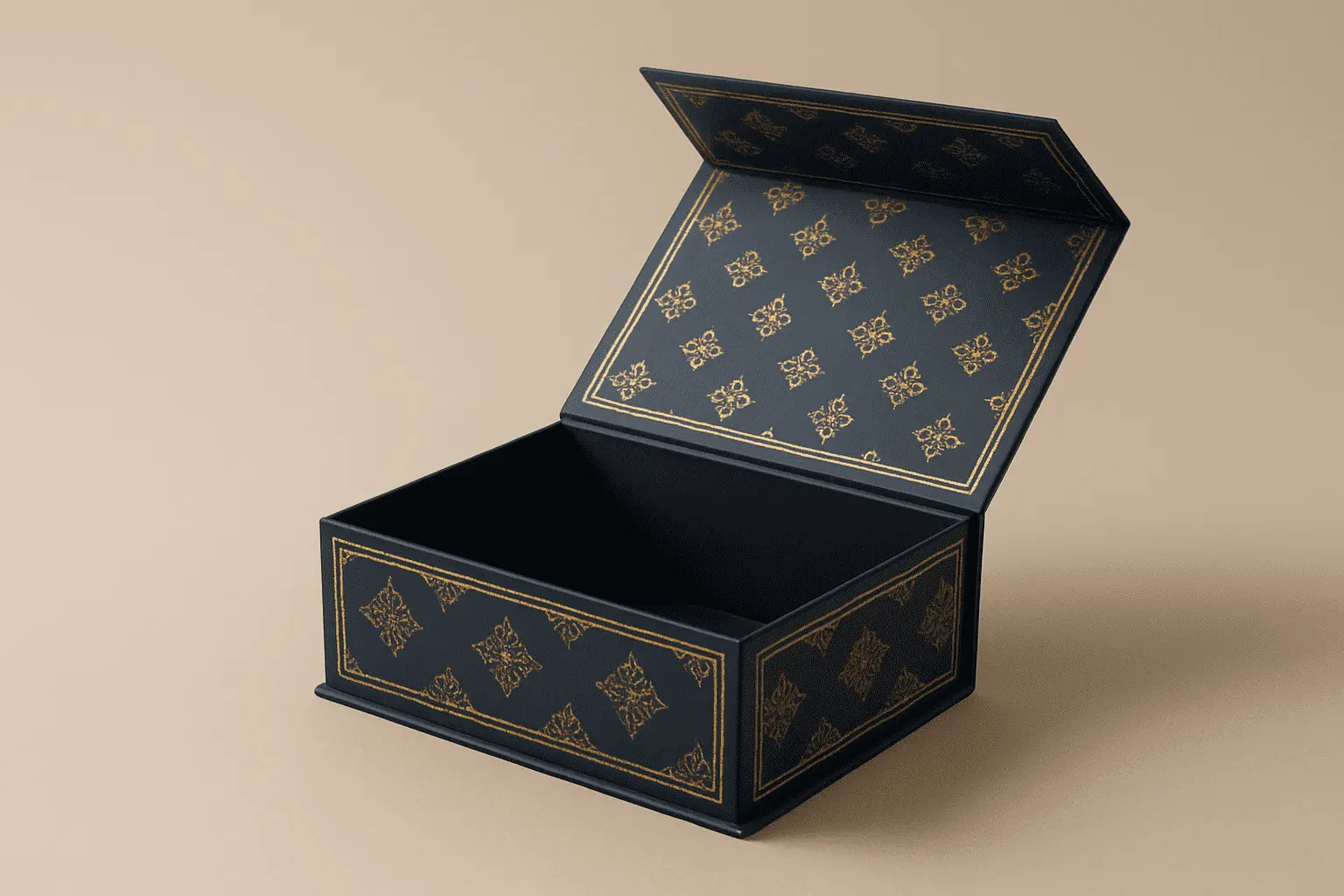
Space-Saving Foldable Rigid Boxes for Warehousing
Picture this scenario: your warehouse is overflowing with empty rigid gift boxes stacking up to the ceiling, consuming valuable floor space that could generate revenue. Traditional rigid boxes arrive pre-assembled, creating a massive storage burden that drives up warehousing costs by hundreds of percent. The foldable rigid box revolutionizes this challenge by arriving flat-packed, dramatically reducing storage footprint while maintaining the premium presentation your customers expect. This innovative packaging solution addresses the critical pain point facing retailers, e-commerce businesses, and brands worldwide who struggle to balance luxury presentation with operational efficiency in their supply chain management.

Understanding the Foldable Rigid Box Structure
The foldable rigid box represents a significant engineering advancement in premium packaging design. Unlike traditional rigid gift boxes that maintain a fixed three-dimensional shape, collapsible rigid boxes utilize proprietary structural mechanisms that allow them to fold completely flat during storage and transportation, then quickly assemble into sturdy, elegant presentation boxes when needed. This dual functionality solves one of the most persistent challenges in the packaging industry by delivering luxury aesthetics without the logistical nightmare of storing bulky pre-assembled containers. The construction of a foldable rigid box involves precisely engineered folding mechanisms integrated into the box structure. Premium materials such as grey chipboard or duplex chipboard form the rigid foundation, providing the structural integrity expected from high-end packaging. A carefully designed scoring and creasing pattern allows specific panels to fold inward systematically, collapsing the entire structure into a compact flat profile. When assembly time arrives, the box springs back into its intended three-dimensional shape with minimal effort, secured by magnetic closures or interlocking tabs that maintain structural stability throughout the product lifecycle.
Material Selection for Maximum Durability
Selecting appropriate materials determines both the functionality and presentation quality of collapsible rigid boxes. Grey chipboard serves as the most popular substrate choice, manufactured by compressing recycled pulp under high heat and pressure to create a dense, multi-layered board with exceptional strength-to-weight characteristics. This eco-friendly material provides the necessary rigidity to support the folding mechanism while keeping overall package weight manageable for shipping cost optimization. The natural grey surface accepts various decorative treatments including lamination with printed papers, creating endless customization possibilities for brand differentiation. Duplex chipboard offers another excellent material option for foldable rigid box construction, combining a smooth white-coated printing surface with a recycled grey core. This dual-layer construction delivers superior print quality on the exterior while maintaining cost efficiency through its recycled content core. The white coating accepts vibrant colors and fine details beautifully, making it ideal for cosmetics packaging, luxury retail applications, and premium gift presentations where visual impact drives purchasing decisions. Both material options support advanced finishing techniques including hot foil stamping, embossing, UV coating, and matte lamination to enhance the overall packaging visual effect.
Size Configurations and Application Ranges
Manufacturers have developed standardized size categories for collapsible rigid boxes based on common product dimensions and market requirements. Large format foldable rigid boxes accommodate magnetic gift boxes containing products with heights ranging from one hundred to one hundred fifty millimeters, perfect for substantial items such as electronics, premium footwear, or sizeable cosmetic sets. These larger configurations maintain impressive structural integrity despite their collapsible nature, utilizing reinforced corner construction and optimized folding patterns that distribute stress evenly across the entire structure during assembly and use. Medium-sized collapsible rigid boxes target the sweet spot of packaging applications, suitable for magnetic gift boxes housing products between fifty and one hundred millimeters in height. This versatile size range covers the majority of cosmetics, personal care products, small electronics, jewelry, and accessories that dominate retail environments. The medium format achieves optimal balance between material efficiency and presentation impact, providing sufficient surface area for compelling graphics while minimizing waste. Tiny foldable rigid boxes serve specialized applications for products measuring twenty to fifty millimeters tall, including high-value items like luxury watches, fine jewelry, premium samples, or compact electronic devices where the packaging must convey exclusivity within minimal dimensions.
Cost Savings Through Innovative Design
The financial advantages of implementing foldable rigid box solutions extend far beyond simple material costs, touching every aspect of the supply chain from manufacturing through final delivery. Traditional rigid gift boxes consume enormous volumes during storage and transportation because they ship pre-assembled, meaning you pay freight charges for moving mostly empty air. Collapsible rigid boxes arrive flat-packed, reducing shipping volume by more than sixty percent compared to conventional rigid boxes, translating directly into substantial freight cost reductions that compound with every shipment. This space efficiency continues delivering value in your warehouse, where the same storage racks that previously held hundreds of traditional boxes now accommodate thousands of flat-packed foldable rigid boxes. Beyond transportation and warehousing savings, the manufacturing efficiency of collapsible rigid box production generates additional cost benefits. Automated visual positioning production lines enable rapid, consistent assembly with minimal labor intervention, reducing production time while maintaining stable quality across large order quantities. The streamlined production process minimizes waste material through optimized cutting patterns and precise die-cutting operations. When compared to standard collapsible rigid box designs available in the market, proprietary structural innovations protected by patents deliver an additional twenty to thirty percent cost reduction through enhanced material efficiency and simplified assembly mechanisms that require fewer components and less adhesive application.
Environmental and Sustainability Benefits
Modern businesses face increasing pressure from consumers, regulators, and stakeholders to demonstrate environmental responsibility throughout their operations. Foldable rigid boxes align perfectly with sustainability objectives by optimizing material usage and reducing carbon footprint across the entire product lifecycle. The compact flat-packed configuration means more units fit into each shipping container or truck, reducing the total number of transportation trips required to move equivalent quantities of packaging. Fewer trips translate directly into lower fuel consumption and reduced greenhouse gas emissions, contributing meaningfully to corporate carbon reduction targets while simultaneously cutting transportation expenses. The material composition of collapsible rigid boxes further strengthens their environmental credentials. Grey chipboard and duplex chipboard both utilize high percentages of post-consumer recycled content, diverting waste from landfills while reducing demand for virgin wood pulp. These materials remain fully recyclable at end-of-life, supporting circular economy principles that keep resources in productive use rather than becoming waste. Many manufacturers maintain FSC certification, ensuring that any virgin fiber content comes from responsibly managed forests. This combination of recycled content, recyclability, and certified sustainable sourcing allows brands to communicate authentic environmental stewardship to increasingly eco-conscious consumers without compromising packaging quality or presentation impact.
Advanced Printing and Finishing Techniques
Premium packaging succeeds or fails based on its ability to capture attention and communicate brand values instantly in competitive retail environments. Foldable rigid boxes support the full spectrum of advanced printing and finishing techniques used on traditional rigid packaging, ensuring no compromise in visual impact or tactile quality. Offset printing delivers exceptional color accuracy and fine detail reproduction on the smooth coated surfaces of SBS C1S or SBS C2S paperboard laminated to the rigid substrate. Digital printing offers flexibility for shorter runs and variable data applications, while flexographic printing provides cost efficiency for high-volume production of standardized designs across multiple SKUs. Surface finishing elevates collapsible rigid boxes from functional containers into compelling brand ambassadors that influence purchasing decisions through multi-sensory experiences. UV coating applied to selected areas creates dramatic contrast between high-gloss elements and matte backgrounds, drawing the eye to key brand messages or product imagery. Hot foil stamping transfers metallic or pigmented foil onto logos, text, or decorative patterns, delivering premium sheen in gold, silver, copper, or specialty holographic effects that signal luxury and quality. Embossing and debossing techniques add dimensional relief, creating tactile interest that encourages consumers to pick up and examine products more closely, increasing engagement and conversion rates in retail environments.
Combining Multiple Finishing Processes
The most memorable packaging experiences often result from thoughtfully combining multiple finishing techniques to create layered visual and tactile effects. Spot UV coating applied over embossed areas produces simultaneously shiny and raised elements that capture light dynamically from different viewing angles, creating depth and movement that static printing alone cannot achieve. Holographic foil stamping incorporates laser-etched microscopic patterns that shift through vibrant colors as the package moves, providing both aesthetic appeal and anti-counterfeiting security for high-value products. Matte lamination delivers a sophisticated low-sheen surface with soft-touch characteristics that communicate refinement, while gloss lamination provides brilliant shine and enhanced scratch resistance for packages that endure frequent handling. The structural nature of foldable rigid boxes requires careful consideration during finishing process planning to ensure decorative treatments remain intact through repeated folding and assembly cycles. Creasing operations must account for coating thickness and ink coverage, creating clean fold lines that prevent cracking or delamination. Die-cutting tolerances need optimization to accommodate the additional material thickness introduced by lamination layers while maintaining precise fit during assembly. Professional packaging engineers evaluate these interactions during the design phase, selecting compatible material and finishing combinations that deliver outstanding results throughout the expected product lifecycle.
Production Process and Quality Control
Manufacturing excellence begins with comprehensive demand consultation where packaging engineers collaborate with clients to understand product specifications, brand positioning, target market expectations, and logistical requirements. This discovery phase establishes the foundation for solution design, where experienced business managers conduct detailed content alignment with customers, translating conceptual requirements into technical specifications covering dimensions, materials, structural design, printing requirements, and finishing techniques. Advanced 3D modeling software generates virtual prototypes that allow stakeholders to visualize the final package and identify potential improvements before committing to physical samples. Professional implementation transforms approved designs into tangible samples that undergo rigorous evaluation for structural integrity, visual quality, assembly ease, and functional performance. Sample production follows the complete manufacturing workflow including printing, surface finishing, lamination, die-cutting, creasing, and assembly, ensuring the prototype accurately represents production output. Customers examine samples thoroughly, confirming that dimensions, colors, finishes, and structural characteristics meet all requirements. This confirmation stage frequently involves multiple iteration cycles as clients refine details, select among alternative material or finish options, or adjust specifications based on hands-on evaluation. Successfully placed orders move into production only after customers provide final approval and deposit payment, ensuring complete alignment between expectations and deliverables.
Manufacturing Workflow and Timeline
The production process for foldable rigid boxes flows through six primary stages, each contributing essential value to the final product. Printing operations transfer approved artwork onto paper or paperboard substrates using offset, digital, or flexographic presses selected based on order quantity, required quality level, and substrate characteristics. Surface finishing immediately follows printing, applying protective and decorative coatings such as UV varnish, aqueous coating, or specialty finishes that enhance appearance while protecting the printed surface from scratching, moisture, or UV degradation. Lamination operations bond printed sheets to rigid substrates like grey chipboard or duplex chipboard, creating the composite structure that provides both visual appeal and structural strength. Die-cutting employs custom-manufactured metal dies to cut precise shapes, create windows for product visibility, and trim edges with exactitude measured in fractions of millimeters. The scoring and creasing operations integrated into die-cutting create the fold lines essential for collapsible functionality, precisely calibrated to allow smooth folding without cracking coatings or inks. Gluing and assembly operations fold die-cut pieces along scored lines, applying adhesive to designated areas that secure the structure when assembled. Magnetic strips or other closure mechanisms install during this phase, ensuring boxes maintain their shape during use. Finally, packing and shipping operations stack, bundle, and carton completed flat-packed boxes, palletizing them for efficient transportation to client facilities where they await final assembly and product insertion.
Selecting the Right Manufacturing Partner
Choosing an appropriate foldable rigid box manufacturer significantly impacts product quality, production reliability, cost efficiency, and ultimately market success. Established manufacturers bring decades of accumulated expertise in materials science, structural engineering, printing technology, and finishing techniques that newer entrants cannot match. Companies operating since 1999 have witnessed and adapted to multiple technology transitions, economic cycles, and market evolution, developing resilient processes and deep industry knowledge. Substantial production capacity including facilities exceeding thirty thousand square meters with advanced equipment like KBA106 UV printing machines, Heidelberg XL162 presses, and automated gift box production lines indicates serious commitment and capability to handle large-volume orders while maintaining consistent quality. Certifications provide objective validation of manufacturing capabilities and operational standards. ISO9001-2015 Quality Management System certification demonstrates systematic approaches to quality control, continuous improvement, and customer satisfaction. ISO14001-2015 Environmental Management System certification confirms commitment to minimizing environmental impact through responsible resource management and waste reduction. Smeta social compliance audits verify ethical labor practices and safe working conditions. G7 Color Management certification ensures precise, repeatable color reproduction across different substrates and production runs. FSC certification guarantees responsible forest management practices for paper-based materials. Disney certification indicates capability to meet stringent quality, safety, and ethical standards required by major global brands.
Evaluating Technical Capabilities
Beyond certifications, evaluate potential manufacturing partners based on their technical capabilities and innovation track record. Companies maintaining dedicated research and development departments staffed with experienced packaging engineers demonstrate commitment to advancing packaging technology rather than simply executing existing designs. Proprietary structural innovations protected by patents indicate genuine innovation capability and competitive differentiation. Automated visual positioning production lines represent significant capital investment in manufacturing excellence, delivering faster production times, higher consistency, and superior quality compared to manual or semi-automated processes. Material options availability reveals manufacturing versatility and ability to optimize packaging solutions for specific applications. Suppliers offering comprehensive material selections including SBS C1S, SBS C2S, CCNB, brown kraft, metallic papers, grey chipboard, and duplex chipboard can match materials precisely to performance requirements and budget constraints. Similarly, extensive finishing capabilities spanning UV coating, hot foil stamping, embossing, debossing, holographic effects, and various lamination options enable creation of distinctive packaging that differentiates products in crowded markets. Customer testimonials, case studies, and references from established brands provide valuable insights into real-world performance, responsiveness, problem-solving abilities, and partnership quality.
Conclusion
Space-saving foldable rigid boxes solve critical warehousing and logistics challenges while delivering premium presentation quality that drives consumer engagement and sales. Through innovative structural design, these collapsible solutions reduce storage requirements by over sixty percent, cutting costs substantially across your entire supply chain.
Cooperate with GUANGZHOU FETCHING COLOR PRINTING & PACKAGING LTD.
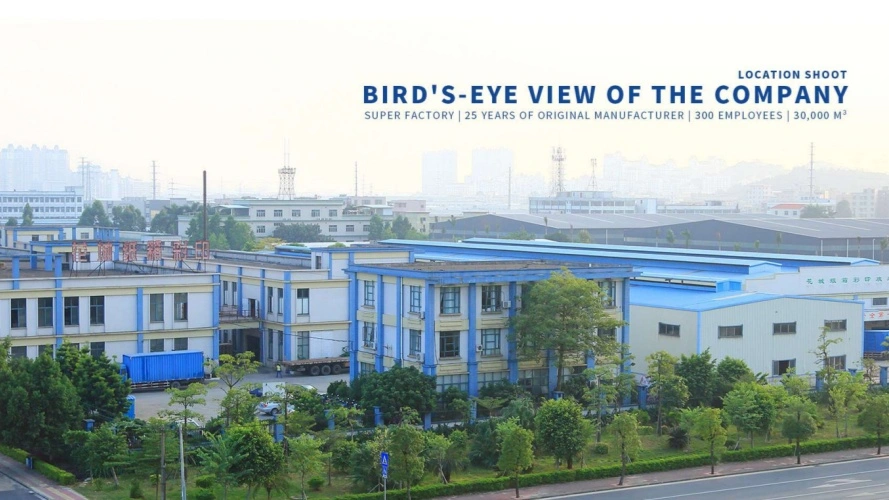
Since 1999, Guangzhou Fetching Color Printing & Packaging Ltd. has delivered exceptional packaging solutions from our 30,000㎡ facility with 50,000㎡ production capacity. Our 300+ skilled employees operate industry-leading equipment including KBA106 UV and Heidelberg XL162 presses, producing premium folding gift boxes, display racks, PDQs, mailer boxes, and collapsible rigid boxes for food, cosmetics, personal care, and electronics industries. With ISO9001, ISO14001, Smeta, G7, FSC, and Disney certifications, we maintain rigorous quality and environmental standards. Our experienced R&D team of ten packaging engineers provides expert guidance on materials, structure development, artwork design, and process technology. As a leading China foldable rigid box factory, China foldable rigid box supplier, and China foldable rigid box manufacturer, we offer competitive China foldable rigid box wholesale pricing and high quality foldable rigid box for sale at exceptional foldable rigid box price points. Over 1,000 loyal customers trust our expertise built across 25 years of innovation. Contact us at public@fetchingprinting.com to discuss your packaging requirements. Your success is our success.
References
1. Smith, J. & Anderson, K. "Sustainable Packaging Solutions for Modern Supply Chains." Journal of Packaging Technology and Research, 2023.
2. Chen, L. "Space Optimization in Warehouse Management: The Role of Collapsible Packaging." International Logistics Review, 2024.
3. Roberts, M. "Material Science Innovations in Rigid Box Manufacturing." Packaging Engineering Quarterly, 2023.
4. Thompson, R. & Williams, S. "Cost-Benefit Analysis of Flat-Pack Packaging Systems." Supply Chain Management Journal, 2024.
5. Davis, H. "Environmental Impact Assessment of Recyclable Packaging Materials." Journal of Sustainable Business Practices, 2023.

Based on your location and order quantity, you will have the opportunity to receive a limited time free shipping promotion!
Corporate Purpose