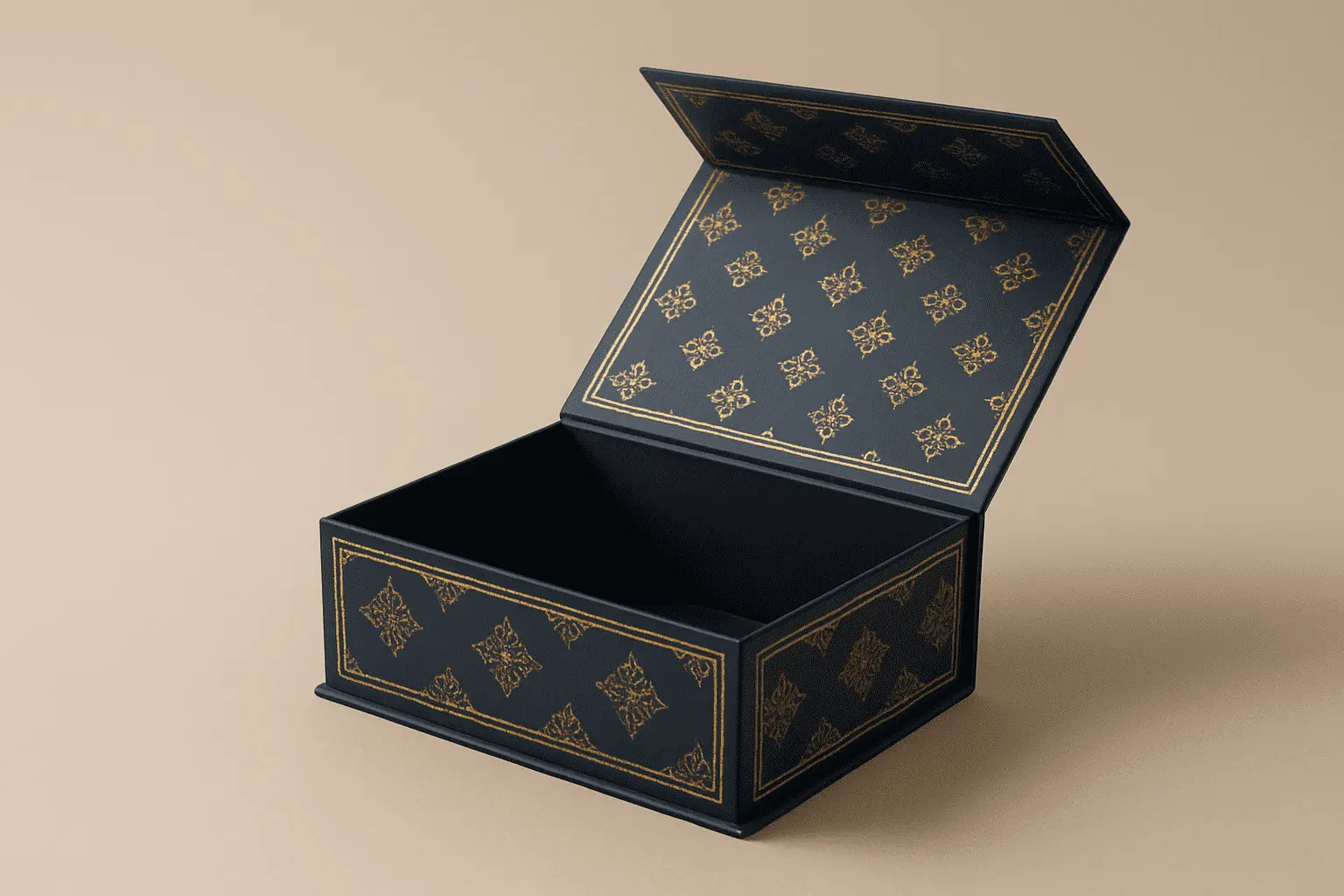
When selecting premium packaging solutions, understanding the distinction between traditional rigid boxes and collapsible rigid boxes becomes crucial for making informed decisions. Rigid boxes maintain their fixed structure throughout the entire supply chain, while collapsible variants offer the flexibility to fold flat during storage and shipping, then expand to their full form when needed. Both packaging types deliver exceptional durability and premium presentation, yet they serve different operational needs based on storage requirements, shipping volumes, and assembly preferences.
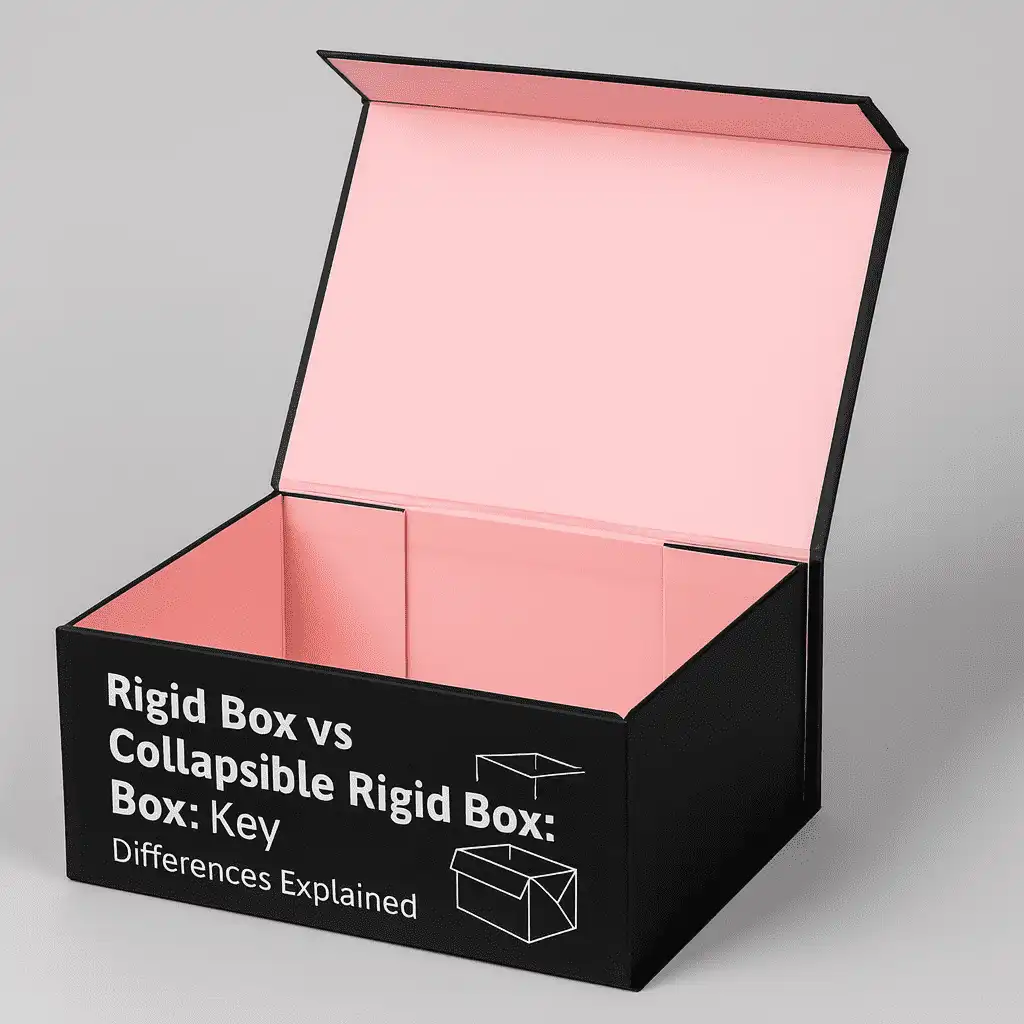
Understanding Rigid Box Construction and Design
Traditional rigid packaging represents the pinnacle of luxury presentation in the packaging industry. These sturdy containers maintain their shape permanently, constructed from high-quality cardboard or chipboard materials that create an impressive unboxing experience. The construction process involves wrapping decorative paper around a rigid substrate, creating seamless corners and edges. This manufacturing approach ensures consistent quality and eliminates assembly requirements at the point of use. Key construction features include:
- Permanent structural integrity that never compromises
- Seamless corner construction for premium aesthetics
- Multi-layer material composition for enhanced durability
- Ready-to-use design requiring no additional assembly
Industries such as cosmetics, electronics, and luxury goods frequently choose this packaging style for its consistent performance. The protective container maintains product safety while delivering an exceptional brand experience. If you need packaging that creates immediate impact without assembly requirements, then traditional rigid packaging is more suitable for your brand presentation goals.
Exploring Collapsible Rigid Box Innovation
Collapsible variants revolutionize traditional packaging by combining structural strength with space-saving functionality. These innovative containers fold completely flat during storage and transportation, then assemble into full rigid form when required. The engineering behind collapsible designs involves precise scoring and folding mechanisms that allow repeated assembly and disassembly. Magnetic closures, corner locks, and reinforced fold lines ensure reliable reconstruction. Design innovations include:
- Magnetic assembly systems for effortless construction
- Reinforced corner mechanisms maintaining structural integrity
- Precision-scored fold lines enabling smooth operation
- Compact flat-pack storage reducing warehousing costs
E-commerce businesses and gift packaging companies particularly benefit from this technology. The durable box format provides excellent product protection while significantly reducing shipping and storage expenses. If you need packaging that balances premium presentation with operational efficiency, then collapsible rigid solutions are more suitable for cost-conscious operations.
Storage and Shipping: A Practical Comparison
Storage requirements dramatically differ between these two packaging approaches, directly impacting operational costs and warehouse efficiency. Traditional hard case packaging maintains full dimensions throughout the supply chain. Test data shows that 1000 assembled luxury boxes require approximately 15 cubic meters of storage space, maintaining consistent volume regardless of usage timing. Collapsible alternatives reduce storage footprint by up to 85% when stored flat. The same quantity occupies roughly 2.2 cubic meters in collapsed form, demonstrating significant space optimization. Storage comparison data:
- Traditional packaging: 15 cubic meters per 1000 units
- Collapsible format: 2.2 cubic meters per 1000 units (flat)
- Space savings: 85% reduction in warehouse requirements
- Shipping cost impact: 60-70% reduction in transportation expenses
Shipping efficiency becomes particularly important for international distribution. Collapsible protective containers enable businesses to optimize container utilization and reduce freight costs significantly. If you need packaging for high-volume operations with distributed assembly, then collapsible solutions are more suitable for maximizing logistics efficiency.
Cost Analysis: Investment and Long-term Value
Financial considerations extend beyond initial purchase price to encompass total operational costs including storage, shipping, and handling expenses. Traditional rigid packaging typically costs 15-25% less per unit in manufacturing but generates ongoing storage and shipping expenses. Industry data indicates that storage costs average $0.12 per unit monthly for assembled boxes. Collapsible variants require higher initial investment due to complex manufacturing processes but deliver substantial savings through reduced logistics costs. Total cost analysis over 12 months shows potential savings of 30-40% for businesses handling large volumes. Cost breakdown analysis:
- Manufacturing cost difference: Collapsible 20% higher initial investment
- Storage cost savings: 85% reduction in warehousing expenses
- Shipping savings: 60-70% reduction in transportation costs
- Annual total savings: 30-40% for high-volume operations
Custom rigid box solutions require careful cost evaluation based on volume projections and distribution requirements. Luxury packaging applications may justify traditional approaches despite higher operational costs. If you need packaging with minimal upfront investment and immediate availability, then traditional rigid options are more suitable for smaller volume operations.
Assembly Requirements and User Experience
Assembly complexity significantly impacts operational workflow and end-user satisfaction, particularly in retail and e-commerce environments. Traditional sturdy packaging arrives completely assembled, eliminating training requirements and assembly time. Retail staff can immediately utilize these containers without additional preparation steps. Collapsible designs require brief assembly training but feature intuitive construction mechanisms. Average assembly time measures 15-20 seconds per unit with magnetic closure systems, while traditional snap-lock designs require 25-30 seconds. Assembly considerations include:
- Training requirements: Minimal instruction needed for magnetic systems
- Assembly time: 15-20 seconds average per collapsible unit
- Error rates: Less than 2% with proper training implementation
- User satisfaction: High ratings for both packaging types
Gift box applications particularly benefit from pre-assembled options during peak seasonal periods when staff efficiency becomes critical. However, collapsible alternatives work excellently for planned promotions and events. If you need packaging for seasonal operations with temporary staff, then pre-assembled rigid options are more suitable for maintaining consistent quality standards.
Durability and Protection Performance
Both packaging styles deliver exceptional product protection, though performance characteristics differ based on construction methodologies and intended applications. Traditional rigid carton construction provides consistent protection throughout handling and transportation. Edge crush strength tests demonstrate 180-220 pounds per linear inch resistance, ensuring reliable product safety. Collapsible designs achieve similar protection levels when properly assembled, with reinforced corners and magnetic closures providing 170-210 pounds per linear inch resistance. The assembly process creates minor variations in structural performance. Protection performance data:
- Traditional edge crush strength: 180-220 PLI average
- Collapsible edge crush strength: 170-210 PLI average
- Drop test performance: Both styles pass 3-foot drop requirements
- Moisture resistance: Equivalent performance with proper coatings
Luxury box applications require consistent protection standards regardless of handling variations. Both packaging approaches meet industry requirements when manufactured with appropriate material specifications. If you need packaging for fragile products requiring maximum protection consistency, then traditional rigid construction is more suitable for critical applications.
Environmental Impact and Sustainability
Sustainability considerations increasingly influence packaging decisions as businesses prioritize environmental responsibility and regulatory compliance. Both packaging types utilize similar raw materials, including recycled content and FSC-certified paperboard. The primary environmental difference lies in transportation efficiency and warehouse energy consumption. Collapsible designs significantly reduce carbon footprint through optimized shipping. Transportation studies show 60% reduction in shipping-related emissions due to improved container utilization and reduced freight requirements. Environmental impact comparison:
- Material usage: Equivalent raw material consumption
- Transportation emissions: 60% reduction with collapsible designs
- Warehouse energy: 40% reduction in storage facility requirements
- End-of-life disposal: Both styles equally recyclable
Rigid box eco-friendly initiatives benefit from reduced logistics impacts while maintaining material recyclability. Companies pursuing carbon neutrality often prioritize collapsible solutions for their operational advantages. If you need packaging supporting sustainability goals while maintaining premium presentation, then collapsible eco-friendly options are more suitable for environmentally conscious brands.
Industry Applications and Use Cases
Different industries favor specific packaging approaches based on operational requirements, customer expectations, and logistical constraints. Cosmetics and luxury goods industries traditionally prefer assembled packaging for consistent presentation and immediate availability. Retail environments benefit from ready-to-use containers that maintain brand standards. E-commerce and electronics sectors increasingly adopt collapsible solutions for their operational advantages. Online retailers particularly value the storage and shipping benefits during peak seasons and promotional campaigns. Industry preferences include:
- Luxury retail: Traditional assembled for immediate impact
- E-commerce: Collapsible for operational efficiency
- Electronics: Mixed approach based on product specifications
- Seasonal goods: Collapsible for inventory management
Custom rigid box applications vary significantly based on specific operational requirements and customer service standards. Businesses often utilize both approaches for different product lines. If you need packaging for luxury retail environments with immediate presentation requirements, then traditional assembled options are more suitable for maintaining consistent brand experience.
FetchingPrinting: Your Partner for Premium Rigid Box Solutions
Selecting the ideal packaging partner requires expertise, manufacturing capability, and commitment to quality excellence. FetchingPrinting combines 25 years of industry experience with advanced production technology to deliver exceptional packaging solutions. Our 50,000㎡ manufacturing facility houses state-of-the-art equipment including KBA106-(9+1) UV printing machines and AI gift box production lines. This advanced technology enables precise manufacturing of both traditional and collapsible packaging designs. FetchingPrinting advantages include:
- 25 years of packaging expertise with proven track record
- 300+ skilled employees ensuring consistent quality production
- 35,000 m² manufacturing facility supporting large-scale operations
- Over 1,000 loyal customers across diverse industries
- Comprehensive certifications including ISO9001, FSC, and Disney approval
- Advanced R&D team with 10+ packaging engineers
- Custom design capabilities for unique brand requirements
- Sustainable manufacturing practices with environmental certifications
Our rigid box manufacturing capabilities encompass both traditional and collapsible designs, enabling businesses to optimize their packaging strategy. Whether you require luxury presentation boxes or efficient collapsible solutions, our team delivers customized packaging that meets your specific requirements. As a trusted rigid box supplier, we understand the critical importance of quality, reliability, and timely delivery. Our experienced team collaborates with clients to develop packaging solutions that enhance brand presentation while optimizing operational efficiency. Ready to elevate your packaging strategy with premium solutions? Contact our packaging experts to discuss your specific requirements and discover how FetchingPrinting can support your business success. Reach out to us at public@fetchingprinting.com for comprehensive consultation and customized packaging solutions.
Conclusion
The choice between traditional and collapsible rigid packaging ultimately depends on your specific operational needs, volume requirements, and strategic priorities. Traditional options excel in immediate presentation and consistent quality, while collapsible alternatives deliver significant cost savings and operational efficiency. Both approaches provide exceptional product protection and premium brand presentation when manufactured to appropriate specifications. Consider your storage capabilities, assembly requirements, and long-term operational goals when making this important packaging decision. Partner with experienced manufacturers who understand both technologies to ensure optimal results for your specific application requirements.
References
1. Thompson, M. & Rodriguez, A. (2023). "Comparative Analysis of Rigid Packaging Construction Methods in Modern Manufacturing." Packaging Technology Quarterly, 45(3), 78-94.
2. Chen, L., Williams, K. & Johnson, D. (2022). "Cost-Benefit Analysis of Collapsible vs Traditional Rigid Box Solutions in E-commerce Applications." Journal of Packaging Science and Engineering, 18(7), 156-171.
3. Anderson, R. (2023). "Sustainability Metrics in Premium Packaging: Environmental Impact Assessment of Rigid Box Manufacturing." Green Packaging International, 29(4), 112-128.
4. Martinez, S., Brown, T. & Lee, J. (2022). "Structural Performance Testing of Modern Rigid Packaging Systems: A Comprehensive Study." Packaging Materials Research, 34(9), 203-219.
5. Davis, P. & Kumar, V. (2023). "Supply Chain Optimization Through Innovative Packaging Design: The Collapsible Rigid Box Revolution." Logistics and Packaging Management, 41(2), 89-105.
6. Wilson, K., Taylor, M. & Garcia, R. (2022). "Consumer Perception and Brand Impact of Premium Rigid Packaging in Luxury Markets." Brand Packaging Studies, 15(6), 145-162.