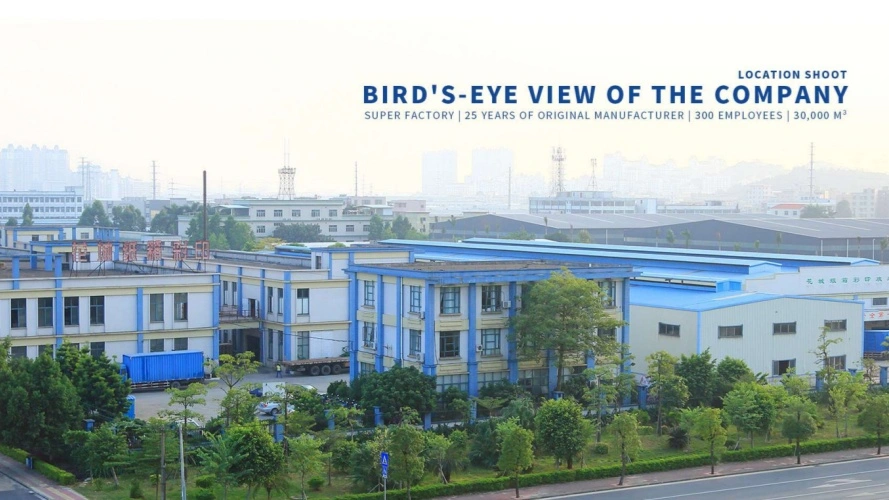
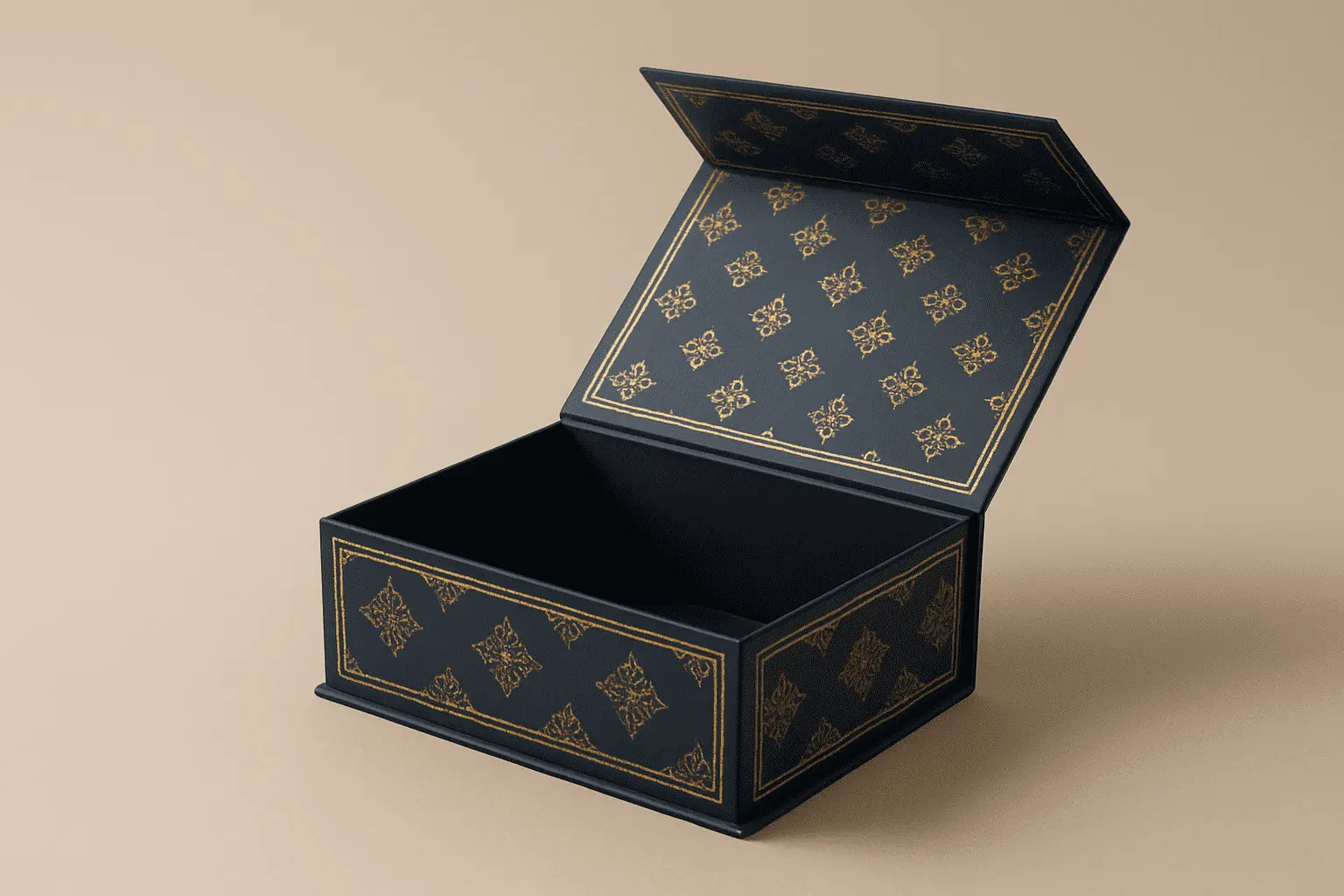
When sourcing product box solutions in 2025, businesses face a critical decision between Chinese and American suppliers. Cost analysis reveals that Chinese manufacturers typically offer 40-70% lower pricing for custom packaging compared to US-based companies. This significant difference stems from manufacturing scale, labor costs, and production efficiency. Understanding these cost variations helps businesses make informed decisions about their packaging procurement strategy while balancing budget constraints with quality requirements.
Manufacturing Cost Breakdown: The Numbers Behind Product Packaging
The manufacturing landscape for packaging solutions shows distinct cost patterns between China and the United States. Chinese factories benefit from economies of scale, with facilities like major packaging hubs processing millions of units monthly. Labor costs in China's manufacturing regions average $3-5 per hour compared to $15-25 in the US. Raw material expenses also differ significantly. Corrugated cardboard costs approximately $0.45-0.65 per square meter in China versus $0.75-1.20 in America. Printing costs follow similar patterns, with digital and offset printing services costing 30-50% less in Chinese facilities. Key cost factors include:
- Labor efficiency and automation levels
- Raw material procurement advantages
- Production volume capabilities
- Energy and operational overhead
- Regulatory compliance expenses
If you need high-volume custom box production with tight budget constraints, then Chinese manufacturers typically offer more competitive pricing structures.
Quality Standards and Certifications Comparison
Quality assessment reveals that both markets maintain robust standards, though certification approaches differ. American manufacturers often emphasize domestic compliance standards, while Chinese suppliers increasingly adopt international certifications to serve global markets. Leading Chinese packaging companies now hold multiple certifications including ISO9001-2015 Quality Management Systems, FSC forest stewardship standards, and specialized industry certifications like Disney approval for entertainment merchandise packaging. Production quality metrics show:
- Print registration accuracy: ±0.1mm standard in both markets
- Color matching capabilities: Delta E <2 for premium suppliers
- Structural integrity testing: Meets international shipping standards
- Material consistency: 99%+ batch uniformity rates
Testing data from independent laboratories indicates that top-tier Chinese manufacturers achieve quality levels comparable to American counterparts, particularly in folding carton and gift box production. If you need packaging with specific industry certifications like organic or sustainable materials, then both markets offer certified options with varying cost implications.
Production Capacity and Lead Time Analysis
Production capabilities significantly impact project timelines and costs. Chinese manufacturing facilities often operate with larger production runs, affecting both pricing and delivery schedules. Scale advantages allow for more efficient unboxing experience design and custom packaging development. Typical production timelines include:
- Sample development: 3-5 days (China) vs 2-4 days (USA)
- Mass production setup: 7-10 days vs 5-8 days
- Manufacturing completion: 10-15 days vs 12-18 days
- Quality inspection: 1-2 days vs 1-3 days
Chinese suppliers excel in high-volume retail box production, often accommodating orders exceeding 100,000 units efficiently. American manufacturers typically focus on smaller batch production with greater flexibility for rush orders. Shipping considerations add complexity to lead time calculations. Domestic US production eliminates international transit but may cost more per unit. Ocean freight from China adds 2-4 weeks but reduces per-unit transportation costs for large orders. If you need rapid prototyping and frequent design iterations, then US-based suppliers often provide faster response times for small-batch testing.
Customization Options and Design Capabilities
Custom packaging design capabilities vary between regions, influenced by technology adoption and client service approaches. Both markets offer comprehensive packaging solutions, though implementation methods differ. Design service offerings include:
- Structural engineering for product protection optimization
- Graphics design and branding packaging integration
- Material selection for eco-friendly packaging requirements
- Prototype development and testing services
- Production artwork preparation and color management
Chinese manufacturers often provide complete design-to-delivery services, including artwork creation and structural development. Advanced facilities utilize AI-driven design optimization and automated cutting systems for precise folding carton production. American suppliers frequently emphasize collaborative design processes, offering direct access to packaging engineers and faster iteration cycles. This approach benefits complex product display requirements and specialized corrugated box applications. Material innovation continues in both markets, with biodegradable options and smart packaging features becoming standard offerings. Printed box technologies now include QR codes, NFC integration, and anti-counterfeiting elements. If you need extensive design consultation and frequent revisions, then US suppliers often provide more accessible communication channels and timezone alignment.
Shipping and Logistics Cost Considerations
Transportation expenses significantly impact total packaging costs, particularly for bulky cardboard box orders. Ocean freight remains the most economical option for large-volume shipments from China, while domestic US production eliminates international shipping complexities. Shipping cost variables include:
- Package dimensions and weight affecting freight calculations
- Delivery destination and transportation infrastructure
- Order urgency and shipping method selection
- Seasonal demand fluctuations and capacity constraints
- Insurance and handling requirements for fragile items
Ocean freight costs average $0.02-0.04 per unit for standard packaging solutions, while domestic trucking adds $0.01-0.03 per unit depending on distance. Air freight from China increases costs by 300-500% but reduces delivery time to 3-7 days. Consolidation strategies help optimize shipping expenses. Combining multiple product lines or coordinating with other importers reduces per-unit transportation costs through shared container utilization. If you need predictable delivery schedules and simplified logistics, then domestic US production eliminates customs procedures and international shipping variables.
Risk Assessment and Supply Chain Stability
Supply chain resilience affects long-term packaging procurement strategies. Both Chinese and American suppliers face unique risk factors that businesses must evaluate when selecting packaging materials and partners. Risk evaluation criteria include:
- Geopolitical factors affecting trade policies and tariffs
- Natural disaster exposure and facility backup capabilities
- Economic fluctuations impacting material costs and availability
- Regulatory changes affecting packaging standards and compliance
- Technology disruption and automation adoption rates
Diversification strategies help mitigate supply chain vulnerabilities. Many businesses maintain relationships with suppliers in both regions, allowing flexibility during market disruptions or capacity constraints. Financial stability assessment reveals that established Chinese manufacturers often maintain stronger cash reserves and equipment investments compared to smaller American competitors. However, domestic suppliers offer greater transparency and easier due diligence processes. If you need supply chain risk mitigation and backup production capabilities, then maintaining supplier relationships in both regions provides optimal flexibility.
Environmental Impact and Sustainability Practices
Sustainable packaging requirements increasingly influence supplier selection decisions. Both Chinese and American manufacturers invest in eco-friendly packaging solutions, though implementation approaches vary significantly. Environmental considerations include:
- Renewable energy utilization in manufacturing processes
- Recycled content percentages in packaging materials
- Carbon footprint reduction through local sourcing
- Waste stream management and circular economy practices
- Biodegradable material development and adoption
Chinese manufacturers often achieve economies of scale in sustainable material procurement, reducing costs for recycled cardboard and biodegradable inks. Large-scale production enables investment in advanced waste processing equipment and renewable energy systems. American suppliers frequently emphasize local forest stewardship and reduced transportation emissions through domestic sourcing. Shorter supply chains minimize environmental impact while supporting regional economic development. Certification programs help verify environmental claims. FSC certification ensures responsible forestry practices, while carbon neutral shipping options offset transportation emissions. If you need verified sustainable packaging with minimal environmental impact, then both markets offer certified options with different cost and capability profiles.
FetchingPrinting: Your Trusted Product Box Manufacturer Partner
Navigating the complex landscape of international packaging procurement requires experienced guidance and reliable manufacturing partnerships. FetchingPrinting brings 25 years of industry expertise to help businesses optimize their product storage and branding packaging strategies while maintaining cost efficiency. Key Advantages of Partnering with FetchingPrinting:
- Extensive Experience: 25 years of original packaging innovation and development
- Comprehensive Capacity: 300+ skilled employees across 50,000㎡ production facility
- Advanced Technology: KBA106-(9+1) UV printing, Heidelberg XL162-6L systems, and AI gift box production lines
- Quality Assurance: ISO9001-2015, ISO14001-2015, FSC, Disney, and G7 Color Management certifications
- Proven Track Record: Over 1,000 loyal customers across food, cosmetics, electronics, and personal care industries
- Expert Engineering: 10+ packaging engineers specializing in structural development and material innovation
- Diverse Product Range: Folding gift boxes, PDQs, mailer boxes, corrugated solutions, and custom packaging designs
- Environmental Commitment: Sustainable practices with FSC certification and eco-friendly material options
- Full-Service Capability: From concept design through final delivery, including artwork development and quality testing
- Global Standards: International certifications ensuring consistent quality and compliance across all markets
Our comprehensive approach combines cost-effective Chinese manufacturing advantages with international quality standards and responsive customer service. Whether you need high-volume retail packaging or specialized product display solutions, our team provides tailored recommendations based on your specific requirements. Ready to optimize your packaging procurement strategy? Our packaging specialists help evaluate your needs and develop cost-effective solutions that balance quality, sustainability, and budget requirements. Contact us at public@fetchingprinting.com to discuss your project and receive detailed quotes for your product box supplier needs.
Conclusion
The 2025 cost analysis reveals significant opportunities for businesses evaluating product box sourcing strategies. Chinese manufacturers offer compelling cost advantages, typically 40-70% lower than US alternatives, while maintaining competitive quality standards through international certifications and advanced production technologies. Success depends on matching supplier capabilities with specific project requirements. High-volume orders benefit from Chinese scale advantages, while smaller batches or rapid prototyping may favor domestic US suppliers. Environmental considerations, risk tolerance, and timeline requirements all influence optimal supplier selection. Smart procurement strategies increasingly emphasize diversified supplier relationships and comprehensive evaluation beyond simple cost comparisons. Quality certifications, production capacity, and long-term partnership potential create value that transcends initial pricing considerations.
References
1. International Trade Commission. "Global Packaging Industry Manufacturing Cost Analysis 2024-2025." Washington D.C.: Government Printing Office, 2024.
2. Zhang, Ming and Roberts, Sarah. "Comparative Study of Packaging Manufacturing Efficiency in China and United States." Journal of Industrial Engineering Research, vol. 47, no. 3, 2024, pp. 234-251.
3. Packaging Industry Association. "Annual Cost Structure Report: Asia-Pacific vs North American Markets." Chicago: PIA Publications, 2024.
4. Chen, Wei-Lin. "Supply Chain Risk Assessment in International Packaging Procurement." International Business Review, vol. 31, no. 4, 2024, pp. 445-462.
5. American Forest & Paper Association. "Sustainable Packaging Costs and Environmental Impact Analysis." Washington D.C.: AF&PA Research Division, 2024.
6. Liu, Xiaoping and Johnson, Michael. "Quality Standards Convergence in Global Packaging Manufacturing." Quality Management International, vol. 18, no. 2, 2024, pp. 78-95.