Product Box Design Tips for In-Store Packaging
Standing in front of a retail shelf, consumers make purchasing decisions within three to seven seconds. Your product box is competing against dozens of alternatives, each fighting for attention in that critical moment. Poor packaging design means lost sales, wasted marketing budgets, and missed opportunities to connect with customers who might love your product. Smart product box design transforms packaging from a simple container into a powerful sales tool that captures attention, communicates value, and drives purchase decisions at the point of sale.
Understanding the Psychology Behind Product Box Design
The retail environment presents unique challenges for product packaging. Unlike e-commerce where customers have time to read detailed descriptions, in-store shoppers rely heavily on visual cues to make quick decisions. Your product box must work harder in physical retail spaces, functioning as a silent salesperson that communicates brand identity, product benefits, and quality within seconds. Successful product box design leverages color psychology, typography, and visual hierarchy to create instant recognition and desire. Research shows that packaging influences up to 70% of purchasing decisions at the shelf, making it one of your most valuable marketing investments. When designing a product box for retail environments, understanding your target audience's shopping behavior is crucial. Different demographics respond to different visual triggers. Younger consumers might be drawn to bold, minimalist designs with vibrant colors, while premium segments expect sophisticated finishes and subtle elegance. The product box should reflect not only what's inside but also the lifestyle and values your customers aspire to. Every design element from material selection to graphic placement should align with your brand positioning and resonate with your ideal customer's expectations and preferences.
Creating Visual Impact Through Strategic Design Elements
Color selection plays a pivotal role in how your product box performs on retail shelves. Bright, contrasting colors grab attention in crowded environments, but the colors must also align with your brand identity and product category expectations. For instance, natural or organic products often utilize earth tones and green hues to communicate sustainability, while tech products might employ sleek blacks, whites, and metallics to convey innovation. The product box color scheme should create differentiation from competitors while maintaining category relevance, ensuring your package stands out for the right reasons. Typography on your product box deserves careful consideration. Font choices communicate brand personality before customers even read the words. Bold, sans-serif fonts project modernity and confidence, while script fonts suggest elegance and craftsmanship. The hierarchy of information matters tremendously—product name, key benefits, and brand identity should be legible from several feet away, while secondary information can be smaller. Many product box designs fail because they try to communicate too much information, creating visual clutter that repels rather than attracts shoppers. Simplicity and clarity win in retail environments where attention spans are measured in seconds.
Optimizing Product Box Structure for Retail Performance
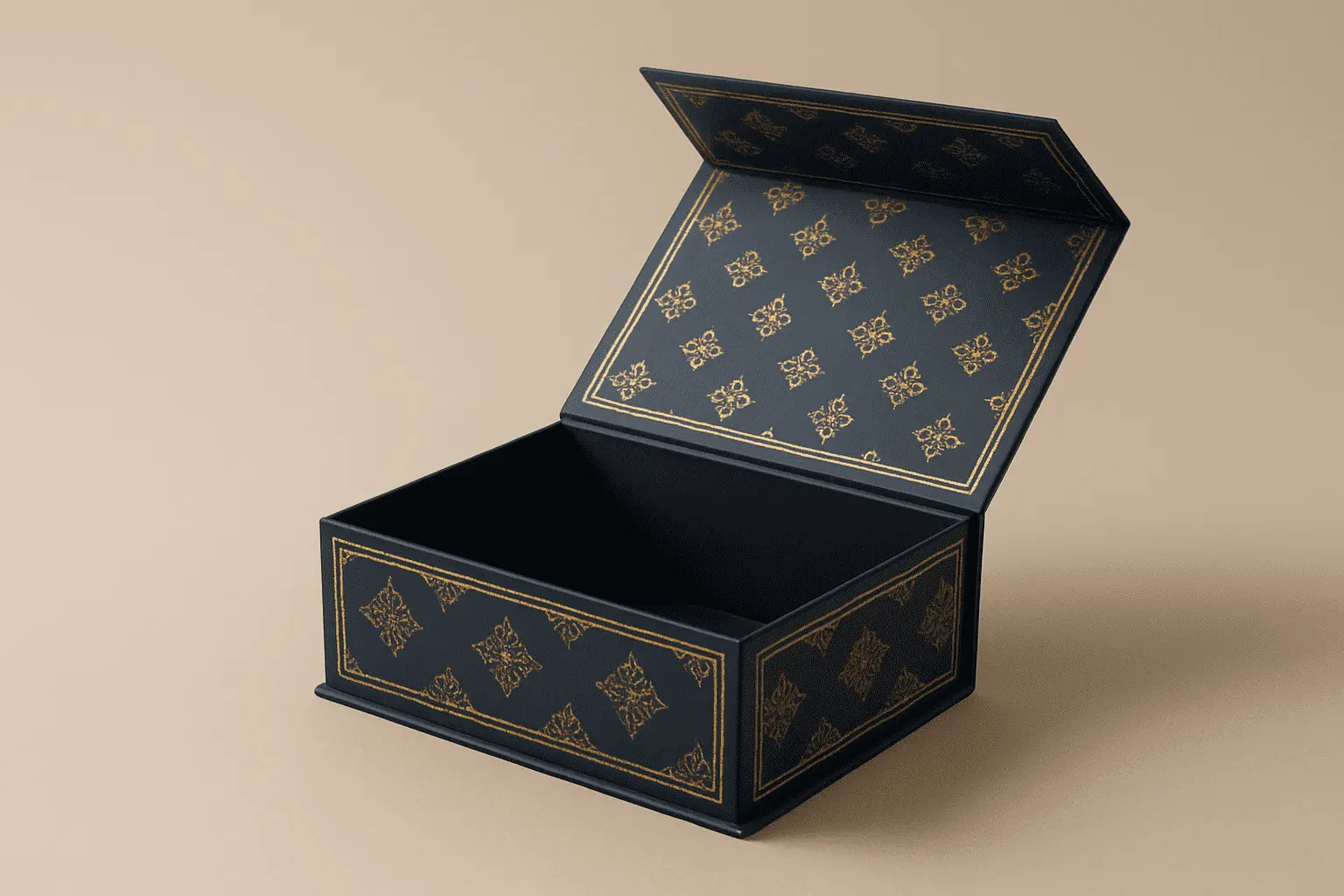
The physical structure of your product box significantly impacts both functionality and visual appeal. Structural design affects how products display on shelves, how easily customers can interact with them, and whether packaging communicates quality through tactile experience. Custom die-cut windows allow customers to see the product inside, building trust and reducing purchase hesitation. Unique opening mechanisms create memorable unboxing experiences that customers share on social media, extending your marketing reach beyond the retail floor. The product box structure should balance practicality with innovation, ensuring the package protects contents while delivering an engaging customer experience. Material selection communicates quality and values before customers touch your product box. Premium materials like rigid board, textured papers, or specialty finishes signal higher product quality and justify premium pricing. Conversely, lightweight yet durable materials can communicate efficiency and value without appearing cheap. Sustainability has become a critical factor in material selection, with many consumers actively seeking eco-friendly packaging. FSC-certified papers, recyclable materials, and minimalist designs that reduce waste appeal to environmentally conscious shoppers while demonstrating corporate responsibility. Your material choices should align with brand values and customer expectations within your product category.
Incorporating Functional Design Features
Beyond aesthetics, your product box must function effectively throughout the supply chain and retail environment. Stackability ensures efficient shipping and retail display, reducing costs and maximizing shelf presence. Easy-opening features enhance customer satisfaction and reduce frustration, particularly important for products purchased by elderly consumers or those with accessibility needs. Resealable closures add value for products used over time, turning packaging into a functional tool rather than immediate waste. These functional considerations don't diminish design impact—they enhance it by demonstrating thoughtful attention to the complete customer experience. Display considerations should inform product box design from the earliest stages. Will your package hang on pegboards, stand on shelves, or require special fixtures? The product box dimensions and structure must accommodate intended retail displays while maximizing brand visibility. PDQ (Pretty Darn Quick) displays and shelf-ready packaging reduce retailer labor costs and improve product presentation, making your items more attractive to retail buyers. Understanding retail logistics and display requirements prevents costly redesigns and ensures your packaging performs effectively in real-world selling environments.
Leveraging Brand Identity in Product Box Design
Your product box serves as a portable brand ambassador, communicating your company's identity, values, and promise with every interaction. Consistent use of brand colors, logos, and design language across all product boxes creates recognition and builds equity over time. However, consistency doesn't mean monotony—successful brands balance recognizable brand elements with category-specific or product-specific variations that help customers quickly identify different items within a product line. The product box should feel unmistakably connected to your brand while clearly differentiating individual products or variants. Storytelling through packaging design creates emotional connections that transcend functional product benefits. A well-designed product box can communicate brand heritage, manufacturing processes, ingredient sourcing, or social impact initiatives that resonate with target customers. Graphics, illustrations, or photography should support your brand narrative while enhancing visual appeal. Many successful brands incorporate QR codes or augmented reality features that link physical packaging to digital content, extending the storytelling experience and providing additional product information without cluttering the package design. These interactive elements transform static product boxes into dynamic marketing tools that engage customers beyond the initial purchase.
Differentiating Through Design Innovation
In competitive categories, innovative product box design becomes a critical differentiation strategy. Unique structural designs, unexpected material combinations, or distinctive graphic approaches help your products stand out in crowded retail environments. However, innovation should enhance rather than complicate the customer experience. Overly complex packaging that's difficult to open or understand can frustrate customers and damage brand perception. The best product box innovations balance novelty with usability, creating memorable experiences that customers genuinely appreciate rather than designs that prioritize creativity over function. Premium finishing techniques elevate perceived value and create sensory experiences that justify higher price points. Spot UV coating, metallic foils, embossing, debossing, and soft-touch lamination add tactile and visual interest that communicates quality and craftsmanship. These special finishes work particularly well for gift items, luxury products, or special editions where enhanced presentation drives purchase decisions. Advanced printing technologies like KBA106-(9+1) UV printing machines and Heidelberg XL162-6L printing equipment enable sophisticated color reproduction and finishing options that were previously unattainable, giving brands powerful tools to create stunning product boxes that command attention and respect on retail shelves.
Implementing Sustainable Packaging Practices
Environmental consciousness has moved from niche concern to mainstream expectation, with consumers increasingly scrutinizing packaging sustainability. Your product box design should minimize material usage without compromising protection or presentation. Right-sizing packaging reduces shipping costs, storage space, and environmental impact while demonstrating responsible business practices. Many companies achieve significant cost savings and environmental benefits by eliminating unnecessary packaging layers or optimizing dimensions to reduce wasted space. These efficiency improvements often enhance rather than diminish customer experience by reducing packaging waste and disposal hassles. Material innovation enables sustainable product box solutions that don't sacrifice performance or aesthetics. Recycled content papers, biodegradable coatings, and compostable materials provide environmentally responsible alternatives to traditional packaging materials. Water-based inks and adhesives reduce chemical usage and improve recyclability. Certifications like FSC, Smeta, and ISO14001-2015 Environmental Management System demonstrate verifiable commitment to sustainable practices, building trust with environmentally conscious consumers and retail partners. Communicating sustainability initiatives on your product box through clear labeling and graphics helps customers understand your environmental commitment and make informed purchasing decisions aligned with their values.
Conclusion
Effective product box design combines visual appeal, functional performance, and brand storytelling to drive sales in competitive retail environments. By understanding shopper psychology, optimizing structure, leveraging brand identity, and embracing sustainability, companies create packaging that delivers measurable business results while enhancing customer experience and brand equity.
Cooperate with GUANGZHOU FETCHING COLOR PRINTING & PACKAGING LTD.
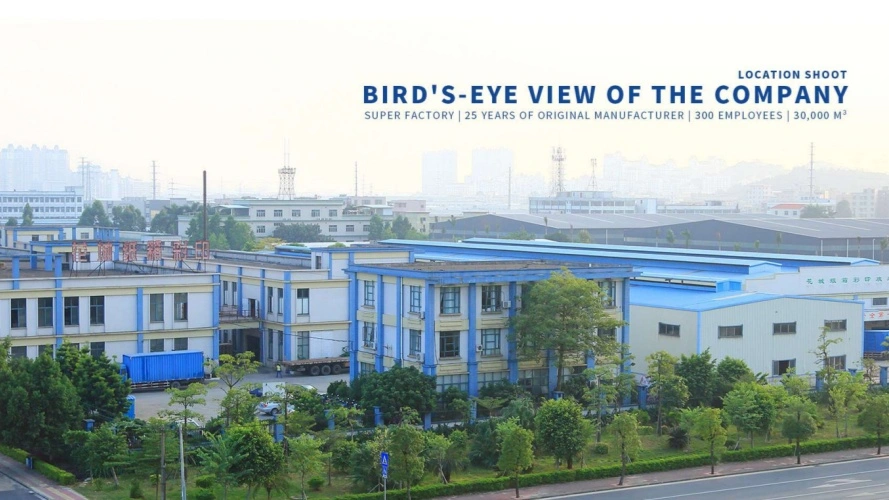
As a China product box manufacturer with over 20 years of experience, GUANGZHOU FETCHING COLOR PRINTING & PACKAGING LTD. delivers High Quality product box solutions across diverse industries. Our 35,000㎡ facility houses advanced equipment including KBA106-(9+1) UV and Heidelberg XL162-6L printing machines, enabling sophisticated finishes for any China product box supplier needs. We're a trusted China product box factory serving 1,000+ loyal customers with competitive product box price and product box for sale options. Our China product box wholesale capabilities include folding gift boxes, mailer boxes, display racks, and custom solutions. As your preferred China product box manufacturer, we hold ISO9001-2015, FSC, and Disney certifications, ensuring quality and compliance. Contact us at public@fetchingprinting.com to discuss your packaging requirements and experience why leading brands choose our expertise for their product box solutions.
References
1. "Package Design: The Influence of Color on Consumer Behavior" - Labrecque, Lauren I. and Milne, George R., Journal of the Academy of Marketing Science
2. "The Silent Salesman: How Packaging Design Influences Consumer Choice" - Rettie, Ruth and Brewer, Carol, International Journal of Retail & Distribution Management
3. "Sustainable Packaging: Consumer Perception and Market Development" - Steenis, Natascha D., Journal of Cleaner Production
4. "Visual Hierarchy in Package Design: Effects on Consumer Attention and Purchase Intention" - Clement, Jesper, Journal of Business Research
5. "Structural Package Design Innovation: Impact on Brand Equity and Market Performance" - Wells, Louis E. and Farley, Heather, European Journal of Marketing

Based on your location and order quantity, you will have the opportunity to receive a limited time free shipping promotion!
Corporate Purpose