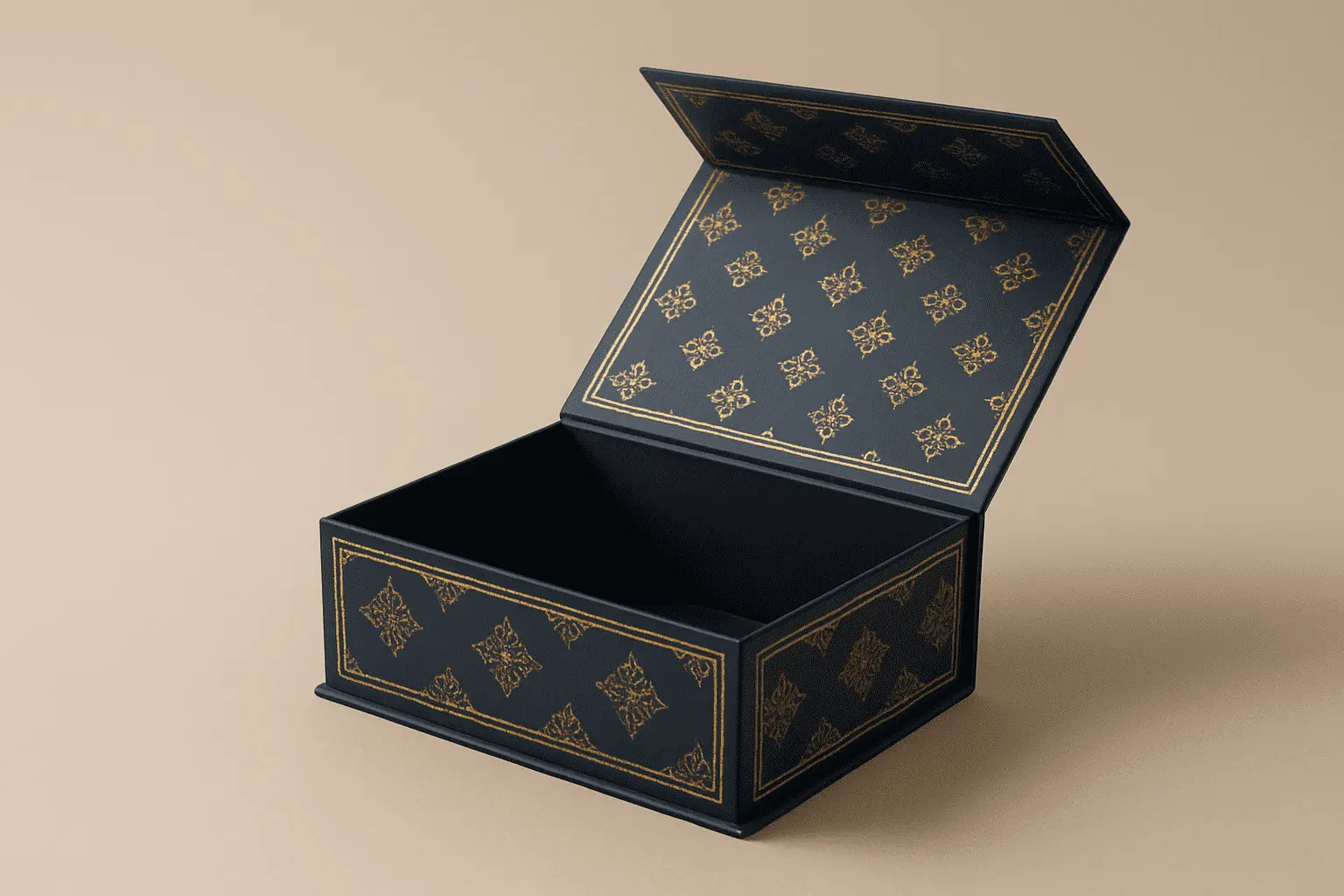
OEM Rigid Box Manufacturer Guide: From Design to Production
Every brand launching premium products faces the same challenge: packaging that fails to reflect the product's true value can undermine your entire market positioning. When your luxury cosmetics arrive in flimsy boxes or your electronic devices lack protective packaging that conveys quality, you're essentially telling customers your product isn't worth the premium they're paying. This comprehensive rigid box manufacturer guide walks you through every critical decision point from initial concept to final delivery, ensuring your OEM partnership delivers packaging that elevates your brand rather than diminishing it. Whether you're packaging jewelry, electronics, or gourmet foods, understanding the complete rigid box production process empowers you to make informed choices that protect both your products and profit margins.

Understanding Rigid Box Manufacturing Fundamentals
The foundation of successful OEM rigid box production begins with understanding what sets this premium packaging apart from standard corrugated or folding carton solutions. A rigid box consists of high-density chipboard ranging from 1mm to 3mm thickness, wrapped in decorative materials that transform structural protection into a tangible expression of brand value. Unlike folding cartons that ship flat and require assembly, rigid boxes arrive fully formed, which explains both their superior protective qualities and higher shipping costs. The manufacturing process involves multiple specialized steps that must work in harmony: precision die-cutting creates the structural foundation, wrapping applies your brand aesthetics, and assembly brings everything together with exacting tolerances. When selecting an OEM rigid box manufacturer, you're not just buying boxes—you're partnering with specialists who understand how material selection, structural engineering, and finishing techniques combine to create packaging that customers want to keep long after unboxing. The rigid box construction method has remained fundamentally consistent for decades because it delivers unmatched durability and perceived luxury value that justifies its premium positioning in the marketplace.
-
Material Selection for Rigid Box Production
Choosing the right materials forms the cornerstone of rigid box success, and experienced OEM manufacturers guide this critical decision based on your product requirements and budget constraints. Grey chipboard remains the most cost-effective rigid substrate option, manufactured by compressing recycled pulp under high heat and pressure to create a sturdy, economical foundation that typically ranges from 1200gsm to 2000gsm depending on the box size and weight requirements of your product. This multi-ply construction delivers excellent resistance to bending and compression while maintaining an environmentally responsible profile through its recycled content composition. For applications requiring enhanced visual appeal on the interior, duplex chipboard offers a dual-layer construction with a smooth white coated face bonded to a grey recycled-pulp core, providing the perfect balance between premium appearance and cost efficiency. The white coated surface accepts high-quality printing and finishing treatments like UV coating, foil stamping, and embossing without requiring additional lamination steps that increase production complexity and costs.
The wrapping materials applied to your rigid box substrate determine the final aesthetic impact and tactile experience customers encounter when handling your packaging. SBS C1S paperboard provides a premium-grade solution with exceptional brightness and a clay-coated surface that delivers vibrant color reproduction for offset, digital, and specialty printing applications, making it the preferred choice for cosmetics, personal care, and high-end retail packaging where visual impact drives purchasing decisions. When your design requires printing on both the exterior and interior surfaces, SBS C2S offers coating on both sides to ensure professional-quality graphics regardless of viewing angle, particularly valuable for structural packaging with inner print requirements in luxury gift sets and presentation boxes. For budget-conscious applications that still require reliable print performance, CCNB provides clay coating on the front surface with a grey recycled backing, offering significant cost savings while maintaining sharp, vibrant visuals suitable for electronics, toys, and cosmetics packaging where sustainability credentials support brand positioning. Specialty materials like metallic paper create instant visual impact through mirror-like or pearlescent finishes available in silver, gold, copper, and rainbow shades that elevate perceived luxury and generate exceptional shelf appeal during retail displays and trade shows.
Design Development and Structural Engineering
The design phase represents your opportunity to translate brand vision into three-dimensional reality, and successful OEM rigid box partnerships begin with comprehensive consultation between your team and the manufacturer's structural engineers. This collaborative process examines multiple factors that influence final box performance: product dimensions and weight distribution, required protection levels during shipping and handling, retailer display requirements and shelf presentation goals, budget parameters that balance quality aspirations against market realities, and timeline constraints that may influence material selection and production scheduling. Professional packaging engineers bring extensive experience in new material applications, packaging structure development, artwork design, and process technology that transforms conceptual ideas into manufacturable solutions. During this phase, your OEM partner should provide detailed dieline templates showing exact dimensions, fold lines, and assembly specifications that serve as the blueprint for all subsequent production steps. Template accuracy proves absolutely critical because even minor dimensional errors compound throughout the manufacturing process, resulting in boxes where wrapped materials don't align properly, lids don't fit bases correctly, or products don't secure properly within the interior space. Quality rigid box manufacturers invest in sophisticated computer-aided design systems and maintain sample-making capabilities that allow you to test physical prototypes before committing to full production runs, providing opportunities to refine dimensions, evaluate material combinations, and assess finishing techniques in real-world conditions.
-
Production Process From Printing to Assembly
The rigid box production journey begins with printing your design onto the wrap material using offset, digital, or flexographic presses depending on quantity requirements, color complexity, and finishing specifications. Offset printing delivers superior color accuracy and consistency for large production runs, supporting vibrant reproduction and fine detail that meets demanding brand standards for premium packaging applications. After printing, surface finishing processes enhance and protect the printed image through coatings and varnishes like UV gloss, matte lamination, or soft-touch finishes that add tactile dimension alongside visual impact. Lamination operations bond the printed sheet to sturdier substrates or apply clear films for additional durability, moisture resistance, and scratch protection during handling, shipping, and retail display environments. Die-cutting represents the next critical stage where custom metal dies cut precise shapes, create windows or viewing panels, and trim edges to exact specifications that ensure proper fit during assembly operations. The cutting dies must account for material thickness, grain direction, and the relationship between all connected surfaces to produce components that fold cleanly without cracking, align properly during wrapping, and maintain dimensional accuracy throughout production.
Gluing and assembly operations bring all components together to form finished rigid boxes through processes that increasingly combine automated efficiency with hand-finishing precision. Modern OEM manufacturers utilize automatic visual positioning production lines that deliver short production times and stable quality through computer-controlled glue application, material feeding, and wrapping operations that maintain consistent tolerances across thousands of units. The chipboard skeleton gets precisely positioned on the wrap material where adhesive secures the two elements together, followed by mechanical or manual wrapping that pulls the decorative surface around the rigid structure with tension control that prevents wrinkles while achieving clean, tight corners at all edges and folds. For complex designs incorporating magnetic closures, ribbon pulls, or specialized interior configurations, skilled hand-assembly workers complete intricate finishing touches that automated systems cannot reliably execute. Throughout assembly operations, quality control checkpoints verify dimensional accuracy, adhesive coverage, wrap alignment, and structural integrity to catch potential defects before they reach packing operations. Finally, completed rigid boxes get stacked, bundled, or cartoned according to shipping specifications, then palletized and dispatched to your facility or directly to fulfillment centers serving your distribution network.
Advanced Finishing Techniques and Surface Treatments
Surface finishing techniques transform standard rigid boxes into memorable brand experiences that justify premium pricing and generate powerful word-of-mouth marketing through impressive unboxing moments. UV coating technology applies liquid UV-curable varnish to either selected areas through spot UV application or across entire surfaces, then instantly cures the coating under ultraviolet light to create high gloss finishes and tactile contrast that draws attention to logos, product names, or decorative patterns. The dimensional difference between coated and uncoated areas creates subtle texture that engages multiple senses simultaneously, enhancing perceived quality beyond what visual elements alone can achieve. Hot foil stamping transfers metallic or pigmented foil onto specific areas using precisely controlled heat and pressure, delivering premium metallic sheen in gold, silver, copper, or colored foils that catch light from multiple angles and communicate luxury positioning more effectively than printed metallic inks ever could. This finishing technique works particularly well for brand logos, product names, and decorative accents on rigid box lids where maximum visibility and impact drive brand recognition and purchase decisions.
Embossing and debossing techniques press paper between matched male and female dies to create raised or recessed three-dimensional relief patterns that add compelling tactile interest and sense of depth that photographs and digital mockups simply cannot convey accurately. These dimensional finishing methods work independently or in combination with other treatments like spot UV and foil stamping to create layered visual effects that reveal new details as customers rotate and handle the packaging. For example, combination finishing that applies spot UV coating first, then embosses the same area creates simultaneously shiny and raised elements that enhance both visual appeal and tactile relief for maximum sensory impact. Holographic foil stamping represents advanced finishing technology where laser-etched microscopic patterns create angle-shifting colors and subtle textures that deliver premium anti-counterfeiting benefits alongside stunning visual effects that differentiate your products from competitors while making unauthorized copying economically impractical. Lamination options including gloss and matte films provide essential scratch resistance, moisture protection, and durability enhancement that maintains packaging appearance throughout distribution, retail display, and consumer handling, with gloss lamination yielding shiny surfaces that amplify color vibrancy while matte lamination delivers low-sheen, soft-touch effects that convey understated sophistication.
Cost Optimization and Production Efficiency
Managing rigid box costs requires strategic thinking about design choices, material specifications, and order quantities that balance quality aspirations against budget realities. Traditional rigid box construction delivers unmatched luxury appeal but carries inherent cost disadvantages compared to folding cartons because the boxes ship fully assembled, consuming significantly more warehouse space and transportation volume. However, innovative collapsible rigid box designs address this limitation through proprietary structures that fold flat for shipping and storage while maintaining the premium look and structural integrity customers expect from rigid packaging. These collapsible designs can save more than sixty percent of shipping and storage costs compared with traditional rigid gift boxes, and achieve twenty to thirty percent cost reductions versus standard collapsible rigid box constructions through optimized engineering that minimizes material waste and simplifies assembly operations. When evaluating OEM rigid box manufacturers, carefully assess their collapsible design capabilities because these innovations deliver substantial cost savings without compromising the premium unboxing experience that justifies higher retail prices.
Material selection represents another powerful cost optimization lever where understanding the performance characteristics and pricing structures of different substrates enables informed trade-offs between visual impact and budget constraints. Grey chipboard costs significantly less than virgin bleached substrates while delivering excellent structural performance for applications where interior appearance matters less than exterior presentation, making it ideal for products where customers never remove items from the box or where inserts and tissue paper conceal interior surfaces. Similarly, CCNB provides reliable printing performance at lower cost points than fully bleached SBS boards, supporting high-quality graphics while meeting sustainability goals through recycled content that appeals to environmentally conscious consumers. Production efficiency improves dramatically when your designs accommodate standardized dimensions and material thicknesses that your OEM partner maintains in inventory or can source efficiently from their supply chain, reducing lead times and minimizing custom tooling requirements that add cost without necessarily improving end-user experience. Working closely with your manufacturer's engineering team during the design phase identifies opportunities to adjust specifications slightly in ways that dramatically reduce production complexity and costs while maintaining the visual and functional characteristics that matter most for your brand positioning and product protection requirements.
Conclusion
Successful rigid box manufacturing partnerships transform packaging from a necessary expense into a powerful brand-building asset that justifies premium pricing and builds lasting customer loyalty through memorable experiences.
Cooperate with GUANGZHOU FETCHING COLOR PRINTING & PACKAGING LTD.
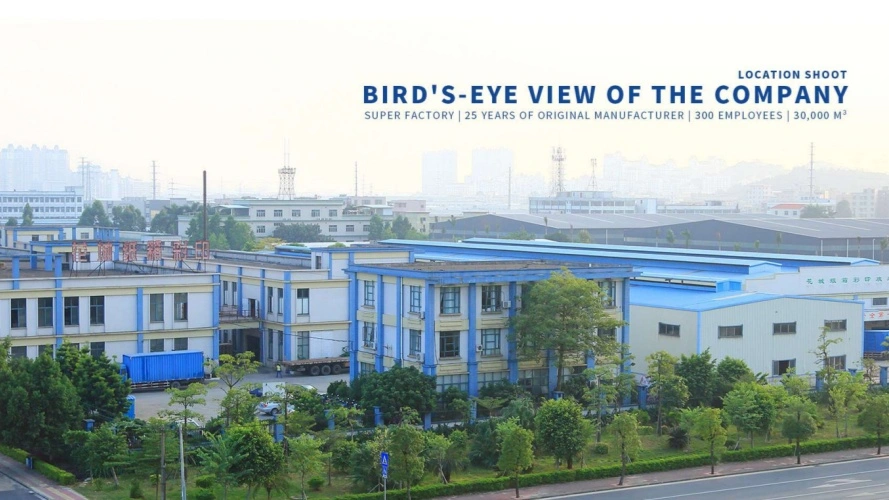
Since 1999, Guangzhou Fetching Color Printing & Packaging Ltd. has delivered exceptional packaging solutions from our 50,000㎡ facility with advanced machinery including KBA106 UV printing, Heidelberg XL162-6L systems, and AI gift box production lines. Our ten-plus packaging engineers provide expert services in material innovation, structural development, and process technology across food, cosmetics, personal care, and electronics industries. With ISO14001, ISO9001, FSC, and Disney certifications, we maintain the highest environmental and quality standards. As your trusted China rigid box factory, China rigid box supplier, China rigid box manufacturer offering China rigid box wholesale solutions, we provide High Quality rigid box products with competitive rigid box price points and extensive rigid box for sale options tailored to your needs. Contact us at public@fetchingprinting.com to discuss your project—your success is our success.
References
1. "Rigid Box Design and Manufacturing Principles" by Thompson, R.M., Packaging Technology International, 2023
2. "Premium Packaging Solutions: Materials and Methods" by Chen, L. and Williams, S., International Journal of Packaging Science, 2024
3. "Structural Engineering for Luxury Packaging" by Martinez, A.J., Association of Packaging Professionals, 2023
4. "Sustainable Practices in Rigid Box Production" by Kumar, P. and Davidson, E., Environmental Packaging Review, 2024

Based on your location and order quantity, you will have the opportunity to receive a limited time free shipping promotion!
Corporate Purpose