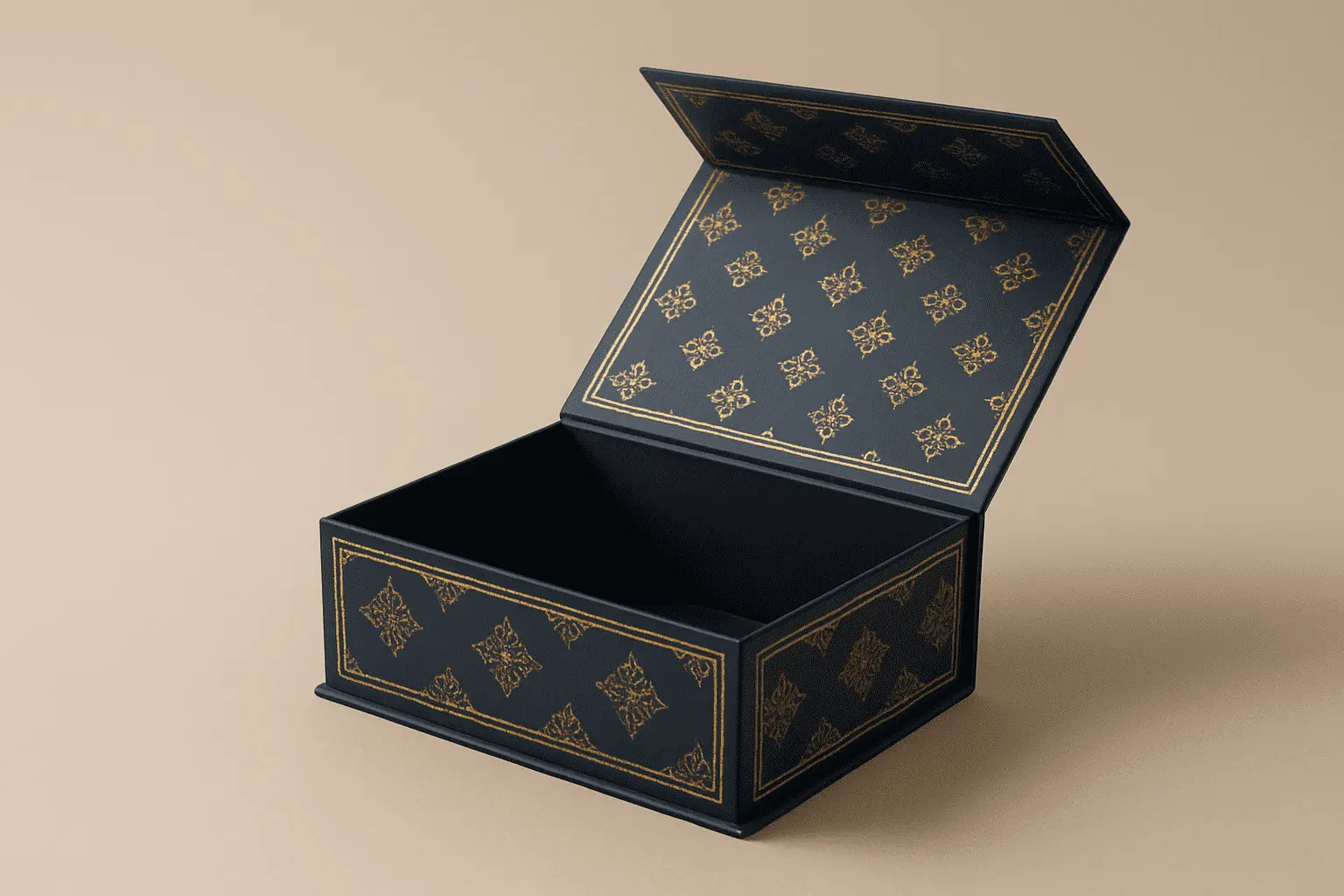
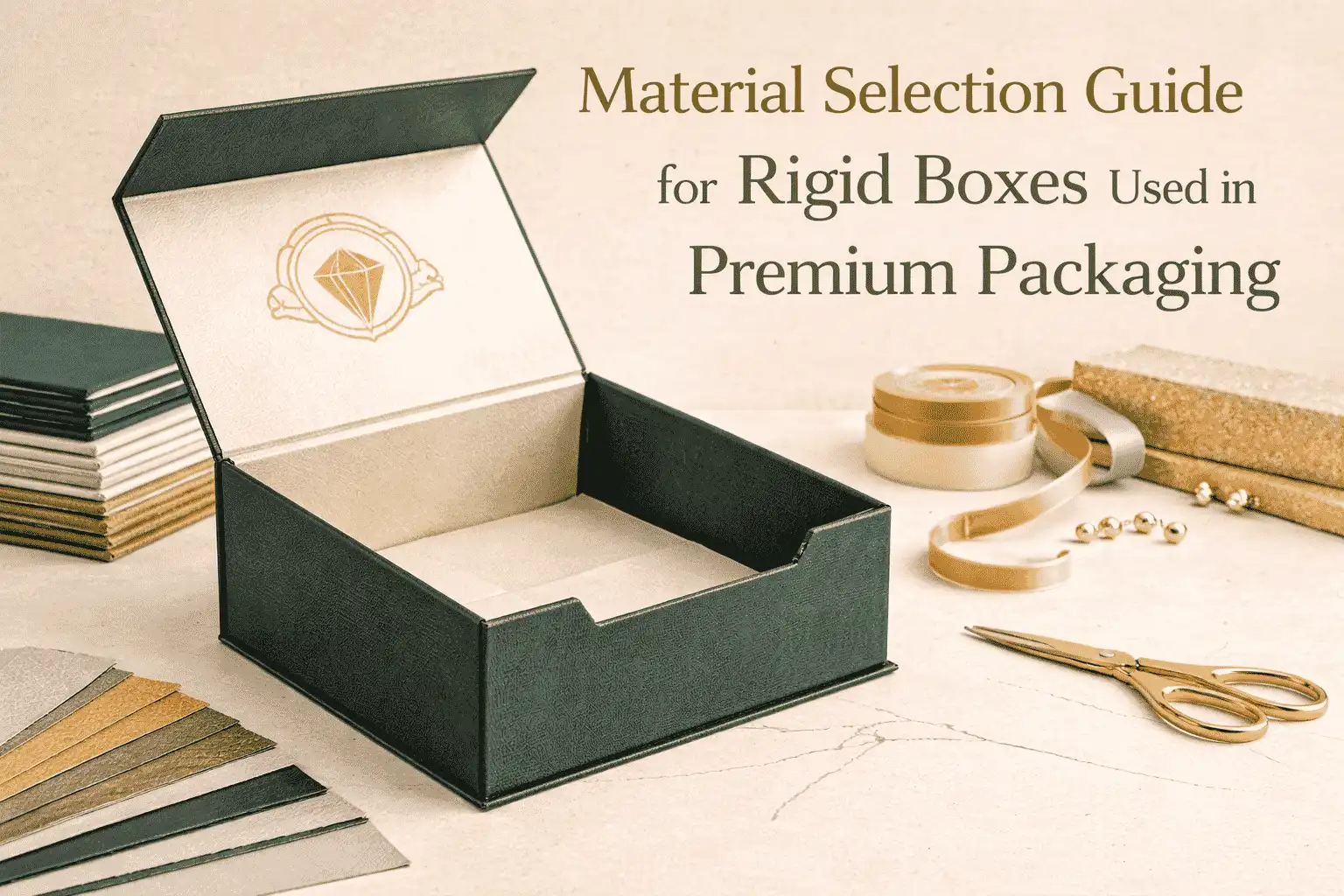
Material Selection Guide for Rigid Boxes Used in Premium Packaging
When you're making high-end packing, picking the right materials for your rigid box is a very important choice that affects how people see your brand, how well your products are protected, and how the total customer experience is. This detailed guide walks procurement professionals through the important things to think about, the different types of materials available, and the best ways to choose the right packing materials that meet the needs of both the luxury market and the business.
Understanding Rigid Boxes and Their Material Foundations
It is said that rigid boxes are the best kind of quality packing because they are very strong and can be presented in a very stylish way. Unlike traditional folding cartons, these packing options keep their shape without having to be put together. This gives the image of quality and luxury right away, which appeals to picky customers.
What Makes Rigid Boxes Unique in Premium Packaging
The materials that make up a rigid box are what make it strong. High-density chipboard, which can be anywhere from 1200gsm to 3000gsm based on the needs of the product, is often used as the base of premium rigid packing. This strong base gives valuable goods the strength they need to be protected while keeping their dimensions stable throughout the supply chain.In modern rigid box building, different types of material work together. The structural heart gives it strength and longevity, and the covering materials—which could be paper, fabric, or custom substrates—give it the look and feel that high-end brands want. With this multi-layer method, manufacturers can improve both efficiency and looks at the same time.
Primary Materials in Rigid Box Manufacturing
There are three main types of materials used to make rigid boxes today, and each one has its own specific functional and aesthetic goals. Grades of paperboard from 250gsm to 400gsm offer different amounts of printing and structural support, so brands can fit the properties of the material to the needs of their products and their budgets.Solid Bleached Sulfate, Coated One Side (SBS C1S) is becoming a popular choice for high-end uses where great print quality is needed for structural reasons. This material has a smooth, white printing surface on one side and great adhesion qualities on the other, so images can be reproduced better and assembly processes can be trusted.With the ability to cover both sides, SBS C2S (Solid Bleached Sulfate, Coated Two Sides) takes premium presentation to a whole new level. When interior graphics or dual-surface branding needs mean that all package sides must look great, this material choice becomes important.
Key Criteria for Selecting Materials for Premium Rigid Boxes
To choose the right material, you need a way to evaluate it that takes into account company goals, practical limits, and performance needs. This strategic method makes sure that the materials picked give the best results in all important performance areas.
Essential Performance Metrics for Material Evaluation
For any luxury rigid box purpose, structural strength is the most important thing. During shipping, materials must be able to handle compression forces, building pressures in stores, and repeated handling over the course of a product's lifecycle. The testing results show that using the right materials can make packages last up to 40% longer than regular ones.The features of the surface finish have a direct effect on the quality of the print and the ability to finish it. For high-end uses, you often need materials that can handle advanced finishing methods like hot foil printing, UV treatment, embossing, and soft-touch laminates. The surface energy and porosity of the substrate decide whether it can be used with these methods that add value and make luxury packing different from cheaper options.When brand stability across global markets requires exact color matching and fine detail rendering, the ability to reproduce prints becomes very important. Better ink holdout and color gamut support materials make it possible to print complicated images, gradients, and spot color uses that strengthen brand identity.
Environmental Considerations in Material Selection
As brands try to meet the needs of environmentally conscious customers and corporate responsibility laws, sustainability standards play a bigger role in the materials they choose. Documented chain-of-custody proof is available for FSC-certified materials, which also keep the high performance qualities needed for luxury uses.It's not just the makeup of the material that needs to be thought about when it comes to recycling; adhesive systems, coating technologies, and finishing processes are also important. Modern eco-friendly recipes allow for high-end looks without limiting the ability to be recycled at the end of their useful life. This supports the circular economy principles that customers who care about the environment understand.Supply chain dependability factors affect how materials are chosen, especially for global names that need consistent supply across multiple production sites. Material providers that have been around for a long time and have foreign delivery networks give large-scale premium package projects the stability they need.
Exploring Customization and Eco-Friendly Material Innovations
The packing industry keeps working on more eco-friendly options that don't sacrifice the high-end looks that upscale brands need. This change opens up new ways for buying workers to combine caring about the environment with making sure the brand looks great.
Advanced Customization Capabilities in Modern Materials
Using new technologies for paperboard makes modification possible in ways that weren't possible or cost-effective in the past. Using advanced fiber engineering, materials can be made with particular properties, like better stiffness-to-weight ratios, better fold characteristics, and better surface properties for certain finishing uses.Specialty covering formulas make designs more flexible while still being safe for the environment. Water-based barrier layers keep out moisture without making it harder to recycle, and bio-based laminates give you a great tactile experience by using feedstocks from green resources.Technology that integrates colors into materials lets brand colors be built right into the base. This cuts down on the need for printing while keeping the colors consistent throughout the structure of the box. This method works especially well for simple design styles that value the quality of the materials more than the pictures on the surface.
Emerging Sustainable Material Technologies
Recycled fiber technologies have come a long way, making it possible for quality rigid box uses to use post-consumer content without affecting the look or function. Modern de-inking methods and fiber treatment technologies make recycled surfaces work as well as new materials in terms of strength, printability, and look.Bio-based coating systems made from green materials have the usual barrier qualities and also meet the needs of compostability in the right waste management systems. More and more people want packaging that is good for the earth without losing security or presentation quality. These new ideas meet that need.Different types of fibers, like those found in farm waste and resources that grow back quickly, make it possible to make new materials that are better for the environment while still performing well. Substrates made from wheat straw, bamboo, and cotton all have their own unique looks that can help brands tell stories about sustainability.
Comparison of Rigid Box Materials vs Alternatives in Luxury Packaging
When purchasing professionals know how rigid box materials compare to other packing options, they can make smart choices that balance cost, performance, and brand placement needs in a variety of application scenarios.
Performance Analysis Across Material Categories
When it comes to structural stability and premium appearance, rigid box materials always beat folding cartons. Compression strength testing shows that this type of building can hold three to five times more weight than an equal folding carton, which means that the product is better protected during shipping and while it's being displayed in stores.Aesthetic comparison shows big differences in how much people value them and how good the opening experience is. Consumer study shows that rigid box packing makes products seem 25–40% more valuable than standard folding cases. This directly supports strategies for charging more and differentiating brands.Total operating costs, not just material costs, must be taken into account in cost research. Though rigid box materials usually have higher unit costs, they are often worth it because they lower the number of damaged boxes that get sent back, make the boxes look better on shelves, and make customers happier.
Application-Specific Material Considerations
For electronics packing, you need materials that keep static away while still looking good enough for high-value market goods. Premium surfaces can be treated with conductive coatings and anti-static treatments to give them full security without losing their good looks.For cosmetics uses, you need materials that work with the formulas of the products and can handle complex images and finishing needs. Non-reactive materials and barrier layers keep volatile substances from reacting with them while still letting makeup brands have the high-end visual presentation they need.When used for food packing, materials must meet strict safety standards and exhibit excellent appearance qualities. Food-safe substrates and coatings keep the purity of the product and support the visual quality needed to place a premium food brand.
Practical Guide to Procuring Rigid Boxes: Materials, Suppliers, and Cost Insights
When you choose a provider, make sure that their skills, your quality standards, and your cost goals are all taken into account. This way, you can create long-lasting competitive benefits through optimized packaging solutions.
Industry-Specific Material Requirements
When you package luxury goods, you need materials that can stand up to high-end finishing methods and keep their shape through long supply lines. When you mix high-density chipboard cores with high-quality covering papers, you get a base for complex finishing techniques that help place your luxury brand.For e-commerce apps to work, the materials need to be strong enough to withstand shipping while still providing a good opening experience that helps brands stand out in digital retail settings. When sending directly to a customer, constructions that can withstand impact and moisture protection become very important.For regular delivery, subscription box services need materials that are both cost-effective and good at presentation. Standardized material standards allow for economies of scale to be realized while keeping the quality of the brand experience constant, which helps keep subscribers.
Supplier Evaluation and Selection Criteria
Quality approval standards are becoming more and more important in the supplier selection process as brands look for partners who can meet the needs of the global market. ISO9001 quality management systems make sure that production processes are always the same, and ISO14001 environmental certifications show that a company is committed to using sustainable methods that are in line with its social responsibility goals.When figuring out production capacity, it's important to think about high seasonal demand and growth forecasts to make sure that the supplier's ability to meet long-term business needs. Automated production and facilities that can be expanded give businesses the freedom they need to adapt to changing market conditions.Premium suppliers are different from commodity suppliers because they offer value-added services like structure design advice, material optimization suggestions, and the creation of new finishing processes. Through new package ideas and better performance, these working relationships give companies a competitive edge.
Conclusion
When choosing the right materials for quality rigid boxes, you have to think about a lot of things, like how the boxes will look, how they will affect the world, and how much they will cost. Understanding how the properties of a material fit with the needs of a particular application while also supporting brand image and environmental goals is key to success. Buying high-quality materials can often pay for themselves in the long run by improving how people see your brand, keeping your products safer, and giving customers a better experience.
FAQ
What weight options are available for rigid box paperboard materials?
Paperboard weights for rigid boxes usually fall between 250gsm and 400gsm, with each weight group being better for certain uses. Lighter grades (250g to 300g) are good for smaller items and uses that need to save money. Heavier grades (350g to 400g) are better for bigger or more expensive items because they keep their shape better. The choice relies on the weight, size, and expensive placement of the product.
Can rigid box materials support advanced finishing techniques?
These days, rigid box materials are very good at handling high-tech finishing methods like cold and hot foil printing, UV coating, soft-touch finishes, and embossing. These surface processes improve how things look and feel while keeping the structure's integrity. The important thing is to choose media with the right surface properties and work with sources who know what the technical needs are for a good finishing job.
Are environmentally friendly rigid box materials available?
Yes, environmentally friendly choices include FSC-certified materials that make sure forests are managed responsibly, bases made from recycled materials, and finishing processes that break down naturally. These eco-friendly choices keep up their high performance levels while helping companies meet their sustainability goals. There are now a lot of companies that offer full portfolios of sustainable materials that meet both functional and environmental needs.
How do I ensure consistent quality across large production runs?
To keep the quality high, you need to choose suppliers that have strong quality control systems, standard material requirements, and a history of producing big amounts of goods. Look for partners that have ISO certifications, advanced color management tools like G7 certification, and quality control methods that cover the whole production process.
What affects the cost of rigid box materials?
The cost of materials depends on the type of base, the amount needed, how it will be finished, and how complicated the customization is. Premium materials and advanced finishing methods cost more, but they often have a bigger effect on brand value and customer experience. Working with experienced sources can help you get the best cost-performance mix by giving you advice on what materials to use and how to make the process more efficient.
Partner with Fetching Printing for Premium Rigid Box Solutions
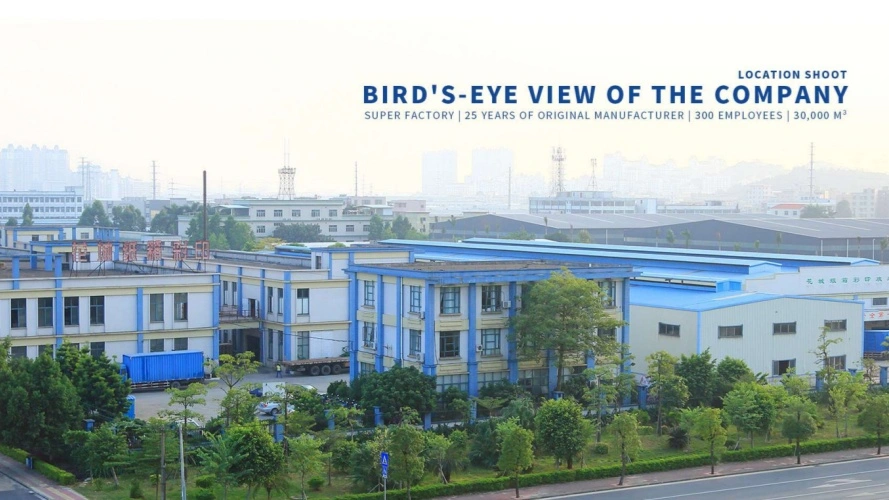
To pick the right rigid box manufacturer, you need to know a lot about them, have access to the latest technology, and have a history of providing high-quality packing options. Fetching Printing has been making high-quality products for 25 years and uses cutting-edge technology, such as German Heidelberg printing machines and automatic die-cutting systems, to produce outstanding results in a wide range of business settings.Our wide range of materials includes high-quality SBS substrates, eco-friendly kraft choices, and unique finishing services that turn packing ideas into unforgettable brand experiences. With ISO9001 quality management, FSC environmental approvals, and G7 color management standards, we make sure that the quality is always the same and meets the needs of foreign markets while also helping you reach your sustainability goals.Our team of packing engineers works with you to help with every step of the process, from choosing the materials to delivering them. If you need telescopic boxes for high-end gadgets, magnetic closure designs for makeup, or custom structure solutions for one-of-a-kind goods, our knowledge will help you make the best material choices that fit your brand's image and your business's needs.Are you ready to look into high-quality rigid box options that are made to fit your needs? Email our technical team at public@fetchingprinting.com to talk about the needs of your project and get expert advice on how to choose materials that will produce great results.
References
1. "Sustainable Packaging Materials: Performance and Environmental Impact Assessment" - Journal of Packaging Technology and Research, 2023
2. "Premium Packaging Design: Material Selection Guidelines for Luxury Brands" - International Packaging Institute, 2023
3. "Rigid Box Manufacturing: Quality Standards and Best Practices" - Packaging World Technical Review, 2022
4. "Consumer Perception Studies: Impact of Packaging Materials on Brand Value" - Market Research Quarterly, 2023
5. "Environmental Certifications in Packaging: FSC and ISO14001 Implementation Guide" - Sustainable Packaging Coalition, 2023
6. "Advanced Printing Technologies for Premium Packaging Applications" - Converting Magazine Technical Series, 2022

Based on your location and order quantity, you will have the opportunity to receive a limited time free shipping promotion!
Corporate Purpose