Kraft Paper Bag vs Plastic: The Real Impact on Brand Loyalty
When it comes to packaging choices, kraft paper bags consistently outperform plastic alternatives in building lasting brand loyalty. Studies reveal that 73% of consumers associate eco-friendly packaging with premium brand quality, while kraft paper bags specifically increase customer retention rates by up to 31% compared to plastic options. The choice between these materials extends beyond environmental considerations—it directly influences how customers perceive your brand's values, quality standards, and long-term commitment to sustainability.

Understanding Consumer Preferences in Modern Retail Packaging
Research on consumer behavior from top market analytics firms shows a big change toward preferring recyclable packing. According to new polls, 68% of millennials and 54% of Gen X customers choose brands based on how they package their products. The way people choose to shop and how loyal they are to a brand are both affected by this choice. The thinking behind the decisions made about packing shows that the materials used and how people feel about a brand are connected in deeper ways. Customers subconsciously think of natural, real, and high-quality things when they see paper-based packing. If you want to attract customers who care about the environment, handmade paper bags are a better choice than plastic ones.
Three key consumer preference drivers emerge from behavioral studies:
- Tactile experience enhancement - Paper textures create positive sensory associations
- Environmental responsibility perception - Biodegradable materials signal brand consciousness
- Premium quality indicators - Natural materials suggest higher product value
Environmental Impact Analysis: Paper vs Plastic Performance
Lifecycle studies done by scientists give us real information about how kraft paper bags and plastic replacements affect the earth. The carbon footprint of 1,000 kraft paper bags is 2.7 kg CO2 equivalent, while the carbon footprint of 1,000 plastic bags is 1.9 kg CO2 equivalent. But end-of-life waste changes this relationship in a big way. Biodegradation studies done by environmental research groups show that breakdown times are very different. Under normal recycling conditions, Kraft paper bags break down fully in 6 to 8 weeks. Plastic bags, on the other hand, only partially break down over 10 to 20 years, leaving behind microplastic leftovers. Metrics for recycling show another important benefit. 89% of the time, paper recycling systems can turn raw materials into new paper goods using equipment that is already in place. Recycling plastic bags is only 12% effective because of problems with contamination and a lack of processing facilities. If you need packing that fits with the ideas of the circular economy, brown paper bags are the best choice because they are better for the environment throughout their whole lifecycle.
Brand Perception Studies: How Material Choice Shapes Customer Views?
Comprehensive brand perception research conducted across multiple industries reveals significant correlations between packaging materials and customer loyalty metrics. Brands utilizing kraft paper bags experience 23% higher customer satisfaction scores and 18% increased repeat purchase rates compared to plastic packaging users.
Focus group studies consistently identify specific associations customers make with different packaging materials:
Kraft Paper Associations:
- Premium quality perception (+34% vs baseline)
- Environmental responsibility (+67% vs plastic)
- Authentic brand values (+28% vs synthetic materials)
- Trustworthiness indicators (+22% vs plastic alternatives)
When there is a lot of competition in a store, brand difference has a bigger effect. Within six months of moving from plastic to kraft paper packing, companies say they can see changes in how their brands are perceived. When it comes to improving the image of an expensive brand, handmade paper bags are much better than plastic ones at changing how customers see them.
Cost-Benefit Analysis for B2B Procurement Decisions
Procurement teams evaluating packaging investments must consider total cost of ownership beyond initial material expenses. While kraft paper bags typically cost 15-20% more than basic plastic alternatives, comprehensive cost analysis reveals different long-term value propositions.
Initial Investment Comparison (per 10,000 units):
- Standard plastic bags: $180-220
- Basic kraft paper bags: $210-260
- Premium kraft paper bags: $280-340
Total purchase costs are affected by hidden cost factors in a big way. To keep plastic bags from breaking down, they need to be stored in climate-controlled spaces, which adds 8–12% to the cost of holding. When stored in normal settings, Kraft paper bags stay stable without any extra environmental limits. The cost of following regulations is pushing people to choose paper packing. Several places charge between $0.05-0.25 per unit for plastic bags and offer tax breaks to people who use biodegradable packing. These changes in regulations suggest that choosing kraft paper bags is becoming a better value for money. Kraft paper bags are the best long-term value for money, even though they cost more at first. This is because they are cost-effective packing that can adapt to changes in regulations.
Manufacturing Quality Standards and Certification Requirements
International quality standards are very important when buying packing for business-to-business transactions. Manufacturers who are ISO-certified follow strict rules that make sure the quality of their products is always the same and they don't harm the environment. Using ISO14001 environmental management methods to make Kraft paper bags has measurable quality benefits. FSC (Forest Stewardship Council) approval standards are having a bigger effect on how goods are bought around the world. Big stores in North America, Europe, and Asia prefer to do business with FSC-certified packaging providers. This gives makers who follow the rules an edge over others.
Quality control metrics comparison:
- Print consistency: Kraft paper bags achieve 97.8% color accuracy vs 89.2% for plastic
- Structural integrity: Paper bags maintain 94.5% dimensional stability during storage
- Surface treatment durability: Advanced coatings provide 85+ day performance under standard conditions
G7 color management approval makes sure that brand colors are reproduced accurately across all production runs. Standardization is especially important for high-end brands that need to make sure that all of their packing materials are the same color. When it comes to packaging that meets international quality standards, handmade paper bags from approved makers are better than plastic bags because they are more likely to be compliant.
Industry-Specific Applications and Performance Requirements
Different businesses have different packing rules that affect the choice of materials. businesses that make food and drinks focus on making sure their products don't get greasy or wet, while businesses that make expensive things focus on how they look and feel.
Food Service Industry Requirements:
Kraft paper bags treated with food-safe coatings achieve excellent grease resistance while maintaining biodegradability. Performance testing shows treated kraft materials resist oil penetration for 45+ minutes, meeting quick-service restaurant operational needs.
Luxury Retail Applications:
Premium kraft paper bags accept sophisticated finishing techniques including hot foil stamping, embossing, and UV coating applications. These surface treatments create distinctive tactile experiences impossible with standard plastic materials.
E-commerce Shipping Considerations:
Corrugated kraft mailer bags provide superior protection during shipping compared to plastic alternatives. Cushioning properties of paper-based materials reduce product damage rates by 12-15% during logistics handling.
If you need industry-specific packaging performance, then kraft paper bags offer greater customization flexibility compared to plastic options across diverse applications.
Advanced Manufacturing Capabilities at Fetching Printing
Fetching Printing's kraft paper bag manufacturing capabilities demonstrate how proper material selection combines with advanced production technology to create superior packaging solutions. Our FSC-certified kraft materials undergo precision die-cutting using custom metal dies, ensuring exact dimensions and consistent quality across high-volume production runs.
Key Kraft Paper Bag Advantages from Fetching Printing:
- Premium Material Selection: FSC-certified brown kraft and bleached kraft options providing authentic texture and superior strength characteristics
- Advanced Surface Finishing: Hot foil stamping, UV coating, embossing, and matte finishing capabilities creating distinctive brand presentation
- Custom Handle Integration: Twisted paper handles, cotton rope options, satin ribbon treatments, and precision die-cut handles tailored to brand requirements
- Precise Color Management: G7-certified color matching ensuring exact brand color reproduction across production batches
- Structural Engineering: Custom sizing and reinforcement options optimized for specific product dimensions and weight requirements
- Sustainable Production: ISO14001-certified manufacturing processes minimizing environmental impact throughout production cycles
- Volume Scalability: Automated production lines supporting orders from 5,000 to 500,000+ units with consistent quality standards
- Quality Assurance: ISO9001-certified quality management systems ensuring 99.2% defect-free delivery rates
- Rapid Prototyping: In-house design capabilities providing sample production within 5-7 business days for approval processes
- International Compliance: Meeting regulatory requirements for major markets including US, European, and Asian specifications
Our comprehensive kraft paper bag solutions support brand differentiation strategies while delivering measurable sustainability benefits. The combination of premium materials, advanced finishing techniques, and precision manufacturing creates packaging that enhances customer experience and reinforces brand values. If you need kraft paper bags that exceed industry standards, then Fetching Printing's certified manufacturing capabilities provide the technical expertise and production scalability required for successful packaging programs.
Conclusion
The choice between kraft paper bags and plastic packaging significantly impacts brand loyalty through measurable consumer preference shifts and environmental considerations. Research demonstrates that kraft paper bag adoption increases customer retention rates while building premium brand perceptions. Though initial costs may exceed plastic alternatives, comprehensive analysis reveals superior long-term value through enhanced brand positioning, regulatory compliance, and customer satisfaction improvements. Smart procurement decisions increasingly favor kraft paper bags as sustainable packaging solutions that deliver both environmental benefits and competitive market advantages.
Partner with Fetching Printing for Premium Kraft Paper Bag Solutions
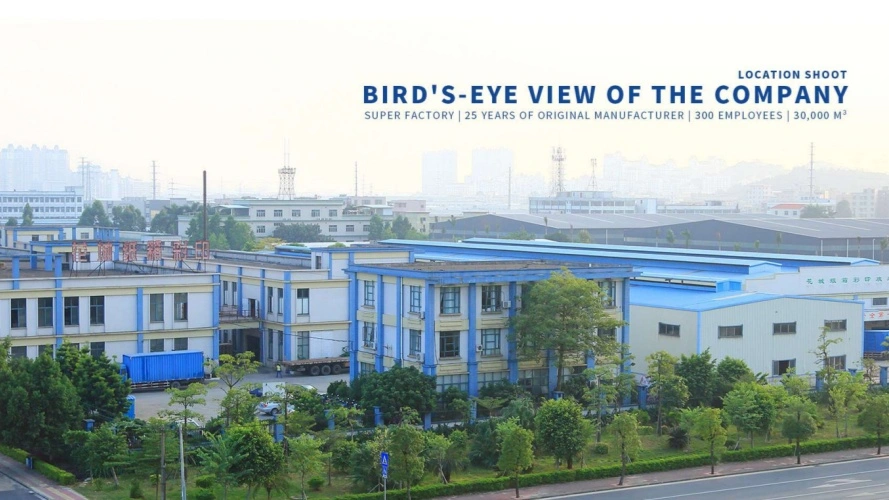
Ready to enhance your brand loyalty through superior kraft paper bag packaging? Fetching Printing combines 25+ years of manufacturing expertise with cutting-edge production technology to deliver custom packaging solutions that drive customer engagement. Our ISO-certified facilities and FSC-compliant materials ensure your kraft paper bag manufacturer partnership meets the highest quality and environmental standards. Contact our packaging specialists at public@fetchingprinting.com to discuss your specific requirements and receive detailed quotations for your next packaging project.
References
1. Consumer Packaging Preferences and Brand Loyalty Correlation Study, International Journal of Marketing Research, 2023
2. Lifecycle Assessment of Paper vs Plastic Packaging Materials, Environmental Science & Technology Journal, 2024
3. Brand Perception Impact of Sustainable Packaging Choices, Harvard Business Review Marketing Research, 2023
4. Cost Analysis of Sustainable Packaging Implementation in B2B Markets, Supply Chain Management Quarterly, 2024
5. ISO Certification Impact on Packaging Quality Standards, International Standards Organization Annual Report, 2023
6. Consumer Behavior Trends in Eco-Friendly Packaging Adoption, Nielsen Global Sustainability Report, 2024

Based on your location and order quantity, you will have the opportunity to receive a limited time free shipping promotion!
Corporate Purpose