How to Source Reliable Rigid Collapsible Box Manufacturers?
To find a reliable rigid collapsible box maker, you need to know what kind of packaging you need, check to see what kind of production options they have, and make sure they have quality certifications. These clever boxes combine the strength of rigid packing with the ability to be folded up to save space. This makes them perfect for high-end brands, online stores, and businesses that care about the environment. Finding partners that can customize their services, uphold foreign standards like ISO9001 and FSC certifications, and offer quick technical help throughout the lifecycle of your project is key. This guide shows you how to find makers who offer both high-quality products and dependable service.
Understanding the Rigid Collapsible Box and Its Market Significance
What Makes Collapsible Rigid Boxes Different
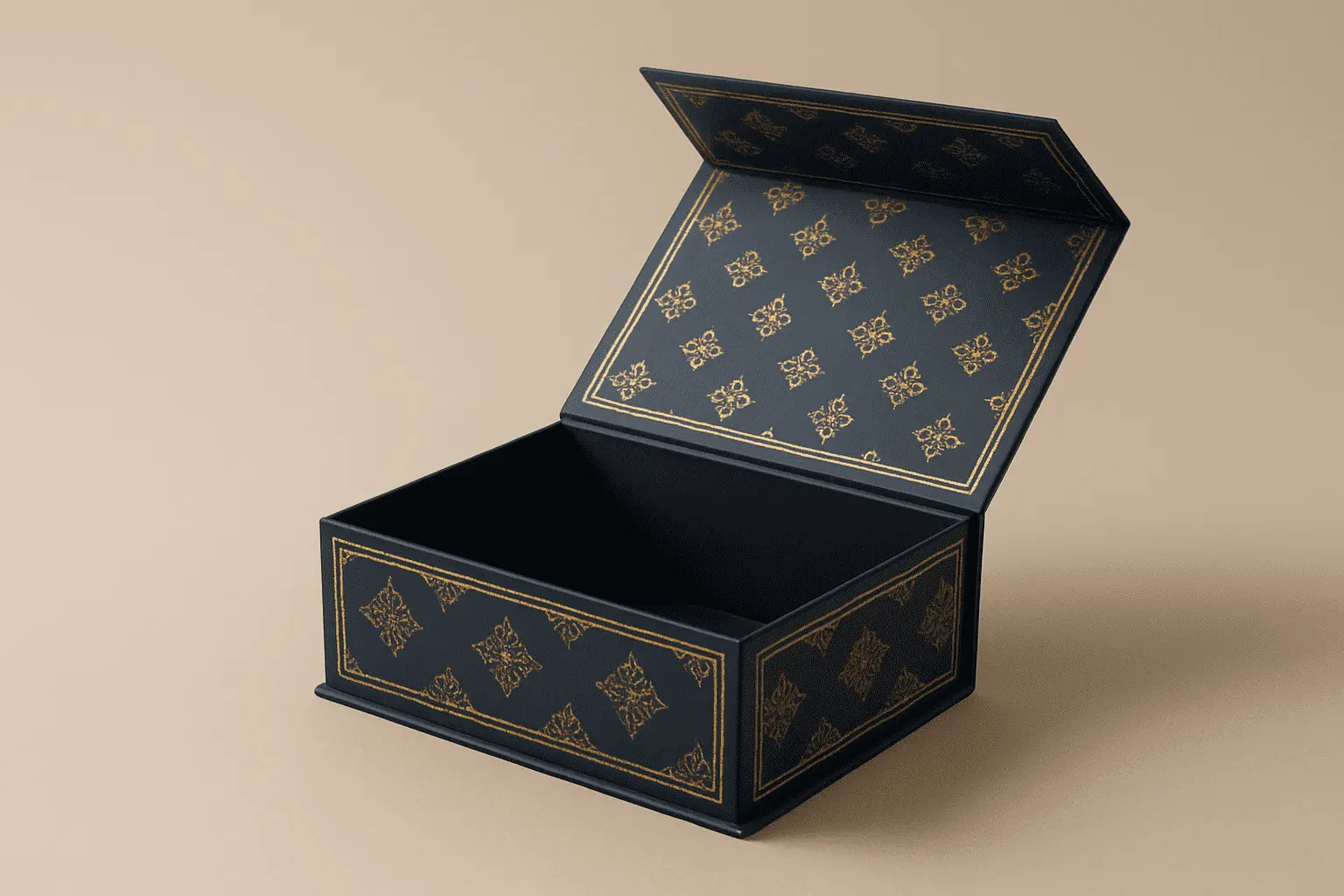
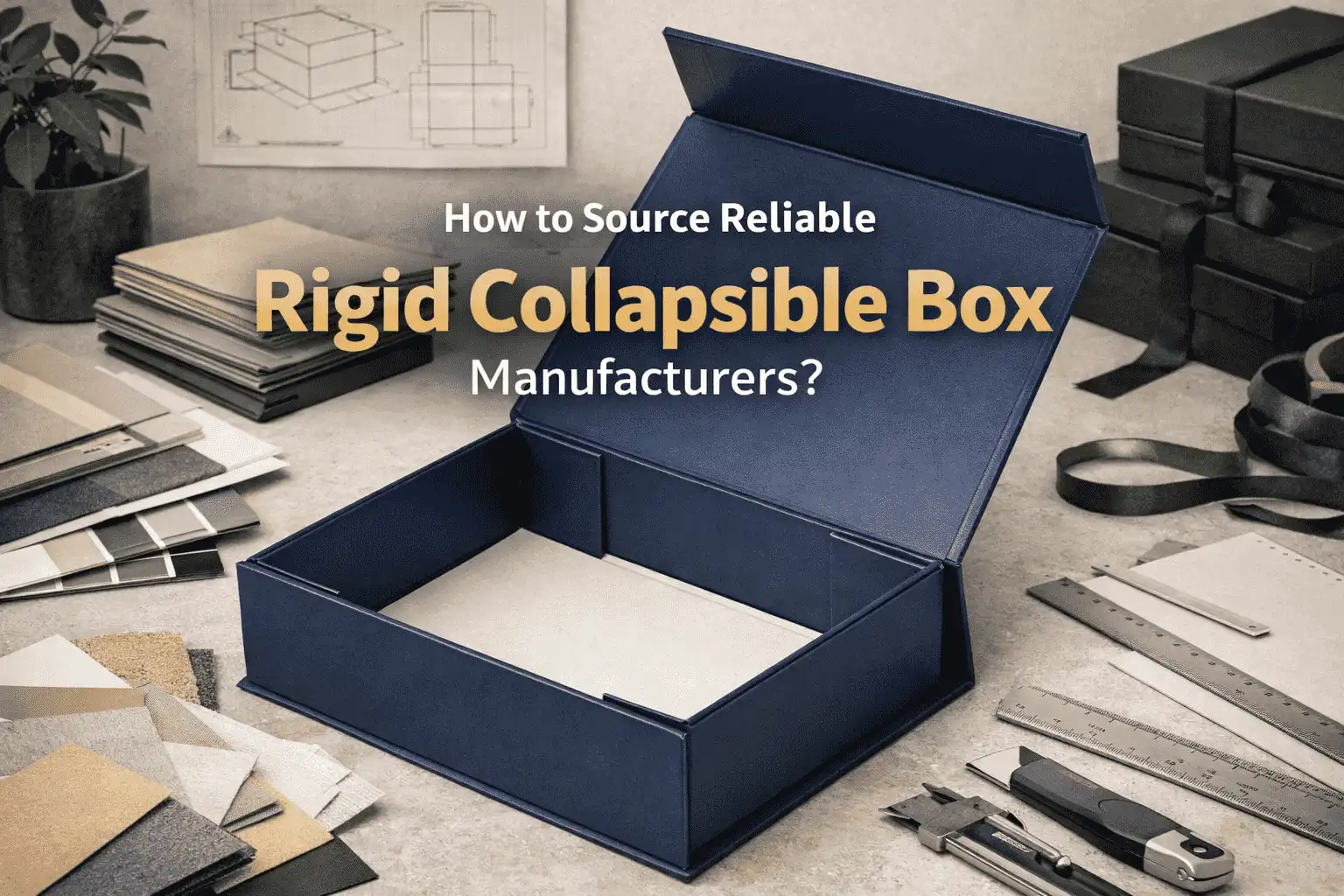
Rigid collapsible boxes are a big step forward in high-end packing. The smart engineering in these designs lets them fold flat when not in use, unlike traditional hard boxes that stay put together all the time. This ability to fold doesn't affect the structural integrity—when they're put together, they still have the high-end look and protection that customers expect from high-end packing. Usually, chipboard or greyboard is used to reinforce the luxury paperboard during building. This makes a strong frame that can support specialty finishes like soft-touch lamination, foil stamping, or embossing.
Market Applications Across Industries
These packing options are being used in more and more areas because they are flexible. Cosmetics companies like how the magnetic closure types make opening boxes more fun and keep fragile items safe. Manufacturers of electronics gain from the padding and professional look, which raises the value of their products. Companies that make luxury goods like drawer-style and sleeve designs that make reveal times that people will remember. Subscription box services have found that these boxes are good for both branding and operations. They ship flat to distribution centers, which saves money on freight, and are then easy to put together into packaging that looks good.
Sustainability and Space Efficiency
Packaging choices are being affected by environmental factors more and more. Rigid collapsible designs naturally help with sustainability goals because they take up less space when they're not assembled—a flat box takes up about 80% less room than one that is built. This efficiency directly leads to less carbon dioxide being released during shipping. Many companies now offer FSC-certified materials and soy-based inks, which allay worries about chemical content and how well forests are managed. People who care about the environment also like that these strong boxes can be used again and again. They use them for storage, which extends the packaging's useful life beyond its original purpose.
Key Criteria for Sourcing Reliable Rigid Collapsible Box Manufacturers
Production Capacity and Technical Capabilities
When you look at a manufacturer's production system, you can see if they can regularly meet your volume needs for rigid collapsible box solutions. Check to see if they have more than just basic box-making tools. Find out if they have specialized equipment for precise die-cutting and complicated folding mechanisms. Modern printing companies that use KBA or Heidelberg machines show that they have invested in producing high-quality work. Automated production lines show that the company can handle larger orders, and in-house structural design teams show that the company can come up with new solutions instead of just following standard plans.
Here are the main output signs that show which manufacturers are good at what they do:
- Equipment Sophistication: Today's UV printers make sure that the colors are correct and the finish is good. Facilities that can do both offset and flexographic printing can find the best cost-per-unit based on the complexity and size of the run.
- Quality Control Systems: ISO9001 approval is more than just paperwork; it means that there are recorded steps for inspecting raw materials, keeping an eye on work-in-progress, and checking the finished product before it is shipped.
- Design Support Infrastructure: During prototyping, experienced packaging engineers should work together and give advice on the best materials, structural changes, and finish choices that combine how the product looks with how easy it is to make.
- Sample Development Speed: The amount of time it takes to make real samples shows how skilled the team is at both technology and running the business. Usually, it takes between 5 and 7 days for simple designs and 10 to 14 days for more complicated custom structures.
These skills work together to show if a maker can reliably carry out your idea. When looking at possible business partners, you should ask to see the facilities or for full capability statements that list the machines and how they work.
Certification Standards and Compliance
Quality badges are a shorthand way to say that a business is doing a good job and caring for the earth. With ISO14001 certification, you can show that you take organized steps to protect the environment by reducing trash and managing energy. G7 color management approval makes sure that colors stay the same across print runs, which is very important when your product needs to meet brand standards. FSC approval proves that paperboard comes from forests that are handled in a responsible way. This is becoming more and more important for brands that make public promises to be more environmentally friendly or for stores that need proof of environmental compliance.
Customization, Flexibility, and Design Innovation
Commodity sellers are different from strategic partners because they can't translate brand personality into actual packaging. Check to see if the companies you're looking at let you fully customize everything from the structure to the printing methods and special finishes. Magnetic closure caps need to be placed precisely, and their strength needs to be checked. For window cutouts, structure die-cuts, and printed logos must be perfectly lined up. For metallic foiling and spot UV treatments, you need special tools and technical know-how. Manufacturers who keep sample libraries with a variety of finish combos can help you see what's possible and make smart design choices.
Comparison of Manufacturer Types and Packaging Solutions
Rigid Collapsible Boxes Versus Traditional Alternatives
Knowing how rigid collapsible boxes stack up against other types of packing makes it clear when they are the best choice. Traditional hard boxes look good for presentations, too, but they don't save room when they're being stored or shipped. When it comes to very large quantities, folding boxes are cheaper, but they don't have the solid support and high-end look that rigid construction does. While corrugated mailer boxes are great for protecting packages during shipping, they don't usually work well with the high-end printing and finishing methods that luxury brands need.
Rigid collapsible packaging is a good compromise between the two options. The building process takes more work than folding cartons, which raises the cost per unit. However, the way they are put together makes flat shipping possible, which hard boxes can't do. Minimum order amounts are usually between 500 and 1,000 units, which is less than the number of hard boxes that need to be permanently put together. The higher price than simple folding cartons—usually 40–70% more, depending on how complicated it is—reflects better materials and construction while still being affordable compared to hard alternatives that come fully built.
Specialized Manufacturer Profiles
Different types of manufacturers cater to different groups of customers. OEM sources are great at following the specs for well-known designs and offer reasonable prices for return orders with little change. ODM manufacturers can also do design work, which is useful when you need to build ideas along with output. Experts who care about the environment choose products and methods that are better for the environment, even if they cost more. Large operations can be more efficient by automating tasks, but they might not be able to handle small, special runs as easily. Boutique makers offer individual service and the chance to work together on designs, but they may not be able to handle high demand during busy times.
Practical Steps to Source and Verify Reliable Suppliers
Strategic Search and Initial Outreach
Start your search by using specific keywords that bring up approved producers. Use specific search terms like "custom rigid collapsible box manufacturer USA" or "luxury rigid collapsible box supplier with FSC certification" to get better results than general questions. Business-to-business platforms like Alibaba, ThomasNet, and industry-specific directories have databases that can be searched and filtered by licenses, skills, and region. Trade shows like PACK EXPO and Luxe Pack offer face-to-face talks with manufacturers, building tours, and samples of products that speed up the evaluation process.
Rigorous Verification and Due Diligence
Once you've found possible partners, thorough checking keeps you safe from quality problems and late deliveries. Instead of depending only on digital models, ask for real samples that show how the building was done, the quality of the materials used, and how the finish was put together. Check to see how neatly the boxes fold and open. Panels that aren't lined up or have messy creasing are signs of problems with the way they were made. Check the dates of release and the certifying bodies on certification papers. Contact the references that were given directly and ask them specific questions about how quickly they respond to messages, how accurate their orders are, and how they handle problems when they come up.
If they don't want to give you samples, give you unclear answers about when the production will start, or put pressure on you to sign before you've done enough research, these are all red flags. Legitimate makers know that the buying process needs to be carefully checked out and will comply with fair requests for due diligence. Check out their list of clients. If they've worked with names in your field or on a similar scale, that means they have relevant experience. Check to see if they are ready to sign non-disclosure agreements that protect confidential ideas and show that they value intellectual property.
Negotiation and Agreement Structuring
Partnerships that work well depend on both parties being able to clearly understand each other and agreeing to specific terms. Talk to them about the minimum order numbers that will work best for both their production needs and your inventory management needs. Explain how prices are set up, including setup costs, unit costs at different number levels, and how the difficulty of the design affects prices. Set delivery dates that take into account the time it takes to approve samples, make the product, and ship it. Usually, first orders take 4-6 weeks and reorders take 3–4 weeks.
Communication methods should be discussed in detail. Find the main points of contact, the best ways to communicate, and how long you think it will take for someone to respond. Set quality standards using factors that can be measured, such as acceptable defect rates, color tolerance levels, and structural performance requirements. Describe the sample review process, including how many changes can be made and how much they will cost. Talk about payment terms, who owns the tools, and how to handle changes to the specifications during production. These details keep people from getting confused, which could ruin your project or hurt the image of your brand.
Conclusion
To find dependable makers of rigid collapsible boxes, you need to carefully look at their production skills, approval standards, and ability to make changes to your specifications. These new package ideas combine high-end presentation with efficient shipping, and they work for names in the food, tech, cosmetics, and e-commerce industries. To be successful at buying, you need to find a mix between cost, quality, environmental concerns, and design freedom. Partner failures can be avoided by doing thorough checks like looking at samples, reviewing certifications, and calling references. Clear deals that spell out requirements, due dates, and ways of communicating set the stage for long-term relationships that work well. Procurement pros get packaging that protects goods, supports brand identity, and keeps promises to be environmentally friendly by using structured evaluation processes and working with experienced manufacturers who follow international standards.
FAQ
What lead times should I expect when ordering custom collapsible rigid boxes?
For first orders after a model is approved, the production process usually takes between 4 and 6 weeks. This includes making the tools, getting the materials, printing, putting the order together, and checking the quality. It usually takes 3–4 weeks for reorders with accepted designs. You may be able to get rush services for an extra fee. Design complexity, the need for customization, order volume, and yearly changes in demand are all things that can affect timelines. International shipping can take an extra one to three weeks, based on where it's going and how it's being sent.
Can manufacturers replicate specific Pantone colors and brand guidelines?
Manufacturers with a good reputation who use G7 color management tools can match Pantone colors exactly and keep the same look across all production runs. During the first meetings, give clear brand rules that include Pantone references, finish specs, and accepted samples. Before full production, ask for printed drawdowns or press proofs to make sure the colors are correct. Digital models can't always accurately show the colors that will be printed, so real copies are needed for brand matching.
How do I verify a manufacturer's certifications are authentic?
Ask for pictures of the certificates that show when they were issued, what they cover, and information about the governing body. Check the state of a certification directly through the online databases of the organizations that issued it. For example, ISO certifications can be found in registrar listings, and FSC certificates can be checked through the FSC database. Genuine makers are happy to give you this paperwork and welcome your checks. Be wary of sellers who can't or won't show proof of approval that can be checked.
Partner with Fetching Printing for Premium Collapsible Rigid Box Solutions
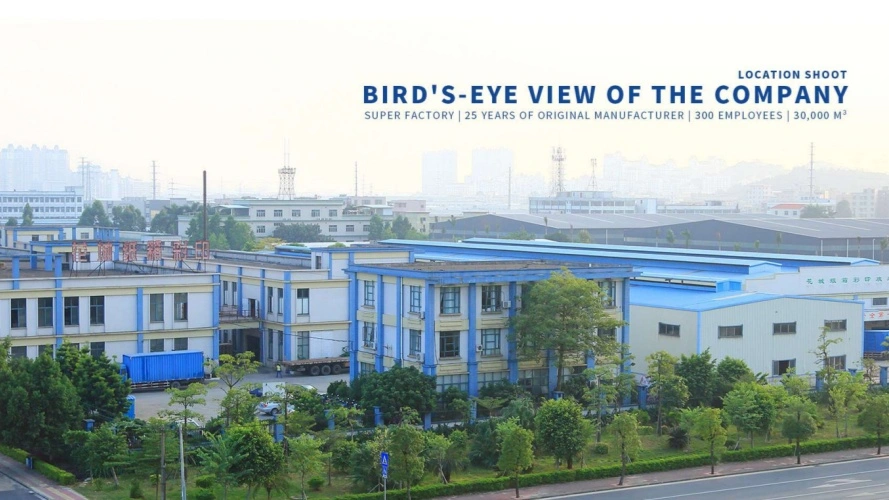
Dealing with the complicated process of getting custom packaging is easy if you work with a reputable rigid collapsible box maker that can handle complicated needs. Fetching Printing has been making packaging for over twenty years and has worked with makeup brands, tech companies, luxury goods makers, and e-commerce businesses all over the world. Our 50,000-square-meter building has high-tech printing tools like KBA 106-(9+1) UV printers and Heidelberg XL162-6L presses, which will give your brand display great color accuracy and finish quality.
Our packaging engineering team works with customers from the idea stage all the way through production. They offer structural design advice, material suggestions, and finishing tips that make the process more efficient and improve the look of the package. We maintain our ISO9001, ISO14001, G7, and FSC certifications, which show that we care about quality control and being good to the world. Our customization options let you get packaging that boosts brand recognition and improves customer experiences, whether you need magnetic closure boxes for high-end cosmetics, drawer-style packaging for electronics items, or eco-friendly options that meet strict store requirements.
We know that procurement workers need quick responses to messages and a variety of ordering choices. For your planning purposes, our team gives you thorough quotes, quick sample development, and clear production schedules. Get in touch with us at public@fetchingprinting.com to talk about your specific needs, ask for samples that show off our services, or find out how our rigid collapsible box solutions can help you present your products better while also meeting your budget and sustainability goals.
References
1. Robertson, Gordon L. (2016). Food Packaging: Principles and Practice (3rd ed.). CRC Press.
2. Hanlon, Joseph F., Kelsey, Robert J., & Forcinio, Hallie E. (2020). Handbook of Package Engineering (4th ed.). CRC Press.
3. Soroka, Walter (2018). Fundamentals of Packaging Technology (5th ed.). Institute of Packaging Professionals.
4. Twede, Diana & Goddard, Ron (2021). Packaging Sustainability: Tools, Systems and Strategies for Innovative Package Design. DEStech Publications.
5. Emblem, Anne & Emblem, Henry (2019). Packaging Technology: Fundamentals, Materials and Processes. Woodhead Publishing.
6. Lockhart, Harold E. (2017). A Paradigm for Packaging: Technologies and Innovations. Institute of Packaging Professionals.

Based on your location and order quantity, you will have the opportunity to receive a limited time free shipping promotion!
Corporate Purpose