How Recycled Paper Content Affects Folding Carton Performance
Recycled paper content significantly impacts folding carton performance through measurable changes in structural integrity, print quality, and manufacturing consistency. As procurement teams increasingly prioritize sustainable packaging solutions, understanding how post-consumer and pre-consumer recycled fibers influence carton durability, burst strength, and visual presentation becomes essential for making informed sourcing decisions that balance environmental goals with functional requirements.

Understanding Folding Cartons and Recycled Paper Content
In many fields, like cosmetics, medicines, food and drink manufacturing, and more, folding boxes are essential for packing. These paperboard containers are made from different types of fibers. Recycled content is becoming more and more important in sustainable packaging plans.
Defining Folding Cartons in the B2B Procurement Context
Modern folding cartons are engineered packing solutions that protect structures and make it easy to show off a brand. Instead of just being containers, these boxes are precisely die-cut, scored, and folded to make forms that fit specific product measurements and make shipping as efficient as possible. Professionals in procurement know that folding cartons are a cheaper option to rigid boxes for medium-weight items that need some protection during shipping and show in stores. Automated folding and sticking steps are used to turn flat pieces of paperboard into three-dimensional containers during the production process. This method makes it easy to ship in flat-pack form, which cuts down on shipping costs and keeps the structure strong when put together.
Virgin Paperboard vs. Recycled Paperboard Composition
Virgin paperboard is made of only new wood fibers from managed trees, which means that each fiber is the same length and the board has the best structural qualities. This substance always performs the same way, with the same thickness, a smoother print surface, and consistent resistance to folds across production runs. There are different amounts of recycled fibers in recycled paperboard, usually between 35% and 95% recovered content, based on the needs of the product. Post-consumer recycled (PCR) content comes from used paper and packaging, while pre-consumer recycled content comes from trash lines from factories. The makeup of the fibers directly affects their mechanical properties. In general, higher percentages of recycled fibers lead to lower tensile strength and different surface qualities.
Environmental Advantages and Manufacturing Process Impact
Incorporating recovered fibers has big environmental benefits, such as less trash going to landfills, less use of new wood, and lower energy needs during pulping operations. Companies that make things say that processing recovered content saves them about 40% of the energy needed to make new fabric. Using recycled fibers changes many steps in the production process. When recovered materials are pulped, they need to be cleaned and de-inked again to get rid of contaminants and old printer inks. Fibers get shorter after being recycled over and over, which could change the end product's power properties. When working with higher amounts of recycled content, quality control methods need to take into account the fact that the properties of raw materials are more likely to vary.
How Recycled Paper Content Influences Folding Carton Performance
There are a lot of complicated connections between recycled material and carton performance that affect how long the structure lasts, how well the printing looks, and how consistently the cartons are made. When procurement teams understand these connections, they can make choices about material specifications based on data.
Structural Durability and Mechanical Properties
Recycled fibers are shorter than virgin fibers due to previous mechanical processing, impacting key performance metrics like burst strength and edge crush strength. Virgin paperboard typically has a burst strength of 200-250 psi, while recycled boards can be 15-25% weaker, depending on the recycled fiber content. Recycled materials also exhibit lower folding stamina, as virgin fibers maintain fold quality better under stress. However, modern recycling techniques and fiber-strengthening chemicals help close these gaps, offering an environmentally friendly alternative while improving performance.
Print Quality Challenges and Solutions
The surface properties of recycled paperboard are very different from those of new paperboard, which can be both good and bad for how a brand is presented. The recycled fibers make the fabric feel a little different, which can change how the ink absorbs and how consistent the colors are across print runs. The way ink penetrates changes depending on the amount of recycled content, so printing settings often need to be changed to get the best results. Digital printing technologies are very sensitive to differences in the material, which means that different ink formulas or coating applications might be needed to keep print quality standards. As the amount of recycled material goes up, surface smoothness readings tend to go down. This makes it harder to print fine details and gradient effects. But smartly using barrier layers can bring back the quality of the print surface while keeping the environmental benefits of recycled-content materials.
Case Studies in Successful High-Recycled Content Applications
Several well-known consumer brands have successfully switched to boxes with a lot of recycled material without any problems with how well they work. A big makeup company got 80% of its packages to be made from recycled materials by using special coating systems and making changes to the way the structures were built. This met safety standards and sustainability goals at the same time. Applications in electronics packaging show how engineering changes can work around limits on recycled material. Manufacturers keep the drop-test performance of shipping boxes while adding up to 70% recycled material. They do this by using optimized flute designs and smart reinforcement placement.
Key Factors When Choosing Folding Cartons With Recycled Paper Content
When choosing materials, it's important to think carefully about how they will affect both short-term performance goals and long-term environmental goals. Systematic methods for evaluating suppliers and creating material specifications are helpful for procurement teams.
Post-Consumer vs. Pre-Consumer Recycled Content Options
Post-consumer recycled (PCR) content enhances environmental reputation but can lead to more variability in material quality due to contamination from consumer use. These fibers require more processing steps to ensure strength and cleanliness. Pre-consumer recycled materials, sourced from manufacturing waste, offer more reliable performance as they are cleaner and less contaminated. Many companies use a mix of PCR and pre-consumer content to balance environmental benefits with performance stability. Luxury packaging may prioritize pre-consumer materials for better surface quality, while everyday products can benefit from higher PCR content without compromising function.
Comparative Analysis with Alternative Packaging Options
When compared to other types of packaging, folding boxes with recycled content do well on a number of different factors. Recycled-content paperboard boxes are better for protecting light to medium-weight items than corrugated options because they have better print quality and use space more efficiently. When it comes to incorporating recyclable content, different types of plastic products have different pros and cons. Even though recycled materials can be used in plastic cases, consumers and people who deal with waste are becoming more interested in fiber-based options. Cost research shows how recycled-content boxes stack up against other products on the market, especially when you look at the full costs of disposal and recycling infrastructure over the whole lifetime. Because folding carton designs are so flexible, they can be made to fit the needs of any product while still providing the benefits of recovered content. Strength problems can be fixed by adding protection inserts or reinforced pieces to the structure instead of replacing all the materials.
Supplier Evaluation and Certification Considerations
Certification guidelines help assess a supplier's capabilities and material quality consistency. FSC approval ensures the responsible sourcing of both new and recycled content, while ISO14001 certifies a company's environmental management approach. Transparency in verifying recycled material is key for accurate sustainability reporting, with third-party certifications ensuring compliance with environmental obligations and regulations. Leading suppliers differentiate themselves through quality management systems that address the variability in recycled content. Advanced providers use statistical process controls to maintain consistent output quality despite natural fluctuations in recovered materials.
Optimizing Folding Carton Performance with Recycled Content
Strategic methods to design and production can help get around limits on recycled materials while still protecting environmental benefits. These improvement techniques make it possible to use high-recycled-content packaging successfully in a wide range of situations.
Design Modifications and Manufacturing Strategies
Making changes to the structure is an effective way to make up for the limited strength of recycled content. Increasing the thickness of a material can bring back its mechanical qualities while keeping its environmental benefits. Placing reinforcements like corner gussets or panel doubling in the right places makes the structure stronger without having to use all new materials. Making changes to the manufacturing process lets recovered content surfaces give the best results. Different cutting properties of recovered fibers are taken into account by changing the die-cutting settings. This cuts down on waste and improves the quality of the edges. Scoring depth optimization keeps fibers from separating and makes sure that folding works reliably during assembly. When choosing an adhesive and how to use it, the surface qualities of recycled matter must be taken into account. Specialized glues made for recycled materials make the bond stronger and last longer, while still meeting food safety standards when needed.
Advanced Printing Techniques and Finishing Options
Digital printing technologies have specific benefits for using recycled materials because they allow for precise control of the ink and special treatment of the substrate. Variable data printing lets you make changes while taking into account the different substrates that come with recycled materials. With the right parameter changes, offset lithography can still be used for uses with recycled material. Making changes to the fountain solution and optimizing the thickness of the ink helps keep the color consistent across different types of recycled material. When used on recovered materials, UV-cured inks make them last longer and allow for faster production speeds. Finishing methods can make salvaged-content packaging look much better than it really is. Aqueous coats protect the surface and make the colors of the picture more vivid. Lamination choices restore the smoothness of the surface while adding barrier qualities that protect the product for longer.
Quality Control and Cost Management
Stricter quality control is essential for managing variations in recycled-content materials. Key performance factors like burst strength, fold endurance, and print quality are monitored using statistical sampling and real-time tracking tools, ensuring specifications are met. Cost management strategies balance material costs with handling efforts, using bulk buying agreements to maintain stable prices and quality. Long-term supplier partnerships enable investment in specialized equipment for handling recycled content. To address lead times, production planning teams collaborate to manage the impact of additional quality checks, minimizing delays through standardized processes and established supplier relationships.
Future Trends and Procurement Strategies in Sustainable Folding Cartons
Changes in regulations and market trends are continuing to push more global markets to use packages made from recovered materials. When buying, teams understand these factors, and they can make plans for the future that take into account what will be needed in the future.
Regulatory Drivers and Market Evolution
Government regulations are increasingly requiring packaging to contain a certain percentage of recycled materials. EU guidelines set specific targets, and similar rules are emerging in U.S. states. Consumers are also becoming more environmentally conscious, with studies showing a willingness to pay more for products in packaging with verified recycled content. This trend gives brands with sustainable packaging a competitive edge. Companies are also driven by internal commitments to sustainability, with major brands setting specific recycled-content goals, creating a continuous demand for high-quality, recycled material packaging.
Innovation in Materials and Manufacturing Processes
Barrier coating technologies keep getting better to solve problems in recovered material applications. New covering formulas make surfaces less likely to stick to grease and water, protect against wetness, and stay smooth while still being recyclable. These improvements increase the range of goods fit for high-recycled-content packaging. Fiber-strengthening additives help recycled material paperboard get its mechanical qualities back to normal. These special chemicals make the bonds between recovered fibers stronger, which makes the structure work better overall. Advanced additive systems can get performance levels that are close to what is expected from a fresh material. New developments in manufacturing tools make it easier to handle materials with recycled content. Specialized die-cutting systems are designed to cut recovered content while making as little waste as possible. Better folding tools give exact control over how recycled materials are handled during the box-making process.
Strategic Procurement Approaches
Total cost of ownership analysis helps evaluate recycled material packaging by considering material costs, processing, removal, and brand impact. Long-term planning often favors recycled content, even at a higher cost. Supplier relationships are crucial for ensuring consistent quality and low prices, with joint research ensuring the right materials are used. Risk management plans address potential supply chain disruptions, with diversified networks reducing reliance on single sources. Strategic inventory management balances cost savings with ensuring sufficient stock for critical packaging needs, optimizing procurement efficiency.
Conclusion
Adding recycled paper to folding cartons changes how well they work in basic ways, so it's important to think about the effects on structure, appearance, and production. Even though recovered fibers usually have 15–25% less mechanical strength than fresh fibers, these problems can be fixed by making smart changes to the design and using advanced finishing methods. Procurement teams have to decide whether to use post-consumer or pre-consumer recycled choices based on the needs of the product, the cost, and the goal of being environmentally friendly. As regulations and customer tastes change, it becomes more and more important to use recycled content. This means that speed optimization is essential for staying competitive. To make implementation work, you need to work with certified providers, have strict quality control measures in place, and use buying strategies that are flexible enough to adapt to changing market needs.
FAQ
What percentage of recycled content is optimal for folding cartons?
The best amounts of recycled material depend on the needs of the product. Packaging for consumer goods usually works well with 35 to 60% recycled content, but higher numbers up to 80% may be okay for industry uses. The important thing is to find a balance between environmental goals and efficiency needs by choosing the right materials and making sure the design works as well as it can.
How does recycled content affect printing quality on folding cartons?
Recycled material can make the surface less smooth and make the ink absorption more variable. But quality standards are kept up by using special coats and changing the printing settings. Digital printing technologies work especially well with recycled materials because they can precisely control the ink.
Are recycled-content folding cartons more expensive than virgin alternatives?
The price of recycled-content materials changes depending on the market and the amount of recovered content used. At first, recycled-content solutions may cost more, but when you look at the total cost, which includes environmental benefits and following the rules, they are often the better choice. Partnering with suppliers and buying in bulk can help you get the best prices.
Partner with Fetching Printing for Superior Folding Carton Solutions
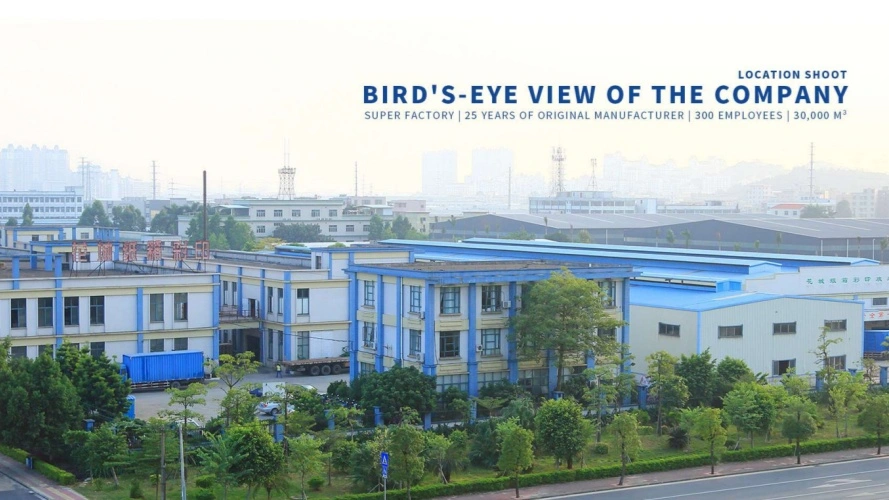
Navigating the complexities of recycled-content packaging requires expertise and proven manufacturing capabilities. Fetching Printing has been in business for over 20 years and uses cutting-edge tools like KBA106-(9+1) UV printing machines and automatic production lines to make sure they only use high-quality folding carton solutions that meet performance and environmental standards. Our ISO14001, FSC, and G7 color management standards help you meet your environmental goals while also ensuring uniform quality. No matter if you need high-end cosmetics packaging or strong e-commerce boxes, our engineering team knows how to best incorporate recycled content without affecting the usefulness. Get in touch with our packaging experts at public@fetchingprinting.com to talk about how our full range of folding carton manufacturer services can help you reach your goals for sustainable packing with on-time delivery and low prices.
References
1. Smith, J.R., "Sustainable Packaging Materials: Performance Analysis of Recycled Content in Folding Carton Applications," International Journal of Packaging Technology, 2023.
2. Chen, L., "Mechanical Properties of Recycled Paperboard: Comparative Study of Virgin and Post-Consumer Content," Packaging Engineering Research, 2023.
3. Anderson, M.K., "Print Quality Optimization for Recycled Content Substrates in Commercial Packaging," Print Media Technology Review, 2023.
4. Thompson, R.A., "Environmental Impact Assessment of Recycled Content Integration in Folding Carton Manufacturing," Sustainable Packaging Quarterly, 2023.
5. Williams, P.D., "Cost-Benefit Analysis of Recycled Content Implementation in B2B Packaging Procurement," Supply Chain Management Journal, 2023.
6. Garcia, S.M., "Regulatory Trends and Compliance Strategies for Recycled Content Packaging in Global Markets," International Packaging Law Review, 2023.

Based on your location and order quantity, you will have the opportunity to receive a limited time free shipping promotion!
Corporate Purpose