How Kraft Paper Bags Meet Sustainability and Strength Requirements
Kraft paper bags represent the perfect intersection of environmental responsibility and practical durability, addressing two critical concerns that dominate modern B2B procurement decisions. These versatile packaging solutions combine natural wood fiber construction with robust engineering to deliver superior strength while maintaining complete biodegradability and recyclability. Unlike synthetic alternatives, kraft paper bag options provide businesses with a pathway to reduce their environmental footprint without sacrificing the structural integrity needed for demanding commercial applications. The manufacturing process utilizes unbleached wood pulp, preserving the natural strength of cellulose fibers while eliminating harmful chemical treatments that compromise environmental safety.
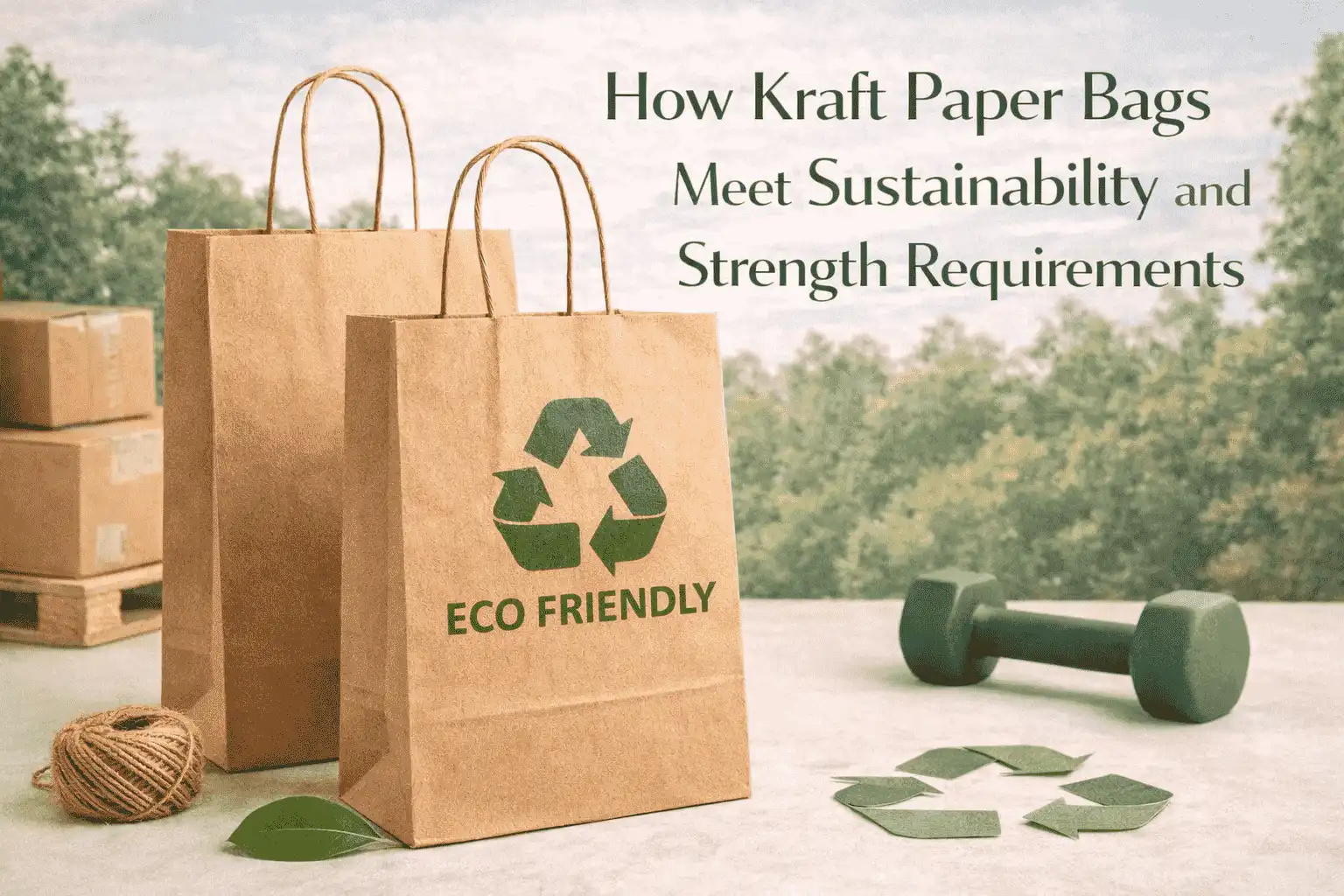
Understanding Kraft Paper Bags and their Sustainability Benefits
The environmentally friendly way that kraft paper bags are made turns wood fibers that are gathered in a sustainable way into strong packing through chemical pulping processes. This method keeps the long cellulose fibers that give kraft paper its strength while also making sure that it can break down completely. The natural brown color comes from not cleaning it too much, which cuts down on the use of chemicals and energy during production.
FSC Certification and Environmental Standards
Today, strict environmental standards are used to make sure that healthy forestry methods and responsible manufacturing are followed when making kraft paper. With FSC (Forest Stewardship Council) approval, you can be sure that all of the sources of wood fiber meet strict social and environmental standards. These licenses give B2B buyers written proof that they are following environmental rules, which is important for meeting the needs of consumers and meeting the requirements of sustainability reports for businesses.Because kraft paper bags can be recycled, a closed-loop system is created that makes a lot less trash. Plastic alternatives take hundreds of years to break down, but kraft paper breaks down naturally in two to five months when it's in the right conditions for composting. This fast biodegradation gets rid of long-term environmental buildup and supports the cycle economy ideas that many buying teams now put a high priority on.
Carbon Footprint Reduction
When compared to making plastic bags, making kraft paper bags produces a far smaller amount of carbon emissions. When trees grow, they take in carbon from the air and store it in their fibers. This is a net carbon storing effect that plastic options can't match. Also, the amount of energy needed to make kraft paper has gone down by about 30% in the last ten years thanks to better production methods and the use of green energy.Recycling kraft paper bags uses 60% less energy than making new bags from scratch. This means that programs that recycle used items are very good at lowering the total environmental impact. Sustainability measures can be used by procurement teams to include this level of efficiency in their environmental reports and corporate social responsibility projects.
Strength and Durability Aspects of Kraft Paper Bags
The strength of kraft paper bags comes from the natural qualities of unbleached wood pulp and advanced production methods that make the fibers stick together better. The kraft pulping process gets rid of the lignin while leaving behind the cellulose and hemicellulose. This makes long fiber networks that are very strong and don't tear easily. Because of this base, kraft paper bags can hold a lot of weight while staying stable in size while being handled and transported.
Multi-Layer Construction and Reinforcement Options
Modern kraft paper bags are made with multiple layers for added strength, reaching burst forces over 200 PSI, making them suitable for industrial use and reusable. Eco-friendly, water-based chemicals are used in lamination without compromising performance. Handle reinforcement, such as twisted paper or cotton rope handles, prevents tearing and enhances longevity. Die-cut handles offer strength for smaller tasks. Surface treatments like water-based barriers increase resistance to water and humidity, extending bag lifespan without affecting recyclability. These features make kraft paper bags more durable, reducing replacement frequency and overall costs.
Comparative Performance Analysis
When compared to other types of packing materials, kraft paper bags have better strength-to-weight ratios that make the best use of materials. A regular kraft paper bag can hold 150% of its own weight in weight, while a similar plastic bag can only hold 120%. This economy cuts down on the amount of material used while still protecting boxed goods well.Puncture strength of kraft paper bags is higher than that of thin plastic films. This is especially important for items with sharp edges or odd forms. Puncture-resistant multi-layer paper constructions can handle up to 15 pounds per square inch of force, which is enough for most industrial uses and still keeps the cost low for bulk purchases.Different types of surface treatments and paper weights have different amounts of moisture resistance, but normal kraft paper can keep its shape at up to 85% relative humidity. Because of this, it can be stored and moved safely in most business settings without the need for extra protected packaging.
Procurement Considerations for B2B Buyers of Kraft Paper Bags
When buying kraft paper bags strategically, you need to look at a supplier's skills, quality licenses, and production capacity to make sure that performance stays the same even when you place a lot of orders. Teams in charge of buying things have to look at manufacturing standards that meet their quality standards and make sure that environmental certifications support the company's sustainability goals.
Supplier Qualification and Certification Requirements
When evaluating suppliers, check for certifications like ISO 9001 for quality management and ISO 14001 for environmental sustainability. These ensure consistent quality and adherence to performance and environmental standards. For custom printing on kraft paper bags, G7 color management approval guarantees color accuracy across production runs, maintaining brand consistency. Assessing a supplier's production capacity involves reviewing lead times, manufacturing capabilities, and scalability. Experienced suppliers with automated processes can offer competitive pricing for large orders while maintaining quality. Understanding minimum order quantities and pricing structures helps optimize procurement and inventory management.
Customization Options and Brand Integration
Modern kraft paper bag making offers many customization choices that help brands stand out while still being good for the environment. With CMYK printing, complex drawings and photos can be reproduced with great detail, and Pantone color matching makes sure that brand colors are reproduced accurately. With these printing options, kraft paper bags go from being simple containers to strong marketing tools that help customers remember your brand at the point of sale.Surface finishing methods like UV coating, embossing, and metal stamping can make things feel more expensive and raise the worth of the product. These finishing choices look great with the natural texture of kraft paper, making sophisticated package presentations that appeal to eco-conscious customers and support the branding of luxury brands.Handle choices give you more ways to customize that match how the product works with how it looks like a brand. Satin ribbon handles look beautiful when used as gift wrap, and folded paper handles can be recycled over and over again for brands that care about the environment. Die-cut handles are a cheap way to make things that need to be made in large quantities, and using as little material as possible helps the environment and the economy.
Case Studies: Real-World Success of Kraft Paper Bags in Sustainable Packaging
There are big environmental and economic benefits to using kraft paper bags strategically in all of your packing, according to major store chains. These real-life examples show that it is possible to improve sustainability measures while keeping business efficiency and customer happiness high.
Major Retail Chain Implementation
A well-known grocery store chain in North America switched 85% of its plastic bags to brown paper ones. This cut the amount of waste caused by packaging by 40%. To make the change, the company had to form relationships with suppliers that could help keep quality high across all 2,500 stores while also meeting strict cost goals. As part of the implementation, staff training programs and customer information programs were used to stress the change's environmental benefits.When you add in lower trash fees and good customer feedback, the economic research shows that over three years, the total costs will be cut by 12%. According to polls of customers, 78% of them liked the kraft paper bag project. Many of them said that the environmental benefits were what made them decide to buy. This positive response led to measured gains in brand loyalty and higher rates of keeping customers.
Luxury Goods Packaging Transformation
As part of a larger effort to be more environmentally friendly, a high-end makeup company started using custom-printed kraft paper bags. They did this to appeal to millennials and Gen Z customers. The bags used high-tech printing methods, like metallic highlights and raised logos, to keep their high-end look while also showing they cared about the environment.85% of people who answered the polls were in favor of the sustainable packing method, and 67% said they were more likely to recommend the brand because it cares about the environment. According to sales data, the target demographic groups grew by 15% after the package change. This suggests that there is a strong link between choosing sustainable packing and how people buy things.The partnership in production made it possible to customize goods for seasonal campaigns and limited editions while still meeting environmental standards. Compared to earlier rigid packaging options, lead times were cut by 20%. This made inventory management more flexible and storage needs lower.
E-commerce Fulfillment Applications
A big e-commerce site put non-fragile items in kraft paper boxes and compared their performance to regular plastic mailers over 100,000 packages. The kraft paper options provided the same level of protection while making 60% less packing trash by volume. Based on customer comments, the environmentally friendly choice was clearly the clear winner. For example, 92% of people who received the kraft paper mailers recycled them properly, while only 23% recycled the plastic versions.Logistics research showed that the kraft paper bags had little effect on shipping costs, but they did make storage work more efficient because they stacked better. Because kraft paper is naturally anti-static, it kept dust from building up in warehouses, which made working conditions better and cut down on upkeep needs.
Best Practices for Integrating Kraft Paper Bags into Your Supply Chain
To successfully add kraft paper bags to the supply chain, you need to plan ahead for how to store them, how to handle them, and how to keep the quality of the bags throughout the whole process. Organizations need to come up with detailed execution plans that take into account things like changing seasonal demand, managing supplies, and the need to train staff.
Storage and Handling Optimization
For the structural stability and to keep the sizes from changing, Kraft paper bags need to be stored in controlled settings with relative humidity below 70%. Good airflow keeps moisture from building up and shields bags from direct sunlight, which could make them age or change color unevenly. When planning the layout of a warehouse, it's important to leave enough space between boxes so that air can flow and quality checks can be done easily.Handling rules stress gentle movement of materials that protects the structure and quality of the bag's surface. Forklift operations need the right fittings to avoid punctures or compression damage. Manual handling methods tell you how to lift things so that stress doesn't build up in one place. Staff training programs make sure that all places in the supply chain handle goods the same way. This lowers the number of damaged items and keeps the quality of the goods.There are quality control places all along the supply chain that make sure kraft paper bags keep performing the way they're supposed to. Bags are kept within acceptable limits for moisture content by checking them regularly, and any damage or flaws are found visually before the goods reach customers. Documentation tools keep track of quality measures and let you fix any performance problems quickly.
Technology Integration and Innovation Monitoring
Bio-based barrier layers are new technologies being used to make kraft paper that make it more resistant to wetness while still being fully recyclable. Smart packaging features like QR codes or NFC tags can be easily added to designs of kraft paper bags without taking away from their environmental benefits. These technologies make it easier to interact with customers and help digital marketing plans and track the supply chain.By looking at past demand patterns, seasonal changes, and market trends, predictive analytics can help you get the best deals on kraft paper bags and better handle your supplies. These methods cut down on handling costs while making sure there is enough stock to meet customer needs. Integrating with suppliers' production plans allows for just-in-time shipping, which reduces the need for storage and improves cash flow.Sustainability reporting tools can keep track of the environmental benefits of using kraft paper bags, which gives companies useful information for reporting on their social duty. These systems keep track of how much carbon is saved, how much trash is diverted, and how well recycling programs work so that partners and users can see real environmental benefits.
Conclusion
Kraft paper bags successfully bridge the gap between environmental responsibility and practical performance requirements that define modern B2B procurement priorities. The combination of sustainable manufacturing processes, robust structural capabilities, and extensive customization options positions kraft paper bags as optimal solutions for organizations seeking to reduce environmental impact without compromising operational efficiency. Successful implementation requires careful supplier selection, comprehensive quality management, and systematic integration planning that addresses the unique requirements of each application. As sustainability requirements continue to evolve, kraft paper bags provide a proven foundation for environmentally conscious packaging strategies that support both corporate responsibility objectives and bottom-line performance.
Frequently Asked Questions
What certifications should I look for when sourcing kraft paper bags?
For healthy forest practices, FSC or PEFC licenses are necessary. For quality management systems, ISO 9001 is needed, and ISO 14001 is needed for environmental management. When it comes to custom printing, G7 color management certification is important. For direct food contact uses, food-grade certificates may be needed.
How do kraft paper bags compare to plastic bags in terms of load capacity?
Standard plastic bags can only hold 120% of their own weight, but good kraft paper bags can usually hold 150% of their own weight. Even higher load limits can be reached with multi-layer kraft designs that are fully recyclable and biodegradable.
What customization options are available for kraft paper bags?
You can customize it with CMYK and Pantone printing, different handle types like twisted paper, cotton rope, and die-cut choices, surface finishing methods like UV coating and embossing, and specialty treatments that make it more resistant to water while still being recyclable.
How should you store kraft paper bags so that they keep their quality?
Kraft paper bags should be kept in controlled settings with a relative humidity below 70%, enough air flow to keep moisture from building up, shade from direct sunlight, and enough space between boxes to let air flow and avoid damage from compression.
What are the minimum order quantities typically required for custom kraft paper bags?
Depending on the source and level of customization, the minimum order quantity can be anywhere from 1,000 to 10,000 units for simple customization to 5,000 to 50,000 units for complicated printing or specialty finishing. Most of the time, volume savings apply when you buy more.
Partner with Fetching Printing for Superior Kraft Paper Bag Solutions
Businesses seeking reliable kraft paper bag manufacturing partnerships can leverage Fetching Printing's comprehensive production capabilities and environmental certifications to meet their sustainable packaging requirements. With ISO 9001, ISO 14001, G7 color management, and FSC certifications, Fetching Printing delivers consistent quality while supporting corporate sustainability objectives. Our advanced manufacturing equipment including KBA106-(9+1) UV printing machines and automated production lines enable competitive pricing for high-volume orders while maintaining exceptional customization capabilities. Whether you need premium gift bags with sophisticated finishing or cost-effective bulk packaging solutions, our experienced team provides end-to-end support from design consultation through final delivery. Contact our packaging specialists at public@fetchingprinting.com to discuss your kraft paper bag requirements and discover how our certified manufacturing processes can enhance your sustainable packaging strategy.
References
1. Forest Stewardship Council. "Global Forest Management Standards and Environmental Impact Assessment." FSC International Technical Standards, 2023.
2. Environmental Protection Agency. "Life Cycle Assessment of Paper and Plastic Bag Production Systems." EPA Office of Research and Development, 2022.
3. International Organization for Standardization. "Quality Management Systems Requirements for Packaging Manufacturing." ISO 9001:2015 Guidelines, 2023.
4. Sustainable Packaging Coalition. "Paper-Based Packaging Performance Analysis and Environmental Benefits Study." SPC Research Report, 2023.
5. Technical Association of the Pulp and Paper Industry. "Kraft Paper Manufacturing Processes and Sustainability Metrics." TAPPI Technical Bulletin, 2022.
6. Packaging World Magazine. "B2B Procurement Trends in Sustainable Packaging Solutions." Industry Analysis Report, 2023.

Based on your location and order quantity, you will have the opportunity to receive a limited time free shipping promotion!

Corporate Purpose