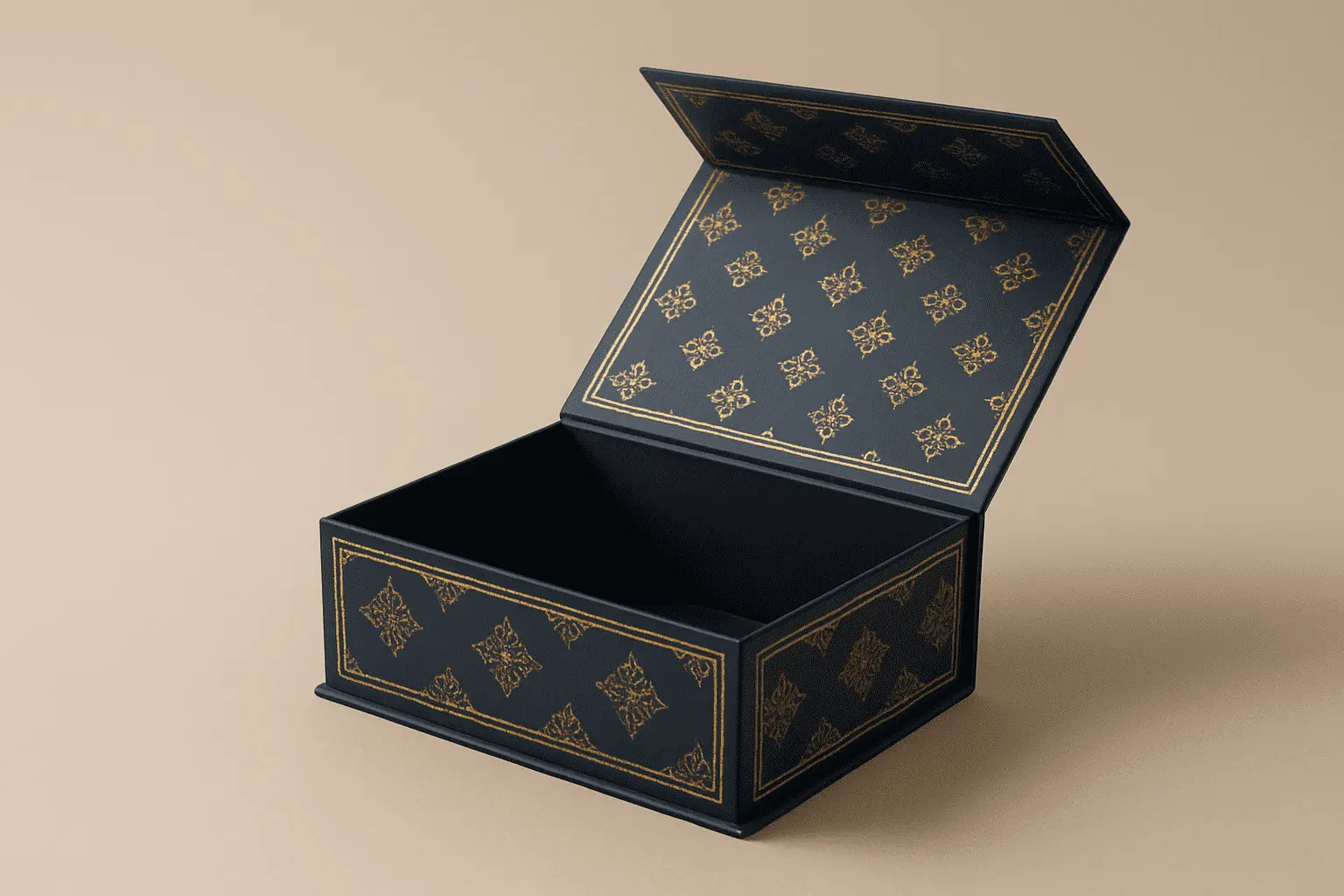
How Digital Printing Helps Reduce MOQ for Custom Product Boxes
By lowering the minimum order quantity for custom product boxes, digital printing changes the economics of buying packaging. Digital printing doesn't have any of the problems that offset or flexographic printing do, like needing thousands of units to support the expensive plate-making and long setup times. This technology makes it possible to make high-quality products even when only a few hundred are made. This lets brands try out different market versions, release limited editions, and change package designs without having to store extra stock. Procurement teams get more financial freedom while keeping the high quality of the look of their goods.

Understanding the MOQ Challenge in Custom Product Box Procurement
Minimum Order Quantity rules have made it hard for procurement managers to make decisions about packing for a long time. With traditional printing methods, you have to spend a lot of money on plates, dies, and test runs before you can make the first box that can be sold. Spreading out these set costs over thousands or tens of thousands of pieces is the only way to make them profitable. Buying custom product boxes has historically been limited by these high barriers to entry.
The Financial Burden of Traditional Printing Requirements
When a customer agrees to traditional offset printing, the MOQ for each design is usually between 3,000 and 5,000 units. A beauty brand that wants to change its packaging for different seasons has to make a tough decision: should they order enough to meet the printer's needs and risk having old stock, or should they give up creative difference and stick with the same design all year? Due to these limitations, capital is forced to go into the warehouse instead of new product development.
Inventory Management Complications
High MOQs make operations more difficult in a chain reaction. When you order packing materials months before a product comes out, you have to pay to store them. Thousands of pre-printed boxes can become useless quickly if rules change or a company decides to rebrand. When an e-commerce business grows quickly, it has to constantly adjust its stock levels between not having enough and having too much because demand patterns change without warning.
Limited Customization Flexibility
Traditional printing economies don't encourage people to try new things. When each version needs a 5,000-unit commitment, it becomes too expensive to test what regional markets want with localized packaging. It's very expensive for subscription businesses that want to change their designs every month. Instead of helping to tell the story of the business, the package itself becomes a barrier to the marketing plan.
How Digital Printing Revolutionizes MOQ for Custom Product Boxes
Digital printing is very different from the mechanical printing that came before it. Digital systems use toner or liquid ink straight from computer files to base surfaces instead of moving ink through physical plates. This direct-to-substrate method gets rid of the need for expensive tools and lets design changes happen right away between production runs, effectively lowering the minimum order quantity for custom product boxes.
Minimal Setup Requirements Enable Small Batch Production
We've seen buying teams at cosmetics companies cut their package orders from 5,000 units to 500 units without lowering the quality of each unit. For a digital press, making plates is not needed; only digital files need to be prepared, and colors need to be briefly calibrated. Instead of taking weeks, production can start in hours, and switching between completely different ideas only takes posting new files. This flexibility is very helpful for companies that are releasing new products in steps or trying to reach specific groups of people.
Enhanced Design Iteration Capabilities
A company that makes consumer goods recently talked about how digital printing allowed them to try three different packaging ideas in local markets at the same time. They bought 300 units of each design variation, had store partners get feedback from customers, and then chose the best idea before starting to make more of them. This iterative method lowered the risk of the market while giving useful customer information that helped with decisions about packing and product development.
Speed-to-Market Advantages
Usually, it takes six to twelve weeks from the time the design is approved until the box is delivered to the office. This cycle is greatly sped up by digital printing. Once the final file is approved, production can start within days. For complicated structures, the normal turnaround time is one to two weeks. When brands release new goods around certain events or times of the year, they get important schedule flexibility that can't be achieved any other way.
Material and Design Considerations with Digital Printing
Choice of substrate is still important, no matter what printing method is used, but digital technology makes material choices bigger instead of smaller. Knowing about these options helps buying teams get the best results in terms of both performance and cost. Digital printing allows for high-quality custom product boxes on various specialized materials.
Compatible Substrates and Eco-Friendly Options
Digital printing can be done on a range of paperboard types, from 250 GSM folded cartons that are light to 1200 GSM rigid boxes that are heavy. FSC-certified substrates work perfectly with digital processes, helping to meet green goals without lowering quality. We keep a lot of recycled content boards in stock because they are good for the environment and meet the structural needs of safe packing. Digital paints work well with these materials, and they have the feel that high-end names want.
Color Management and Print Quality Standards
Because we have our G7 color management approval, we can be sure that the colors will look the same across production runs and on different surfaces. Digital printing has a wide range of colors that can be used, but some Pantone colors may need to be printed in a different way. During the specification phase, procurement teams should ask for color samples of the materials they want to make sure that the digital output follows brand standards. Print quality is usually higher than 1200 DPI, which means that text and photos are as clear as they would be on a high-end paper printer.
Finishing Techniques That Enhance Digital Printed Boxes
Value-added finishes turn useful packages into brand experiences that people will remember. Spot UV coating makes a big difference between matte and shiny surfaces, which makes brands or product photos stand out. The high-end feel that sets apart luxury packaging is provided by soft-touch coating. Metallic foiling, embossing, and debossing can be done on digitally printed sheets, but they take longer to make and require minimal amounts. Early on in the design process, procurement managers should talk about finishing choices to find a balance between budget, delivery deadlines and aesthetic goals.
Comparing Digital Printing vs Traditional Methods in Procurement Decisions
To do good buying, you need to know when each tool gives you the most value. Neither method always works better than the other; the situation decides which is best. When sourcing custom product boxes, understanding volume thresholds is key to cost efficiency.
Cost Analysis Across Different Volume Ranges
Digital printing is the most cost-effective way to print anywhere from 50 to 2,500 units, based on the complexity of the box and the finish that is needed. In this range, the lack of setup costs makes up for the slightly higher costs of making each unit. When you print more than 3,000 to 5,000 units, traditional offset printing is better because the plate costs are spread out over a bigger number of units. To make an accurate cost comparison, you need quotes that cover a range of predicted number situations and take into account both the cost of keeping inventory and the savings per unit.
Quality Benchmarks and Customization Capabilities
For most uses, modern digital printing equipment makes output that can't be told apart from offset work. Strict brand standards are met for line screens, color depth, and registration accuracy. Digital technology is actually better than old ways of personalizing because changeable data printing lets each box have its own content without any extra settings needed. This makes sequencing, regional language differences, and individual messages possible in ways that presses can't do cheaply.
Supplier Selection Criteria for Digital Printing Partners
A lot of expert skills should be checked as part of the procurement due diligence process. Having ISO9001 and ISO14001 standards means that you have a method for managing quality and the environment. The G7 license proves color control skills. Check the specs of the tools. For example, newer digital presses from HP, Xerox, or Canon are more consistent. We use both our KBA and Heidelberg offset presses and state-of-the-art digital printing tools. This lets us use a hybrid method that makes the most of both technologies, depending on the needs of the project.
How to Leverage Digital Printing for Optimized Procurement of Custom Product Boxes
Strategically putting digital printing tools to use requires careful planning and clear communication with suppliers. These useful steps will help you get good results when buying custom product boxes.
Design File Preparation Best Practices
Digital processes work best with artwork that is well-prepared. Give them PDFs that are ready to print, with embedded fonts, CMYK color space, and the right amount of bleed room. Vector images can be scaled up or down without losing their sharp lines. At their end size, raster pictures should have more than 300 DPI. Before production, our packaging engineers check submitted files for technical compliance. This helps them find possible problems while keeping designs flexible. This way of working together keeps costs down, avoids delays, and makes sure the result fits what was planned.
Understanding Supplier MOQ Policies and Negotiation Approaches
Even digital printing companies have minimum order requirements, though they are much smaller than the old ones. The usual minimums are between 100 and 500 units, but it depends on the size of the box and how complicated the structure is. When you build relationships with sellers who understand your business model, you can negotiate terms that work for both testing phases and growth paths. When you talk about expected yearly volumes, you can often get better minimums and price levels that work for both of your planning needs.
Sampling, Quality Validation, and Logistics Planning
Ask for printed models that were made on real production tools with the substrates and finishes that you want. Check the quality of the finish, color correctness, and structural stability in real-life lighting. Before committing to production numbers, give samples to product managers, marketing teams, and delivery operations to find out what concerns people have. Logistics planning for smaller batch sizes should think about how to make packing more efficient and how to get the best freight rates so that landing costs stay low even though order numbers are lower.
Conclusion
Digital printing completely changes the economics of buying packages by freeing brands from having to meet strict minimum order numbers. With this technology, buying teams can make sure that their packing plans are in line with what the market actually wants, not with what the printer can do. Custom product boxes can be made in amounts ranging from hundreds to thousands, allowing for market testing, seasonal variations, and flexible supply lines that are impossible with conventional methods. Quality standards are the same as or higher than those for regular printing, and design freedom is unmatched. As companies try to be more environmentally friendly, lower the risk of losing goods, and give each customer a more personalized experience, digital printing is becoming the best way to buy things because it combines operating flexibility with cost-effectiveness.
FAQ
What minimum order quantities does digital printing enable?
Digital printing can usually handle production runs of 100 to 500 units, but some suppliers can handle even smaller amounts for testing reasons. The exact minimum varies depending on the size of the box, how complicated the structure is, and how it needs to be finished. When compared to standard offset printing minimums of 3,000 to 5,000 units, this is a huge drop.
Does digital printing match traditional offset quality?
For most packing jobs, modern digital printing equipment is just as good as offset presses in terms of quality. Professional brand standards are met for print quality, color accuracy, and finish choices. It's important to test samples during the specification step because some unique Pantone colors may not work the same way.
Are eco-friendly materials available for digitally printed boxes?
Digital printing can use FSC-certified paperboards, recycled content substrates, and other eco-friendly products without lowering the quality. Our ISO14001 environmental certification shows that we are committed to using sustainable manufacturing methods all the way through the production process.
Partner with Fetching Printing for Flexible Custom Product Box Solutions
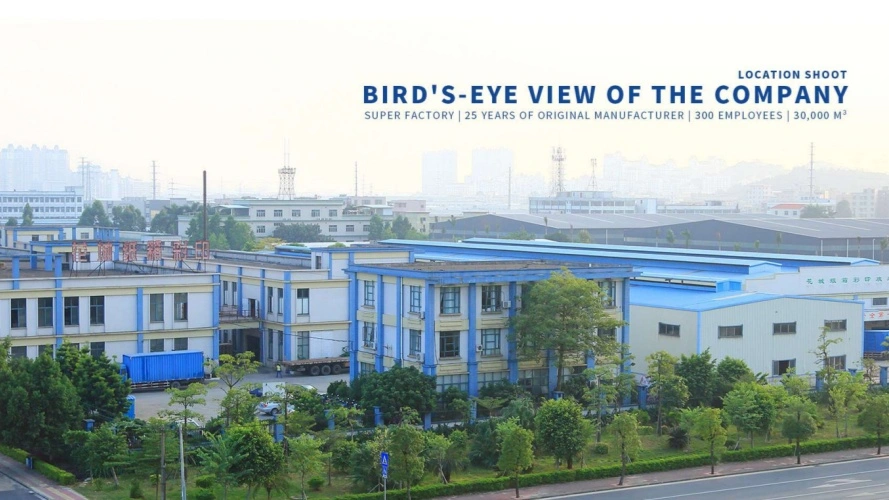
To deal with problems related to minimum order quantities, you need a manufacturing partner who knows both technical aspects and business facts. Our 50,000-square-meter facility at Fetching Printing has both standard offset presses and modern digital printing equipment. This lets us suggest the best ways to produce custom product boxes. We've been helping brands in the cosmetics, technology, food, and e-commerce industries solve tough package problems since 1999. We do this by using collaborative engineering and flexible project management.
Our team of packing engineers helps with everything from the first idea to the final delivery. We keep our ISO9001, ISO14001, G7, and FSC certifications up to date to make sure that your packaging meets quality and environmental standards around the world. Our production can grow with your business, whether you need 500 units to test the market or 50,000 units for full-scale marketing. Get in touch with our team at public@fetchingprinting.com to talk about your project needs with a dedicated seller who cares about your success.
References
1. Romano, Frank J. (2021). Digital Printing Technology: Advances and Applications in Commercial and Industrial Markets. Rochester: Digital Printing Council Press.
2. Kipphan, Helmut (ed.). (2020). Handbook of Print Media: Technologies and Production Methods for Custom Packaging Solutions. Berlin: Springer-Verlag.
3. Emblem, Anne and Emblem, Henry. (2019). Packaging Technology: Fundamentals, Materials, and Processes in Modern Box Manufacturing. Cambridge: Woodhead Publishing.
4. Jenkins, William A. and Harrington, James P. (2022). Packaging Foods with Digital Print: Quality, Economics, and Sustainability Considerations. Boca Raton: CRC Press.
5. Soroka, Walter. (2020). Fundamentals of Packaging Technology: Material Selection and Printing Methods for Product Boxes. Herndon: Institute of Packaging Professionals.
6. Twede, Diana, and Goddard, Ronald. (2021). Packaging Sustainability: Tools, Systems and Strategies for Innovation in Digital Print Manufacturing. Lancaster: DEStech Publications.

Based on your location and order quantity, you will have the opportunity to receive a limited time free shipping promotion!
Corporate Purpose