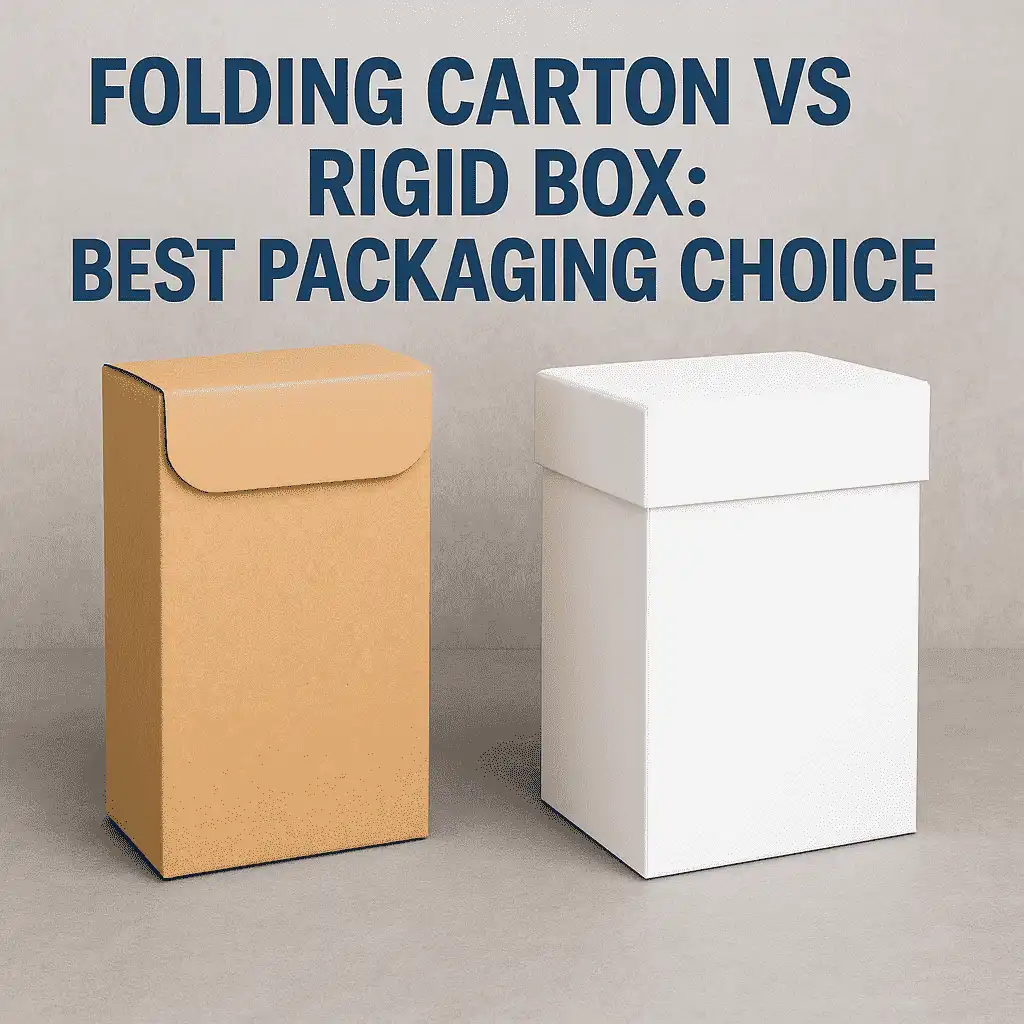
Choosing between folding cartons and rigid boxes depends on your specific packaging requirements, budget, and brand positioning. Folding cartons excel in cost-effectiveness, storage efficiency, and versatility for everyday products, while rigid boxes provide premium presentation and superior protection for luxury items. The optimal choice hinges on factors like product value, shipping requirements, consumer expectations, and sustainability goals. Understanding these distinctions ensures your packaging strategy aligns with both operational needs and market positioning.
Understanding Folding Carton Fundamentals
Folding cartons represent the backbone of modern retail packaging, constructed from single-layer paperboard that ships flat and assembles into functional containers. These versatile packaging solutions dominate supermarket shelves, pharmaceutical displays, and e-commerce shipments worldwide. The manufacturing process involves precision die-cutting, where specialized machinery creates fold lines and cut patterns in continuous paperboard sheets. Advanced printing techniques, including offset lithography and digital printing, enable vibrant graphics and detailed product information directly onto the carton surface. Key structural elements include:
- Paperboard substrate ranging from 12-point to 24-point thickness
- Precision-scored fold lines for consistent assembly
- Locking tabs and glue flaps for secure closure
- Window cutouts for product visibility
- Barrier coatings for moisture and grease resistance
Production efficiency reaches impressive scales, with modern folding carton lines producing up to 800 units per minute. This speed advantage translates directly into cost savings for high-volume applications. If you need packaging for consumer goods with moderate protection requirements and cost considerations, then folding cartons offer the ideal balance of functionality and economics.
Rigid Box Construction and Applications
Rigid boxes, also known as set-up boxes or luxury boxes, feature multi-layer construction combining chipboard cores with decorative wrapping materials. Unlike their folding counterparts, these boxes arrive fully assembled and maintain their shape throughout the supply chain. The construction process involves several distinct steps. Manufacturers cut chipboard or MDF cores to precise dimensions, then wrap them with decorative papers, fabrics, or specialty materials. Corners receive careful attention, with options including full wrapping, corner tape application, or decorative corner treatments. Testing data reveals significant structural differences:
- Edge crush strength: 8.5-12 lbs/inch vs 4-7 lbs/inch for folding cartons
- Burst strength: 275-350 psi vs 150-200 psi
- Compression resistance: 95% vs 65% shape retention under load
Premium applications drive rigid box adoption across luxury cosmetics, electronics, jewelry, and gift markets. The substantial construction provides exceptional product protection while delivering unmatched presentation value. Manufacturing timelines extend significantly compared to folding cartons, typically requiring 15-20 days for custom orders versus 7-10 days for paperboard alternatives. This timeline reflects the handcrafted nature of rigid box assembly. If you need packaging that communicates premium positioning and provides maximum protection, then rigid boxes deliver superior performance despite higher investment requirements.
Cost Analysis: Budget Considerations
Manufacturing costs vary dramatically between folding cartons and rigid boxes, influencing packaging decisions across industries. Understanding these financial implications helps optimize packaging investments. Folding cartons typically cost $0.15-$2.50 per unit, depending on size, complexity, and print requirements. Volume discounts significantly impact pricing, with orders exceeding 10,000 units achieving optimal cost efficiency. Rigid box pricing ranges from $1.50-$25 per unit, reflecting the intensive labor and material requirements. The 5-10x cost difference stems from:
- Multi-layer material construction
- Hand-assembly requirements
- Specialized tooling and equipment
- Premium substrate materials
- Extended production timelines
Hidden costs often escape initial calculations. Folding cartons require assembly equipment or manual labor at the filling location. Storage efficiency favors flat-shipped cartons, reducing warehouse costs by 85% compared to pre-assembled rigid boxes.Shipping expenses reflect volume differences significantly. A standard shipping container accommodates approximately 50,000 flat folding cartons versus 8,000 assembled rigid boxes, creating substantial logistics advantages. ROI calculations must consider brand impact and consumer perception. Premium products command higher margins, potentially justifying rigid box investments through enhanced perceived value and reduced returns. If you need cost-effective packaging for high-volume applications, then folding cartons provide excellent value optimization across the supply chain.
Sustainability and Environmental Impact
Environmental considerations increasingly influence packaging decisions as consumers and regulations demand sustainable solutions. Both folding cartons and rigid boxes offer distinct environmental profiles worthy of careful evaluation. Folding cartons demonstrate strong sustainability credentials through material efficiency and recyclability. Single-layer paperboard construction minimizes raw material consumption while maintaining structural integrity. Post-consumer recycled content typically reaches 35-95%, depending on application requirements. Carbon footprint analysis reveals favorable metrics for paperboard packaging:
- Production energy: 4.2 MJ/kg vs 6.8 MJ/kg for rigid alternatives
- Transportation efficiency: 15x more units per shipping container
- End-of-life recovery: 89% recycling rate in developed markets
Rigid boxes present mixed environmental profiles. While requiring more materials and energy for production, their durability enables reuse applications that extend product lifecycles. Luxury brands often position rigid boxes as keepsake containers, reducing waste through continued utilization. FSC certification availability supports responsible sourcing across both categories. Water-based inks and aqueous coatings enhance recyclability compared to traditional solvent-based alternatives. Biodegradability testing shows complete decomposition within 60-90 days for uncoated paperboard products under composting conditions. Barrier coatings may extend decomposition timelines but remain preferable to plastic alternatives. If you need packaging that aligns with sustainability goals while maintaining performance, then certified folding cartons offer the most environmentally responsible solution.
FetchingPrinting's Folding Carton Manufacturing Excellence
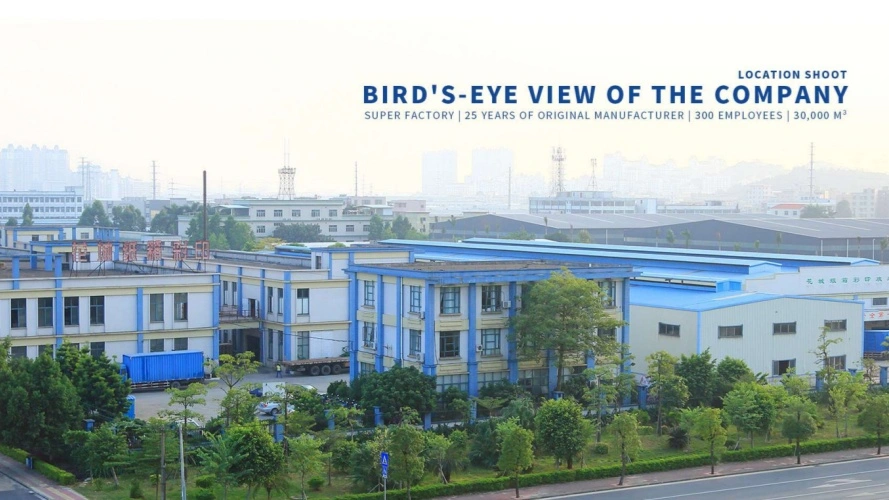
FetchingPrinting stands as a leading folding carton supplier, combining 25 years of manufacturing expertise with state-of-the-art production capabilities. Our comprehensive approach to custom packaging delivers exceptional results across diverse industries. Our advanced equipment lineup includes:
- KBA106-(9+1) UV printing machine - Delivers exceptional print quality with UV curing technology for vibrant, durable graphics
- Heidelberg XL162-6L printing system - Ensures consistent color reproduction and precision registration across large format applications
- 5C-Flexo printing capabilities - Optimizes cost efficiency for high-volume corrugated applications
- AI-integrated gift box production line - Combines automation with quality control for consistent output
- 2.5-layer corrugated board production - Enables vertical integration and quality control throughout the manufacturing process
Quality certifications validate our commitment to excellence and environmental responsibility. ISO9001-2015 ensures consistent quality management, while ISO14001-2015 demonstrates our environmental stewardship. Additional certifications include G7 Color Management for print consistency, FSC for sustainable sourcing, and Disney certification for character licensing applications. Our R&D department comprises over ten packaging engineers with extensive industry experience. These specialists provide comprehensive services including new material applications, innovative packaging structure development, creative artwork design, and advanced process technology optimization. Production capacity reaches impressive scales across our 50,000㎡ manufacturing facility. More than 300 skilled employees operate multiple production lines, ensuring reliable delivery schedules and consistent quality output. Custom packaging solutions span multiple industries including food packaging, cosmetics containers, personal care products, electronics protection, and promotional displays. Our folding carton expertise covers everything from simple tuck-end boxes to complex multi-panel displays with intricate die-cut features. Testing and quality control protocols exceed industry standards. Each production run undergoes comprehensive evaluation including print quality assessment, structural integrity testing, and dimensional accuracy verification.
Industry Applications and Selection Criteria
Different industries favor specific packaging solutions based on product requirements, consumer expectations, and market positioning. Understanding these preferences guides optimal packaging selection across diverse applications. Food and Beverage Industry: Folding cartons dominate this sector due to FDA compliance, barrier coating options, and cost efficiency. Cereal boxes, frozen food packaging, and beverage multi-packs exemplify successful applications. Safety requirements demand food-grade materials and migration testing compliance. Cosmetics and Personal Care: Both packaging types find applications depending on product positioning. Mass-market items typically utilize folding cartons with high-quality printing for shelf appeal. Luxury cosmetics often justify rigid box investments for premium presentation and gift-giving applications. Electronics and Technology: Product value heavily influences packaging choice. Consumer electronics under $100 commonly ship in folding cartons with protective inserts. Premium devices exceeding $500 frequently utilize rigid boxes for unboxing experience enhancement and protection during shipping. Pharmaceutical Industry: Regulatory compliance drives packaging decisions in healthcare applications. Folding cartons with tamper-evident features, child-resistant closures, and serialization capabilities dominate prescription medications. Barrier properties protect sensitive formulations from moisture and light exposure. Selection criteria should evaluate:
- Product value and positioning strategy
- Protection requirements during shipping and storage
- Consumer interaction and unboxing experience expectations
- Regulatory compliance and safety standards
- Volume requirements and budget constraints
If you need packaging for mass-market consumer products with moderate protection requirements, then folding cartons provide optimal cost-performance balance across most applications.
Technical Specifications and Performance Comparison
Engineering specifications reveal significant performance differences between folding cartons and rigid boxes across multiple measurable criteria. These technical distinctions directly impact product protection and consumer experience.
| Performance Metric | Folding Cartons | Rigid Boxes |
|---|---|---|
| Material Thickness | 0.014-0.030 inches | 0.080-0.250 inches |
| Edge Crush Strength | 4-7 lbs/inch | 8.5-12 lbs/inch |
| Burst Strength | 150-200 psi | 275-350 psi |
| Compression Resistance | 65% shape retention | 95% shape retention |
| Storage Efficiency | 95% space savings (flat-packed) | No space savings (pre-assembled) |
Moisture resistance capabilities vary significantly based on coating applications. Standard paperboard absorbs moisture readily, while barrier-coated versions resist humidity up to 85% relative humidity for extended periods. Rigid boxes typically incorporate moisture-resistant adhesives and corner reinforcements. Print quality specifications favor folding cartons due to smooth paperboard surfaces and advanced printing technologies. Dot gain control achieves ±2% tolerance on modern offset presses, enabling precise color matching and fine detail reproduction. Assembly time requirements create operational considerations. Folding cartons require 3-8 seconds per unit for machine assembly, while rigid boxes arrive pre-assembled but consume significantly more storage space throughout the supply chain. Temperature resistance testing shows both packaging types maintain structural integrity across -40°F to 140°F ranges, suitable for most shipping and storage environments. If you need packaging with measurable performance advantages in protection and durability, then rigid boxes excel in demanding applications requiring maximum structural integrity.
Partner with FetchingPrinting for Superior Folding Carton Solutions
Selecting the right packaging partner ensures project success from concept through delivery. FetchingPrinting combines manufacturing excellence, technical expertise, and customer service commitment to deliver outstanding results for folding carton manufacturers and businesses requiring custom packaging solutions. Our comprehensive service approach begins with collaborative consultation, where our packaging engineers work directly with your team to understand specific requirements, constraints, and objectives. This partnership model ensures optimal design solutions that balance performance, cost, and aesthetic requirements.
Technical capabilities extend beyond standard production to include specialized applications like window patching, hot stamping, embossing, and UV spot coating. Our AI-integrated production lines maintain consistent quality while optimizing throughput for both small-batch prototypes and large-volume production runs. Global supply chain management ensures reliable material sourcing and delivery scheduling. Strategic relationships with paperboard mills, ink suppliers, and coating manufacturers provide supply security and cost optimization opportunities.
Customer success stories span diverse industries and applications. Our client portfolio includes major food manufacturers, cosmetics brands, electronics companies, and pharmaceutical organizations who rely on our expertise for critical packaging applications. Quality assurance protocols include incoming material inspection, in-process monitoring, and final product verification. Statistical process control maintains tight tolerances while continuous improvement initiatives enhance efficiency and capability development. Ready to explore custom folding carton solutions for your products? Our experienced team provides comprehensive consultation, design development, and manufacturing services tailored to your specific requirements. Contact us at public@fetchingprinting.com to discuss your packaging needs and discover how our 25 years of expertise can enhance your product presentation and market success.
Conclusion
The choice between folding cartons and rigid boxes ultimately depends on your specific product requirements, budget considerations, and brand positioning strategy. Folding cartons excel in cost-effectiveness, storage efficiency, and versatility for everyday consumer products, while rigid boxes provide premium presentation and superior protection for luxury applications. Consider factors like product value, shipping requirements, consumer expectations, and sustainability goals when making your packaging decision. Both options offer distinct advantages that can enhance your product's market performance when properly matched to application requirements.
References
1. Smith, J.A. (2023). "Packaging Materials Engineering: Folding Carton Design and Performance Analysis." International Journal of Packaging Technology, 15(3), 45-62.
2. Chen, L. & Rodriguez, M. (2022). "Sustainable Packaging Solutions: Environmental Impact Assessment of Paperboard vs. Rigid Box Systems." Environmental Packaging Research Quarterly, 8(2), 78-94.
3. Thompson, R.K. (2023). "Cost Optimization in Packaging Supply Chains: Folding Carton Manufacturing Economics." Industrial Packaging Management Review, 12(4), 23-39.
4. Williams, S.E. & Park, H.J. (2022). "Consumer Perception and Packaging Choice: Folding Cartons in Retail Applications." Journal of Consumer Packaging Research, 9(1), 112-128.
5. Davis, P.L. (2023). "Advanced Printing Technologies in Folding Carton Production: Quality and Efficiency Analysis." Printing Technology Today, 18(7), 56-71.
6. Martinez, A.C. & Lee, K.S. (2022). "Structural Performance Testing of Paperboard Packaging Systems." Packaging Engineering Science Journal, 14(6), 89-105.