Everything You Need to Know About Custom Product Boxes
Custom product boxes are more than just cases; they're strategic assets that protect your goods, spread your brand's message, and affect buying decisions at key moments. You and your customer will first connect with your brand through a product box, which is a type of packaging made to protect, show, and transport individual things. Whether you're a purchasing manager looking at suppliers or an engineer trying to make the best use of packaging specifications, knowing the ins and outs of custom packaging solutions can have a big effect on your bottom line, the efficiency of your supply chain, and your position in the market for retail, industrial, and promotional uses.
Understanding Custom Product Boxes: Definition, Types, and Benefits
Custom product packing is very different from off-the-shelf options because it is made to order in terms of size, material, structure, and how it looks. Standard boxes force goods to fit into sizes that are already set. Custom choices, on the other hand, are made to fit your exact needs, making sure the best fit, protection, and brand alignment.
What Defines Custom Packaging Solutions
A custom package solution includes all parts of box design, from exact measurements that get rid of extra room to choosing materials that are affordable, long-lasting, and good for the environment. At Fetching Printing, we make a lot of different types of boxes, such as silver board folding boxes for high-end presentation, cardboard folding boxes for a wide range of uses, and corrugated boxes for the best shipping protection. Each type meets different functional and aesthetic needs, which lets procurement teams fit the performance of the packaging to the features of the product and the standards of the market.
You can change more than just the size; you can also change the printing methods, the finishing steps, and the structure. Logos, product details, usage directions, safety icons, and even QR codes that lead to digital resources can be added to the design without any problems. This informational function is especially useful in business-to-business (B2B) settings, where technical clarity and a professional look affect a buyer's trust and how quickly they make a decision.
Primary Types Used in B2B Procurement
Cardboard folding boxes remain the most flexible choice for medium-weight items that need reasonable security and great print quality. These boxes are made from SBS (Solid Bleached Sulfate) materials, which have smooth surfaces that work well with high-resolution graphics. This makes them ideal for cosmetics, tech items, and other market goods that need to look good on the shelf. CCNB and Kraft paperboard options give brands that care about the environment a simple look while keeping the structure strong.
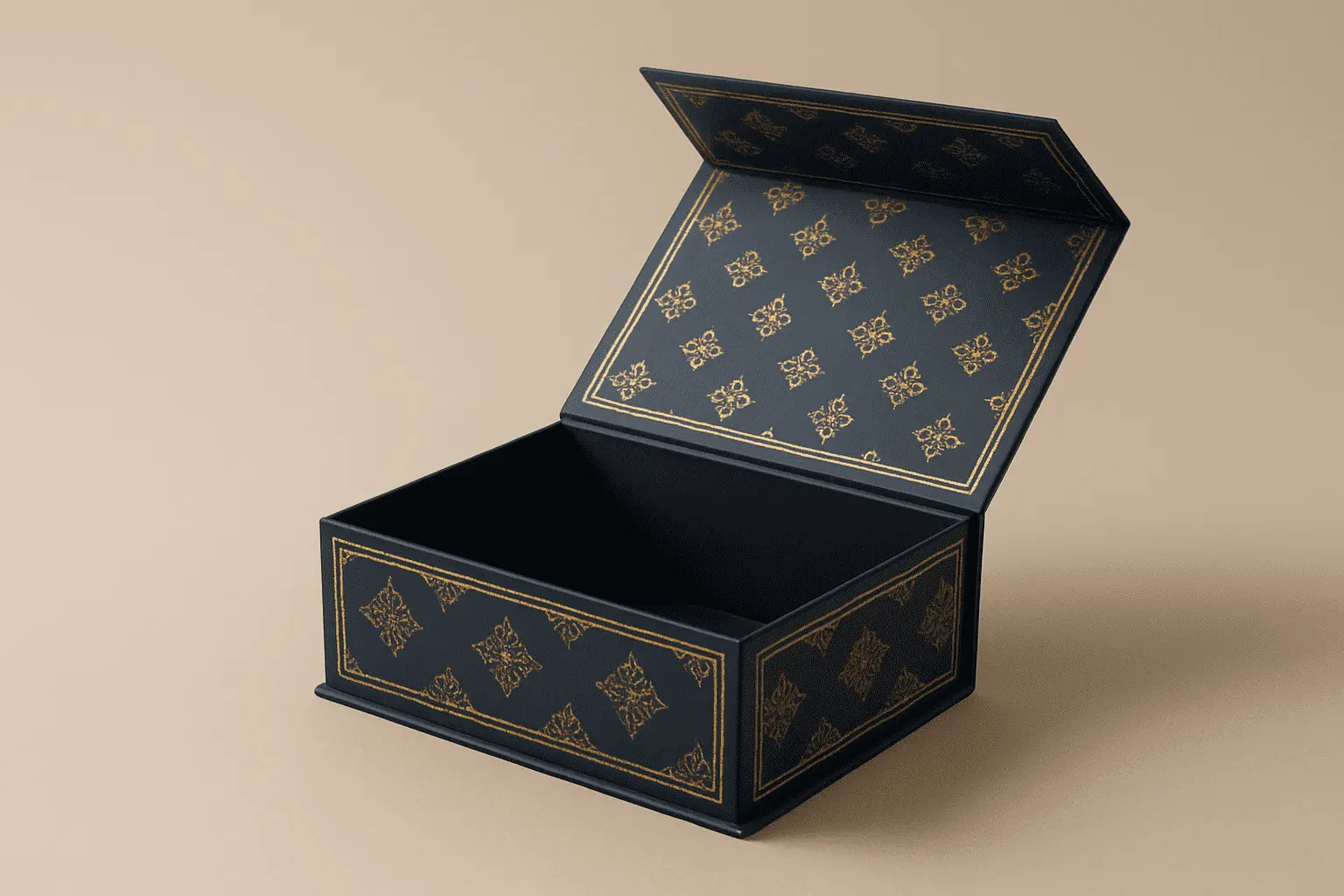
Rigid boxes and steel boards are available for high-end and luxury customers, as the experience of opening the box has a direct effect on how people think of the brand. These structures have stronger walls, magnetic locks, or two-piece designs that make them more valuable for showing off. These choices are often listed by beauty brands, high-end tech makers, and subscription services to set their product boxes apart in crowded markets and support charging higher prices.
Key Benefits for Procurement Professionals
The main practical benefit is better product protection, which lowers the number of returns and customer complaints about damage in shipping. When packaging is well-designed, it can withstand shocks, keep wetness out, and keep its shape even when the world changes. This safety goes all the way through the supply chain, from the factories that make the goods to the warehouses that send them. It keeps your investment safe at every step.
Sustainability compliance is becoming more important as environmental responsibility requirements rise in regulatory systems and business responsibility programs. Materials that are FSC-certified, substrates that can be recycled, and designs that use less material all help procurement teams meet their organizations' sustainability goals and appeal to customers and store partners who care about the environment and look for eco-friendly packaging when evaluating suppliers.
How to Design the Perfect Custom Product Box for Your Needs
A good packing design has to balance a lot of different things, like how well it protects things, how well it communicates the brand, how easy it is to make, and how much it costs. When procurement workers and product managers know how these factors affect each other, they can choose packaging that meets technical needs and supports larger business goals.
Essential Design Principles and Considerations
Accurate measurements are the basis of good package design. Too-big boxes lose materials, raise shipping costs, and let items move around while being shipped, which could damage them. On the other hand, packaging that is too small puts stress on materials, makes packing more difficult, and gives the impression of being squished and sloppy. Our engineering team at Fetching Printing focuses on exact measurement planning that takes into account the size of the product, any protective inserts, and the assembly limits so that everything fits perfectly and there is no extra space.
Both security and user experience are affected by structural factors. Tuck flaps, locking devices, and strengthened corners make the boxes last longer and make building easier for people who work on the packing line. Tear strips, puncture lines, and easy-to-use opening mechanisms make the unboxing process more enjoyable for customers. Structures inside the boxes, like foam inserts, paper trays, or special die-cut holders, keep items from moving around and breaking or making a bad first impression when the product box is opened.
Material Selection and Performance Characteristics
The smooth, bright surface of SBS paperboard makes it possible to print images with great clarity and vivid colors. This material works well for high-end uses where looks are important, like cosmetics packaging, tech boxes, and store items that are fighting for attention on crowded shelves. The material is stiff, which gives moderately heavy things structural stability while keeping a refined look that shows quality.
Because they are made of multiple layers, Product box corrugated board designs offer better security. The fluted layer in the middle works as a cushion, taking the force of hits and spreading them out across the box structure. Because of this, corrugated materials are needed for shipping boxes, mailer boxes for online shopping, and workplace packing, where things will be handled roughly. Automated production lines make mass production cheap and possible, so they can handle large requests with uniform quality.
Advanced Printing and Finishing Techniques
Printing methods have a big effect on how packages look and how much they cost. Offset printing is great for complicated drawings and photos because it gives you very accurate color and detail. Digital printing has faster setup times and cheaper small runs, but the color consistency may not be the same as with offset printing. Raised layers and spot coats made with UV printing give things more depth and a nice feel.
Specialty decorations turn packages into brand experiences that people will remember. Metallic or reflective foils are used in hot foil stamping. These foils catch light and create high-end visual effects that printing alone can't do. Embossing and debossing add depth and physical interest by making effects that look and feel like they are three-dimensional. These methods add more steps to the production process and cost more for tools, but they make a big difference in competitive markets where the quality of the package shows how valuable the product is.
Comparing Custom Product Boxes to Alternatives: Making the Right Procurement Decision
When making decisions about what to buy, it helps to carefully compare the different choices with the needs of the project. Figuring out the differences between types of packing makes it easier to find the best options for each job without having to pay too much or give up too much performance.
Custom Product Boxes versus Gift Boxes
Product boxes are made to protect functions and communicate information clearly. They are made to survive the pressures of the supply chain while giving important product information. Their design makes them durable for storage, handling, and shipping, and the images are all about making the brand stand out and giving information about the product. In retail, workplace, and advertising settings where usefulness is more important than formality, these boxes are real workhorses.
Cardboard versus Alternative Materials
Custom packing is mostly made of cardboard for good reason—it's a good mix of cost, performance, and sustainability for a wide range of uses. The paper can be printed on with good quality, has enough strength for most items, and is easy to recycle through regular trash streams. The manufacturing methods are well-developed and work well. They can handle both small-scale customization and large-scale production, and prices and lead times can be predicted.
Selecting a Reliable Manufacturing Partner
Quality certifications for the product box are concrete proof of the ability to make things and the development of the process. Systematic quality management is shown by ISO9001 certification, and environmental duty and compliance standards are shown by ISO14001 certification. G7 color management approval makes sure that colors are reproduced correctly across production runs. This is very important for brands that need to protect their brand identity through color consistency. FSC approval makes sure that sustainable forestry methods are being used, which meets the needs of customers and regulators who want to see more environmental responsibility.
The Procurement Process for Custom Product Boxes: From Inquiry to Delivery
To get through the buying process quickly and easily, you need to know about the important steps, decision points, and information needs that ensure projects are finished on time and to your satisfaction.
Initial Inquiry and Quote Request
When makers ask the right questions, they get enough information to make accurate quotes and spot possible design problems early on. Important details include the size and weight of the product, the style and material of the box that is wanted, the number of colors and special effects that need to be used for printing, the amount that needs to be ordered, and when it needs to be delivered. Giving examples of similar designs or pictures from other companies can help people understand what you want in terms of appearance when technical details alone might not be enough to describe what you want.
Sample Approval and Quality Verification
Before agreeing to full production, sample production lets you physically check the materials, printing quality, structure design, and how well they work. Samples should be looked at by many people: packing engineers should make sure the structure is good, brand managers should make sure the look is consistent, and operations teams should make sure it's possible to put the samples together. By testing samples in real-life situations, problems with stacking strength, close mechanisms, or material performance can be found that specs alone might not be able to predict.
Production Scheduling and Monitoring
Getting reports on the project's progress during production lets you see how things are going and lets you know early on if there might be delays. Reputable makers talk to customers before problems happen instead of finding out about them after the job is done. Quality review photos or reports show that the product meets the standards that have been agreed upon, which gives customers more faith that they will receive product boxes that meet their needs.
Logistics and Delivery Coordination
When you inspect something as soon as you get it, you can quickly find any damage or quality problems, and you still have a lot of options for fixing them. Instead of thinking that the whole package will match the samples that were used to test consistency, random samples from different production batches are checked. Taking pictures and writing thorough descriptions of any problems right away makes it easier to work things out with the makers and avoids arguments over who is responsible.
Trends and Innovations in Custom Product Boxes for Sustainable and Efficient Packaging
The packaging industry is changing quickly because of changes in the environment, new technologies, and changing customer standards. These changes are reshaping what effective packaging means in today's markets.
Sustainable Materials and Circular Economy Principles
More and more, regulations require materials that can be recovered, minimum amounts of recycled content, and producers to take more responsibility for packaging trash. Laws in the European Union and California about recycling, as well as similar programs around the world, force brands to use materials that support the ideas of the circular economy. FSC-certified paperboard shows that forests are being managed responsibly, and post-consumer recycled content cuts down on the use of new materials and appeals to customers who care about the environment.
Advanced Printing and Digital Personalization
Digital printing lets you print changeable data, which lets you create each box in a production run. With product-specific QR codes, sequential numbering, regional language variations, or custom messages, you can connect with end users in ways that aren't possible with regular printing. Large-volume type printing costs more per unit, but digital printing doesn't have setup fees or minimum orders, which used to make short runs too expensive to be realistic.
Automation and Smart Packaging Technologies
Automation in manufacturing improves regularity, lowers labor costs, and makes it possible to make complicated designs that couldn't be made before because they had to be put together by hand. Robotic handling, automated quality checking systems, and combined production lines make it possible for high-tech packing structures to be priced competitively. At Fetching Printing, we can handle large or small orders with regular high-quality output that is hard for human methods to match.
Conclusion
Custom product boxes are smart investments that protect goods, show off a brand's personality, and affect choices about what to buy in retail, industrial, and online channels. To make a good buying decision, you need to find a balance between the need for safety, the goal of building a sustainable brand, the need to keep costs low, and the need to choose the right materials, structure, and manufacturing partner. Sustainability materials, digital printing, and smart technologies are all changing the packaging world and opening up new ways to stand out and connect with customers. Procurement professionals can find packaging solutions that increase product value, lower logistical risks, and support larger business goals in markets that are becoming more competitive by understanding these factors and working with experienced manufacturing partners who offer technical know-how, quality certifications, and reliable delivery.
FAQ
What are typical lead times for custom product boxes?
Depending on the difficulty of the design, the supply of materials, and the number of orders, lead times are usually between two and six weeks. It usually takes two to three weeks to finish simple patterns that use standard materials and middling amounts. Four to six weeks may be needed for complex designs that need unique tools, specialty materials, or a lot of finishing. At Fetching Printing, standard custom boxes are usually made within seven to fifteen working days after the designs are accepted. For urgent needs, there are also choices for faster production. When setting project timelines, procurement planning should take into account how long it takes for designs to be approved and how long it takes to ship.
How do I select appropriate materials for my product?
When choosing a material, you should think about how heavy and fragile the product is, how you want it to look on the shelf, and how you want to place your brand, your budget, and the number of items you want to buy. Items that are easily broken do better in corrugated boxes or hard boxes with protection inserts. Premium goods are made with materials like SBS paperboard that can handle printing and finishing at a high level. Brands that care about the environment should offer FSC-certified materials or recycled content. Talking to packaging experts can help you weigh the pros and cons and find the best options for your needs.
Are there flexible minimum order quantity options available?
MOQ limits depend on the manufacturer and the product's complexity. For standard designs, many providers can handle modest amounts of 500 to 1,000 units. However, for custom structures, the minimum order quantity may be higher. Some manufacturers have stock box programs with smaller minimums for businesses that are just starting or want to carefully manage their supplies. When you first ask, mentioning the amount you expect helps you find suppliers whose MOQs fit your business needs and growth path.
Partner with Fetching Printing for Superior Custom Product Box Solutions
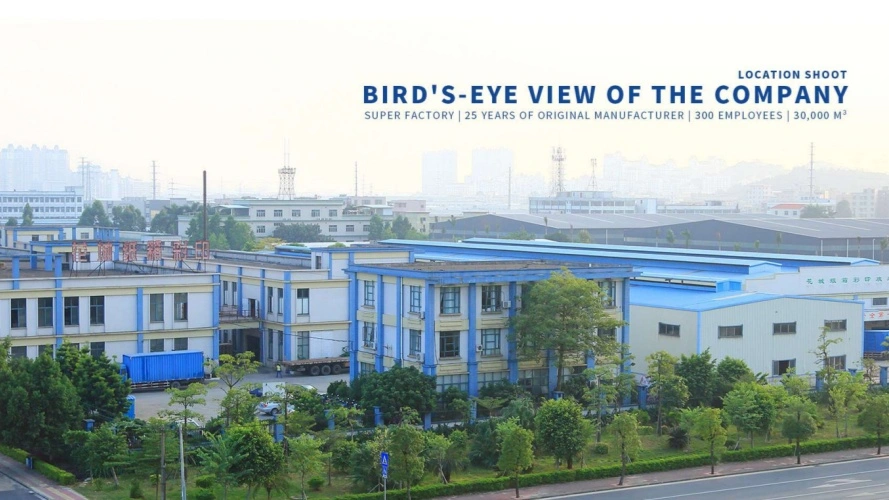
You need a manufacturing partner with technical know-how, quality standards, and dependable service to get packaging that protects your goods and raises your brand's profile. Fetching Printing has been in the package business for more than 20 years and has a 50,000-square-meter building with high-tech equipment like KBA and Heidelberg printing systems, automatic production lines, and a wide range of finishing options. Our ISO9001, ISO14001, FSC, and G7 certifications show that we care about quality, being good to the earth, and keeping the colors that foreign brands want. Whether you're a packaging engineer laying out technical requirements, a procurement manager comparing suppliers, or a brand director looking to stand out through high-end presentation, our team can help you from the design consultation to the final manufacturing. Email us at public@fetchingprinting.com right now to talk about your custom product box needs, get samples, and get prices from a reliable provider ready to help you succeed in a market full of competitors.
References
1. Robertson, Gordon L. Food Packaging: Principles and Practice. 3rd ed. CRC Press, 2012.
2. Klimchuk, Marianne R., and Sandra A. Krasovec. Packaging Design: Successful Product Branding From Concept to Shelf. 2nd ed. Wiley, 2013.
3. Soroka, Walter. Fundamentals of Packaging Technology. 5th ed. Institute of Packaging Professionals, 2014.
4. Twede, Diana, and Susan E. M. Selke. Cartons, Crates and Corrugated Board: Handbook of Paper and Wood Packaging Technology. 2nd ed. DEStech Publications, 2014.
5. Hanlon, Joseph F., Robert J. Kelsey, and Hallie E. Forcinio. Handbook of Package Engineering. 4th ed. CRC Press, 2019.
6. Yam, Kit L., editor. The Wiley Encyclopedia of Packaging Technology. 3rd ed. Wiley, 2009.

Based on your location and order quantity, you will have the opportunity to receive a limited time free shipping promotion!
Corporate Purpose