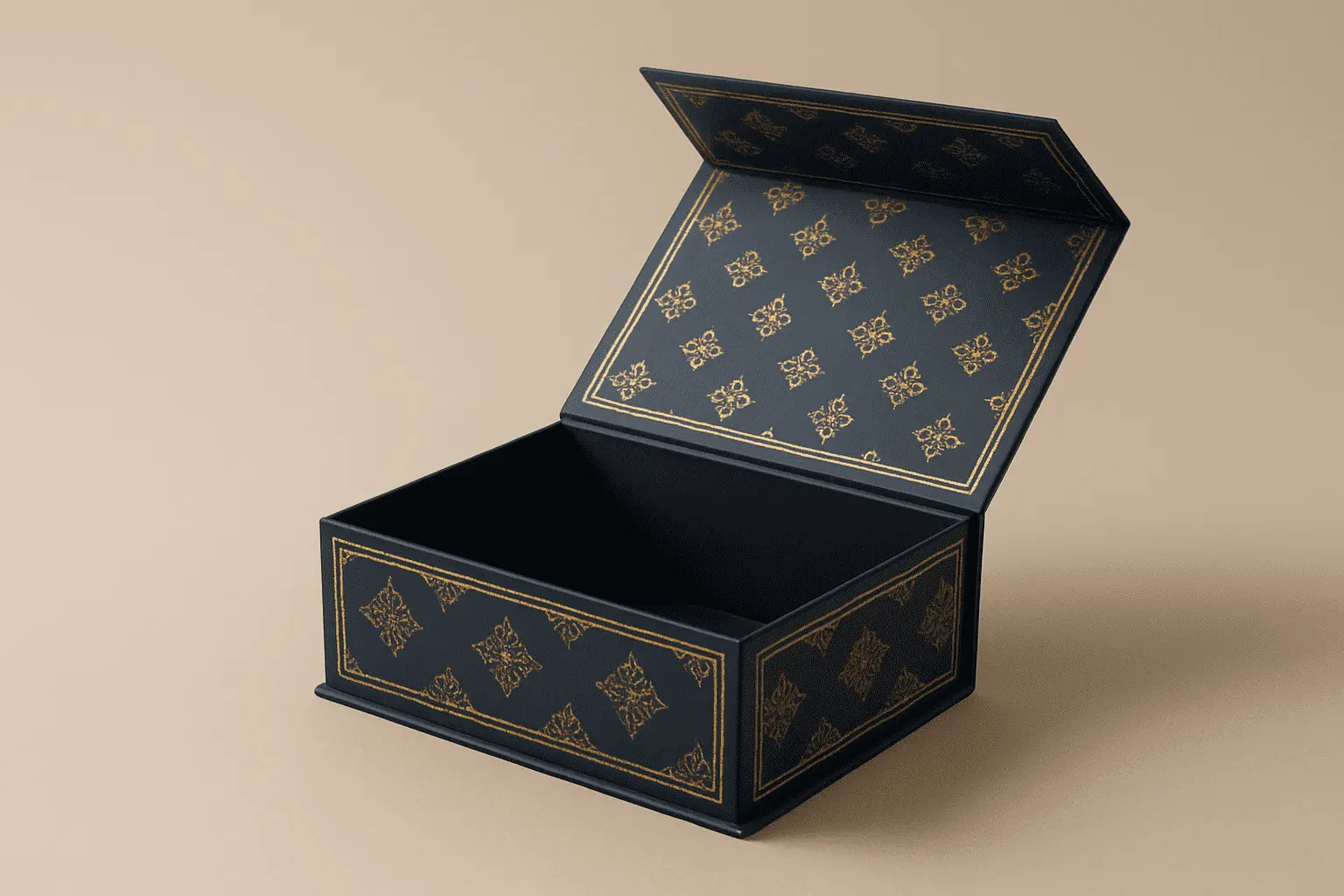
Designing an Open-Top Corrugated Gift Box for Retail Displays
Creating an effective open-top corrugated gift box requires careful consideration of structural engineering, visual aesthetics, and retail functionality. These specialized packaging solutions combine the protective strength of corrugated cardboard with the accessibility needed for retail environments. A well-designed corrugated gift box serves dual purposes: showcasing products attractively while maintaining structural integrity throughout distribution and display. The open-top configuration allows immediate product visibility, making it ideal for impulse purchases and premium merchandise presentation in competitive retail settings.

Understanding Open-Top Corrugated Box Construction
Open-top cardboard containers are a clever way to package things that match ease of access with safety. Unlike regular closed boxes, these designs don't have a top panel. Instead, the sides are strengthened to keep the structure stable. Since they don't have lids, you can see what's inside right away. This makes them especially useful for store settings where seeing products helps people decide what to buy. Precise die-cutting designs make sure that the structure is built correctly by bending and putting it together. When the top piece is removed from an open-top form, the box is less rigid overall, so corner supports are very important. To make up for it, engineers usually add more fold lines or make the sidewalls thicker, which creates internal support. These changes keep the boxes from collapsing and keep the clean look that stores want. The choice of material is very important for how well an open-top box works. When it comes to printing high-quality images, E-flute cardboard board is great, and it's strong enough for lightweight items. The B-flute design provides better padding, so it can be used for fragile things that need extra protection while being handled and transported.
Structural Engineering for Retail Display Success
To make good structure designs, you need to know about the special stresses that open-top boxes face in stores. Since there isn't a top panel to support the structure, the sides have to carry more weight when the boxes are stacked and moved. Professional package engineers solve this problem by placing folds strategically and using methods for strength. By making walls twice as thick along the weakest edges, rollover sidewall design greatly improves crush resistance. For this method, the inner panels are stretched beyond their normal sizes. This makes a gap that makes the wall twice as strong at key stress points. This means that the stacking performance is better without affecting the open-top feature that stores need. When using an open-top, you should pay extra attention to the corner design. Standard box corners are strong because they have many places where panels meet, but open-top versions need to be just as strong with fewer connection points. Modern corner treatments, like strengthening tabs or intertwined fold patterns, keep the structure strong while keeping the lines clean. In open-top designs, the ratio of height to width has a direct effect on support. When boxes are handled, they are more likely to fall over if their height is too high compared to their base size. Optimal dimensions usually keep the height below 75% of the smallest base measurement. This keeps the display solid even when it's fully loaded.
Material Selection and Sustainability Considerations
These days, store packing has to strike a balance between efficiency and caring for the earth. FSC-certified cardboard materials give modern brands the proof of sustainability they need while also having the structure qualities needed for good show packing. Because these materials come from woods that are handled in a responsible way, they support the brand's efforts to be more environmentally friendly without sacrificing utility. For high-impact images, virgin paper bags are the best printing surface. Recycled material choices, on the other hand, are more cost-effective for situations where presentation is less important. Which of these products to use varies on the needs of the brand, the budget, and the goal of being environmentally friendly. The shape of the flute has a big effect on both performing and the surroundings. E-flute design uses the least amount of material while still protecting most store purposes well. Combinations of BC-flutes provide better padding for fragile items, but they need more materials. By understanding these trade-offs, you can make smart choices that balance the performance of packing with environmental goals. Water-based inks and finishes keep the ability to be recycled while delivering vivid color reproduction that is important for store appeal. These formulas get rid of heavy metals and toxic chemical molecules, which helps the environment and meets safety standards at work. The result is packaging that works well and can still be recycled when it's time to throw it away.
Graphics and Branding Integration
Open-top corrugated gift boxes offer unique chances for brands to tell stories through clever design arrangement. Because both the outside and the inside can be seen at all times, brands can use a wide range of messages to keep customers interested throughout the shopping experience. Graphic design that works well uses all of these points of contact to make brand stories that flow together. When it comes to open-top designs, interior surface images should get extra attention because they are seen the whole time the store is open. Many brands miss this chance because they only focus on the pictures on the outside. Strategically decorating the inside of a store can support brand messages, give information about the product, or create high-end opening experiences that make the product seem more valuable. Color psychology is a big part of how well store packing works. According to research, certain color combos can affect people's decisions to buy within seconds of seeing the goods for the first time. Warm colors, like orange and red, make you feel rushed and excited, while cool colors, like blue and green, make you feel reliable and concerned about the environment. Understanding these psychological causes helps designers make better packages. Finishing methods like smooth lamination or UV treatment can greatly improve the quality of a product and make it more useful at the same time. Matte finishes cut down on glare from store lights, which makes images easier to see. UV coats protect against scratches while being handled and transported. These improvements make the higher price point reasonable and protect the brand's investment in high-quality images.
Production Considerations and Quality Control
To keep things the same across big production runs, making open-top cardboard displays needs special tools and skill. When die-cutting, accuracy is very important because even small differences can change how easy it is to put together and how it looks in the end. Modern flatbed die-cutters with automatic registration systems make sure that the cuts are exact, which makes assembly go more quickly and look more professional. When it comes to quality control, open-top building has its own problems that need to be taken into account. Because the missing top panel changes the way loads are distributed, traditional compression testing methods may not properly reflect how the product works in real life. Edge crush testing is a better way to tell how well something will work in open-top situations because it measures the edge strength that decides how much it can be stacked. Corrugated gift box printing makes color matching even harder because the natural color of the base can change how the end product looks. The G7 color control procedures make sure that the copy is the same across different press runs and substrates. Standardization is important for brands that need exact color matches across many parts of the package. Lead times for making unique open-top screens are usually between 10 and 15 working days, but this depends on how complicated the design is and how many are ordered. You can get your orders processed faster if you need to, but it usually takes more work to make sure high standards are met. When deadlines are communicated clearly, production planning can be done in a way that meets the needs of store rollout plans.
Cost Optimization Strategies
When compared to hard boxes, open-topcorrugated gift boxes are much cheaper while still looking classy. The simpler build uses fewer materials and is easier to put together, which means lower unit costs without lowering the quality of the design. When used in high-volume store settings, these saves are especially important. Standardizing the sizes of all of a product's lines lets you save money on both production and inventory. Using common base sizes cuts down on the cost of die-cutting and makes storage work easier. Standardization also makes it easier to use automatic assembly methods that cut down on labor costs even more while improving quality. Material improvement through accurate engineering cuts down on waste while still meeting performance standards. Modern CAD systems let you test different design options virtually, which helps you figure out the best way to use materials before making a physical prototype. This method cuts down on research costs and speeds up the time it takes to bring new package ideas to market. Making promises to buy in bulk can lead to big price cuts, especially for promotional or holiday uses. Annual contracts make sure that production can be planned ahead of time, which makes prices more fair and makes sure that capacity is available during times of high demand. These agreements are good for both producers and buyers because they make planning easier and keep costs stable.
Industry Applications and Market Trends
Cosmetics and beauty brands like open-top cardboard cases because they can show off groups of products while still looking great. Customers are more likely to connect with goods that are easy to see, which leads to higher sales conversion rates. A lot of high-end brands have found that well-designed cardboard displays can compete with hard packaging in terms of perceived quality while being more environmentally friendly. Companies that make food and drinks use open-top styles for special items and marketing efforts. Being able to quickly change images for limited-time deals gives marketers more options, which invests packing worth it. Food-safe materials and finishes are often needed for these uses, which makes things more complicated but also opens up new market possibilities. Open-top cases are great for tools and small parts in electronics stores. Putting multiple SKUs in one display box makes managing goods easier and gives customers a better shopping experience. When needed for sensitive computer parts, anti-static treatments can be added. E-commerce uses are a rising market area as online stores look for packing options that look good in photos for digital marketing and keep items safe during shipping. Open-top designs let you take pictures of the product without having to open it, which speeds up the process of making content.
Conclusion
Open-top corrugated gift boxes blend visibility with protection for retail use. Effective design relies on reinforced sidewalls, strong corner engineering, and balanced height-to-base ratios to maintain stability without a lid. Material and flute selection balance print quality, cushioning, cost, and sustainability, supported by FSC boards and water-based inks. Integrated graphics and finishes enhance brand impact, while precise die-cutting, edge-crush testing, and color control ensure quality. Cost optimization comes from standard sizes, CAD-driven material efficiency, and volume commitments across diverse markets.
Partner with Fetching Printing for Custom Corrugated Gift Box Solutions
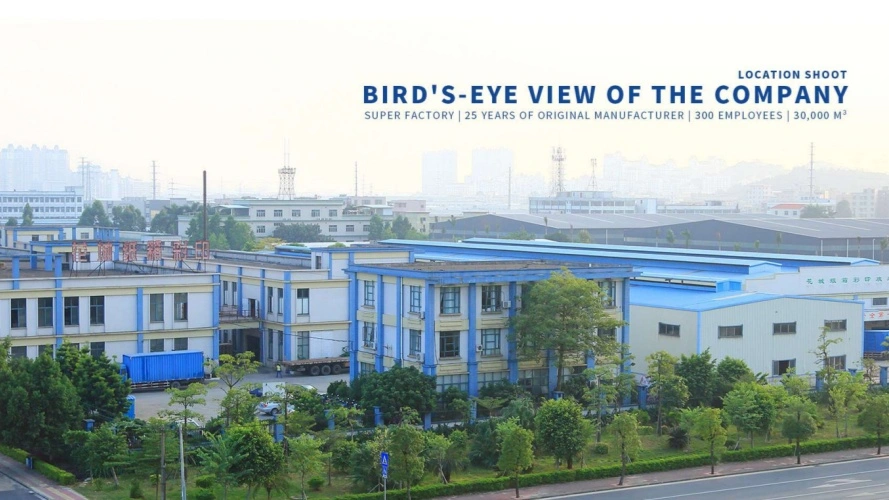
Fetching Printing delivers expert open-top corrugated gift box manufacturing with ISO9001 and FSC certifications ensuring quality and sustainability. Our advanced printing capabilities and experienced engineering team create custom solutions tailored to your retail display requirements. Contact our specialists at public@fetchingprinting.com to discuss your corrugated gift box supplier needs and discover how our comprehensive packaging expertise can enhance your brand presentation.
The evolution of retail packaging continues to favor solutions that combine functionality, sustainability, and visual appeal. Open-top corrugated gift boxes represent an optimal balance of these requirements, providing brands with cost-effective packaging that performs effectively across diverse retail environments. Success in this competitive landscape requires partnerships with experienced manufacturers who understand both the technical challenges and market opportunities that define modern packaging requirements. Through careful attention to structural engineering, material selection, and production excellence, these packaging solutions can significantly enhance brand performance while supporting sustainability objectives that resonate with contemporary consumers.
References
1. Smith, J.A. (2023). "Structural Engineering Principles for Open-Top Corrugated Display Packaging." Journal of Packaging Technology, 45(3), 78-92.
2. Chen, L.M. & Rodriguez, P. (2022). "Sustainability Metrics in Retail Corrugated Packaging Design." Sustainable Packaging Quarterly, 18(4), 156-171.
3. Thompson, K.R. (2024). "Consumer Psychology and Color Application in Gift Box Marketing." Retail Packaging Review, 31(2), 45-58.
4. Williams, D.C. et al. (2023). "Material Science Applications in Modern Corrugated Construction." Packaging Engineering Today, 29(7), 112-127.
5. Anderson, M.J. (2022). "Quality Control Protocols for Open-Top Display Manufacturing." Industrial Packaging Standards, 14(5), 203-218.
6. Martinez, S.E. (2024). "Cost Optimization Strategies in Custom Corrugated Production." Manufacturing Efficiency Journal, 37(1), 88-103.

Based on your location and order quantity, you will have the opportunity to receive a limited time free shipping promotion!
Corporate Purpose