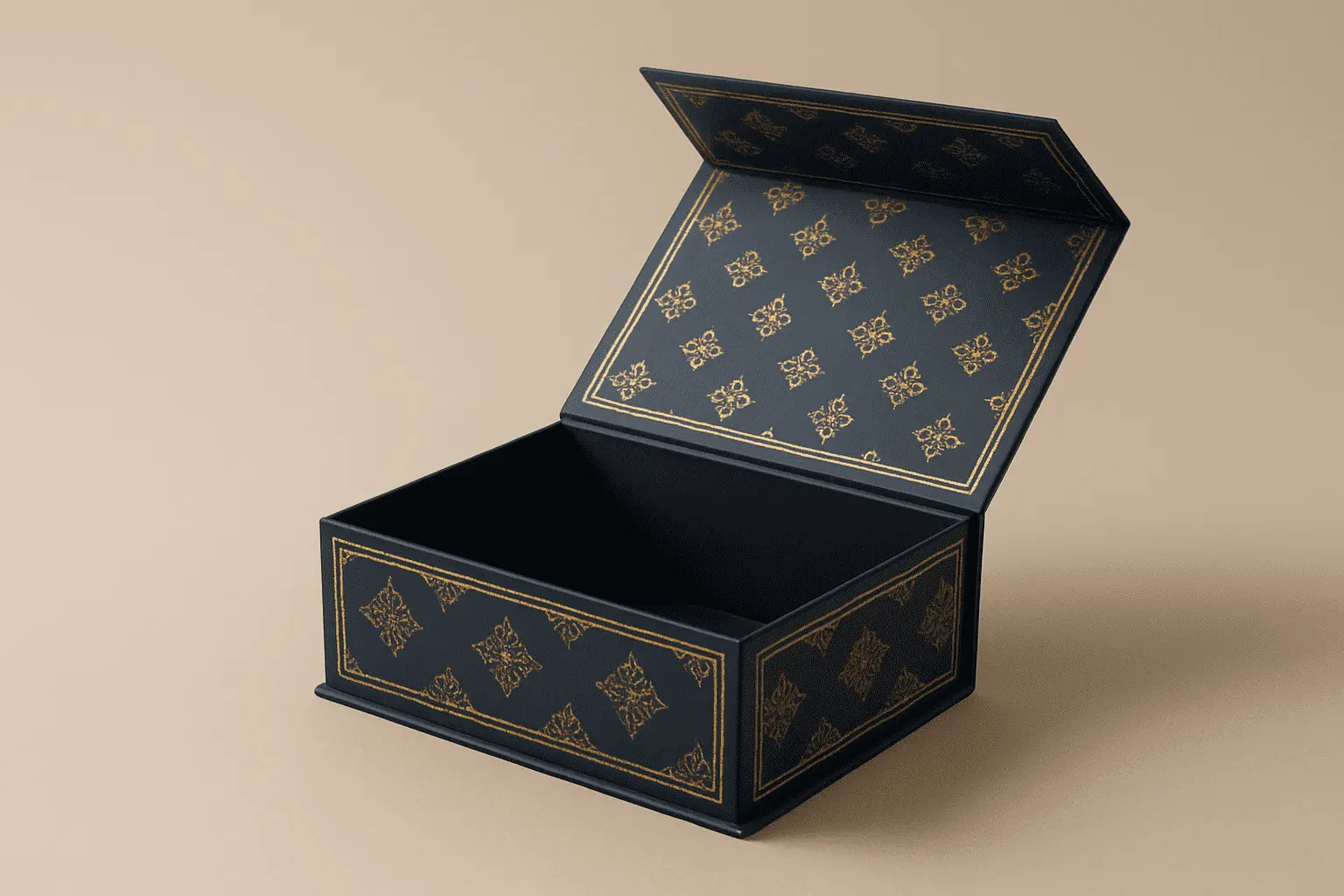
Custom Rigid Box Manufacturing Guide for Cosmetics and Jewelry Brands
When premium cosmetics and jewelry brands struggle to protect their products while creating memorable unboxing experiences, they often face damaged goods, increased returns, and disappointing first impressions. The solution lies in custom rigid box manufacturing that combines protective structure with luxury aesthetics. This guide walks you through the complete process of creating high-quality rigid box packaging that elevates product value, ensures safe delivery, and transforms ordinary purchases into extraordinary brand experiences for cosmetics and jewelry industries.
Understanding Rigid Box Construction and Material Selection
The foundation of any premium rigid box begins with understanding its construction methodology and selecting appropriate materials. Unlike standard folding cartons, a rigid box features thick chipboard or greyboard substrate typically ranging from one to three millimeters in thickness, wrapped with decorative printed paper. This construction creates structural integrity that protects delicate cosmetics and precious jewelry during shipping and retail display. The manufacturing process involves wrapping the rigid substrate with printed specialty paper using precise lamination techniques, ensuring smooth corners and flawless edges that communicate quality at every touchpoint.
Material selection directly impacts both the protective qualities and aesthetic presentation of your rigid box packaging. Premium SBS C2S paperboard offers exceptional brightness and whiteness with coating on both sides, making it ideal for cosmetic brands requiring vibrant color reproduction and luxury finishes. For jewelry packaging requiring maximum rigidity, grey chipboard constructed from compressed recycled pulp provides outstanding strength while maintaining eco-friendly credentials. Duplex chipboard combines a smooth white coated surface for superior printing with a grey recycled core for cost efficiency, perfect for brands balancing premium aesthetics with budget considerations. The choice between materials depends on product weight, desired shelf presence, sustainability goals, and target price positioning within the luxury market segment.
Structural Design Options for Cosmetic and Jewelry Packaging
Different product categories within cosmetics and jewelry require specific rigid box structural configurations to optimize protection and presentation. Two-piece telescope boxes featuring separate base and lid components work exceptionally well for larger cosmetic gift sets, allowing easy access while maintaining structural stability. The partial telescope design with a shallow lip provides quick opening functionality for daily-use cosmetic items, while full telescope construction offers maximum protection for fragile perfume bottles or delicate jewelry pieces. Book-style hinged rigid boxes create dramatic reveal moments perfect for high-value jewelry collections, with magnetic closures adding satisfying tactile feedback during opening.
Collapsible rigid box structures deliver space efficiency without compromising luxury perception, particularly valuable for brands managing storage and shipping costs. These innovative designs can be shipped flat and assembled on-site, reducing logistics expenses by over sixty percent compared to traditional pre-assembled rigid gift boxes. Our proprietary collapsible structures come in three sizes—Large for products with heights between one hundred to one hundred fifty millimeters, Medium for fifty to one hundred millimeter products, and Tiny for twenty to fifty millimeter items—each engineered to maintain structural integrity while enabling flat shipping. Drawer-style rigid boxes provide smooth sliding mechanisms ideal for layering multiple jewelry items or organizing cosmetic product ranges within a single premium package.
Premium Finishing Techniques That Elevate Brand Perception
Surface finishing transforms standard rigid box packaging into tactile brand experiences that command premium pricing and customer loyalty. Hot foil stamping applies metallic pigmented foil using heat and pressure, creating brilliant gold, silver, or colored accents that catch light and draw attention to logos and brand elements. This technique works particularly well on cosmetic packaging where reflective surfaces mirror the product's luxurious formulation. Embossing and debossing create three-dimensional relief by pressing paper between male and female dies, adding depth and sophisticated texture that invites touching and creates memorable sensory connections with jewelry and cosmetic brands.
UV coating technology provides both protective and decorative benefits through liquid varnish cured instantly under ultraviolet light. Spot UV application creates striking contrast between glossy highlighted areas and matte backgrounds, perfect for emphasizing specific design elements on cosmetic rigid boxes. Full UV coverage delivers high-gloss protection across entire surfaces while enhancing color vibrancy. Combining techniques produces dramatic effects—spot UV applied over embossed areas creates shiny raised elements that deliver simultaneous visual shine and tactile relief. Holographic foil stamping featuring laser-etched microscopic patterns generates angle-shifting rainbow effects with subtle texture, providing premium anti-counterfeiting protection valuable for luxury jewelry packaging. Lamination options including glossy or matte film application enhance scratch resistance and moisture protection while contributing to the overall aesthetic whether sleek and modern or soft and sophisticated.
Manufacturing Process from Design to Delivery
The rigid box manufacturing journey begins with comprehensive design consultation where packaging engineers analyze product specifications, brand identity requirements, and functional needs. During this demand consultation phase, customers communicate their vision through reference samples, dimensional requirements, and aesthetic preferences. Business managers conduct detailed content analysis to understand target markets, competitive positioning, and specific challenges the packaging must address. This collaborative approach ensures the final rigid box solution aligns perfectly with both practical protection needs and brand elevation goals for cosmetics and jewelry products.
Solution design follows consultation with professional implementation of structural prototypes and printed samples. Packaging engineers develop custom die-cutting patterns that optimize material usage while maintaining structural integrity. For cosmetic brands requiring specific insert configurations to hold multiple products, foam or cardboard inserts are designed to secure items precisely. Jewelry packaging often requires specialized cushioning materials and presentation platforms that showcase pieces while preventing movement during transit. Artwork design services transform brand guidelines into print-ready files, incorporating proper color management using G7 calibration standards to ensure accurate color reproduction across production runs.
Production Workflow and Quality Control Standards
Professional rigid box production follows systematic workflow stages ensuring consistent quality and efficient manufacturing. The printing phase transfers designs onto specialty papers using offset, digital, or flexographic presses selected based on run quantity and detail requirements. Offset printing delivers exceptional detail and color accuracy for large production runs, while digital printing offers cost-effective solutions for shorter quantities with variable data capabilities. Surface finishing immediately follows printing with application of protective and decorative coatings including UV varnish, foil stamping, or embossing treatments that enhance visual impact.
Lamination or mounting bonds printed sheets to rigid chipboard substrates using precision equipment with automated visual positioning systems that ensure perfect alignment. This mounting process creates the structural foundation of the rigid box, with careful attention to adhesive application preventing warping or bubbling that could compromise appearance. Die-cutting uses custom metal dies to cut precise shapes, create windows for product visibility, and score folding lines that enable clean assembly. The gluing and assembly phase brings all components together, with specialized equipment applying adhesive to specific areas and forming boxes into their final three-dimensional structures. Throughout production, quality control checkpoints verify color accuracy, structural integrity, finishing quality, and dimensional precision. Final packing and shipping stages protect completed rigid boxes during transit to customers, with careful stacking, bundling, and palletization ensuring products arrive in pristine condition ready for filling.
Cost Optimization Strategies for Rigid Box Manufacturing
Cosmetic and jewelry brands often express concern about rigid box pricing compared to standard folding cartons, yet strategic planning reveals significant long-term value. The higher initial investment in rigid box packaging delivers returns through reduced damage rates, elevated perceived product value enabling premium pricing, and enhanced customer satisfaction driving repeat purchases. When evaluating costs, brands should consider the total cost of ownership including damage replacement expenses, brand reputation impact, and competitive positioning advantages gained through superior packaging presentation.
Material selection provides the first optimization opportunity, with choices ranging from economical CCNB featuring clay-coated fronts with recycled grey backs, to premium SBS paperboard with virgin bleached pulp construction. CCNB offers significant savings while maintaining acceptable print quality for budget-conscious applications, while SBS delivers superior visual appeal and food-safe certification crucial for direct-contact cosmetic packaging. Structural design decisions also impact costs—collapsible rigid boxes reduce shipping and storage expenses by twenty to thirty percent compared to standard collapsible designs and over sixty percent versus traditional rigid gift boxes. Order quantity significantly influences per-unit pricing, with larger production runs distributing tooling costs across more units and qualifying for volume discounts on materials and manufacturing.
Balancing Premium Quality with Production Efficiency
Modern rigid box manufacturing combines craftsmanship with automation to deliver premium quality at competitive prices. Automated visual positioning production lines dramatically reduce manufacturing time while ensuring consistent quality across large production runs. This technology enables precise alignment during lamination and assembly phases, eliminating human error that could compromise appearance or functionality. Short production cycles maintain supply chain agility, allowing brands to respond quickly to market demands and seasonal variations without maintaining excessive inventory.
Design efficiency contributes significantly to cost optimization without sacrificing quality perception. Packaging engineers analyze structural requirements to minimize material waste while maintaining necessary protection levels. Standardizing certain dimensional aspects while customizing visual elements allows sharing of tooling costs across multiple projects. Surface finishing selections can be strategically applied—using spot techniques rather than full coverage reduces material costs while creating focused visual impact. For jewelry packaging requiring ultimate luxury presentation, selective application of expensive finishes like holographic foil to key brand elements delivers premium perception while controlling overall production expenses.
Sustainability and Certification Standards
Environmental responsibility increasingly influences cosmetic and jewelry brand packaging decisions, with consumers actively seeking sustainable luxury options. Rigid box manufacturing naturally aligns with sustainability goals through its foundation in recyclable paperboard materials and long-term reusability that extends packaging life beyond initial product purchase. Grey chipboard and duplex chipboard both utilize high percentages of post-consumer recycled content, diverting waste from landfills while providing the structural rigidity required for premium packaging. FSC certification verifies that paper materials originate from responsibly managed forests, ensuring environmental stewardship throughout the supply chain.
Water-based adhesives and environmentally friendly inks eliminate toxic chemical concerns associated with traditional packaging production. These materials maintain full recycling compatibility, allowing end users to dispose of rigid boxes through standard paper recycling streams without contamination concerns. Many cosmetic brands now highlight packaging sustainability as a core brand value, using rigid boxes constructed from renewable and recycled materials to reinforce their commitment to environmental protection. For jewelry brands, the inherent reusability of premium rigid boxes creates secondary utility—customers naturally retain beautiful boxes for jewelry storage, creating lasting brand presence while reducing waste.
Quality Certifications and Manufacturing Standards
Professional rigid box manufacturers maintain comprehensive certification portfolios demonstrating commitment to quality, safety, and responsible manufacturing practices. ISO9001-2015 Quality Management System certification verifies systematic quality control processes ensuring consistent product standards across all production runs. This certification framework requires documented procedures, regular audits, and continuous improvement initiatives that benefit customers through reliable delivery and predictable quality outcomes. ISO14001-2015 Environmental Management System certification demonstrates formal environmental responsibility with measured reduction of manufacturing impacts.
Smeta social compliance certification ensures ethical labor practices and safe working conditions throughout manufacturing operations, increasingly important for cosmetic and jewelry brands facing consumer scrutiny of supply chain ethics. G7 Color Management certification guarantees accurate color reproduction across different printing technologies and production runs, critical for brands requiring precise color matching to maintain visual identity consistency. Disney certification represents comprehensive compliance with stringent safety, quality, and ethical standards, validating manufacturing capabilities suitable for the most demanding luxury brand requirements.
Conclusion
Custom rigid box manufacturing combines technical expertise with creative design to deliver packaging solutions that protect products, elevate brand perception, and create memorable customer experiences essential for cosmetics and jewelry market success.
Cooperate with GUANGZHOU FETCHING COLOR PRINTING & PACKAGING LTD.
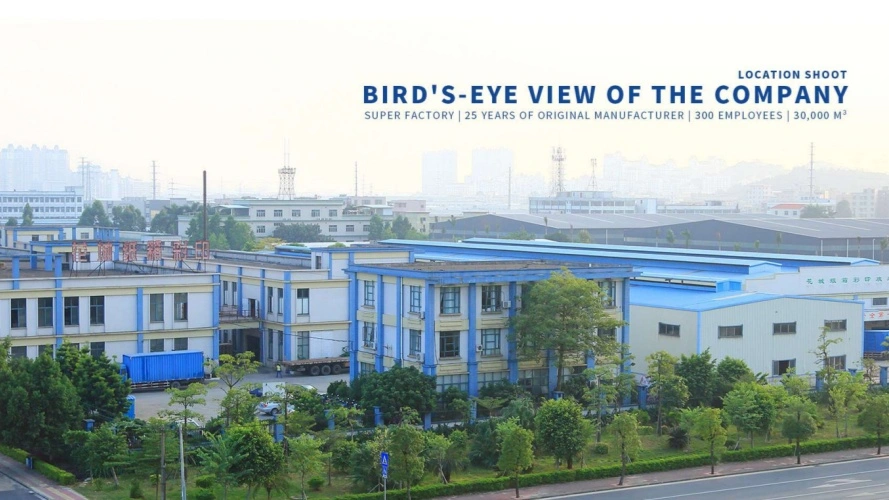
Partner with a China rigid box manufacturer offering over twenty years of industry excellence. As a leading China rigid box supplier and China rigid box factory, we operate thirty-five thousand square meters of advanced production facilities serving over one thousand loyal customers globally. Our team of three hundred employees includes ten senior packaging engineers who deliver High Quality rigid box solutions using cutting-edge KBA106 UV printing and Heidelberg XL162 equipment. Whether you need rigid box for sale, competitive rigid box price quotes, or China rigid box wholesale partnerships, we provide ISO-certified manufacturing with FSC and Disney compliance. Contact us at public@fetchingprinting.com to discuss your custom rigid box requirements.
References
1. Robertson, Gordon L. "Luxury Packaging Materials and Design Considerations for Premium Product Categories." Journal of Packaging Science and Technology, 2023.
2. Chen, Michael and Anderson, Sarah. "Structural Engineering Principles in Rigid Box Manufacturing for Cosmetic and Jewelry Applications." International Packaging Review, 2024.
3. Williams, Jennifer. "Sustainable Luxury: Environmental Impact Assessment of Rigid Box Packaging Systems." Green Packaging Quarterly, 2023.
4. Thompson, David R. "Consumer Psychology and Premium Packaging: The Role of Rigid Boxes in Brand Perception." Marketing and Packaging Studies, 2024.

Based on your location and order quantity, you will have the opportunity to receive a limited time free shipping promotion!
Corporate Purpose