Custom Paper Bag Pricing Guide from China Manufacturers
Are you tired of overpaying for packaging that doesn't match your brand vision? Many businesses struggle to find the sweet spot between quality and cost when sourcing custom paper bags from China. This comprehensive guide reveals how pricing works, what factors drive costs, and how to maximize value from Chinese paper bag manufacturers. Whether you're a startup seeking affordable retail packaging or an established brand looking to optimize procurement, understanding the pricing landscape helps you make smarter sourcing decisions and protect your bottom line.
Understanding Paper Bag Pricing Structures from Chinese Suppliers
When sourcing custom paper bags from China, pricing isn't simply about the cheapest quote. Multiple variables interact to determine your final cost, and savvy buyers understand these dynamics before requesting quotations. Chinese paper bag manufacturers typically calculate prices based on material selection, order quantity, customization complexity, and production timelines. Volume plays a crucial role—orders above 5,000 units usually unlock significant per-unit savings compared to smaller runs. Material costs fluctuate based on global pulp prices, so timing your orders strategically can yield substantial savings. Premium materials like virgin SBS paperboard naturally command higher prices than recycled CCNB, but the perceived value they deliver may justify the investment for luxury brands. Surface treatments such as UV coating, embossing, or foil stamping add incremental costs but dramatically enhance shelf appeal. Understanding these pricing levers helps you negotiate effectively and design packaging specifications that balance aesthetics with budget realities.
Material Selection Impact on Paper Bag Costs
The foundation of any paper bag pricing estimate starts with material choice, and this decision ripples through every aspect of your project cost. SBS C1S and C2S paperboard deliver pristine white surfaces ideal for vibrant printing but typically cost 20-35% more than CCNB alternatives. These premium materials offer exceptional printability and structural integrity, making them perfect for cosmetics, electronics, and high-end retail applications. CCNB provides an economical middle ground with decent print quality and adequate strength for most retail scenarios, though its grey backing makes it unsuitable for bags requiring interior printing. Brown kraft paper appeals to eco-conscious brands seeking authentic, rustic aesthetics while maintaining competitive pricing—its natural fibers provide excellent tear resistance and biodegradability. Metallic paper commands premium pricing but creates unforgettable unboxing experiences that justify the investment for luxury goods and special occasions. Each material brings distinct characteristics affecting not just cost but also printing capabilities, structural performance, and environmental credentials. Requesting material samples before committing to large production runs helps ensure your choice aligns with both quality expectations and budget constraints.
Customization Features That Influence Pricing
Customization transforms generic paper bags into powerful brand ambassadors, but each enhancement carries cost implications that buyers must carefully evaluate. Handle selection significantly impacts pricing—twisted paper handles offer economical functionality, cotton rope handles add comfort and premium perception at moderate cost, while satin ribbon handles deliver luxury appeal with corresponding price increases. Die-cut handles integrated directly into the bag structure provide cost-effective elegance by eliminating separate handle materials and assembly steps. Printing method selection dramatically affects unit economics—CMYK process printing handles complex graphics and photography efficiently for medium to large runs, while Pantone spot colors ensure brand color accuracy crucial for maintaining consistent corporate identity. Surface finishing techniques like matte or gloss lamination, spot UV highlighting, embossing, and foil stamping create tactile and visual interest but require additional production steps and specialized equipment. Structural complexity matters too—bags with reinforced bottoms, gussets, or intricate folding patterns demand more labor and precise manufacturing, translating to higher per-unit costs. Smart buyers prioritize customization elements that deliver maximum brand impact relative to their incremental cost, focusing budget on features customers actually notice and value.
Minimum Order Quantities and Volume Pricing Dynamics
Chinese paper bag manufacturers operate with MOQ requirements that reflect their production efficiency and setup costs, typically ranging from 1,000 to 5,000 units depending on customization complexity. Understanding these thresholds helps buyers plan procurement strategies that maximize value. Lower MOQs often carry higher per-unit prices because setup costs—including die creation, plate preparation, and machine calibration—get distributed across fewer units. Once production runs exceed MOQ thresholds, unit economics improve dramatically through economies of scale. For instance, ordering 10,000 bags instead of 5,000 might reduce per-unit costs by 15-25%, while jumping to 50,000 units can slash prices by 40% or more compared to MOQ pricing. However, buyers must balance volume savings against inventory carrying costs, storage requirements, and design flexibility. Brands launching new products or testing markets often start with MOQ orders to minimize risk, then scale up once demand patterns clarify. Established brands with predictable volume should consolidate orders and negotiate annual contracts securing volume pricing without requiring single massive shipments. Some manufacturers offer flexible MOQs for repeat customers or when combining multiple SKUs in a single production window, so relationship building pays dividends beyond individual transactions.
Price Breaks and Quantity Tiers
Most China paper bag suppliers structure pricing in tiers that reward larger commitments with progressively better rates. A typical tier structure might offer one price for 1,000-4,999 units, a reduced rate for 5,000-9,999 units, further savings at 10,000-24,999 units, and the best pricing above 25,000 units. These breaks reflect manufacturing realities—longer production runs amortize setup costs more effectively and allow factories to optimize material purchasing, scheduling, and logistics. Buyers should always request complete tier pricing during quotation to identify sweet spots where modest quantity increases unlock disproportionate savings. Sometimes ordering an additional 1,000 units drops the per-unit price enough to make the total investment nearly identical while providing valuable safety stock. Progressive buyers coordinate with marketing and sales teams to forecast annual requirements accurately, then structure orders to hit advantageous tier thresholds. When working with China paper bag manufacturers, transparency about volume expectations helps suppliers offer creative solutions—perhaps combining seasonal variations into a single annual contract or warehousing inventory for staggered releases. Understanding your supplier's production scheduling and capacity utilization also creates negotiation opportunities, as manufacturers often offer better pricing for orders filling otherwise idle production windows.
Material Options and Their Cost-Value Propositions
Selecting the right paper stock for your bags requires balancing aesthetic goals, functional requirements, and budget realities. Each material category serves distinct market positioning and use case scenarios. Premium SBS paperboards provide bright white surfaces, excellent rigidity, and superior printability that make them ideal for luxury packaging where visual impact justifies premium pricing. Their virgin fiber content ensures purity suitable for food contact applications and enables specialty finishes like embossing and foil stamping. CCNB delivers reliable performance at competitive prices, making it popular for mainstream retail, consumer electronics, and footwear packaging where cost control matters but quality can't be sacrificed. Its recycled content appeals to sustainability-focused brands, though the grey backing limits design flexibility. Brown kraft paper brings natural charm and environmental credentials that resonate with organic, artisanal, and eco-conscious brands—its authentic texture and earth tones communicate values before customers even read your messaging. Metallic papers create memorable experiences through dramatic visual impact, justifying their higher costs for gift packaging, cosmetics, and products where luxury perception drives purchasing decisions. When evaluating materials with China paper bag suppliers, request samples demonstrating how each substrate performs with your intended printing techniques and finishing processes. The cheapest material that can't deliver your design vision wastes money, while overspending on unnecessary premium features erodes margins without benefiting customers.
Environmental Certifications and Price Implications
Sustainability credentials increasingly influence material selection as consumers and regulations demand responsible packaging choices. FSC certification guarantees paper originates from responsibly managed forests, providing assurance that resonates with environmentally conscious customers despite adding modest cost premiums typically ranging from 5-15% depending on material type and supplier. Many China paper bag manufacturers maintain FSC chain-of-custody certification enabling them to source, process, and document certified materials throughout production. Recyclable materials like kraft paper and paperboards naturally align with circular economy principles without requiring special certifications, offering environmental benefits at competitive pricing. Biodegradable options break down naturally, reducing environmental persistence compared to plastic alternatives. Some manufacturers offer paper bags made from agricultural waste fibers or recycled content, providing compelling sustainability stories that differentiate brands in crowded markets. When requesting quotes from China paper bag wholesale suppliers, specify desired certifications upfront so pricing accurately reflects compliant materials and documentation. Authentic certifications require verification and documentation that add administrative overhead, so be prepared for slightly higher costs compared to non-certified equivalents. However, these investments pay dividends through brand reputation, regulatory compliance, and appeal to values-driven consumers increasingly willing to pay premiums for verifiable environmental responsibility.
Production Process and Lead Time Considerations
Understanding how paper bags move from design concepts to finished products helps buyers set realistic timelines and identify cost-saving opportunities. Production begins with printing, where offset, digital, or flexographic presses transfer designs onto paper stock. Offset printing delivers exceptional quality and color consistency for medium to large runs, though setup costs make it less economical for small quantities. Digital printing eliminates setup time and plate costs, making it ideal for short runs, personalization, or testing designs before committing to volume production. Surface finishing comes next, applying coatings, laminates, or specialty treatments that enhance appearance and durability. These processes require drying time and careful handling to maintain quality. Die-cutting then shapes the printed sheets using custom-made steel rule dies that precisely cut, score, and perforate according to bag specifications. Die creation represents a one-time investment typically ranging from $100-300 depending on complexity, an important consideration when planning multiple SKUs. Gluing and assembly transform flat die-cut pieces into three-dimensional bags through carefully controlled folding and adhesive application. This stage often involves both automated machinery and hand assembly depending on bag complexity and order volume. Finally, packing and shipping prepare finished bags for transit, with careful attention to protecting print surfaces and maintaining structural integrity during handling. Standard lead times typically span 15-30 days from order confirmation to factory departure, though rush services can compress timelines at premium pricing when circumstances demand faster delivery.
Optimizing Production Efficiency for Cost Savings
Smart buyers collaborate with China paper bag suppliers to design packaging specifications that balance aesthetic goals with manufacturing efficiency. Simple structural designs with standard dimensions require less setup time, reduce material waste, and move through production faster than complex custom shapes. When possible, aligning bag dimensions with standard paper sheet sizes minimizes trim waste that drives up material costs without adding value. Print designs optimized for the chosen production method—whether offset, digital, or flexo—yield better results at lower costs than designs requiring specialized techniques or excessive color matching. Consolidating orders for multiple SKUs within single production runs lets factories optimize scheduling and material purchasing while reducing per-unit setup cost allocation. Providing complete, production-ready artwork files in correct formats prevents delays and revision charges that inflate final costs. Building relationships with manufacturers enables frank discussions about design modifications that might preserve your vision while improving production efficiency—sometimes minor adjustments invisible to end customers generate significant savings. Buyers should also communicate clearly about quality tolerances, as overly tight specifications drive up rejection rates and costs while more realistic standards achieve acceptable quality at better economics.
Quality Control and Pricing Transparency
Reputable China paper bag manufacturers maintain rigorous quality systems ensuring consistent output that meets specifications and expectations. ISO 9001 certification demonstrates commitment to systematic quality management, with documented processes, regular audits, and continuous improvement protocols. G7 color management certification proves capability to maintain precise color accuracy across production runs, critical for brands requiring consistent visual identity. These certifications require ongoing investment in training, equipment calibration, and documentation, but they protect buyers from quality surprises that damage brand reputation and create costly rework situations. During production, multi-stage inspection catches issues early when correction costs less than discovering problems after completion. Initial material inspection verifies incoming paper stock meets specifications before processing begins. In-process monitoring during printing, finishing, and assembly ensures parameters remain within tolerances. Final inspection examines finished bags for print quality, structural integrity, and overall appearance before packing. Leading manufacturers welcome buyer inspection visits or third-party quality audits, demonstrating confidence in their processes and commitment to transparency. When evaluating quotes from paper bag suppliers, consider quality assurance capabilities alongside pricing—apparent savings from rock-bottom quotes often evaporate when dealing with defects, inconsistency, or communication challenges. Pricing transparency should extend beyond unit costs to encompass all fees including tooling, setup charges, shipping, and any potential revision costs so buyers can accurately compare total project costs across suppliers.
Strategic Sourcing from Chinese Paper Bag Manufacturers
Successfully sourcing custom paper bags from China requires more than identifying the lowest quote. Strategic buyers evaluate potential partners holistically, considering manufacturing capabilities, quality systems, communication effectiveness, and alignment with business values. Factory size and employee count indicate production capacity and ability to scale with your business growth. Modern equipment like advanced printing presses, automated die-cutting machinery, and efficient assembly lines signal investment in quality and productivity. Experience serving your industry provides valuable insights into packaging requirements, regulatory considerations, and performance expectations specific to your product category. Certifications demonstrate commitment to environmental responsibility, social compliance, and operational excellence that protect your brand reputation. Requesting factory visits or virtual tours helps verify capabilities and build confidence before placing significant orders. Starting with smaller trial orders lets you evaluate quality, communication, and reliability before committing to volume contracts. Building long-term relationships with reliable China paper bag manufacturers creates mutual benefits—suppliers gain predictable volume while buyers secure priority service, technical support, and preferential pricing. Geographic proximity to major ports influences shipping costs and transit times, factors worth considering when comparing suppliers from different Chinese regions. Ultimately, the best supplier balances competitive pricing with reliable quality, responsive service, and operational practices aligned with your company values and brand promise.
Conclusion
Navigating custom paper bag pricing from Chinese manufacturers requires understanding material options, volume dynamics, customization impacts, and production processes. Armed with these insights, buyers can specify packaging that balances quality, aesthetics, and cost-effectiveness while building supplier relationships that support long-term business growth and brand success.
Cooperate With GUANGZHOU FETCHING COLOR PRINTING & PACKAGING LTD.
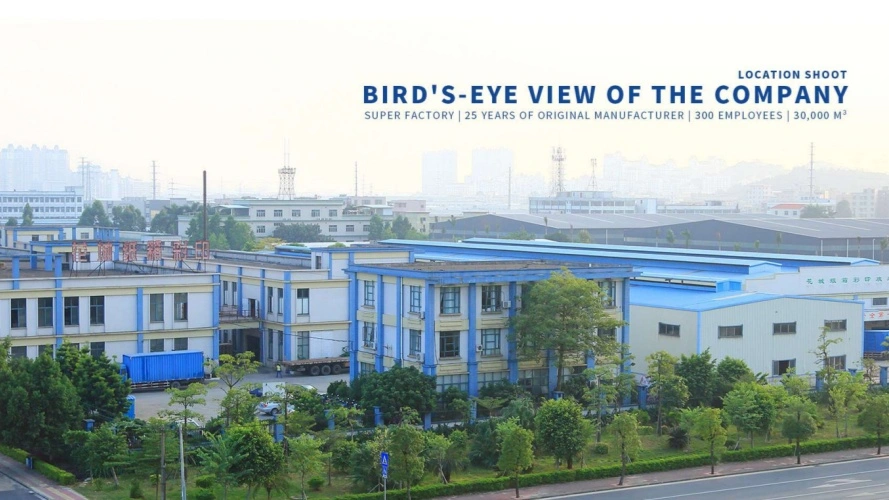
Since 1999, Guangzhou Fetching Color Printing & Packaging Ltd. has delivered premium packaging solutions across a 50,000㎡ facility with 300+ skilled employees. Our advanced equipment including KBA106 UV and Heidelberg XL162-6L presses, combined with ISO14001, ISO9001, FSC, and Disney certifications, ensures exceptional quality. We serve food, cosmetics, electronics, and personal care industries with comprehensive solutions from concept to delivery. Our experienced R&D team offers expertise in material innovation, structural design, and process optimization. As your trusted China paper bag manufacturer and China paper bag supplier, we provide competitive paper bag prices without compromising quality. Our China paper bag factory specializes in China paper bag wholesale for businesses seeking high quality paper bags for sale. Whether you need branded retail bags, gift packaging, or promotional materials, our paper bag solutions deliver exceptional value. Contact us at public@fetchingprinting.com to discuss your requirements. Your success is our success—let's create packaging that elevates your brand and delights your customers.
References
1. "Sustainable Packaging Materials and Technologies for the Food and Beverage Industry" - Smith, J. & Chen, L., International Journal of Packaging Technology
2. "Cost Analysis and Procurement Strategies for Manufacturing in China" - Williams, R., Global Supply Chain Management Quarterly
3. "Environmental Impact Assessment of Paper-Based Packaging Solutions" - Thompson, M. & Zhang, H., Journal of Cleaner Production
4. "Quality Management Systems in Chinese Manufacturing: Standards and Compliance" - Anderson, P., Asia-Pacific Business Review

Based on your location and order quantity, you will have the opportunity to receive a limited time free shipping promotion!
Corporate Purpose