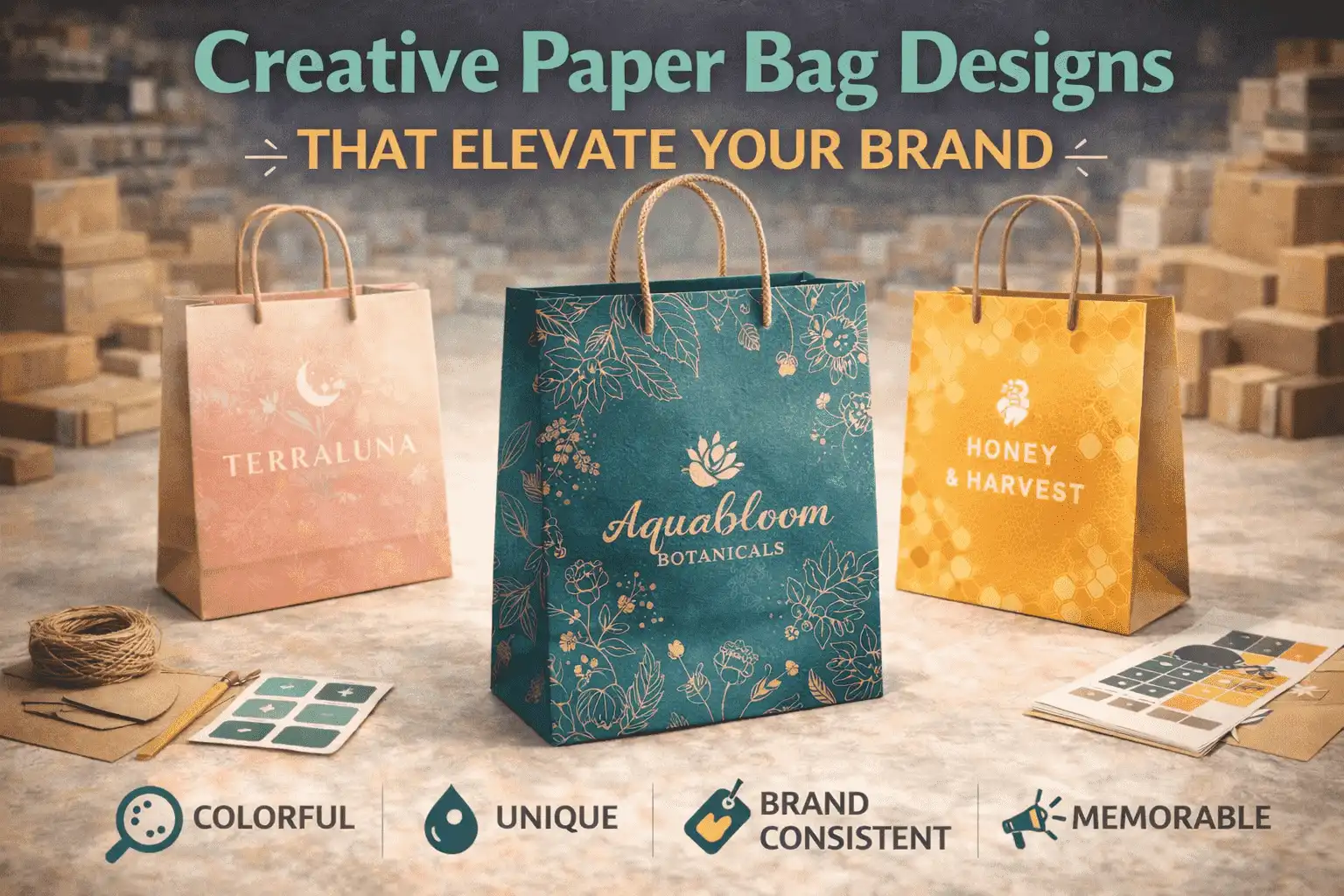
Creative Paper Bag Designs That Elevate Your Brand
In today's shopping world, where competition is high, packaging acts as a quiet ambassador for your business. When custom shopping bags are carefully thought out and made, they become powerful marketing tools that go far beyond their original purpose. A well-made Paper bag can turn a simple exchange into an unforgettable brand experience. This makes every customer a living advertisement for your business. These cases are good for the environment and can be designed in a lot of different ways. They let B2B buyers in retail, e-commerce, and specialty markets quickly show what their brand stands for. When carefully planned with care for the choice of material, printing methods, and new building techniques, these carriers become more than just containers. They become important touchpoints that build brand recognition, reinforce quality perceptions, and encourage customer loyalty in a way that single-use plastic alternatives just can't match.
Understanding Paper Bags and Their Role in Brand Elevation
Understanding what makes these carriers so useful for building brands is the first step in making a good packing plan. Paper bag packaging options, on the other hand, naturally show concern for the environment, which is becoming more and more important to modern customers who choose what to buy based on sustainability principles.
Materials That Match Your Brand Identity
Choosing the right base sets the tone for how your business is presented as a whole. Brands that focus on natural ingredients or handmade work will like the real, natural look that Brown Kraft paper gives off. It's perfect for organic food stores, farmers' markets, and eco-friendly shops because its untreated fibers give it great tensile strength while still being fully recyclable. The natural texture gives it an honest, casual feel that people connect with quality and openness.
Some types of premium white paperboard, like SBS C1S and SBS C2S, have great printing surfaces for brands that need to show off bright colors and a high level of visual sophistication. These materials made from fresh fibers have the strength needed for high-end stores, and they can be finished in unique ways that show they are expensive. The bright white surface makes color contrast better, which makes brands and images look clear and professional.
Food-Grade Versus Retail Applications
Food service and general retail uses have very different compliance needs. For food-contact packing, you need products that are approved by the FDA and that keep up with hygiene standards all the way through the supply chain. Often, these cases have food-safe linings that keep food fresh and stop grease from moving around. Bakeries, coffee roasters, and sellers of ready-to-eat foods need these special materials to keep their goods safe and the flavors intact.
When it comes to buying bags, retailers care more about how they look and how long they last than about food contact. These programs give artists more choices when it comes to materials and finishing methods, which lets them be more creative. Fashion stores, gift shops, and department stores often choose these flexible cases because they look good and work well with a wide range of products.
Building Consumer Perception Through Sustainable Choices
How customers see your brand's morals is affected by the environmental messages that are included in the package. Researchers have found over and over that customers feel more emotionally connected to brands that really care about the world. Using FSC-certified materials shows that the forest is being managed responsibly, and letting buyers know that the product can be recycled makes them feel good about their purchase. This building of image continues after the initial purchase, as customers carry reusable bags with your brand in public places, strengthening positive associations.
Key Design Elements That Make Paper Bags Stand Out
To make simple boxes into memorable brand assets, you need to master design elements that grab people's attention and help them remember your brand. In busy markets, standing out is achieved by using printing techniques, new building materials, and finishing methods smartly. A well-designed Paper bag reinforces quality perceptions instantly.
Advanced Printing Techniques for Maximum Impact
These days, printing technologies make it possible to print complicated images that are amazingly clear. CMYK process printing does a great job with photographic pictures and gradient changes. It creates full-color visual stories that tell the story of your brand. This four-color method works well for brands that need thorough photos of their products or pictures of everyday life that make people feel something.
Pantone spot color printing makes sure that all production runs have the same colors, which is very important for brands that have established color names. This level of accuracy is needed to keep brand standards for corporate logos that need exact color matching. The even spread of ink creates vivid, saturated colors that can't be achieved with process printing alone. This makes sure that your brand colors are always easy to spot, no matter the production batch or place where they were made.
Surface Finishing That Demands Touch
Touching things leaves lasting memories that can't be matched by seeing things. Metallic or holographic films that catch light and draw attention to important brand aspects are used in Hot foil stamping. This fancy method makes things seem more expensive, which makes it perfect for high-end stores, makeup brands, and gift shops that want to show they are unique.
Some design elements get high-gloss finishes from UV spot coating, which makes them stand out dramatically against matte backgrounds. This selective method draws attention to names, taglines, or key messages while keeping a high level of sophistication. People who care about fashion will like this method because it shows a modern sense of style and design confidence.
Structural Innovation for Functional Excellence
Beyond how it looks on the outside, structural design affects how users feel and how brands are seen. Gusseted bottoms let carriers stand on their own, which makes them more stable while they're being packed and moved. Customers notice and value the quality and attention to functional features that this self-supporting structure shows.
Die-cut windows let you see the goods inside while keeping the structure strong. These targeted holes let buyers see what's inside the package without opening it, which cuts down on returns and makes the package look more interesting. This method works best for food, cosmetics, and gifts, where being able to see the item increases trust in the buyer.
Eco-Certifications That Build Trust
By showing recognized environmental certificates, vague promises about sustainability become pledges that can be checked. FSC certification shows that your supply chain supports environmentally friendly forest management, and marks that show how to recycle help you dispose of things in the right way. These clear signs give customers more faith in your brand and set it apart from competitors who make environmental claims that aren't backed up by evidence. More and more, business-to-business buyers are looking for providers who can show proof of their commitment to sustainability. This makes certifications useful tools during procurement talks.
How to Choose the Best Paper Bags for Your Procurement Needs
Making good buying choices means balancing a lot of different things, like the amount needed, how it will be used, the budget, and the company's brand positioning goals. A planned review method makes sure that the requirements meet both short-term wants and long-term strategic goals for every Paper bag project.
Defining Your Business Requirements
Start planning for buying by figuring out how many orders you expect to place over the next few months. Economies of scale lower the cost per unit by a large amount for businesses that do a lot of business. Understanding how inventory levels change with the seasons can help you avoid running out of items during busy times and having to pay too much to store them during slow times. Write down the average size of a transaction so you can figure out the best bag size for customers' items without wasting too much material.
Material and style requirements are greatly affected by the types of customers who will be buying them. High-end brands that cater to wealthy people can afford to use high-end materials and advanced finishing methods that support their exclusive standing. Value-oriented stores need options that are both cheap and meet acceptable quality standards while keeping costs low. Knowing your customers helps you make decisions about specifications that give you the best return on your packaging investment.
Material Selection for Performance and Perception
Kraft paper has a great strength-to-weight ratio, which makes it perfect for uses that need sturdiness without a lot of bulk. The natural look goes with brand messaging that is organic, handmade, and eco-friendly. Its low cost makes it useful for high-volume activities where choosing the right materials is important because of limited funds.
Through its recovered fiber content, CCNB paperboard provides cost-effective options that still allow for good print quality. The gray back and white-coated front strike a good mix between cost-effectiveness and good looks. This material works well in situations where money is tight, but basic print quality is still important for brand recall.
Comparing Paper Benefits Against Plastic Alternatives
Paper-based packaging is better for the environment than plastic options throughout the span of a product. Paper is made from renewable materials and breaks down naturally, while plastics made from oil have been in the environment for hundreds of years. Consumer impression studies constantly show that brands that use paper packaging have better brand loyalty. This means that businesses that care about the environment can gain a competitive edge by making these choices.
There are also practical reasons why paper is better for many uses. The material can be printed on and finished in ways that aren't possible with plastic films. This makes it possible for better visual reproduction and physical experiences. Structural stiffness lets designs stand on their own and show off products in a good way, and natural breathability helps some food uses by controlling wetness and stopping condensation.
Evaluating Supplier Capabilities
Quality approvals show that a company is committed to making sure that manufacturing standards are always met. ISO 9001 certification shows that quality management is orderly, and FSC certification shows that materials were sourced in a way that doesn't harm the environment. These badges lower the risk of buying things by making sure that sellers follow written procedures that make sure products are consistent and that they don't harm the environment.
The production skills of sellers show how well they can follow your instructions. Different manufacturers have very different minimum order amounts, wait times, and printing options for custom items. When compared to suppliers who use basic machines, those who use advanced printing equipment like Heidelberg presses produce better color reproduction and finishes. Understanding these specialized skills while evaluating suppliers keeps specifications from not being met and production from being held up.
Procurement Strategies for Bulk Paper Bags: Securing Quality and Cost-Effectiveness
Strategic methods for buying things improve both the quality of the goods and the total cost of buying them. Building systematic review systems and relationships with suppliers gives you a competitive edge by making sure your Paper bag packaging always works well, and your prices are fair.
Identifying Reputable Manufacturers
Different providers have very different manufacturing skills, which has a direct effect on the quality of the products and the dependability of the service. Facilities that use old equipment are less likely to be able to consistently meet difficult requirements than those that use new equipment. Modern printing presses are better at registering colors and keeping them in the right place, and automatic die-cutting systems make sure that all production runs are the same size.
Optimizing Custom Printing Specifications
For custom printing, the Minimum order quantities reflect the costs of setting up the press and making the dies. Larger minimums lower costs per unit by a lot, but they also need more storage space and cash. Finding the best order numbers balances economies of scale against carrying costs and the risk of items becoming obsolete, which is especially important for limited-time advertising campaigns or designs that are only available during certain times of the year.
Negotiating Competitive Pricing
The main thing that affects the price of paper packing is the Material costs, which change depending on the state of the pulp market and the supply of fiber. Knowing how these goods change over time helps you negotiate prices and predict how prices will go in the future. Long-term supply deals can lock in good prices during times when the market is stable, but flexibility clauses are still necessary to handle market instability.
Future Trends in Paper Bag Design and Sustainable Packaging
Procurement professionals who can see how their business will change can take advantage of new possibilities and keep their technology from becoming outdated. Several big trends are changing how Paper bag packaging is designed and how it is made.
Innovative Material Development
Biodegradable coatings can be used instead of standard plastic laminations. They keep the toughness and resistance to water while allowing full compostability. These high-tech materials break down naturally without leaving behind microplastics, which eases worries about how long packaging stays in ecosystems. Early adopters show leadership in protecting the environment and set brands apart from customers who are becoming more aware of this issue.
Smart Packaging Technologies
Interactive elements built into packages make experiences for customers that go beyond the goods themselves. QR codes that lead to digital content, augmented reality features that can be reached through smartphone apps, and NFC chips that let you prove your identity all turn idle packaging into active marketing platforms. These technologies collect information about how engaged customers are while also sending them personalized material that builds relationships with brands.
Regulatory Pressures Driving Change
Single-use plastic restrictions are spreading around the world, which is speeding up the switch to paper-based options. Understanding the rules that apply in different areas helps with making decisions about specifications, which ensures that goods stay legal in all areas where they are sold. Keeping an eye on changes to the law stops expensive redesigns and limits on market access.
Conclusion
Creative package design is more of an investment in the brand's reputation than a simple cost of doing business. The Paper bag carriers you pick quickly express what your brand stands for, slightly affect people's choices to buy, and naturally increase your marketing reach as people carry their purchases through public places. Choosing the right materials, printing methods, building plans, and finishing methods can all help you make packaging that stands out and supports sustainability goals that are becoming more and more important to modern customers. Strategic buying that balances quality, cost, and source dependability makes sure that packaging always works well, which helps businesses grow.
FAQ
What makes paper packaging more sustainable than plastic alternatives?
Renewable sources like managed woods make sure that materials are replaced, and natural biodegradability keeps things from building up in the world for a long time. Complete recycling through existing city methods keeps trash out of landfills. Studies on consumer preferences regularly show that people are more loyal to brands that use Paper bag packaging. This means that being environmentally friendly gives businesses a competitive edge that affects customers' choices to buy and their loyalty to those brands.
How do minimum order quantities affect custom printing projects?
Because unique dies, printing plates, and press setups cost a lot to set up, economies of scale favor making more of them. Fixed setup costs are spread out over fewer pieces, so smaller amounts cost more per unit. Strategic planning groups order together and make some design elements the same across all product lines so that efficient minimums can be met while still allowing design freedom where it's needed most.
Which surface finishing techniques deliver the best return on investment?
UV coating is a great deal because it has a big effect on how things look for a small extra cost. Foil stamping gets people's attention well for high-end placement, even though it costs more. Embossing makes physical experiences that people will remember, which is why it costs more for high-end uses. The choice rests on how the brand is positioned, the people it wants to reach, and how the finishing methods support the brand's core traits while staying within the budget.
Partner with Fetching Printing for Superior Custom Paper Bag Solutions
As a Paper bag company that has been around for a long time and has FSC certification and full quality control systems, we know that dependability, scalability, and value are important to businesses when they are buying things. Our experienced packing engineers work closely with your team from the first idea to the final delivery. They give you expert advice on choosing the right materials, designing the structure, and using the best finishing methods for your needs. We can handle both large-scale production runs and detailed custom work that needs careful attention from an artist because we have 15 automated die-cutting tools and dedicated manual craftsmanship skills.
Reach out to our team at public@fetchingprinting.com to discuss your packaging requirements. We'll develop tailored solutions balancing aesthetic impact, functional performance, and cost efficiency while ensuring consistent quality across every order. Let's create packaging that doesn't just carry products—it carries your brand forward.
References
1. Chen, M., & Liu, Y. (2022). "Sustainable Packaging Design: Consumer Perceptions and Brand Loyalty." Journal of Business Research, 145, 670-682.
2. Morrison, K. (2021). "Material Selection Strategies for Retail Packaging." Packaging Technology and Science, 34(8), 445-458.
3. Rahman, S., & Thompson, D. (2023). "Eco-Certifications and B2B Procurement Decisions in Packaging Supply Chains." International Journal of Production Economics, 251, 108-121.
4. Sullivan, P. (2022). "Advanced Printing Techniques for Brand Differentiation." Print Media Quarterly, 39(2), 78-94.
5. Turner, R., & Williams, A. (2021). "The Role of Tactile Design Elements in Consumer Brand Perception." Journal of Marketing Research, 58(4), 712-728.
6. Zhang, L., & Cooper, H. (2023). "Future Trends in Sustainable Packaging: Materials and Technologies." Environmental Innovation and Societal Transitions, 46, 234-249.

Based on your location and order quantity, you will have the opportunity to receive a limited time free shipping promotion!
Corporate Purpose