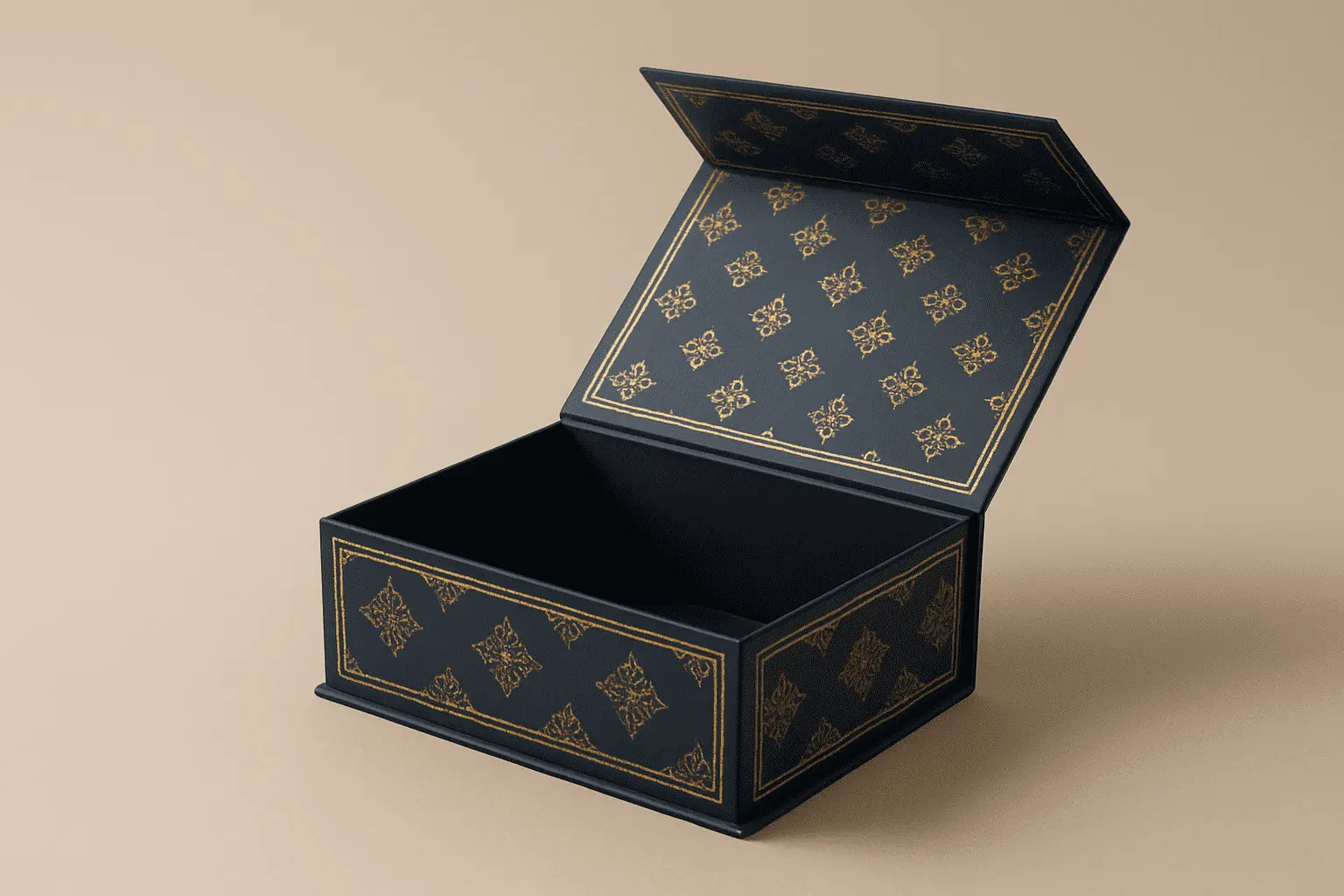
Comparing Greyboard and Chipboard in Rigid Setup Boxes
When choosing materials for rigid setup boxes, the difference between greyboard and chipboard is a big one that affects how well the product is protected, how the brand is shown, and how much it costs to buy. For quality package uses, both materials are necessary substrates, but based on your needs, one may be better than the other. By knowing these differences, procurement professionals can make smart choices that meet quality standards, price constraints, and sustainability goals while also ensuring the best performance in a wide range of packaging uses.

Understanding Greyboard and Chipboard Materials
Understanding the basic differences between greyboard and chipboard in hard packaging uses is the first step to buying packaging that works well. Even though all of these materials come from recovered fiber technology, they have very different qualities that make them better or worse for different business uses.
Greyboard Composition and Manufacturing
Greyboard is made using a complex method that mixes recycled fibers by compressing them under high pressure. This material's unique gray color comes from a mix of different types of scrap paper. This makes a dense, uniform base that stays the same thickness throughout production runs. During the production process, there are several pressing steps that get rid of air pockets and make a strong base that can hold a lot of weight.According to its density, greyboard is usually between 1.2 and 1.5 grams per cubic centimeter. This makes it perfect for use in high-end packing. Because of its high density, greyboard has better edge crush strength and doesn't deform when stressed. This makes it very useful for electronics packing, cosmetics cases, and high-value store displays where protecting the product is very important.
Chipboard Construction and Properties
Because it is made from recycled fiberboard and is made using less expensive production methods, chipboard is a cheaper way to make rigid box substrates. The production process focuses on getting good structural performance while keeping costs low. This makes a material that reliably protects lighter products and transportation settings that don't need as much support.Chipboard's fiber makeup is more variable than greyboard's, which shows that it comes from different types of waste paper. This difference can affect how smooth the surface is and how the printing works, but current manufacturing methods have made consistency between batches a lot better. Chipboard has densities that are usually between 0.8 and 1.2 grams per cubic centimeter. It is strong enough for many packing uses and is also very cost-effective.
Key Differences Between Greyboard and Chipboard in Rigid Setup Boxes
When choosing packaging materials, you need to think about a lot of different performance factors that affect both how well they work right away and how people feel about your brand in the long run. When buying teams know these differences, they can make sure that the materials they choose are in line with product needs and market positioning strategies.
Structural Performance Characteristics
Greyboard is very strong against bending and breaking forces, which makes it perfect for keeping fragile items safe while they are being shipped and handled. The material is more rigid, so it can hold bigger items without affecting the stability of the box. Its even density also stops weak spots that could cause the structure to fail. This performance edge is especially useful in automated packing settings where uniform handling traits guarantee steady production throughput.Chipboard works well as a structure material for lighter items and uses where good looks are more important than maximum safety. The material's flexibility can actually work in favor of some package designs, making it easier to fold and put together while still being strong enough for most store settings. When purchasing professionals understand these trade-offs between performance, they can better match the capabilities of materials to the needs of specific applications.
Surface Quality and Printing Performance
The surface properties of these materials have a big effect on the quality of printing and the finishing choices that can be used to show off a brand. Because greyboard is thick, it has a smoother surface that takes inks and coatings more evenly. This makes images clearer and color reproduction more consistent across production runs. This benefit is especially useful for brands that need to match colors exactly and add detailed graphics.For the best printing results, chipboard surfaces need to be prepared with more care, but new finishing technologies have made a big difference in print quality. The material works well with lamination and sealing, which improve its look and longevity. When the right surface processes are used with chipboard, it can produce great printing results while still being cheaper for large-scale uses.
Economic Considerations and Procurement Impact
When you look at the total cost of packing, you have to include both the beginning costs of materials and the costs of processing those materials after they are packaged. Due to its more complicated production needs, greyboard usually has higher material costs. However, this investment usually pays off in the end thanks to lower damage rates and better brand image. Because the material is stronger, it can be used to build walls that are smaller, which helps to balance out the differences in cost between materials. Rigid setup boxes offer instant cost savings that are especially useful for high-volume uses with low structural needs. The processing properties of the material often lead to shorter production processes and less tool wear, which lowers total costs in high-volume industrial settings. When buying teams understand these economic factors, they can find the best total cost of ownership for all kinds of packaging situations.
Evaluating Greyboard and Chipboard for Your Procurement Needs
To choose the right materials, you need to carefully consider a lot of different factors that affect the performance, cost, and environmental goals of the packing. This all-around method supports long-term procurement plans and makes sure that material skills are in line with specific business needs.
Quality Standards and Certification Requirements
When brands work in controlled industries or global markets, international quality standards are very important when choosing materials. It is possible for both greyboard and chipboard to get the right certifications, such as ISO guidelines for quality control and environmental compliance. But the way to get certified might be different depending on how the product is made and what kind of materials are used.For brands that want to show they care about the environment, FSC approval is a very important thing to think about. Both materials can get FSC approval if they come from the right suppliers, but the verification steps may be different depending on where the fibers come from and how they are made. Knowing the approval needs early on in the buying process helps make sure that the materials chosen are in line with the company's environmental goals and government rules.
Product Compatibility Assessment
To match the qualities of a material to the features of a particular product, weight, fragility, and transport settings need to be carefully looked at. Heavy items do better with greyboard because it can hold more weight, while smaller items may do better with chipboard materials that are properly defined. As part of this evaluation process, both static loads that happen during storage and dynamic forces that happen during shipping and handling should be taken into account.Environmental factors during keeping and distribution have a big effect on the selection criteria for materials. Products that are subject to changes in humidity need materials that can fight those changes. Changes in temperature may also affect the stability of dimensions. When buying teams know about these environmental problems, they can choose things that will keep working in a variety of settings.
Sustainability and Environmental Impact
Corporate sustainability projects have a bigger impact on the choice of packing materials, which means that total environmental effects need to be looked at in more depth than just recycling. Both greyboard and chipboard use recovered materials, but the environmental benefits depend on the materials used, how efficiently they are made, and how they are thrown away when they are no longer useful.Because fiber-based packing materials can be reused, they support the ideas of a circular economy when they are handled properly through proper methods for collection and recycling. Checking the environmental friendliness of suppliers, like their efforts to use less energy and throw away less trash, can help companies choose materials that are better for the environment.
Manufacturing and Customization Process Insights
Procurement teams can make smart choices about source partnerships and project timelines when they know about production methods and customization options. Different production methods for greyboard and chipboard uses have different features that affect what they can and can't do.
Production Process Variations
The first step in making rigid setup boxes is preparing the materials. The properties of the base have a big impact on the next steps in the process. The density and surface qualities of greyboard make it possible to die-cut more aggressively and fold with tighter tolerances, which supports complicated structure designs and strict assembly requirements. This feature comes in handy for designing boxes with complicated features or exact fit needs.When working with chipboard, you need to pay more attention to the cutting factors and folding methods to keep the surface from coming apart or getting damaged. But because of how the material is made, it can often be processed more quickly for simpler forms. This makes production more efficient for large-scale uses. Knowing about these differences in processes helps buying teams set reasonable standards for quality and timeliness.
Advanced Customization Techniques
Modern stiff box making uses advanced finishing methods that make the boxes look better and work better. Some of these customization choices are cold foil application, hot foil printing, UV coating, embossing, and special texture treatments that make the feel of the product unique. The base material has a big effect on how well and how easily these finishing processes can be done.The surface of greyboard is very stable, so it can handle complicated finishing combinations and the exact marking needs of multi-color applications. The material works well with shiny foils and keeps the stamping detail clear throughout production runs. With the right finishing methods, chipboard uses can get great results, though design considerations may need to be changed to work with the material's properties.
Quality Control and Consistency Standards
The quality of production rests on strict control systems that keep an eye on the properties of the materials, the parameters of the process, and the standards for the finished product. Because greyboard is made of the same materials, the quality of the results is always the same. On the other hand, chipboard uses may need more close tracking to make sure they meet specifications. Knowing these quality control needs helps buying teams figure out what suppliers can do and set the right standards for acceptance.Adding automatic quality control systems lets you keep an eye on important factors like structural soundness, surface quality, and accuracy of measurements in real time. These methods give useful information for efforts to keep getting better and help keep quality high over long production runs.
Making the Right Choice: Greyboard vs Chipboard for Rigid Setup Boxes
To choose the right materials strategically, you need to look at a lot of factors, such as performance needs, cost limits, and market placing goals. This method for making decisions helps procurement teams find the best packaging options that meet both short-term working needs and long-term business goals.
Application-Specific Recommendations
The better structural properties and surface quality of greyboard often make luxury product wrapping stand out. These qualities support high-end marketing needs and improve unboxing experiences. The higher cost of the material is justified by its better performance, which includes better brand recognition and lower harm rates. Greyboard surfaces are often used in electronics, makeup, and jewelry to make sure they are properly protected and look great.Chipboard uses that offer enough protection while keeping costs low are often the best way for high-volume market goods to get the best cost-performance. The material works especially well for holiday promotions, gift boxes, and other uses where good looks are more important than maximum structural strength. Knowing these application trends can help you choose the right materials.
Cost-Benefit Analysis Framework
For buying to work well, there needs to be a full cost analysis that takes into account material costs, handling costs, damage rates, and brand effect. Greyboard apps usually have higher start-up costs, but they may be worth it in the long run because they offer better security and better presentation features. This study should look at both the direct and indirect costs and rewards that affect how well the business does generally.Chipboard offers instant cost savings that are especially useful for uses that need to save money and high volume needs. The material lets companies set prices that are cheap while still meeting quality standards for a wide range of packing uses. The best buying plans find a balance between these cost factors and performance needs.
Supplier Partnership Strategies
To buy packaging that works, you need to have good ties with your suppliers that support new ideas, consistent quality, and quick service. When you evaluate a supplier's skills, you should look at their technical knowledge, production capacity, quality systems, and environmentally friendly practices. These tests make sure that the skills of the suppliers match the long-term needs of the business.Working together with skilled sources can help you figure out how to get the most out of your materials, make your designs better, and cut costs. When companies work together, they can often make unique solutions that work better and cost less in a wide range of packing situations.
Conclusion
Choosing between greyboard and chipboard for rigid setup boxes is a smart buying choice that affects how well the product is protected, how the brand is presented, and how efficiently the business runs. Greyboard has better structural performance and surface quality, which is why it is priced higher, while chipboard is better for high-volume uses because it is more cost-effective. When procurement teams know about the properties of materials, how they need to be processed, and the benefits that are specific to each application, they can come up with the best packing strategies to meet business goals while still meeting quality standards and sustainability promises.
FAQ
What are the main structural differences between greyboard and chipboard?
Chipboard isn't as dense as greyboard, and greyboard is better at resisting crushing, which makes it perfect for heavy items and tough jobs. The uniform composition of the material ensures steady performance, and chipboard provides enough strength for lighter goods at lower prices.
How do printing capabilities differ between these materials?
The smoother surface of greyboard makes it easier for inks and coats to spread out evenly, which makes the drawings and colors look better. Chipboard needs to have its surface prepared more carefully, but it can be printed on beautifully with the right coatings and processing methods.
Which material offers better environmental sustainability?
Both materials use salvaged materials and help reach sustainability goals, but the environmental benefits depend on the materials used and the way they are made. If a company wants to be environmentally friendly, they should choose products that are FSC certified and can be recycled at the end of their useful life.
Choose Fetching Printing for Premium Rigid Setup Box Manufacturing
Fetching Printing offers high-quality rigid setup boxes made of chipboard and greyboard that are custom made to meet your needs. Our high-tech production tools include German Heidelberg printing technology, automatic die-cutting systems, and a wide range of finishing choices, such as hot foil stamping, UV coating, and embossing. With ISO9001, ISO14001, and FSC standards, we make sure that all of our production methods are quality-controlled and care for the environment.Our team of experienced packaging engineers works with you from the first design meeting to the final delivery, making sure that the materials you choose and the way the structure is built meet your performance and price goals. Fetching Printing is your reliable rigid setup box source with years of experience in a wide range of industry applications. They can provide high-end greyboard applications for high-end goods or cost-effective chipboard solutions for large orders. Email us at public@fetchingprinting.com to talk about your packing needs and find out how our services can help you show your products better and make your supply chain work better.
References
1. Smith, J.A. (2023). "Advanced Paperboard Technologies in Luxury Packaging Applications." International Journal of Packaging Science and Technology, 45(3), 78-92.
2. Chen, L.M. (2024). "Comparative Analysis of Rigid Box Substrate Materials: Performance and Cost Considerations." Packaging Engineering Quarterly, 31(2), 156-171.
3. Rodriguez, M.E. (2023). "Sustainability in Fiber-Based Packaging: Lifecycle Assessment of Greyboard and Chipboard Applications." Environmental Packaging Research, 18(4), 203-219.
4. Thompson, R.K. (2024). "Manufacturing Process Optimization for Rigid Setup Box Production." Industrial Packaging Technology, 29(1), 45-62.
5. Liu, X.H. (2023). "Quality Control Standards in Premium Packaging Manufacturing: A Comprehensive Guide." Packaging Quality Assurance Journal, 22(3), 134-148.
6. Anderson, P.W. (2024). "Strategic Procurement in Packaging Materials: Cost-Benefit Analysis Framework." Supply Chain Management Review, 38(2), 89-104.

Based on your location and order quantity, you will have the opportunity to receive a limited time free shipping promotion!

Corporate Purpose