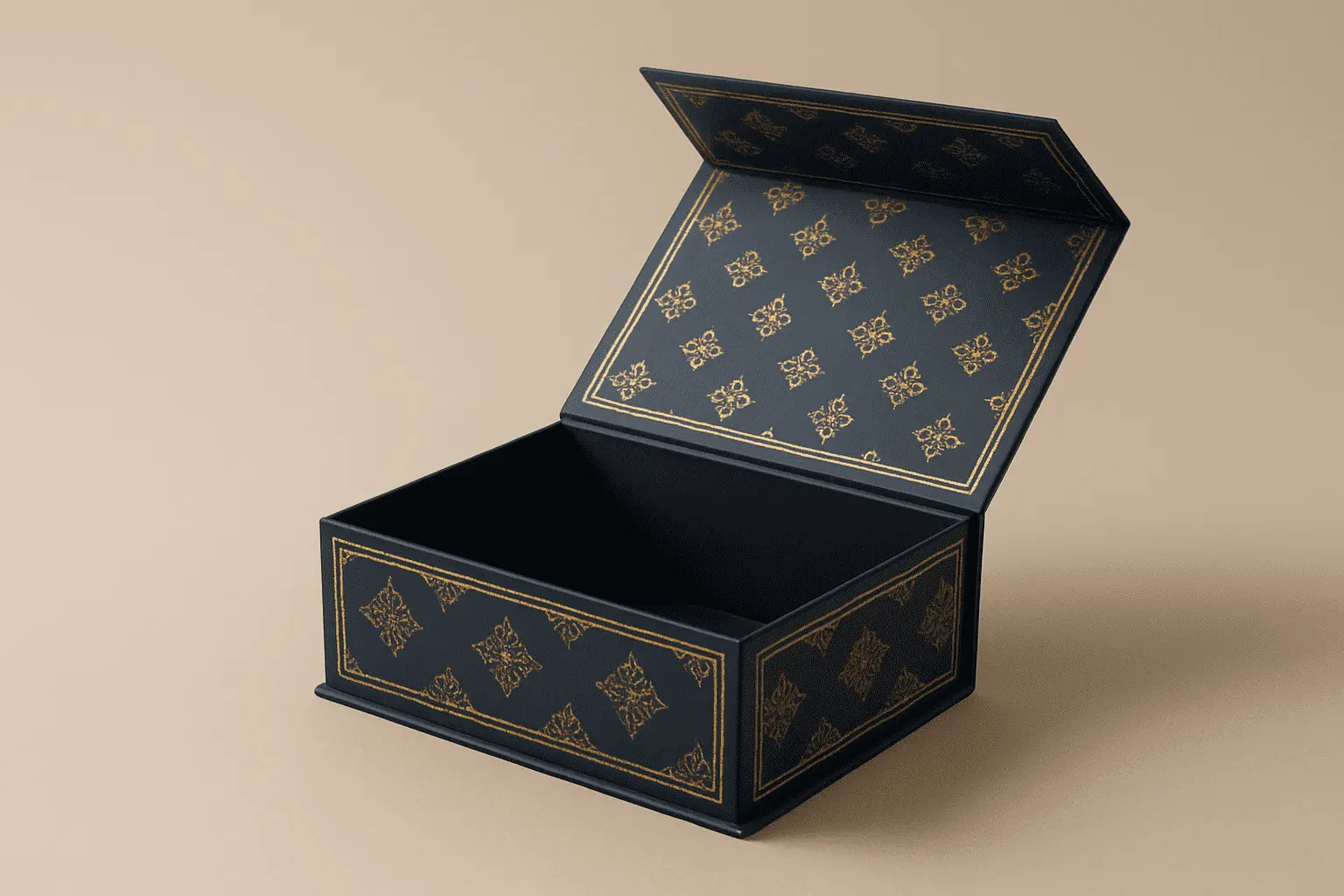
Creating exceptional cardboard gift box designs requires balancing visual appeal with practical longevity. Modern sustainable packaging solutions demonstrate that eco-friendly materials can deliver stunning aesthetics while encouraging customers to repurpose containers long after the initial unboxing experience. Smart packaging design considers both immediate visual impact and extended utility, transforming single-use items into cherished keepsakes that reflect brand values and environmental consciousness.

The Art of Visual Appeal in Sustainable Packaging
The Art of First Impressions: Structure and Surface
Visual stories through package design capture people's attention immediately. For high-end gift wrapping, it is essential to choose the right paperboard weights that maintain structural integrity while allowing for advanced printing methods. The narrative of your brand begins with the choice between 250g kraft paper for a rustic, natural look and 400g SBS C2S for a premium, polished aesthetic. Surface techniques transform plain cardboard into a high-end experience. Cold foil printing applies silver highlights without exposing the material to excessive heat, while UV coatings provide protection and deliver a glossy, tactile finish. Embossing adds a three-dimensional texture that invites touch, creating memorable encounters that go beyond the visual.
The Science of Appeal: Color and Sustainability
Color psychology plays a vital role in the aesthetic success of custom printed boxes. Pantone spot colors ensure brand consistency across all production runs, while CMYK methods enable high-quality photo printing and gradient effects. The interaction between printed elements and natural wood textures creates a sophisticated contrast that appeals to environmentally conscious consumers. Complex imagery can now be produced with eco-friendly modern technologies. Digital printing allows for small-batch customization, which reduces waste from overproduction and facilitates seasonal updates and limited editions. Advanced color management systems guarantee color accuracy across all substrates, regardless of their surface treatments and weights.
Material Selection for Durability and Environmental Impact
Sustainable Foundations: Material Certification and Performance
Picking eco-friendly materials is the first step toward creating packaging that lasts. FSC-certified paperboard ensures that forests are managed in an environmentally responsible way while meeting the performance standards required for cardboard gift boxes. The certification process tracks materials from the forest to the final product, providing B2B buyers with the transparency they increasingly demand. The coated side of SBS C1S offers excellent printability, while the uncoated reverse side ensures strong adhesion during assembly. This dual-purpose feature enables complex structural designs without the need for additional lamination layers. The solid bleached construction makes food-safe applications possible, and the bright white surface makes colors appear more vivid.
Structural Integrity and Aesthetic Choices
Brown paper materials are valued for their natural composition and exceptional strength. The unbleached fibers are inherently more durable than many bleached alternatives, and the visible fiber layers provide an authentic appearance that aligns with handmade or organic branding. Corrugated cardboard structures offer superior protection for shipping requirements while maintaining a lightweight profile. The fluted design effectively distributes impact forces, keeping products safe during transit. Modern cardboard materials achieve very high compression strengths and remain recyclable through standard municipal programs. Choosing the appropriate weight affects both functionality and perception—lighter boards reduce shipping costs and environmental impact, while heavier substrates convey a sense of premium quality. The optimal solution strikes a balance between structural strength, visual appeal, and long-term sustainability tailored to each specific application.
Structural Engineering for Extended Use
Reusability Through Intelligent Design
Intelligent structure design enables packaging to remain useful long after the initial product has been delivered. Collapsible rigid boxes can be stored flat when empty while maintaining their premium appearance, encouraging reuse for future gifting or organization needs. Magnetic closure systems eliminate the wear and tear associated with traditional flaps and tucks—the concealed mechanism maintains a clean, secure seal even after repeated opening cycles. High-quality magnetic components retain their strength over time, ensuring lasting functionality. Modular configurations invite creative repurposing; a cardboard gift box can transform into jewelry storage or desk organizers with removable dividers, while interchangeable inserts allow for seasonal updates that keep the packaging relevant year-round.
Precision Engineering for Structural Longevity
The quality of assembly and long-term durability depend heavily on precise die-cutting techniques. Clean edge cuts eliminate stress points that might otherwise lead to tearing during repeated handling. Properly calibrated scoring allows material to fold smoothly without cracking, preserving the integrity of hinge lines. Corner reinforcement methods significantly extend structural lifespan—double-walled construction at stress points prevents corners from breaking down during use, while internal braces or tabs provide additional support without visible external hardware that might compromise the aesthetic appeal.
Finishing Techniques That Enhance Longevity
Protective Coatings for Durability and Presentation
Professional surface finishing preserves printed images while enhancing functionality. Aqueous coatings provide moisture resistance, maintaining structural integrity during storage and handling—these water-based formulations retain recyclability while offering protection against scratches. Matte finishes conceal fingerprints and minor surface abrasions while imparting a refined, understated elegance. The low-gloss appearance photographs beautifully across various lighting conditions, making packages ideal for social media sharing that extends brand reach. Tactile finishes engage multiple senses simultaneously; soft-touch coatings create silk-like surfaces that invite handling and exploration. Though these specialized treatments represent a higher investment, they forge lasting brand experiences that consumers associate with premium quality.
Embellishment Techniques for Visual Impact
Spot UV applications use high-gloss accents against matte backgrounds to draw attention to specific design elements. This contrast technique highlights logos, product names, or artistic features without overwhelming the overall composition. Foil stamping adds shimmering details that catch and reflect light—hot stamping delivers a durable, glossy finish resistant to scuffing with lasting brilliance, while cold foil methods enable broader coverage and more intricate detailing. These embellishment options transform standard packaging into distinctive brand expressions that capture attention and communicate quality at first glance.
Market Trends Driving Reusable Design Innovation
Consumer Engagement and Brand Visibility
Packaging that offers ongoing value is increasingly capturing consumer interest. Customers share their unboxing experiences and creative reuse ideas on social media, directly influencing packaging design decisions. Beautiful cases become integrated into home decor, maintaining brand visibility long after the initial purchase. Growing e-commerce demands packaging that protects products during transit while delivering arrival delight—mailer boxes must balance protective functionality with aesthetic appeal, with innovative designs recreating the excitement traditionally associated in-store shopping. Subscription services require packaging that remains engaging shipment after shipment; limited editions and seasonal variations create anticipation and collectability that members value. Modular systems with standardized components keep costs manageable while enabling meaningful customization.
Strategic Applications Across Market Segments
Corporate gift packaging emphasizes professional presentation with subtle branding integration. Executive gift boxes demand careful consideration to convey respect for recipients while clearly communicating the sender's identity—premium materials and finishing techniques justify their investment by reinforcing brand image. Retail display requirements influence packaging design from the earliest stages, as shelf appeal drives initial purchase decisions and structural features facilitate effective merchandising. Throughout the distribution chain, packages must successfully serve dual roles as both protective containers and marketing tools, delivering brand messages while ensuring product safety from warehouse to customer.
Cost-Effective Production Strategies
Efficiency Gains Through Standardization and Digital Technology
Making cardboard gift boxes more efficiently reduces environmental impact while lowering production costs, supporting both sustainable practices and business profitability. Standardized die designs keep tooling costs manageable across multiple product lines, while modular sizing approaches enable economies of scale without compromising the ability to accommodate diverse product ranges. Digital printing eliminates minimum order requirements that previously hindered customization—short-run capabilities allow for test marketing and seasonal updates without excessive inventory commitments. Variable data printing enables personalization features that increase customer engagement, while automated production lines ensure consistent quality standards and reduce labor costs. Modern folding and binding equipment maintains precise specifications that guarantee proper structural assembly and long-term durability, with quality control systems preventing defective products from reaching customers.
Material Optimization and Supply Chain Integration
Material optimization programs identify optimal layout patterns to minimize waste during die-cutting operations. Efficient nesting techniques reduce raw material consumption while maintaining production speeds—this waste reduction directly benefits both cost structure and environmental performance metrics. Supply chain integration streamlines material flow from raw components to finished packages, with strategic supplier relationships ensuring consistent material quality while meeting green certification requirements. Coordinated logistics minimize transportation-related environmental impacts, creating a production ecosystem where efficiency and sustainability reinforce one another. These integrated approaches demonstrate that responsible manufacturing and profitable operations can advance together through thoughtful process design.
Conclusion
Creating sustainable cardboard gift boxes balances visual appeal, durability, and environmental responsibility. Thoughtful material selection—FSC-certified kraft or SBS paperboard—supports structural integrity and premium printing. Innovative structural designs, magnetic closures, and modular inserts extend usability, encouraging reuse. Advanced finishing techniques like foil stamping, UV coating, and soft-touch textures enhance tactile and visual experiences. Efficient production, digital printing, and waste-reduction strategies lower costs while maintaining quality. Reusable, customizable designs improve brand perception, support e-commerce and subscription needs, and foster customer loyalty, making eco-friendly luxury packaging a competitive advantage.
Partner with Leading Cardboard Gift Box Manufacturer for Your Next Project
Fetching Printing combines decades of manufacturing expertise with cutting-edge sustainable packaging solutions. Our ISO-certified facilities produce custom printed boxes that exceed international quality standards while supporting your environmental objectives. Contact our packaging specialists at public@fetchingprinting.com to explore innovative cardboard gift box designs.
Modern packaging design successfully balances aesthetic excellence with environmental responsibility. Thoughtful material selection, innovative structural engineering, and professional finishing techniques create packages that customers treasure long after initial use. Investment in reusable design strategies builds brand loyalty while supporting sustainability goals that resonate with contemporary consumers. The evolution toward sustainable luxury packaging represents both environmental necessity and competitive advantage for forward-thinking brands.
References
1. Smith, J. & Anderson, M. (2023). Sustainable Packaging Design: Principles and Practices for Modern Retail Applications. Journal of Packaging Technology, 15(3), 45-62.
2. Chen, L. (2022). Material Innovation in Gift Box Manufacturing: Environmental Impact and Performance Analysis. International Packaging Review, 28(7), 112-128.
3. Rodriguez, C. & Thompson, K. (2023). Consumer Behavior and Reusable Packaging: Market Research Insights from Global Retail Trends. Packaging Marketing Quarterly, 41(2), 78-94.
4. Williams, R. (2022). Structural Engineering for Corrugated and Folding Carton Applications: Technical Guidelines for Designers. Industrial Packaging Monthly, 19(11), 201-215.
5. Park, S. & Davis, A. (2023). Surface Treatment Technologies in Modern Paperboard Packaging: Quality Enhancement and Sustainability Considerations. Applied Packaging Science, 12(4), 156-173.
6. Martinez, E. (2022). Cost-Effective Production Strategies for Custom Gift Box Manufacturing: Industry Best Practices and Efficiency Optimization. Manufacturing Process Review, 34(9), 89-105.