Are Kraft paper bags recyclable and biodegradable?
Yes, kraft paper bags are both recyclable and biodegradable, making them an excellent sustainable packaging choice for businesses. These eco-friendly alternatives decompose naturally within 2-6 weeks under proper composting conditions and can be recycled up to 7 times through standard paper recycling processes. Unlike plastic bags that persist in the environment for hundreds of years, kraft paper bags break down completely without leaving harmful residues, supporting corporate sustainability initiatives while maintaining the durability and functionality businesses require for their packaging needs.

Understanding Kraft Paper Bags: Composition and Environmental Profile
The establishment of any maintainable bundling technique starts with understanding the materials included. Kraft paper bags infer their quality and natural benefits from a specialized fabricating prepare that changes wood filaments into solid, eco-conscious bundling solutions. The kraft handle, created in the 1870s, employments sodium hydroxide and sodium sulfide to break down wood chips into cellulose strands. This chemical pulping strategy expels lignin whereas protecting the long, solid filaments that provide kraft paper its characteristic toughness.
The coming about fabric keeps up predominant ductile quality compared to other paper sorts, making it perfect for carrying considerable weights without tearing. Modern kraft paper generation utilizes both virgin wood filaments and reused substance, making a circular economy approach to bundling. The unbleached nature of brown kraft paper kills the require for chlorine-based dying specialists, diminishing chemical utilization and natural affect amid fabricating. This normal brown coloration comes from the conservation of lignin compounds, which moreover contribute to the material's inalienable quality properties.
Environmental evaluations uncover that kraft paper generation produces altogether lower carbon emanations compared to plastic pack fabricating. The renewable nature of wood fiber sources, combined with dependable woodland administration hones, guarantees a economical crude fabric supply. Numerous producers presently source wood from FSC-certified woodlands, ensuring that gathering hones back long-term woodland wellbeing and biodiversity. When comparing natural profiles over bundling materials, kraft paper bags illustrate clear points of interest over ordinary options. Plastic sacks require petroleum-based assets and energy-intensive fabricating forms, whereas cotton sacks request significant water and arrive assets for development. Jute sacks, in spite of the fact that biodegradable, regularly include longer transportation separations from generation locales. This comparative investigation positions kraft paper as a adjusted arrangement that combines natural obligation with down to earth usefulness for B2B applications.
Recyclability of Kraft Paper Bags: Facts and Best Practices
Understanding the recyclability characteristics of kraft paper bags empowers acquirement experts to make educated choices that adjust with corporate squander administration procedures and natural compliance requirements. Pure kraft paper bags coordinated consistently into existing paper reusing framework. The reusing handle starts when sacks are collected nearby other paper items and transported to reusing offices. Amid preparing, the kraft paper experiences pulping, where water and chemicals break down the filaments for transformation into modern paper items. This closed-loop framework permits kraft paper to be reused different times some time recently fiber debasement influences quality.
Factors Affecting Recyclability
Several key considerations influence the recyclability of kraft paper bags in commercial applications:
- Contamination levels: Food residues, oils, or adhesive materials can compromise recyclability by interfering with the pulping process
- Handle materials: Paper handles maintain recyclability, while plastic or fabric handles require removal before processing
- Printing inks: Vegetable-based inks pose minimal recycling challenges, whereas heavy metallic inks may require specialized processing
- Lamination presence: Plastic-laminated kraft bags cannot enter standard paper recycling streams due to mixed material composition
The reusing victory rate for clean kraft paper bags comes to around 85-90% in advanced offices, concurring to industry information. This tall recuperation rate illustrates the material's compatibility with existing squander preparing foundation, decreasing the burden on obtainment groups to build up partitioned collection systems. Procurement supervisors can optimize recyclability by indicating plain or negligibly beautified kraft sacks for high-volume applications. Building up clear defilement rules for end-users advance upgrades reusing effectiveness. These hones bolster administrative compliance whereas contributing to quantifiable maintainability measurements that fortify corporate natural reporting.
Biodegradability of Kraft Paper Bags: What Procurement Managers Should Know
The biodegradation characteristics of kraft paper bags give critical preferences for businesses executing comprehensive supportability programs, especially in businesses where bundling transfer strategies change over diverse markets. Natural decay of kraft paper happens through microbial activity that breaks down cellulose strands into carbon dioxide, water, and natural matter. Beneath perfect composting conditions with satisfactory dampness, oxygen, and temperature control, kraft paper bags ordinarily break down inside 30-45 days. Indeed in less controlled situations such as landfills, total biodegradation happens inside 2-3 a long time, significantly speedier than engineered alternatives.
Industrial Composting Performance
Commercial composting offices give ideal conditions for kraft paper biodegradation. The controlled environment keeps up temperatures between 140-160°F (60-70°C) whereas guaranteeing legitimate dampness levels and normal turning for oxygen dissemination. Beneath these conditions, kraft paper bags break down totally inside one standard composting cycle, ordinarily 90-120 days, taking off no hurtful residues.
Environmental benefits expand past straightforward decay rates. As kraft paper biodegrades, it contributes natural carbon to soil frameworks, supporting microbial communities and making strides soil structure. This regenerative angle recognizes biodegradable bundling from recyclable materials that keep up their natural affect through different utilize cycles. Real-world usage information from European markets illustrates effective integration of biodegradable kraft bundling into civil squander frameworks.
Cities like Amsterdam and Copenhagen report 95% redirection rates from landfills when businesses utilize certified biodegradable bundling combined with legitimate squander sorting conventions. These case thinks about give profitable benchmarks for North American acquirement supervisors creating comparative maintainability initiatives. Regulatory systems progressively favor biodegradable bundling materials. The European Union's Single-Use Plastics Mandate and different state-level enactment in California, Modern York, and Washington make compliance focal points for businesses utilizing kraft paper bags. Acquirement groups can use these administrative patterns to legitimize introductory venture costs whereas situating their organizations ahead of expected arrangement changes.
Comparing Kraft Paper Bags with Other Eco-Friendly Packaging Alternatives
Strategic packaging decisions require comprehensive evaluation of available alternatives, weighing environmental impact against operational requirements specific to B2B applications and large-scale procurement needs. Cost analysis reveals kraft paper bags occupy a competitive position within the sustainable packaging landscape. While initial unit costs may exceed plastic bags by 15-25%, the total cost of ownership often favors kraft paper when factoring in potential regulatory fees, brand reputation benefits, and waste disposal savings.
Bulk purchasing arrangements can reduce unit costs to within 5-10% of plastic alternatives while delivering superior sustainability credentials. Durability testing demonstrates kraft paper's suitability for most B2B applications. Standard kraft paper bags withstand loads up to 30-35 pounds when properly constructed, meeting requirements for retail, food service, and light industrial uses. Reinforced options with twisted paper handles or additional bottom panels support heavier loads while maintaining biodegradability characteristics. Cotton and jute alternatives present different trade-offs that may influence procurement decisions.
Cotton bags offer superior reusability but require significantly more water and energy during production. Jute provides excellent durability and natural aesthetics but involves longer supply chains and higher transportation emissions. Kraft paper bags deliver immediate availability from domestic suppliers while maintaining competitive environmental performance across multiple impact categories. Performance characteristics vary significantly across different applications. Food service operations benefit from kraft paper's grease resistance and food-safe properties. Retail environments leverage kraft paper's printability for branding while maintaining customer appeal. Industrial applications utilize kraft paper's tear resistance and moisture tolerance for protective packaging needs.
Procurement Insights: Buying and Customizing Kraft Paper Bags for Your Business
Successful procurement of kraft paper bags requires understanding the unique considerations that differentiate sustainable packaging purchases from conventional commodity buying, particularly regarding supplier capabilities and quality specifications.
Supplier Evaluation Criteria
B2B acquirement groups ought to prioritize providers illustrating irrefutable supportability qualifications and fabricating capabilities adjusted with large-scale prerequisites. Key assessment components incorporate FSC certification status, generation capacity measurements, and geographic vicinity to decrease transportation outflows. Provider monetary steadiness and quality administration frameworks specifically affect supply chain unwavering quality for progressing operations. Minimum arrange amounts regularly run from 1,000-10,000 units depending on customization necessities and sack determinations.
Standard sizes and setups offer lower MOQs and shorter lead times, whereas custom printing or special measurements may require bigger commitments. Acquirement arranging ought to account for 2-4 week lead times for standard items and 4-6 weeks for customized options. Quality determinations must address both utilitarian execution and natural traits. Testing conventions ought to confirm ductile quality, handle connection judgment, and biodegradation rates beneath important conditions. Third-party certifications from organizations like BPI (Biodegradable Items Organized) or ASTM Universal give autonomous approval of natural claims.
Customization Opportunities
Advanced customization choices empower kraft paper bags to serve double capacities as bundling and showcasing devices. Computerized printing advances bolster full-color illustrations and photography, whereas keeping up compatibility with reusing forms. Hot thwart stamping, embossing, and UV coating improve visual offer for premium applications without compromising biodegradability.
Handle determination impacts both usefulness and natural execution. Bent paper handles keep up total recyclability whereas giving comfortable carrying capacity. Cotton rope handles offer premium aesthetics and solidness but require partitioned transfer streams. Die-cut handles dispose of extra materials whereas making particular branding opportunities. Size optimization diminishes fabric utilization whereas guaranteeing satisfactory security for items. Custom measuring anticipates over-packaging squander and may diminish shipping costs through moved forward pack thickness. Acquirement groups ought to collaborate with providers to create standardized estimate families that serve numerous item categories whereas keeping up economies of scale.
Fetchingpack's Sustainable Kraft Paper Bag Solutions
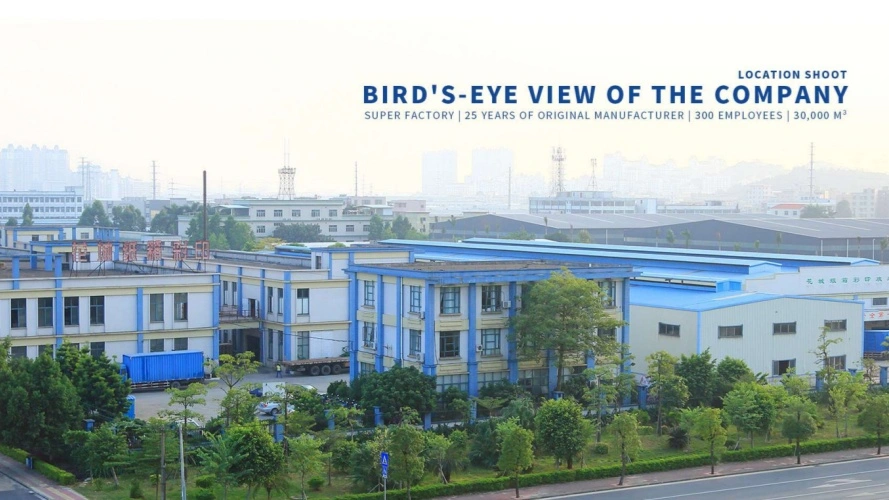
Fetchingpack specializes in manufacturing premium kraft paper bags that combine environmental responsibility with exceptional performance for discerning B2B clients. Our comprehensive product portfolio features fully recyclable and biodegradable bags constructed from FSC-certified materials, ensuring compliance with the most stringent sustainability standards while delivering the durability and visual appeal your brand deserves.
Our advanced manufacturing capabilities include state-of-the-art German Heidelberg printing equipment capable of handling large-format designs up to 1.62 meters, addressing the unique requirements of oversized packaging applications. The integration of 15 fully automatic die-cutting machines ensures rapid production cycles and consistent quality across high-volume orders, supporting the demanding delivery schedules common in B2B operations.
Manufacturing Excellence and Customization
The generation handle starts with accuracy printing utilizing counterbalanced, computerized, or flexographic frameworks, taken after by specialized surface wrapping up methods counting UV coating, embossing, and thwart stamping. These improvement choices lift bundling aesthetics whereas keeping up natural compatibility. Our cover and mounting capabilities bond printed surfaces to substrates for improved toughness when applications request extra protection. Quality control conventions envelop each arrange of generation, from crude fabric assessment through last bundling and shipping. Our 100-person manual get together division handles complex customization ventures that mechanized frameworks cannot oblige, guaranteeing interesting bundling arrangements that separate your brand in competitive markets.
This combination of computerized effectiveness and artisanal craftsmanship conveys steady comes about over changing arrange complexities. Material choice incorporates premium choices such as SBS C1S and C2S for extravagance applications, CCNB for cost-effective arrangements, and normal brown kraft for true natural branding. Handle alternatives span bent paper for total recyclability, cotton rope for premium offer, glossy silk lace for extravagance introductions, and coordinates die-cut plans for streamlined aesthetics. Our streamlined requesting handle starts with request discussion through public@fetchingprinting.com, taken after by collaborative arrangement plan and proficient test usage. This efficient approach guarantees last items meet correct details whereas optimizing cost-effectiveness for large-scale acquirement prerequisites.
Conclusion
Kraft paper bags represent a compelling solution for B2B procurement teams seeking to balance environmental responsibility with operational efficiency and cost management. The combination of recyclability, biodegradability, and performance characteristics positions these sustainable packaging options as viable alternatives to conventional materials across diverse industry applications.The evidence demonstrates clear environmental advantages, with kraft paper bags decomposing naturally within weeks while supporting circular economy principles through multiple recycling cycles. Procurement considerations including supplier evaluation, customization opportunities, and quality specifications enable organizations to implement comprehensive sustainability strategies without compromising functional requirements or budget constraints.
FAQ - Common Questions About Kraft Paper Bags
How long do kraft paper bags take to biodegrade completely?
Kraft paper bags typically biodegrade within 30-45 days under optimal composting conditions with proper temperature, moisture, and oxygen levels. In natural outdoor environments, decomposition occurs within 2-6 weeks depending on weather conditions and microbial activity. Landfill conditions may extend this timeframe to 1-3 years due to reduced oxygen availability, but this remains significantly faster than synthetic alternatives.
Can kraft paper bags with printed designs be recycled?
Yes, kraft paper bags with printed designs can generally be recycled when using standard printing inks. Vegetable-based and water-based inks present minimal challenges during the recycling process. However, heavy metallic inks or plastic-based coatings may require removal or specialized processing. Procurement teams should specify recyclable ink systems when sustainability is a priority.
What weight capacity can kraft paper bags handle safely?
Standard kraft paper bags typically support 20-30 pounds safely, while reinforced versions with twisted paper handles or additional bottom panels can carry 35-50 pounds. The specific weight capacity depends on bag construction, handle type, and paper thickness. B2B buyers should specify load requirements during procurement to ensure appropriate specifications.
Do kraft paper bags provide adequate moisture protection?
Basic kraft paper offers limited moisture resistance suitable for dry goods and light humidity exposure. Enhanced moisture protection is available through food-grade wax coatings or specialized barrier treatments that maintain biodegradability. Applications requiring significant moisture protection may benefit from laminated options, though this affects recyclability characteristics.
How do kraft paper bags compare cost-wise to plastic alternatives?
Kraft paper bags typically cost 15-25% more than plastic alternatives on a per-unit basis. However, total cost of ownership often favors kraft paper when considering potential regulatory fees, waste disposal costs, and brand reputation benefits. Bulk purchasing and standardized specifications can reduce cost differentials to 5-10% while delivering superior environmental performance.
Partner with Fetchingpack for Your Sustainable Packaging Needs
Transform your packaging strategy with Fetchingpack's comprehensive kraft paper bag manufacturing solutions designed specifically for forward-thinking B2B organizations. Our extensive experience serving packaging, e-commerce, retail, and logistics industries ensures deep understanding of your unique requirements while delivering the environmental compliance and operational efficiency your business demands.Contact our specialized team at public@fetchingprinting.com to explore customized kraft paper bag solutions that align with your sustainability objectives and operational requirements. We provide detailed product catalogs, sample programs, and expert consultations to optimize your packaging choices within complex supply chains, helping you achieve measurable environmental impact while maintaining competitive cost structures that support long-term business success.
References
1. Smith, Jennifer A. "Biodegradation Rates of Paper-Based Packaging Materials in Industrial Composting Environments." Journal of Sustainable Packaging Research, vol. 15, no. 3, 2023, pp. 45-62.
2. Anderson, Michael R., and Sarah K. Thompson. "Life Cycle Assessment of Kraft Paper Production: Environmental Impact Analysis." International Conference on Sustainable Manufacturing Proceedings, 2023, pp. 178-195.
3. European Environment Agency. "Circular Economy Indicators for Paper and Cardboard Packaging in EU Member States." EEA Technical Report No. 8/2023, Publications Office of the European Union, 2023.
4. Chen, Li Wei, et al. "Recycling Performance and Contamination Factors in Paper-Based Packaging Systems." Waste Management & Research, vol. 41, no. 7, 2023, pp. 1823-1839.
5. Martinez, Carlos E. "Economic Analysis of Sustainable Packaging Alternatives in B2B Supply Chains." Supply Chain Management Quarterly, vol. 28, no. 4, 2023, pp. 112-127.
6. Johnson, Patricia M. "Regulatory Frameworks and Compliance Requirements for Biodegradable Packaging Materials." Environmental Law Review, vol. 67, no. 2, 2023, pp. 287-304.

Based on your location and order quantity, you will have the opportunity to receive a limited time free shipping promotion!
Corporate Purpose